Safer Driving and Smarter Roads with Motive AI Dashcam
Road safety remains one of the most pressing challenges facing global transport systems. Even as several regions report modest improvements in traffic fatalities, collision rates and near-miss incidents continue to place drivers, pedestrians, and operators at risk. Fatigue, distraction, unsafe manoeuvres, and poor behavioural habits frequently contribute to serious and preventable incidents. With the scale of commercial and fleet operations continuing to rise, the need for faster, more accurate, and context-aware safety tools has never been greater.
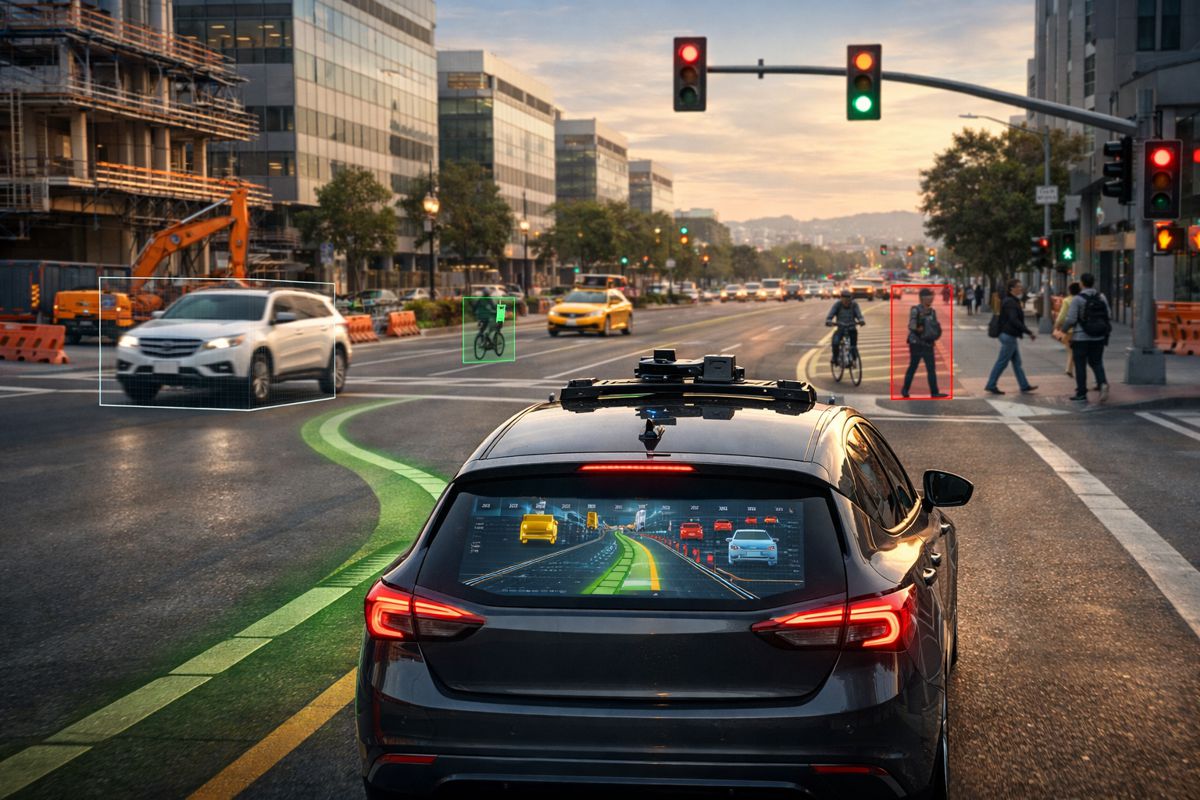
Motive, a leading AI platform for physical operations, has responded with a new generation of real-time driver safety capabilities designed to identify early indicators of risk and support immediate intervention. These AI-powered safety models analyse behaviour, context, and environmental conditions using the Motive AI Dashcam, providing drivers and operators with actionable visibility into the situations that often precede collisions.
Motive’s latest feature releases include three major additions to its safety platform: AI-powered Lane Swerving Detection, AI-powered Smoking Detection, and AI-powered Forward Parking Detection. Each technology has been engineered to capture early-stage risk indicators that are historically difficult to monitor at scale, presenting a significant leap forward in autonomous safety support.
Hemant Banavar, Chief Product Officer at Motive, commented: “The road-safety crisis has been escalating for years, and it demands new technology that evolves just as quickly. We’re rolling out advanced AI models, at a rapid pace to help surface early and reliable signs of danger before they become catastrophic. With new capabilities like repeated lane swerving detection, smoking detection, and forward parking detection, behaviours that were previously unnoticed can now be detected in real-time so drivers and managers can address risks and prevent collisions.”
Lane Swerving Detection Tackling Early Signs of Fatigue
Fatigue-related collisions have long represented a critical safety concern. According to leading commercial transport studies, repeated lane swerves are associated with 79 percent of fatigue-related collisions, particularly during long-distance haulage, night-time operations, and monotonous driving environments.
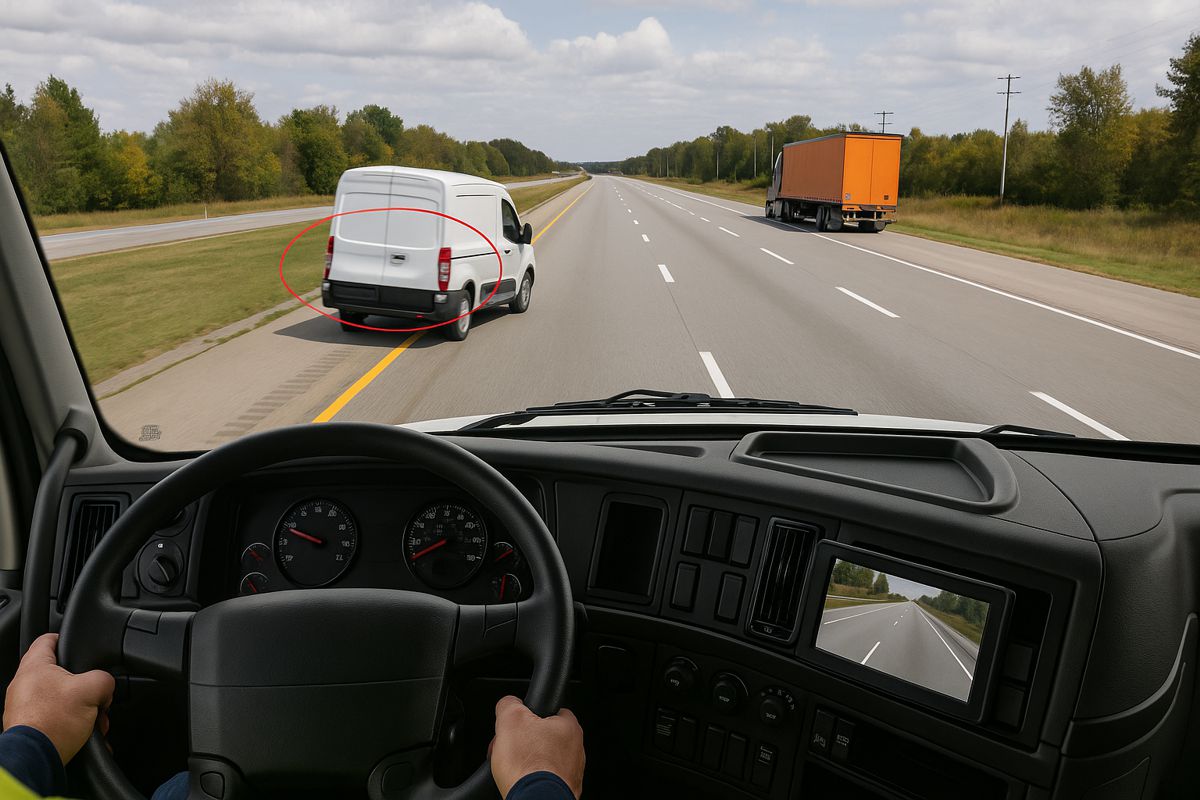
Motive’s AI-powered Lane Swerving Detection is available on all AI Dashcams and is engineered to identify repeated swerving behaviour in a five-minute window at speeds exceeding 50 miles per hour. The system records three or more swerves within this period and consolidates them into a unified safety event timeline. This allows safety teams and fleet managers to identify fatigue or distraction-related behaviour quickly, review context, and coach drivers before incidents escalate.
Repeated swerving is more than a simple lane deviation. It is often a compound indicator of drowsiness, cognitive overload, environmental distraction, and impaired situational awareness. Research conducted by the National Highway Traffic Safety Administration (NHTSA) shows that drowsy driving contributes to more than 100,000 crashes annually in the United States alone, with fatigue frequently underreported in investigations.
Fleet operators frequently lack the real-time tools needed to detect and categorise this behaviour before an incident occurs. Motive’s model addresses this gap by providing pattern-based visibility that traditional event detection systems miss.
Smoking Detection Eliminating High-Risk Habits
Smoking while driving introduces a complex combination of risks that extend beyond simple distraction. Lighting a cigarette, holding it, and disposing of it each require manual effort that interrupts steering control and situational focus. Studies show that lighting or holding a cigarette removes a driver’s hands from the wheel and eyes from the road for an average of 12 seconds. At motorway speeds, that represents hundreds of metres travelled without proper control.
Motive has engineered a specialised AI-powered Smoking Detection model for its Dual-Facing AI Dashcam. The system identifies when a cigarette is held in a driver’s hand or mouth for more than five seconds while travelling above five miles per hour. Upon detection, immediate in-cab alerts are delivered to discourage behaviour, while simultaneous alerts are sent to safety managers for coaching and review.
Hazmat fleets, construction contractors, mining operators, and industrial logistics providers face elevated risk exposure when drivers smoke inside vehicles. Smoking can endanger combustible materials, contaminate vehicle environments, and trigger ignition events. Preventive AI monitoring reduces liability exposure while reinforcing consistent safety culture.
Forward Parking Detection Preventing Low-Speed Incidents
Low-speed collisions, particularly those involving parking or tight manoeuvring, account for a significant proportion of insurance claims and operational downtime. Forward parking often forces drivers to reverse out of spaces, which is associated with a higher rate of blind-spot-related collisions and pedestrian injuries. According to safety data, 9 percent of pedestrian deaths in parking lots occur during reversing incidents.
Motive’s AI-powered Forward Parking Detection identifies instances where vehicles have parked head-first and subsequently reverse out of a space. This behaviour is logged and communicated to fleet operators in real time, streamlining coaching and reinforcing safer parking standards. Drivers can later review their performance in the Motive Driver App and adopt safer habits without formalised escalation.
Forward parking enforcement is an increasingly common requirement in regulated sites, industrial yards, and distribution hubs. Many mining, energy, and construction companies now require reverse-in parking to ensure clearer departure visibility and fewer blind spots. Motive’s automated detection brings a consistent monitoring standard to large fleets where manual enforcement is difficult.
Industry-Leading AI Accuracy and Enforcement Support
John Riddle, Regional Safety Manager at The Dana Companies, remarked: “Safety is our top priority. Motive’s industry-leading, accurate AI monitors and protects drivers and the new detection capabilities will help prevent more collisions. Before Motive, we never even saw some of these behaviors — unsafe lane changes, tight following distance. Now we can coach on it before it becomes a problem.”
The Motive AI Dashcam currently detects more than 15 high-risk behaviours, including forward collision risk, unsafe parking, tailgating, drowsy driving, phone distraction, and poor situational awareness. According to an independent 2023 study conducted by the Virginia Tech Transportation Institute, Motive’s AI Dashcam successfully alerted drivers to unsafe driving behaviour two to four times more frequently than comparable AI models from two leading competitors.
Motive customers reported average fleet-wide reductions of 80 percent in collisions and 63 percent in accident-related costs. These reductions represent not just operational improvements but wider safety benefits for surrounding road users, including pedestrians, cyclists, and vulnerable urban mobility participants.
Human-In-The-Loop AI Enhancing Reliability
AI accuracy is fundamentally dependent on model training quality and contextual understanding. Motive has developed one of the transport industry’s most advanced human-in-the-loop validation systems, with more than 400 full-time data annotators continuously reviewing safety videos and refining event classification.
This hybrid validation approach eliminates false positives, enhances contextual awareness, and improves behavioural classification at scale. The Motive Driver Safety platform analyses tens of millions of events annually using real-world data sourced from over one million connected vehicles and physical assets.
By validating edge cases involving weather variation, lighting changes, complex driver posture, cargo movement, and unusual vehicle dynamics, Motive’s AI models evolve beyond static rule-based detection. The system provides real-time in-cab alerts with life-saving speed while enhancing auditability for fleet operators and insurers.
Wider Market Context and Policy Influence
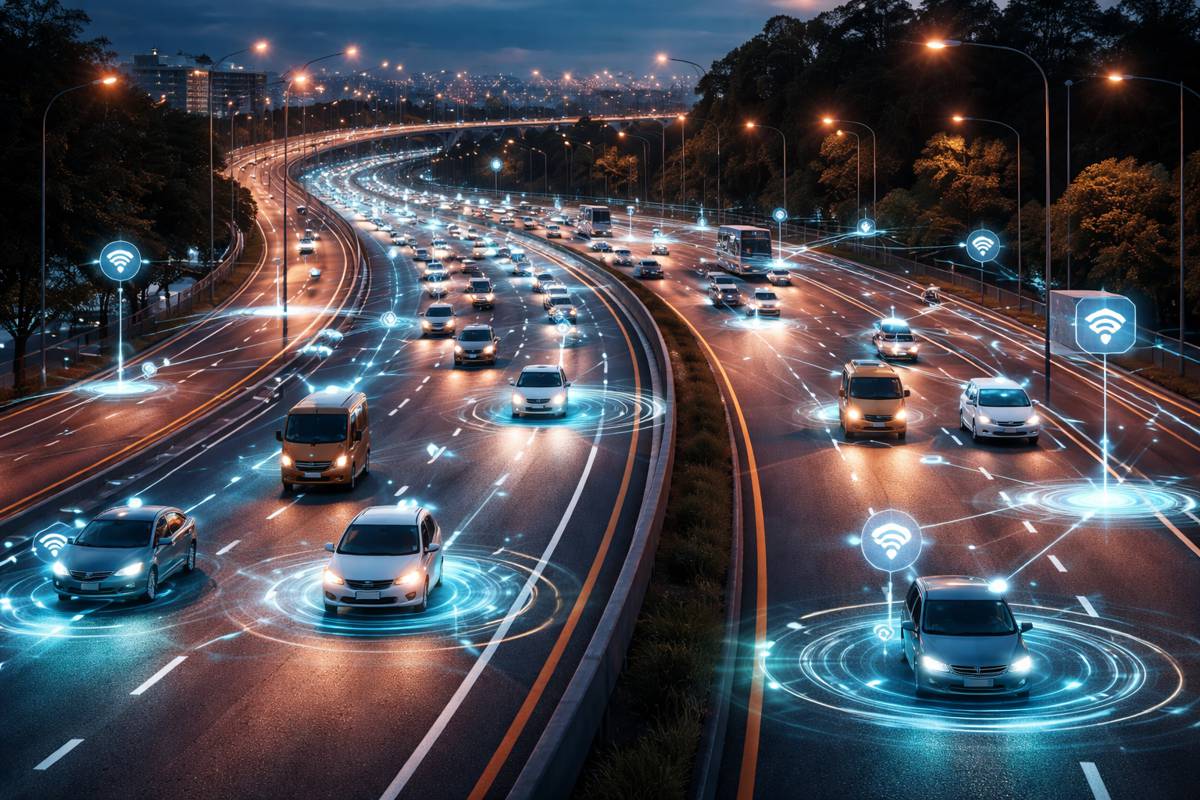
Global regulators and insurance providers increasingly emphasise the adoption of advanced telemetry, dashcam surveillance, and predictive driver analytics. The European Union’s road safety framework promotes AI driver assistance and digital monitoring tools as part of wider Vision Zero initiatives. Similarly, North American commercial fleets are increasingly required to demonstrate behavioural risk reduction as part of insurance underwriting.
Collision reduction also contributes directly to sustainability efforts. Fewer collisions lead to less unplanned vehicle downtime, lower material waste, and reduced emergency response deployment. Fleet operators deploying predictive safety systems consistently report lower claims frequency, more consistent driving culture, and clearer evidence trails for legal defence.
Driving A Safer Future For Road Operations
As transport networks continue to grow, predictive safety technology is quickly transitioning from optional support to industry standard. Real-time behaviour analysis, supported by contextual AI and validated by human reviewers, represents a transformative pathway for modern fleet safety.
Motive’s driver behaviour platform aligns closely with wider global goals for safer physical operations, cleaner fleets, and better regulatory compliance. Continuous innovation in fatigue detection, distraction analysis, and operational coaching strengthens the role of AI as a protective layer for drivers and road users.
Smarter detection models, combined with practical coaching tools, will continue to define the next generation of road safety technology.