Yokogawa and the Digital Backbone of Green Riyadh
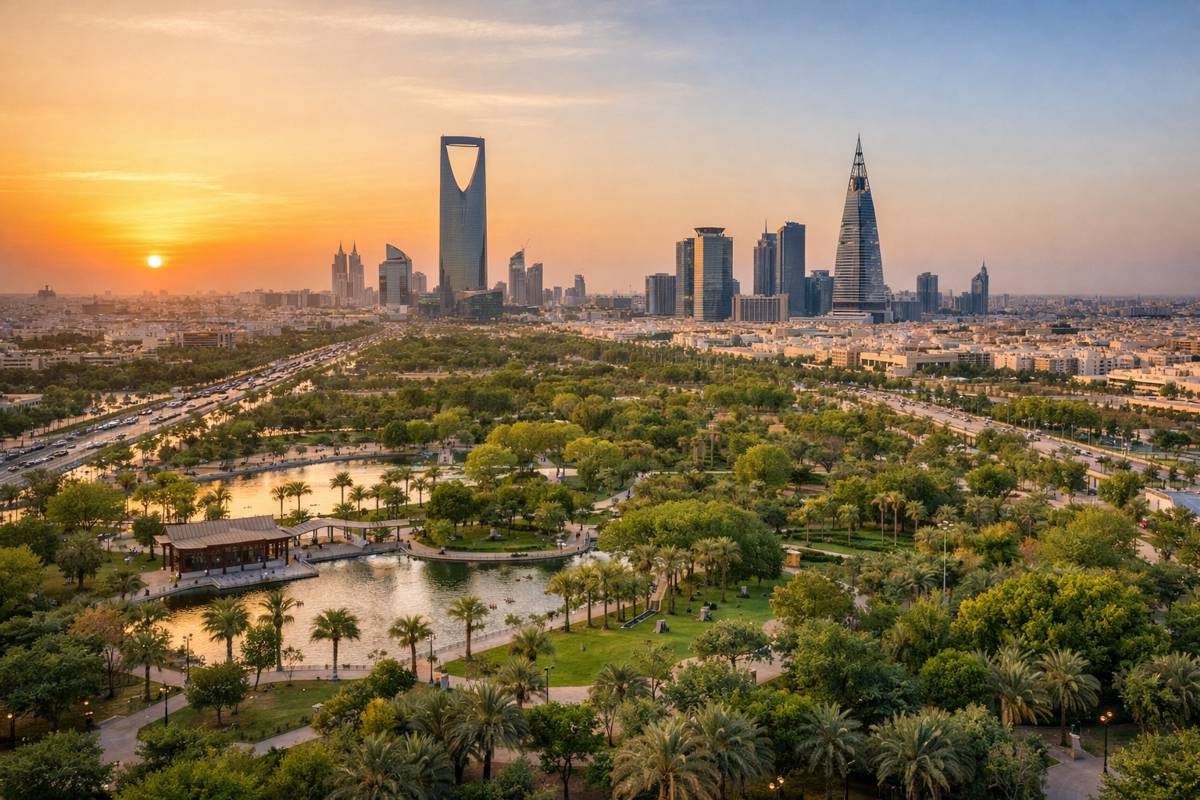
Saudi Arabia’s ambition to reimagine its urban centres is no longer theoretical. With the Green Riyadh initiative, the capital is being reshaped as a greener, healthier and more resilient city, guided by the long-term objectives of Saudi Vision 2030. At the heart of this transformation sits a sophisticated digital nervous system, one that connects people, infrastructure, water, energy and data into a single operational picture.
In this context, Yokogawa Electric Corporation has secured a strategically significant contract through its local subsidiary, Yokogawa Saudi Arabia. Awarded by the Royal Commission for Riyadh City, the contract covers the delivery of systems and services for the main command and control centre of Green Riyadh. This facility will act as the operational brain of one of the world’s most ambitious urban greening programmes.
Green Riyadh In Numbers And Impact
The scale of Green Riyadh is difficult to overstate. By 2030, the programme will see the planting of approximately 7.5 million trees across parks, roads, public facilities and healthcare campuses. As a result, green space per capita in Riyadh is set to rise dramatically from just 1.7 square metres to an estimated 28 square metres.
Beyond the headline figures, the project is designed to deliver measurable environmental, economic and social outcomes. Large-scale urban afforestation contributes directly to improved air quality, mitigates urban heat island effects and reduces overall energy demand, particularly for cooling. Over time, these benefits support public health, productivity and quality of life, while strengthening Riyadh’s resilience to climate pressures.
Treated Wastewater And Sustainable Irrigation
A defining feature of the Green Riyadh project is its use of treated wastewater for irrigation. In a region where water efficiency is a strategic priority, this approach allows the city to expand green assets without increasing pressure on potable water supplies.
Managing such a complex irrigation network requires precise coordination between treatment facilities, distribution systems, environmental sensors and weather data. This is where digital infrastructure moves from a supporting role to a mission critical function. Real-time visibility and predictive control are essential to ensure that water is delivered efficiently, consistently and sustainably across millions of trees and hundreds of sites.
Yokogawa’s Role In Integrated Urban Control
Yokogawa’s contribution centres on the delivery of an integrated monitoring and control platform for Green Riyadh’s urban infrastructure. The company will deploy its OpreX Collaborative Information Server alongside the OpreX Intelligent Manufacturing Hub, creating a unified operational environment for the command and control centre.
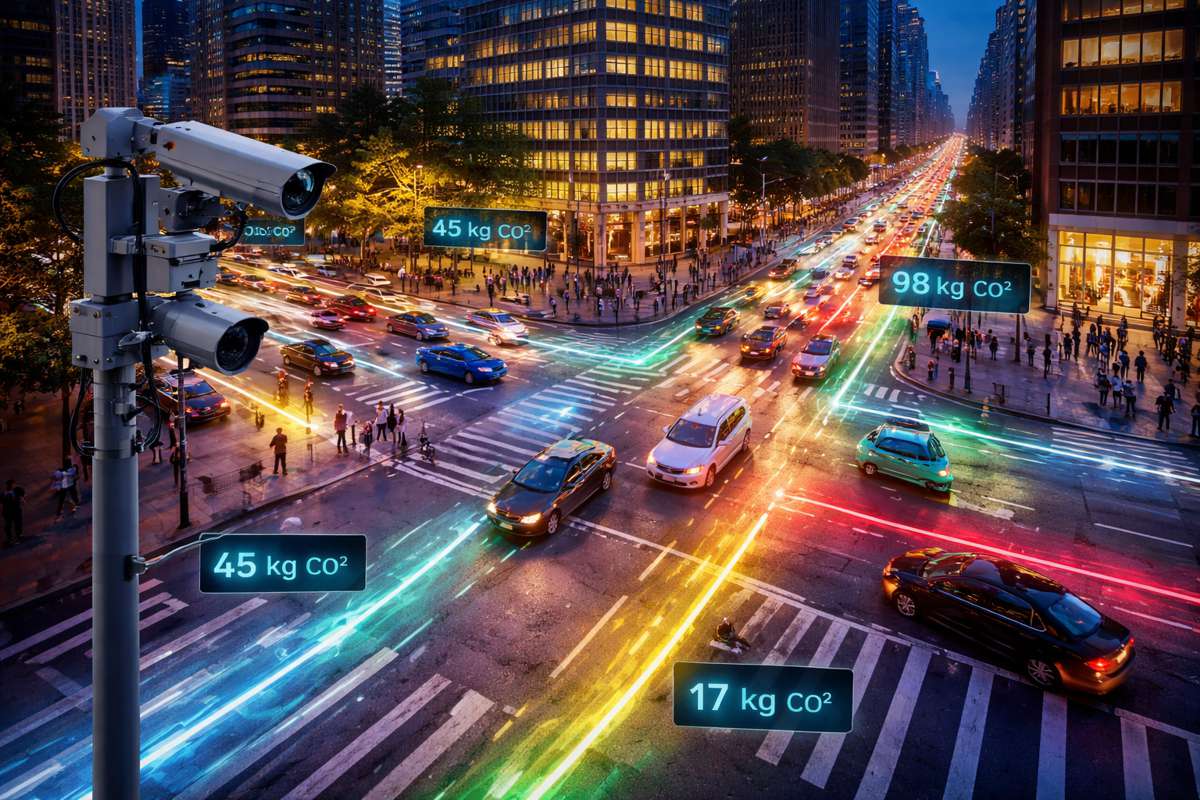
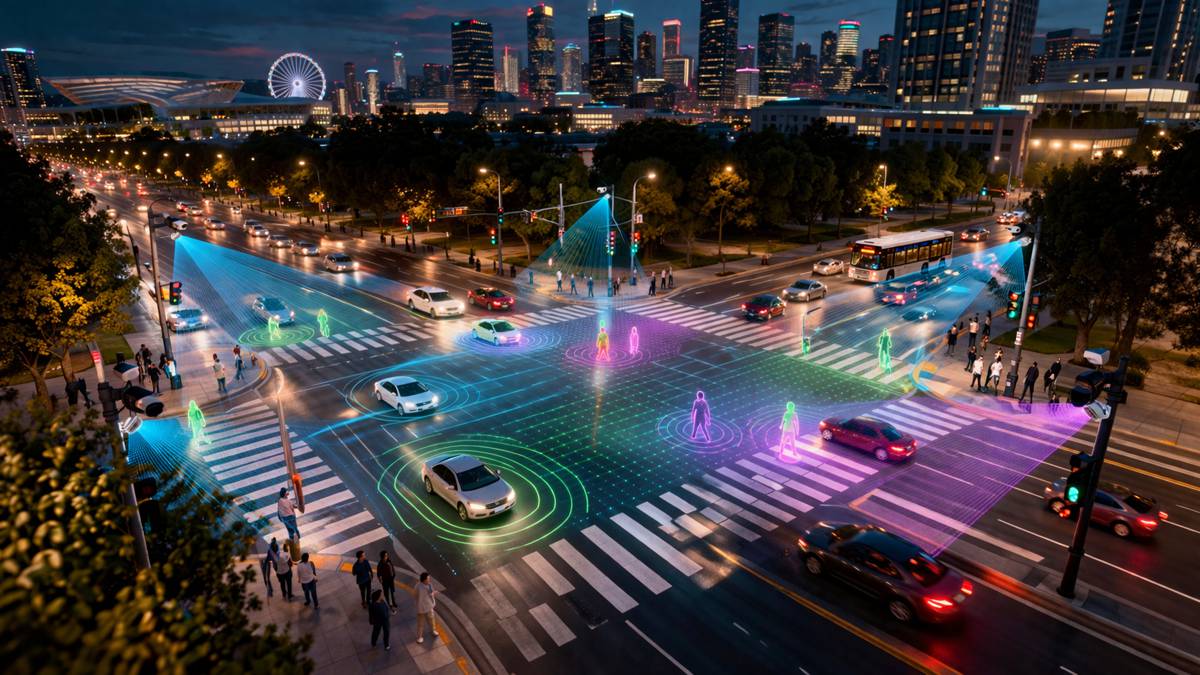
This platform will consolidate data from multiple sources, including environmental monitoring sensors, operational databases and weather forecasting systems. By bringing these datasets together, operators gain a single, coherent view of city-wide green infrastructure performance. The result is faster decision-making, improved coordination and the ability to move from reactive management to predictive and preventative operations.
From Data Integration To Predictive Intelligence
At the operational level, the system is designed to support real-time monitoring of irrigation networks, park lighting and associated urban assets. Advanced analytics will enable predictive insights, helping operators anticipate issues before they escalate into service disruptions or resource inefficiencies.
Equally important is the platform’s scalability. As Green Riyadh expands, the system can incorporate additional city assets and datasets, supporting future phases of development without the need for fundamental redesign. This approach aligns closely with emerging smart city frameworks, where modular, interoperable systems replace siloed technologies.
A System Of Systems Approach
Yokogawa’s involvement reflects its broader philosophy of connecting independently operated systems into a larger, value-generating whole. This concept was highlighted by Kunimasa Shigeno, President and CEO of Yokogawa Electric Corporation, who stated:
: We are proud to be entrusted to work on such a large-scale urban transformation project. This project aligns with Yokogawa’s goal to deliver synergies and new value through the system of systems approach, in which independently operated and managed systems are connected to form a larger system. We look forward to contributing to similar initiatives in the region and globally.
This approach is particularly relevant in urban environments, where water, energy, transport, lighting and public services are traditionally managed by separate entities. Digital integration creates opportunities for efficiency gains that extend well beyond individual systems.
Smart Cities And Global Best Practice
Green Riyadh sits within a broader global movement towards data-driven urban greening. Cities such as Singapore, Melbourne and Barcelona have demonstrated how digital platforms can optimise irrigation, reduce maintenance costs and enhance public engagement with green spaces.
What differentiates Riyadh’s programme is its scale and its integration within a national transformation strategy. By embedding digital control at the core of the project from the outset, the city avoids the costly retrofitting challenges faced by earlier smart city initiatives. This positions Green Riyadh as a reference model for other rapidly growing urban centres, particularly in arid and semi-arid regions.
Supporting Vision 2030 Objectives
Saudi Vision 2030 places strong emphasis on sustainability, quality of life and economic diversification. Green Riyadh directly supports these objectives by creating healthier urban environments while stimulating innovation across environmental management, digital services and infrastructure operations.
The involvement of global technology providers such as Yokogawa also contributes to knowledge transfer and capability development within the Kingdom. Localised delivery through Yokogawa Saudi Arabia ensures that international expertise is combined with regional understanding, strengthening long-term operational resilience.
Yokogawa’s Broader Industrial Footprint
Founded in Tokyo in 1915, Yokogawa has built a global reputation in measurement, control and industrial information systems. Today, the company serves customers across energy, chemicals, materials, pharmaceuticals and food production, addressing challenges related to asset optimisation, supply chain efficiency and operational safety.
With more than 17,000 employees across a network of 128 companies in 62 countries, Yokogawa continues to expand its role in enabling digital transformation. Its solutions increasingly support the transition towards autonomous operations, where advanced analytics and integrated control systems reduce human intervention while improving reliability and performance.
Urban Infrastructure As A Digital Asset
Projects such as Green Riyadh highlight a shift in how cities are designed and managed. Green spaces are no longer passive amenities but active infrastructure assets, supported by data, analytics and automated control. This evolution demands a new generation of command and control centres capable of managing complexity at scale.
By providing the digital backbone for Green Riyadh, Yokogawa is helping to redefine what urban greening looks like in the twenty-first century. The project demonstrates how environmental ambition, when paired with robust digital infrastructure, can deliver tangible benefits for citizens, operators and policymakers alike.
A Greener Capital With Global Influence
As Riyadh moves towards its 2030 targets, the success of Green Riyadh will be closely watched by cities around the world. The integration of treated wastewater, large-scale afforestation and advanced control systems offers a compelling blueprint for sustainable urban development in challenging climates.
For Yokogawa, the project reinforces its growing role beyond traditional industrial sectors, extending its expertise into the realm of smart cities and national infrastructure programmes. For Riyadh, it marks another decisive step towards becoming one of the world’s most liveable and environmentally responsive capitals.