IsDB Mobilises $1.36 Billion in Development Finance for the Region
The Islamic Development Bank has approved a substantial new financing package worth approximately US$ 1.365 billion, marking one of the most wide ranging rounds of development support in recent months. Endorsed during the 363rd meeting of the Board of Executive Directors, the approvals span 14 operations across 12 member countries, reflecting a deliberate focus on infrastructure, energy transition, water security, food systems, and human capital.
Chaired by the Bank’s President, H.E. Dr. Muhammad Al Jasser, the session reinforced the institution’s role as a development partner rather than a passive lender. The projects are structured to strengthen economic resilience, improve access to essential services, and maintain momentum toward the Sustainable Development Goals. In practical terms, that means roads that keep trade moving, power systems that are cleaner and more reliable, water infrastructure that can withstand climate pressure, and social investments that build long term capacity.
Transport Corridors as Economic Arteries
Transport infrastructure commands a significant share of the approved financing, underscoring its importance to regional integration and trade competitiveness. One of the largest allocations, EUR 306.89 million, has been committed to Benin’s Godomey–Ouidah–Hillacondji Road Capacity Expansion and Upgrading Project. This corridor forms a critical section of the Abidjan–Lagos route, one of West Africa’s busiest economic spines.
By expanding capacity and improving road quality, the project is expected to reduce travel times, lower logistics costs, and enhance road safety. Beyond Benin’s borders, the upgraded corridor will support cross border commerce and mobility along the Gulf of Guinea, benefiting exporters, importers, and local communities alike.
Strategic Highway Upgrades in West Africa and the Middle East
Côte d’Ivoire will receive EUR 200 million to modernise the Tafiré–Ferkessédougou section of the A3 highway. This route is a vital connector between central and northern regions, and it serves as a gateway for landlocked neighbouring countries. Improved pavement standards and safer alignments are expected to boost freight efficiency while supporting domestic mobility.
In Bahrain, US$ 180.72 million has been approved for the King Faisal Highway Upgrade Project in Manama. Urban congestion has long been a challenge for the capital, and the project aims to ease traffic pressure while improving overall network performance. Meanwhile, Lebanon will benefit from US$ 13.50 million for the construction of the Bqerqasha Diversion and the upgrading of the Bqerqasha–Bcharre road. For local communities, the impact is immediate, with safer access, improved connectivity, and reduced isolation in mountainous areas.
Accelerating the Energy Transition
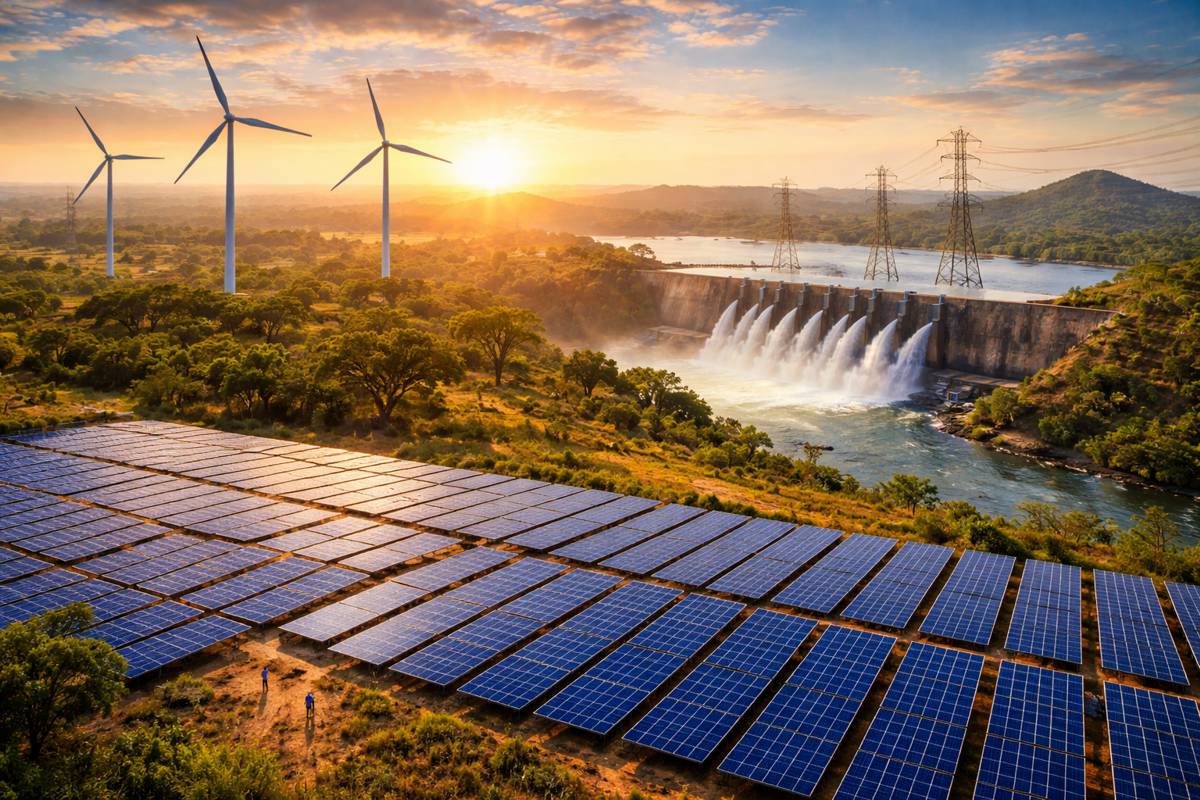
Energy projects approved in this round highlight a clear commitment to renewable generation and regional power integration. Uzbekistan stands out with US$ 110 million allocated to the Samarkand I and Samarkand II utility scale solar photovoltaic projects, including battery storage. These installations will add significant solar capacity to the national grid while improving stability through energy storage.
In Mauritania, EUR 55.19 million has been approved for the Mauritania–Mali Electricity Interconnection and associated solar power plants. By linking the two national power systems, the project will deliver cleaner and more reliable electricity to communities such as Aweinat and Nema. Cross border interconnections of this nature are increasingly seen as essential for energy security, allowing countries to balance supply and demand while integrating renewable sources more effectively.
Managing Water Stress in a Changing Climate
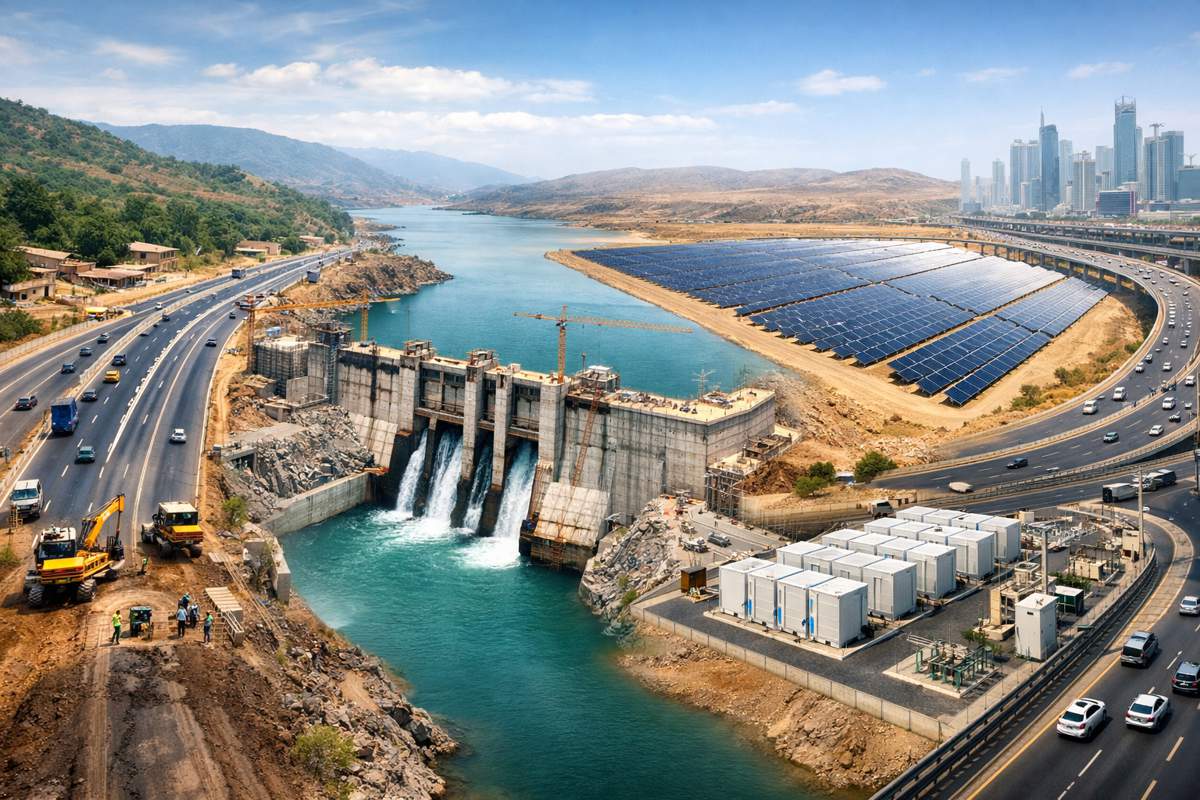
Water security remains one of the most pressing development challenges, particularly in regions exposed to climate variability. Morocco will receive EUR 188.82 million for a comprehensive Mitigating Water Stress Project. The financing will support dam construction and related infrastructure designed to secure water supplies and transfer surplus resources from northern basins to more arid southern regions.
Complementing this effort, an additional EUR 18.23 million has been approved for Morocco’s Inland Aquaculture Value Chain Development Project. By expanding inland fish farming, the initiative aims to diversify rural incomes, create employment, and strengthen food security while making efficient use of available water resources.
Strengthening Urban Water and Sanitation Systems
In Sierra Leone, EUR 25.93 million has been allocated to the Freetown WASH and Aquatic Environment Revamping Project. Greater Freetown faces mounting pressure on water and sanitation services due to rapid urbanisation. The project will improve service delivery while restoring critical watershed areas that underpin long term water availability.
Such investments are increasingly recognised as foundational to public health, urban resilience, and economic productivity. Reliable water and sanitation services reduce disease burden, support education outcomes, and make cities more attractive for investment.
Climate Resilient Agriculture and Rural Livelihoods
Agriculture and rural development feature prominently among the approved operations. Cameroon will receive EUR 36.66 million for the Sustainable Irrigation and Agricultural Value Chain Development Project. The programme is designed to support climate resilient irrigation systems, improved agricultural inputs, and better rural infrastructure, helping farmers adapt to changing weather patterns while improving productivity.
Jordan’s Rural Employment and Agricultural Growth Program, known as HOPE, will benefit from US$ 11.25 million in financing. The initiative focuses on rural job creation and agricultural productivity, with particular attention to women and youth. Improved access to finance, skills development, and stronger market linkages are expected to translate into more resilient rural economies.
Investing in Health Infrastructure
Health sector investments approved by the Board reflect a focus on targeted, high impact facilities. In Mauritania, EUR 61.41 million has been allocated for the establishment of a Referral Hospital for Maternal, Neonatal and Child Health in Nouakchott. The planned 440 bed facility will expand access to specialised care for women and children, addressing critical gaps in maternal and child health services.
Well designed health infrastructure not only improves clinical outcomes but also strengthens national health systems, supporting workforce development and resilience against future health shocks.
Education and Skills for Future Growth
Human capital development rounds out the approval package. Tajikistan will receive US$ 13.95 million for the Tourism Business Education Development Project. The initiative aims to upgrade tourism and hospitality education while strengthening a national training centre that will serve as a regional hub, with a particular focus on Halal tourism.
Pakistan has been allocated US$ 10.00 million through the Islamic Solidarity Fund for Development to support the Out of School Children Project in Azad Jammu and Kashmir. The objective is to restore the right to education for children who have been excluded from formal schooling by expanding equitable access to inclusive, quality, and climate resilient learning opportunities.
A Cohesive Development Agenda
Taken together, the approvals illustrate a coherent development strategy that balances hard infrastructure with social investment. Roads, power plants, and water systems lay the groundwork for economic activity, while health, education, and rural development initiatives ensure that growth is inclusive and sustainable.
The scale and diversity of the approved projects demonstrate the Bank’s continued commitment to supporting member countries as they navigate economic uncertainty, climate pressure, and demographic change. By closing infrastructure gaps, accelerating the energy transition, and strengthening community development, this latest financing package reinforces the role of development finance as a catalyst for long term progress.