Tiled Roads are Reinventing Urban Surfaces for Safety, Style, and Sustainability
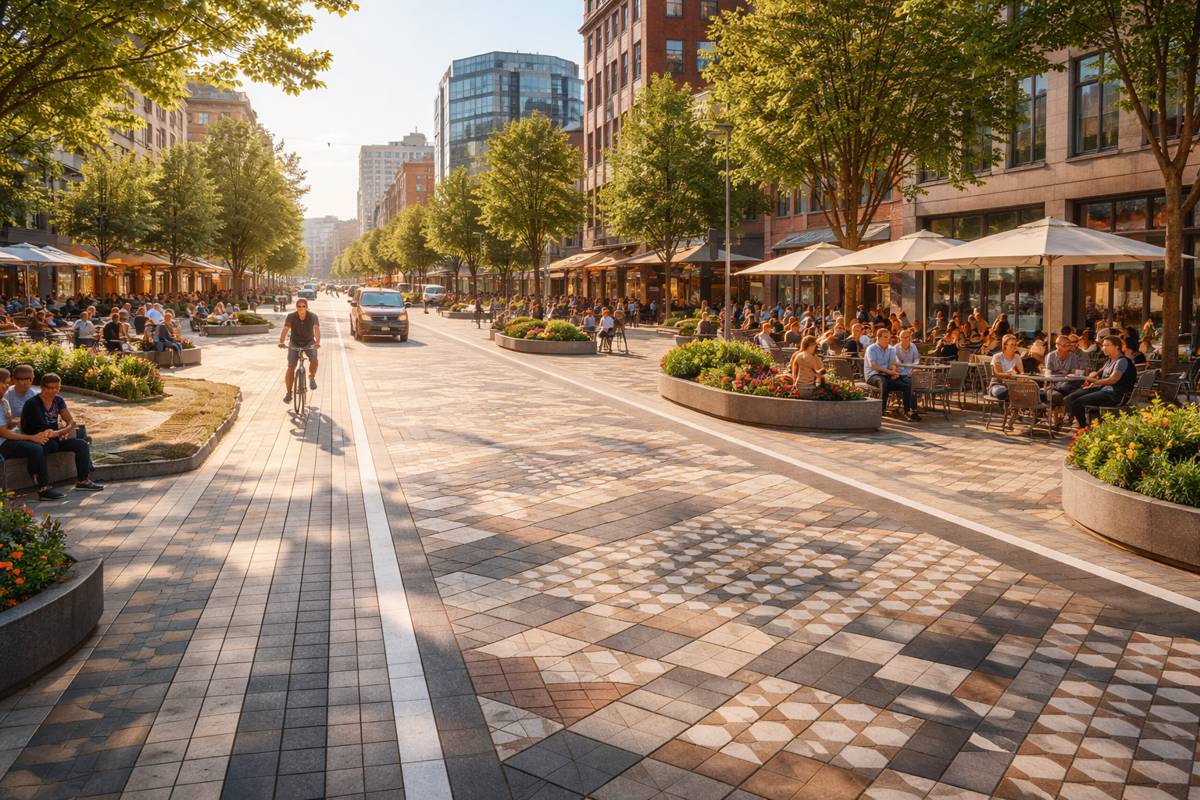
Urban infrastructure is evolving, and cities are exploring innovative ways to make streets safer, more durable, and visually interesting. While asphalt, concrete, and other similar materials have long been the construction material of choice for roads, tiled roads are gradually making their mark as a fascinating alternative. Not only for their aesthetic appeal, but tile roads are beneficial in various ways to city planners, pedestrians, and drivers.
For those interested in learning how tiles might be used to change environments, browsing for options from an online tile store can provide a sense of what is possible in terms of texture, finish, and resilience. Those ideas can influence or inspire how tiles can be used in urban design.
Emergence of Tiled Roads
Tiles are heat and wear-resistant, helping cities stay cooler and reduce surface damage. They allow for easy replacement of defective areas by swapping out individual tiles to avoid resurfacing an entire area when repairs are done. But the more radical concept is the rethinking of the tiled street as a reimagination of public space.
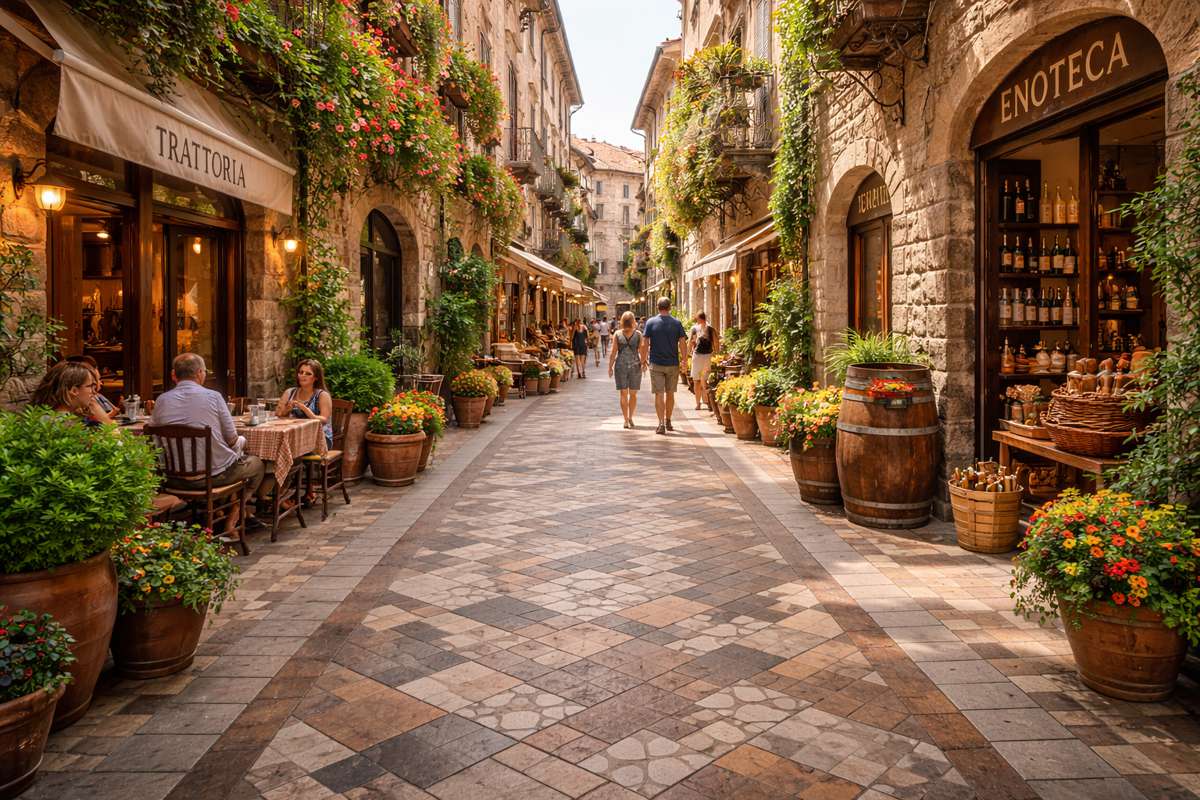
They are not treated as simple ground coverings, but as part of the experience of moving through a city. Today, cities such as Barcelona, Paris, and Dubai are carrying forward this approach for pedestrian paths, spaces, and quieter routes. Tile patterns that create a link between functionality, durability, and a sense of place help create surfaces that are more than mere paths to tread.
This has been the Paris approach for many years. Their covered passages offer an example of what surface design should achieve, which is directing people’s traffic flow while still encouraging people to linger around.
Advantages of Tiled Surfaces
1. Wear-Resistance
High-quality tile, like porcelain or natural stone, resists heavy traffic, weather changes, and exposure to chemicals. Tiles provide a durable, long-lasting surface compared to asphalt, which often develops holes or cracks as it ages.
2. Sustainability
Many tile options are made from recycled materials and through processes that reduce environmental impact. Using tiles that are long-lasting can also make a contribution to sustainability because fewer replacements are required.
3. Aesthetic Flexibility
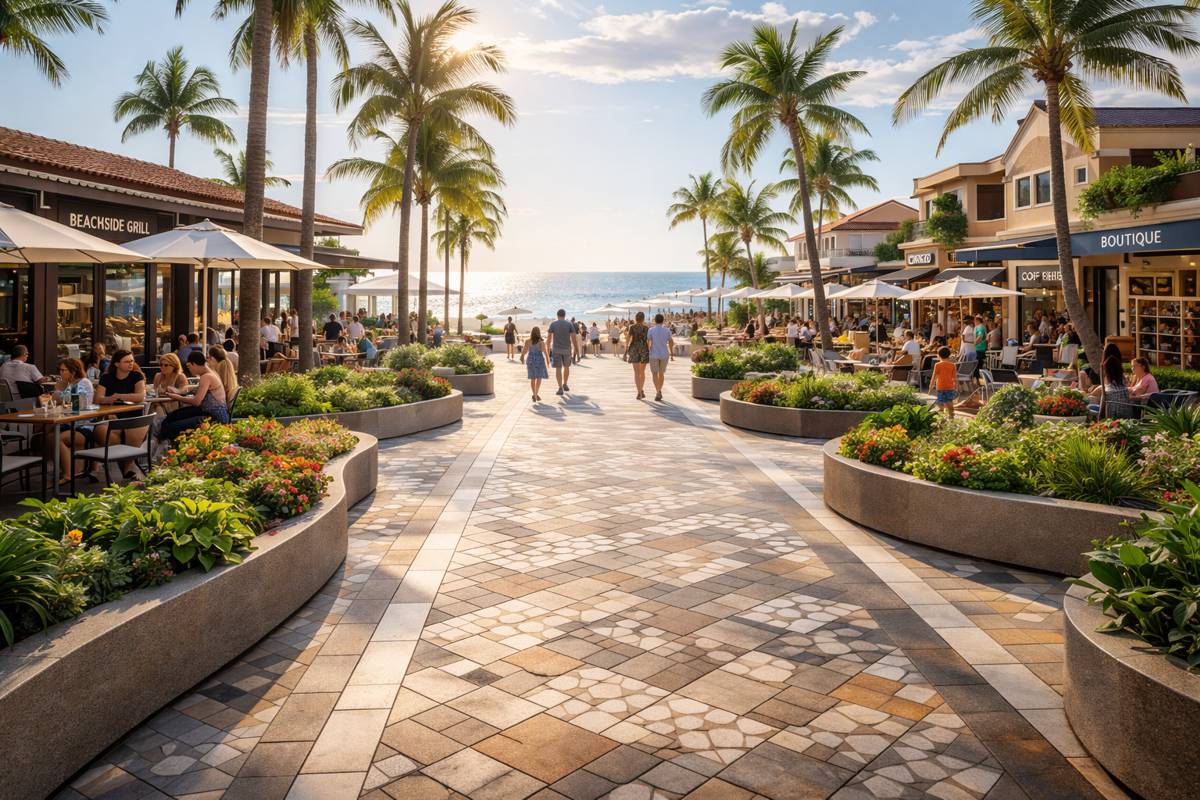
Tiles provide endless possibilities for design. They can be used to distinguish areas, uplift tourist sites, and even make roads aesthetically pleasing. Simple plazas around cities can be designed in a tile pattern to become city landmarks.
4. Design Adaptability
One of the most alluring advantages that comes with tile roads is the degree of customization that they enable. Tiles are laid in either herringbone, chevron, or geometric patterns, each providing its own distinctive aesthetic.
Urban planners can provide themed routes, such as:
- Historic districts: Classic stone look tiles that complement traditional architecture.
- Modern areas: Current tile designs that align with urban aesthetics.
- Recreational areas: Using colourful or patterned tiles to encourage activity and exploration.
Even minor design features, such as a tile pattern or finish, can increase the safety and appeal of a pedestrian area. Urban designers will frequently look at tile design in interior or landscaping applications, where all matters concerning durability, traction, and beauty are taken into account.
Lessons from Indoor & Outdoor Tile Usage
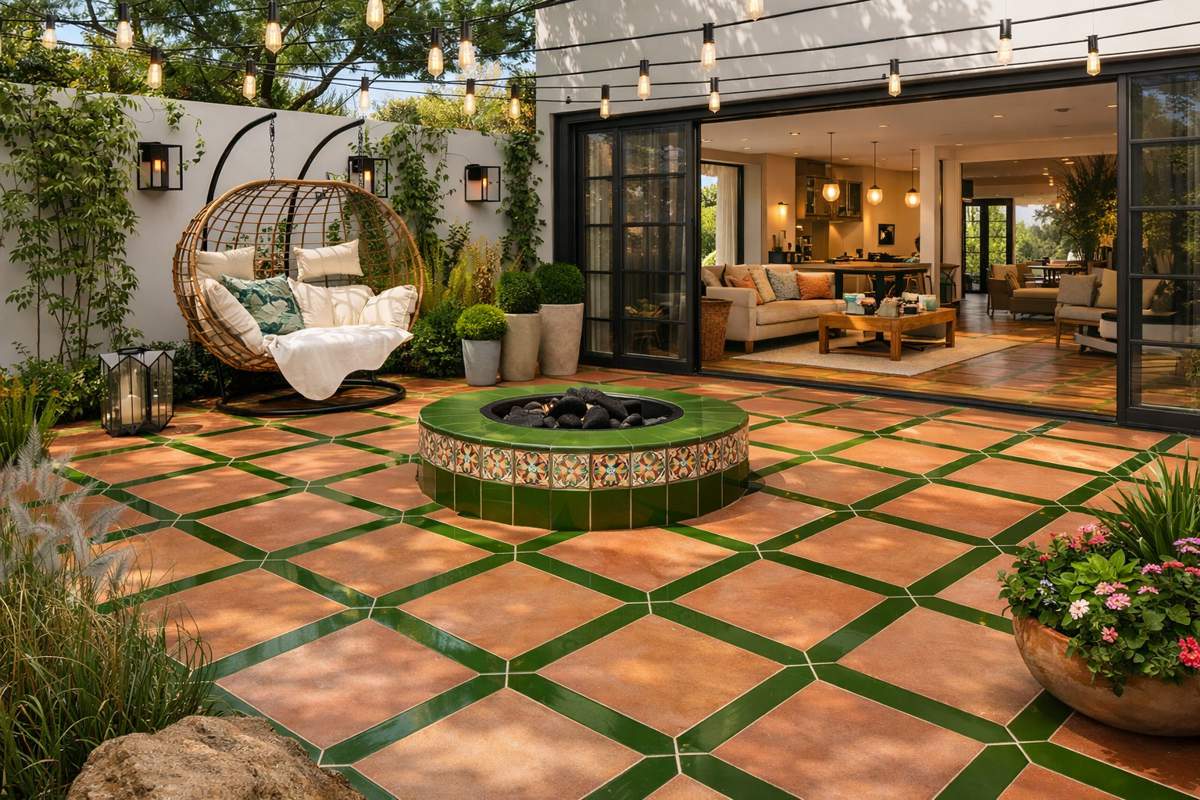
Findings and experiences from residential and commercial tile installation work can also apply to urban tile installation. While indoor tiles prioritize durability, slip resistance, and water tolerance, outdoor tiles require these traits plus the ability to withstand changing weather conditions.
Porcelain tiles, for instance, can withstand harsh weather conditions and can be used on walkways, public squares, and even high-traffic roads. Additionally, textured finishes resemble natural stone and can prevent slipping.
Urban Tiling Factors to Consider
Although tile roads provide several advantages, there are factors for the planner to take into account:
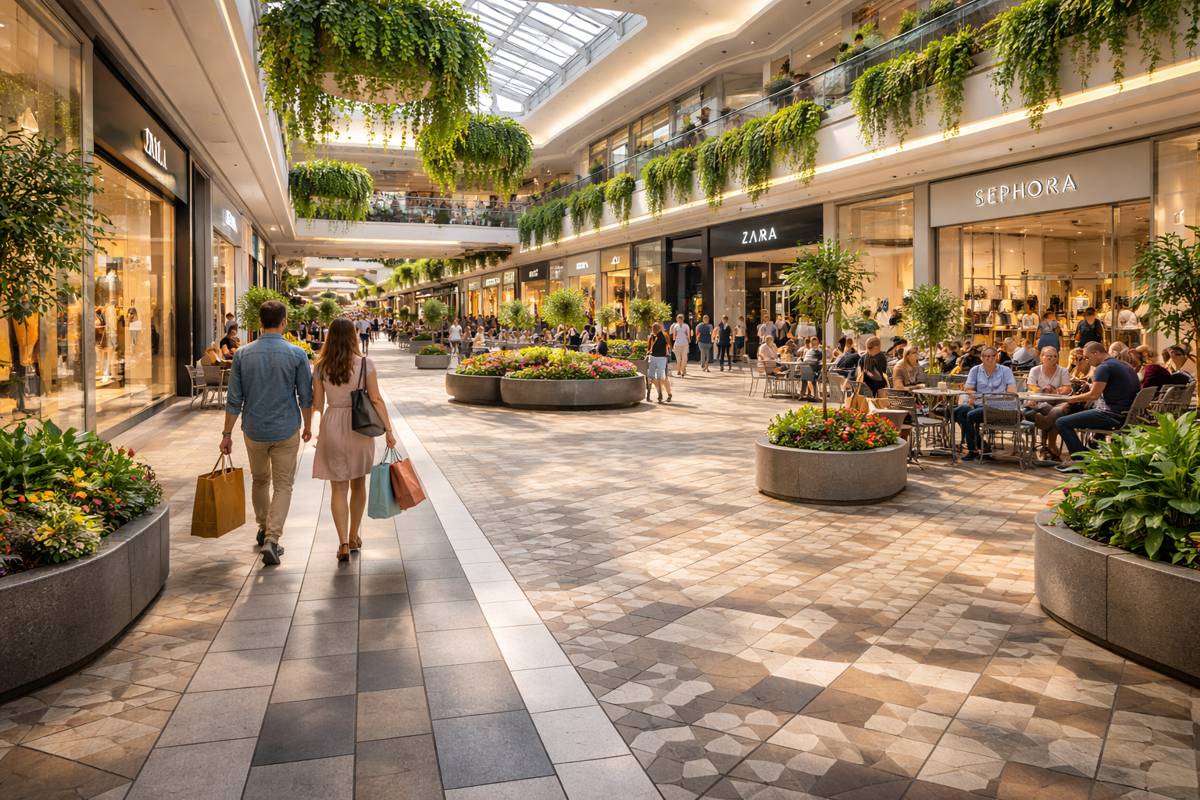
- Installation Costs: High-quality tile may be more expensive to install compared to asphalt, but decreased maintenance may result in a payback in the long run.
- Maintenance: Tiles should be checked periodically to preserve the final surfaces. However, the replacement of tiles is quite easy.
In areas that receive low traffic, hybrid systems, where interlocking tiles and traditional paved surfaces are used, are usually the most optimal solutions regarding costs and aesthetics.
Worldwide Examples of Tiled Urban Spaces
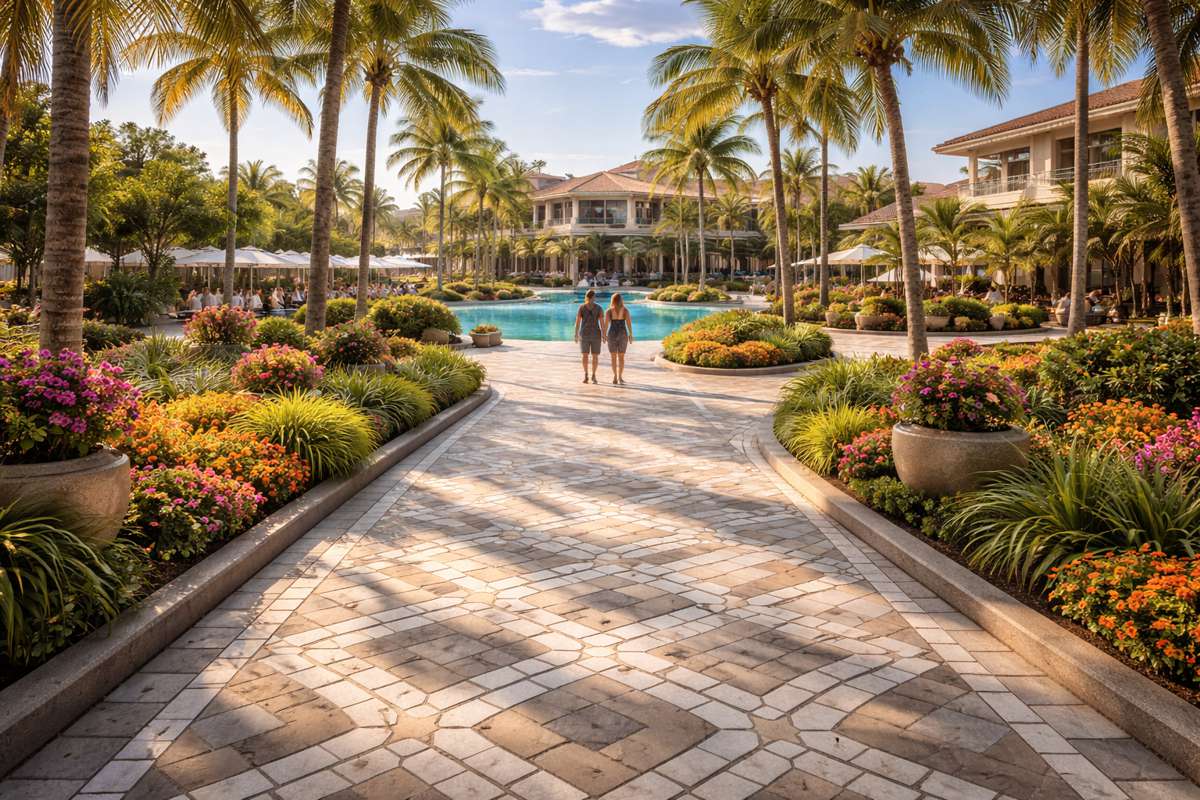
- Barcelona, Spain: Pedestrian areas include tiled squares, where designs mix past styles with modern elements, which helps create functional, aesthetically pleasing spaces.
- Dubai, UAE: Some areas use tiles for cycling paths and walkways. The reflection aspect provides increased visibility while giving the road a very modern appearance.
- Copenhagen, Denmark: Non-porous tiles make streets durable and easy to maintain, while well-designed drainage prevents water build-up.
As illustrated by these examples, tiles on roads are not merely aesthetic elements, as they can make roads safer, cleaner, and more sustainable.
The Future of Tiled Streets
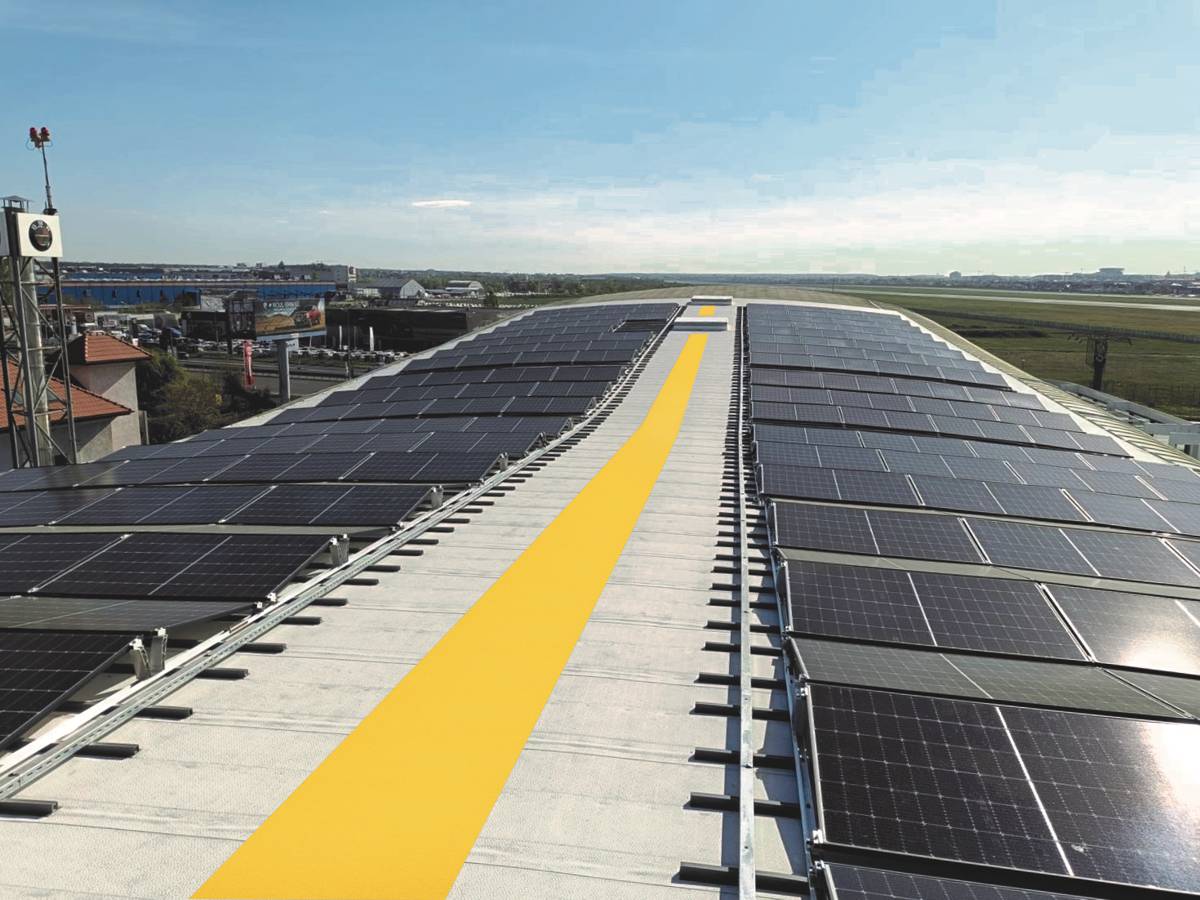
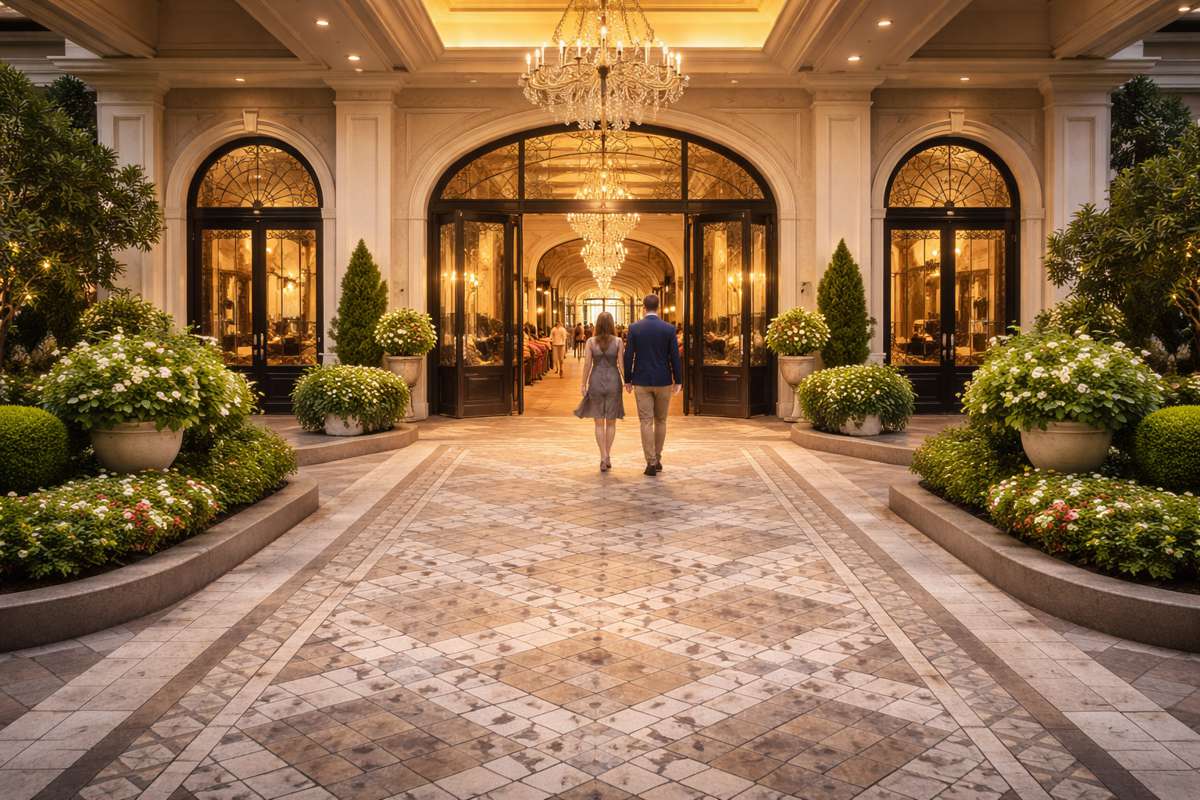
Looking ahead, tiled roads can include technology like solar panels, sensors, and/or LED lights in order to make the functionality of the city better. Reflective surfaces are useful in increasing visibility and safety.
As a result of material, color, and finish options, cities can make streets that are functional, sustainable, and stunning. This can indeed be likened to just how well-designed tiles can make interiors excel in both functionality and aesthetic appeal.
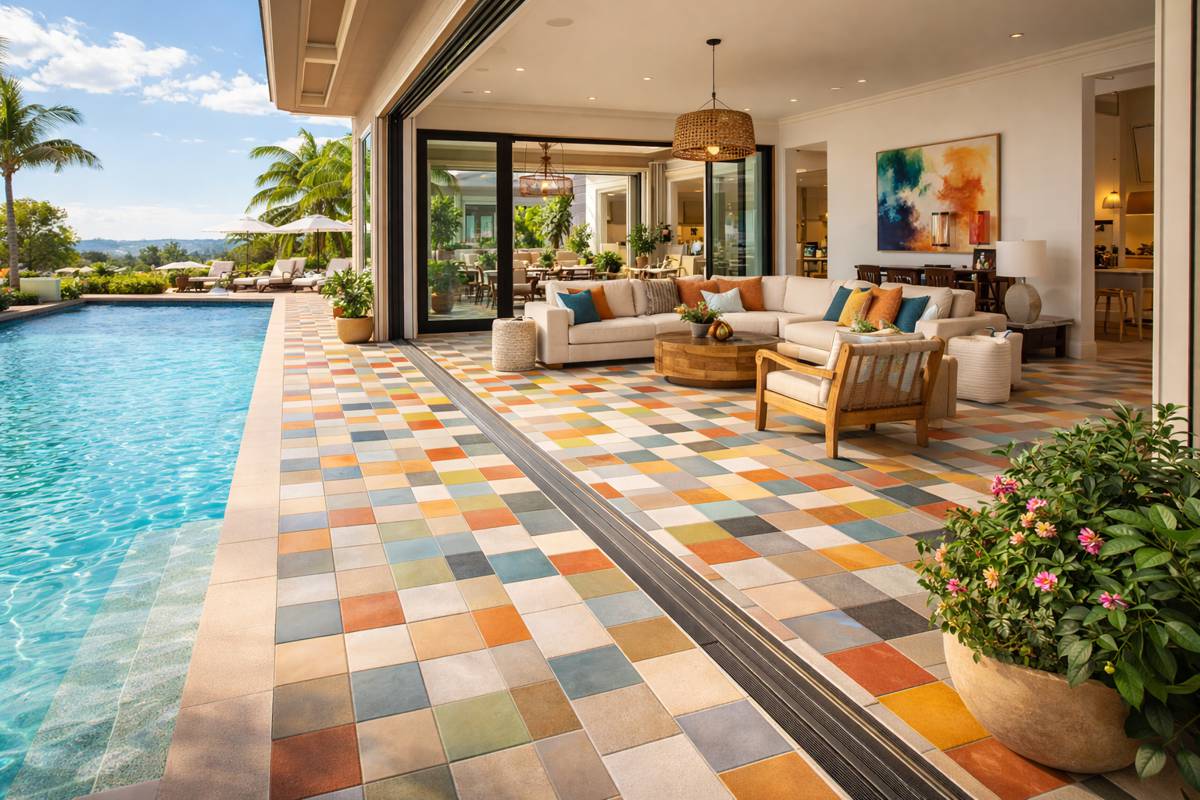
Collections for Inspiration
Tiled roads provide a distinct combination of functionality and aesthetic value. They help cities transform the ways they have always worked and provide spaces that are safe and sustainable. Urban designers may be encouraged to look to contemporary tile collections for inspiration.
Checking a tile website might introduce them to what modern tiles can deliver in terms of texture and style, which could be used to influence outdoor spaces such as walkways and plazas. Strategic integration of tiles helps cities that value innovation blend it with everyday functionality. This helps them realize that even the area where they walk can be part of an improved urban environment.