EBRD Investing in a Greener Rail Future for North Macedonia
North Macedonia is taking a decisive step towards a cleaner, more competitive freight transport system. With a €20.9 million sovereign loan approved by the European Bank for Reconstruction and Development, the country is set to modernise its rail sector through the acquisition of new electric locomotives and the deployment of a modern enterprise resource planning system. At a time when rail is once again being recognised as a strategic backbone of sustainable logistics, this investment places the country firmly on the right track.
The financing will support Macedonian Railways Transport Joint Stock Company Skopje, commonly known as MRT, enabling it to replace ageing rolling stock, modernise internal processes, and strengthen its long term operational and financial resilience. Beyond the hardware and software, the project introduces a structured corporate development plan designed to align the national rail freight operator with European Union standards and regional reform priorities.
Strategic Investment Backed by the EBRD
The European Bank for Reconstruction and Development is extending a loan of up to €20.9 million to North Macedonia with the explicit goal of strengthening the rail freight sector. The project is being implemented by the Ministry of Transport, with support from the Ministry of Finance, underscoring its strategic importance at the national level.
For the EBRD, rail remains a cornerstone of its sustainable transport portfolio across Central and South Eastern Europe. Electrified rail freight delivers lower emissions per tonne kilometre than road transport, reduces congestion, and improves safety. In the Western Balkans, where ageing rolling stock and underinvestment have historically constrained rail performance, targeted modernisation projects such as this one are seen as catalysts for broader economic integration.
New Electric Locomotives for Modern Freight Operations
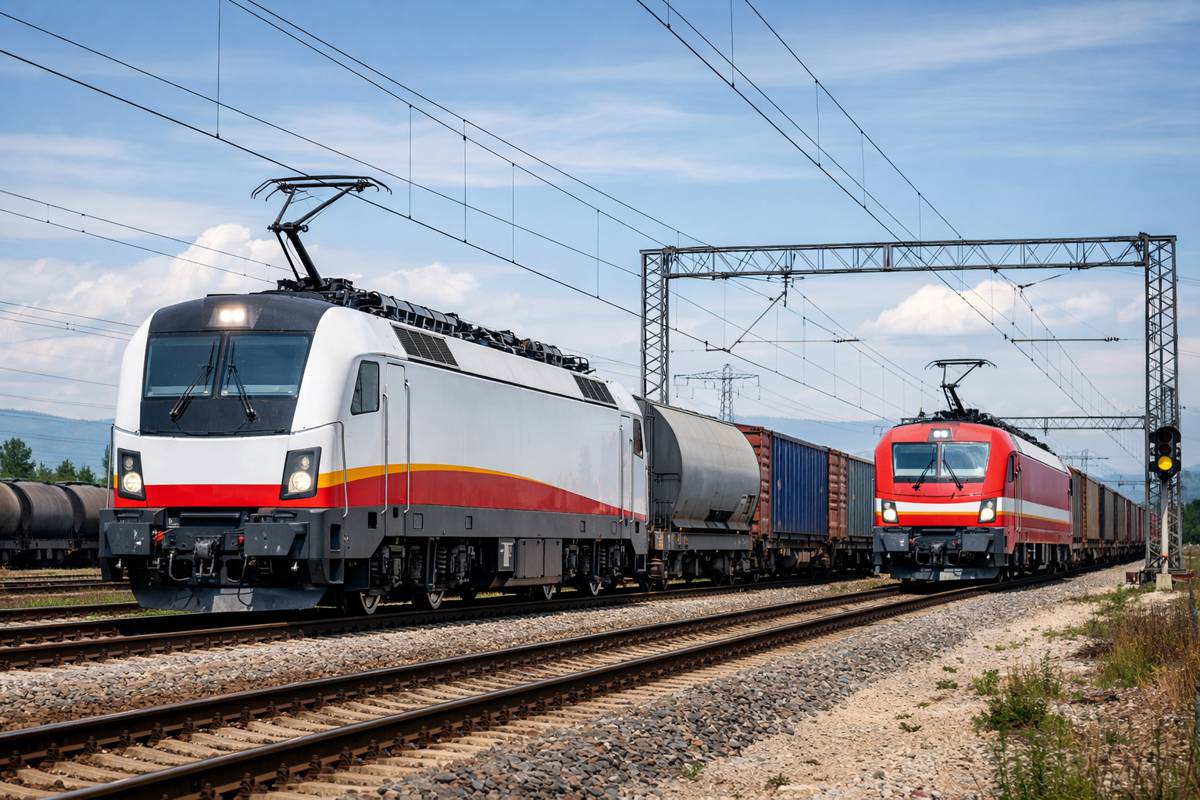
At the heart of the investment is the procurement of up to five new electric locomotives, complete with spare parts. These units will significantly upgrade MRT’s operational capability, complementing the four newer locomotives already in service. Once deployed, the company will operate a fleet of nine modern electric locomotives capable of fully covering cargo transportation needs, with some units also supporting passenger services.
Modern electric locomotives offer clear advantages. They deliver higher reliability, lower maintenance costs, and improved energy efficiency compared with older diesel or first generation electric units. For freight operators, this translates directly into better punctuality, higher asset utilisation, and improved service quality for customers, particularly export oriented industries that rely on predictable logistics.
Digital Backbone Through a Modern ERP System
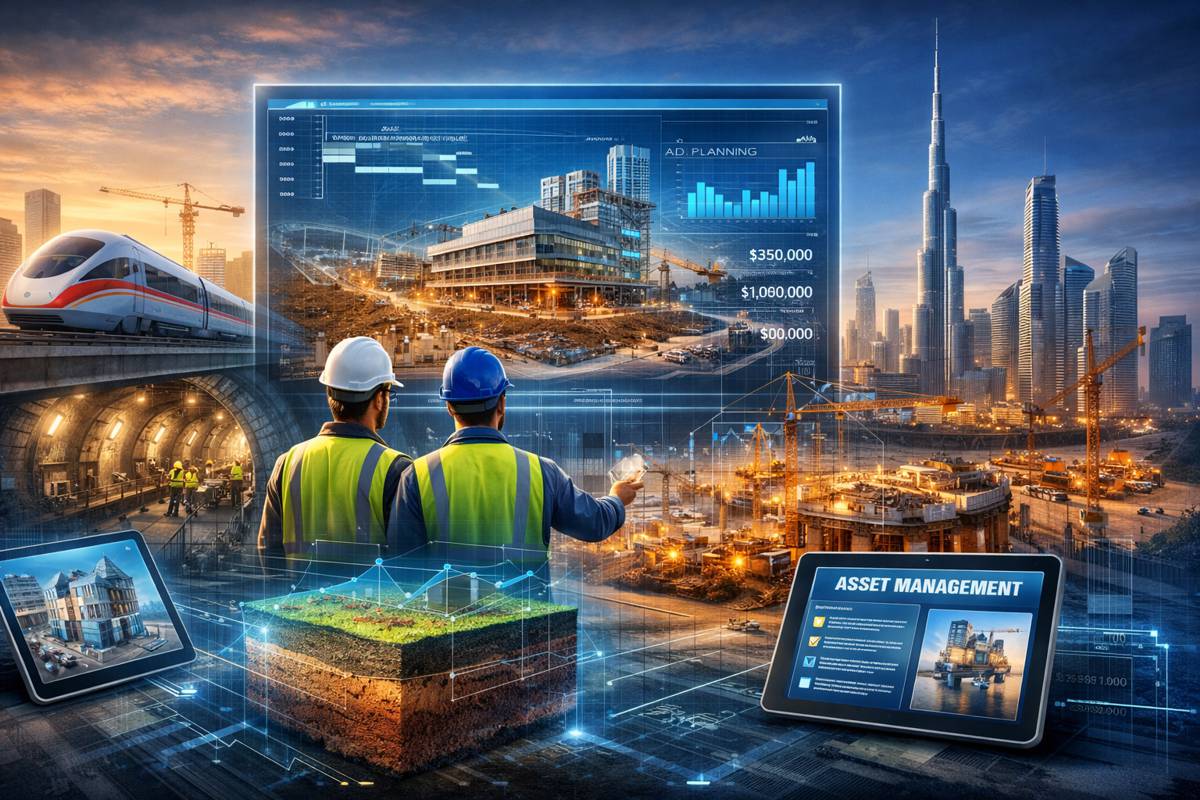
Alongside rolling stock renewal, the project introduces a modern enterprise resource planning system. For MRT, this represents a fundamental shift in how the business is managed on a day to day basis. A contemporary ERP platform integrates finance, procurement, asset management, human resources, and operations into a single digital framework.
By streamlining core business processes, the ERP system is expected to drive measurable gains in operational efficiency. Improved data visibility will support better decision making, enhance cost control, and strengthen financial reporting. Over time, digitalisation will also enable MRT to align more closely with international railway operators, making cross border cooperation and interoperability smoother and more transparent.
Enhancing Safety, Quality, and Reliability
Rail freight competitiveness depends not only on speed and cost, but also on safety and reliability. The introduction of new locomotives and modern management systems is expected to significantly improve safety performance across MRT’s operations. Newer rolling stock incorporates advanced safety features, while digital systems reduce the risk of human error in planning, maintenance, and financial controls.
Quality improvements are equally important. Customers increasingly demand consistent service levels, accurate tracking, and transparent pricing. The combination of modern traction assets and integrated digital processes positions MRT to respond more effectively to these expectations, strengthening confidence in rail as a viable alternative to road haulage.
Corporate Development and Financial Sustainability
A defining feature of the project is the development of a comprehensive corporate development plan for MRT. This plan is designed to improve efficiency and enhance the company’s financial sustainability, addressing structural challenges that have affected many state owned railway operators across the region.
The plan will include the creation of a detailed efficiency action plan, with specific measures aimed at refining MRT’s tariff methodology. Updates and harmonisation of the public service obligation methodology will be undertaken in line with European Union requirements, improving transparency and ensuring fair compensation for socially necessary services. These reforms are critical for placing the company on a stable financial footing while maintaining its public service role.
Supporting Inclusion and Gender Equality
Beyond technical and financial reforms, the project also incorporates social objectives. It includes measures to support gender equality and foster a more inclusive and progressive workplace at MRT. In a traditionally male dominated sector, such initiatives are increasingly recognised as essential for attracting new talent, improving organisational culture, and enhancing overall performance.
By embedding inclusion within a broader modernisation programme, the project reflects a growing understanding that sustainable transport systems depend as much on people and governance as they do on infrastructure and technology.
Driving Economic and Environmental Benefits
The economic and environmental rationale for the investment is compelling. Electrified rail freight produces significantly lower carbon dioxide emissions than road transport, particularly when powered by increasingly decarbonised electricity grids. By improving the competitiveness of rail, the project supports North Macedonia’s transition towards a greener transport system.
Economically, more efficient rail freight strengthens the country’s position within regional and European transport corridors. Improved connectivity reduces logistics costs for exporters, enhances supply chain resilience, and supports private sector growth. In turn, these effects contribute to job creation and help address broader challenges such as population outflows.
Voices from Government and the EBRD
The strategic importance of the investment has been emphasised by senior representatives from both the EBRD and the North Macedonian government.
Fatih Turkmenoglu, EBRD Head of North Macedonia, said: “This investment represents an important advancement in enhancing the nation’s rail freight industry. By supporting the renewal of rolling stock and corporate improvements to the national railway operator, the EBRD is helping boost the competitiveness, safety and sustainability of the country’s transport network. The project will not only deliver tangible environmental benefits but also set new standards for operational excellence and equal opportunity in the sector. It is an important investment that will enable the country’s export oriented businesses to integrate into global value chains. This will enhance private sector competitiveness and create jobs, ultimately supporting the country in tackling population outflows.”
From a fiscal perspective, the financing terms have been highlighted as both responsible and sustainable. Gordana Dimitrieska Kočoska, Minister of Finance, said: “The loan agreement that we are signing today with the European Bank for Reconstruction and Development, in the amount of €20.9 million, is the result of intensive and constructive negotiations and is a confirmation of the trust that international financial institutions have in our policies and in the direction in which the country is moving. The conditions under which the funds are provided, a long term repayment period, a favourable grace period and a competitive interest rate, are fully in line with our strategy for responsible management of public debt and ensuring sustainable public finances. As the Ministry of Finance, we remain fully committed to providing financial support for projects that bring long term economic value, stimulate development and improve the country’s connectivity with regional and European transport corridors.”
Operational impacts were underlined by the Ministry of Transport. Aleksandar Nikoloski, Minister of Transport, said: “I am glad that today we have the opportunity to complete an extremely important process that will entail the procurement of at least five new electric locomotives, along with accompanying spare parts. With the new fleet of five locomotives and the existing four newer ones, we will have nine modern ones that will be able to fully cover cargo transportation, and some of them will also be used in passenger traffic.”
Alignment with European Reform Agendas
The project is fully aligned with MRT’s existing business plan and action plan for restructuring and development. It also adheres to the requirements set out in the European Union Reform Agenda for the Western Balkans, which aims to enhance the management and performance of state owned railway enterprises across the region.
Such alignment is essential for unlocking future investment and ensuring interoperability with neighbouring rail networks. As North Macedonia continues its path towards closer integration with European transport systems, modern, efficient, and financially sustainable rail operators will be a prerequisite rather than an aspiration.
A Long Standing Partner in Development
The EBRD remains one of the most significant institutional investors in North Macedonia. To date, it has invested more than €3 billion across 207 projects in the country, spanning transport, energy, municipal infrastructure, and private sector development.
This latest rail investment builds on a long history of cooperation and signals continued confidence in the country’s reform trajectory. By combining modern equipment, digital systems, and corporate governance reforms, the project offers a practical blueprint for how targeted investment can deliver lasting economic, environmental, and social returns.