Renewable Energy and Logistics Infrastructure Investments in Kazakhstan
Kazakhstan’s push to modernise its energy and logistics backbone has taken a decisive step forward with new financing from the European Bank for Reconstruction and Development. The multilateral lender has agreed to provide up to €25 million in long term funding to Sarens Kazakhstan, reinforcing the country’s capacity to deliver complex industrial projects at scale. The investment comes at a time when Central Asia is seeing rising demand for renewable energy assets, heavy transport corridors, and specialised installation capabilities.
The project financing reflects a wider regional shift. Kazakhstan is no longer positioned solely as a resource exporter but increasingly as a logistics and energy hub linking Europe and Asia. Large wind farms, oversized industrial components, and cross border transport corridors require equipment and expertise that go well beyond conventional construction. Heavy lifting and engineered transport sit at the heart of this transformation, making the role of specialist contractors strategically important.
Supporting Sarens Kazakhstan’s Expansion
The EBRD loan will be provided in local currency equivalent and supports Sarens Kazakhstan, a wholly owned subsidiary of the Sarens Group. The company specialises in integrated engineering solutions covering heavy lifting, engineered transportation, and complex installation services. With the new funding, Sarens Kazakhstan will expand its operational fleet and strengthen its working capital position to meet increasing project demand across the region.
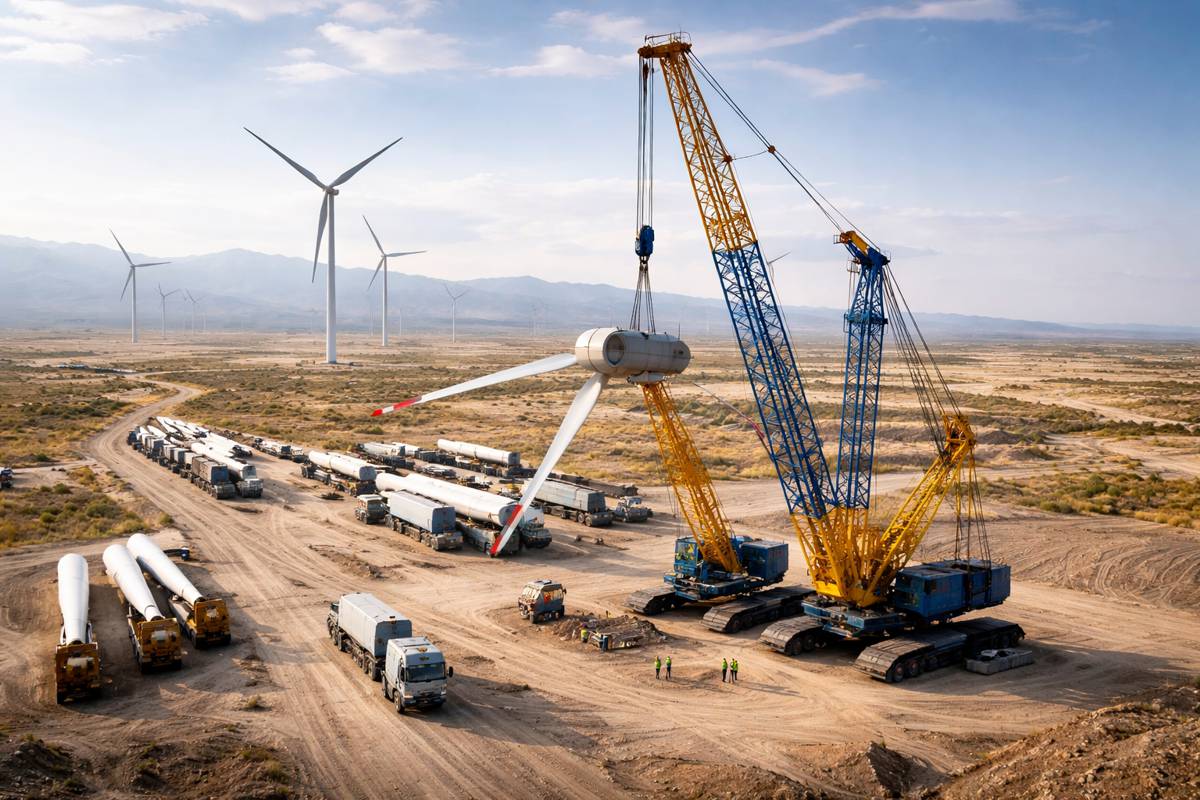
The investment will be directed toward the acquisition of high capacity cranes, specialised trailers, and purpose built transport vehicles. These assets are essential for handling oversized and overweight components used in modern wind energy projects, industrial plants, and large scale logistics developments. Alongside equipment purchases, part of the loan will be used to support day to day operational needs, allowing the company to take on multiple large projects simultaneously.
Heavy Lifting as an Enabler of Renewable Energy
One of the most significant outcomes of the project is its direct contribution to renewable energy deployment. The equipment financed through the EBRD loan is expected to enable the installation of at least 11.75 gigawatts of additional wind capacity. This figure underscores how non generation assets, such as cranes and transport systems, are often the critical bottleneck in renewable energy delivery.
Kazakhstan has set a target to increase the share of renewable energy in its total power generation mix to 15 per cent by 2030. Achieving this goal requires not only turbines and grid connections but also the logistical capability to move and erect increasingly large components in remote and challenging environments. Heavy lift cranes with extended reach and high load capacity are fundamental to installing modern wind turbines whose hub heights and blade lengths continue to increase.
Strengthening the Trans Caspian Corridor
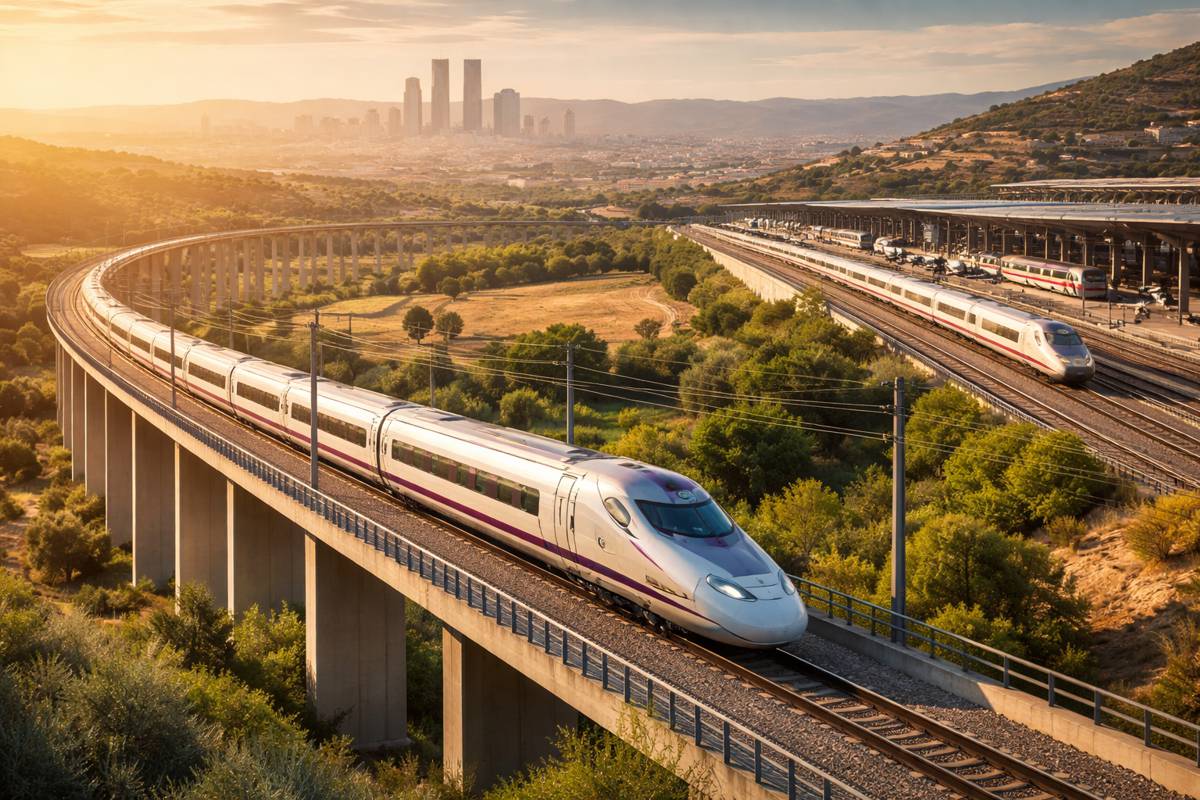
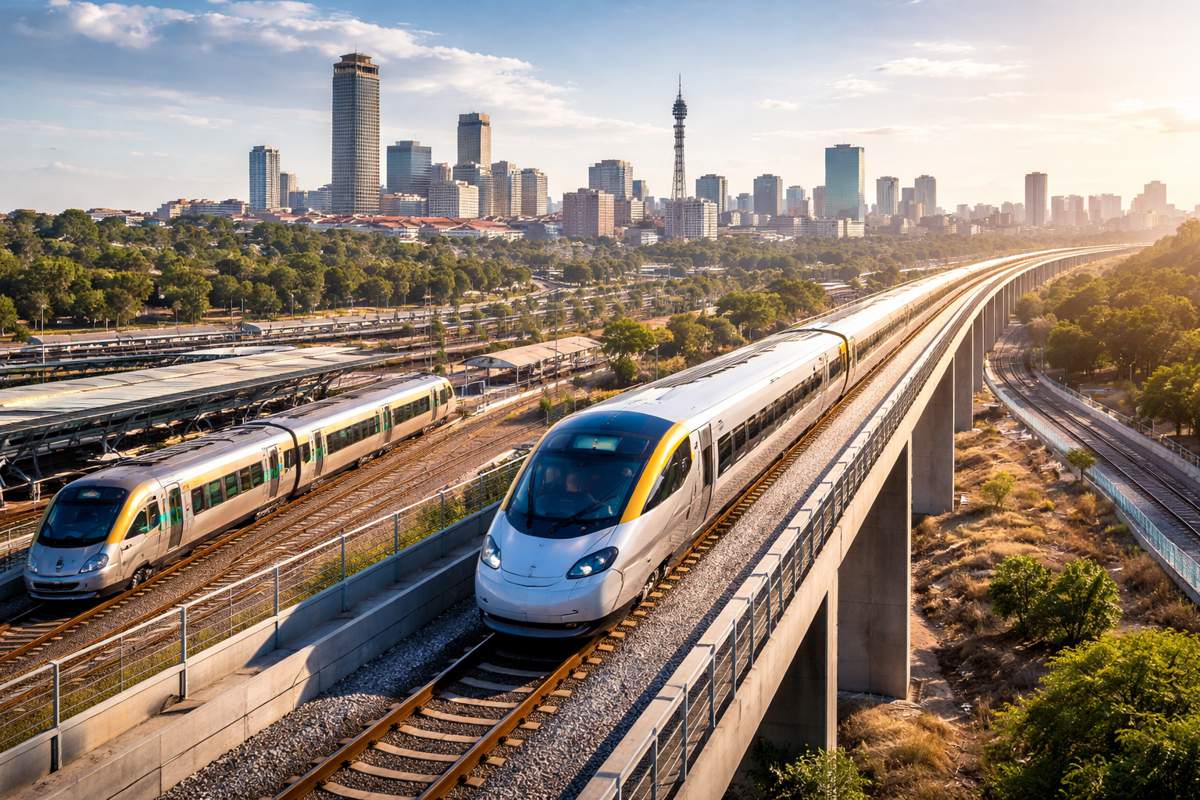
Beyond renewable energy, the project will also contribute to the development of logistics infrastructure linked to the Trans Caspian Corridor. This route has emerged as a strategically important transport connection between Europe and Central Asia, offering an alternative to traditional east west corridors and supporting diversified trade flows.
The movement of oversized industrial cargo along the corridor requires specialised transport planning, reinforced infrastructure, and experienced operators. By expanding Sarens Kazakhstan’s fleet of engineered transport solutions, the project enhances the region’s ability to handle complex cargo movements safely and efficiently. This, in turn, supports industrial investment, infrastructure upgrades, and cross border trade resilience.
Filling a Critical Financing Gap
A defining feature of the EBRD loan is its long maturity, which is currently difficult to obtain from local commercial banks. Heavy lifting equipment represents a significant capital investment with long operational lifespans. Matching financing terms to asset life is essential for maintaining financial stability while allowing contractors to invest in modern, high specification machinery.
By providing longer term funding, the EBRD enables Sarens Kazakhstan to plan fleet expansion strategically rather than incrementally. This approach reduces operational risk, improves asset utilisation, and supports higher safety and performance standards. It also demonstrates the role of development finance institutions in addressing structural gaps within local financial markets.
Alignment with Green Economy Goals
The project is closely aligned with the EBRD’s broader commitment to green economy transformation. Renewable energy deployment, sustainable transport corridors, and efficient logistics systems are central pillars of the bank’s regional strategy. By supporting a specialist contractor rather than a single generation asset, the EBRD is strengthening the enabling ecosystem required for long term decarbonisation.
Heavy lifting and engineered transport may sit behind the scenes, but their impact is substantial. Efficient installation reduces construction time, limits environmental disruption, and improves overall project economics. As renewable energy projects scale up across Central Asia, this enabling infrastructure becomes increasingly important.
Sarens Group’s Global Expertise
Sarens Kazakhstan benefits from being part of the wider Sarens Group, a family owned multinational headquartered in Belgium with decades of experience in heavy lifting and engineered transport. The group operates globally, supporting projects in energy, petrochemicals, infrastructure, and major industrial developments. This international expertise allows best practice in safety, engineering, and project management to be transferred into local operations.
For Kazakhstan, this combination of global know how and local presence supports skills development, technology transfer, and operational resilience. Complex projects often require rapid mobilisation of equipment and expertise, and being embedded within a global network enhances delivery capability.
EBRD’s Longstanding Role in Kazakhstan
The loan to Sarens Kazakhstan sits within a much broader investment relationship between the EBRD and Kazakhstan. To date, the bank has invested almost €10.3 billion across 342 projects in the country, with the majority of funding directed toward private sector development. These investments span energy, transport, industry, and financial services.
This sustained engagement reflects Kazakhstan’s importance within the EBRD’s regions of operation and its ambition to modernise infrastructure while diversifying the economy. Support for private entrepreneurship remains a core focus, recognising that resilient supply chains and specialised service providers are essential for large scale infrastructure delivery.
Building Capacity for the Next Decade
As Kazakhstan and its neighbours accelerate investment in renewable energy and logistics infrastructure, demand for heavy lifting and engineered transport services is set to grow. Larger turbines, modular construction techniques, and complex cross border projects will all place increased pressure on specialist contractors.
By expanding Sarens Kazakhstan’s operational capacity, the EBRD loan helps position the company to meet this demand while supporting national and regional development goals. The project illustrates how targeted finance for enabling infrastructure can unlock wider economic and environmental benefits, ensuring that ambitious policy targets can be delivered on the ground.