Indonesia Welcomes Its First Electric Wheel Loader From Volvo CE
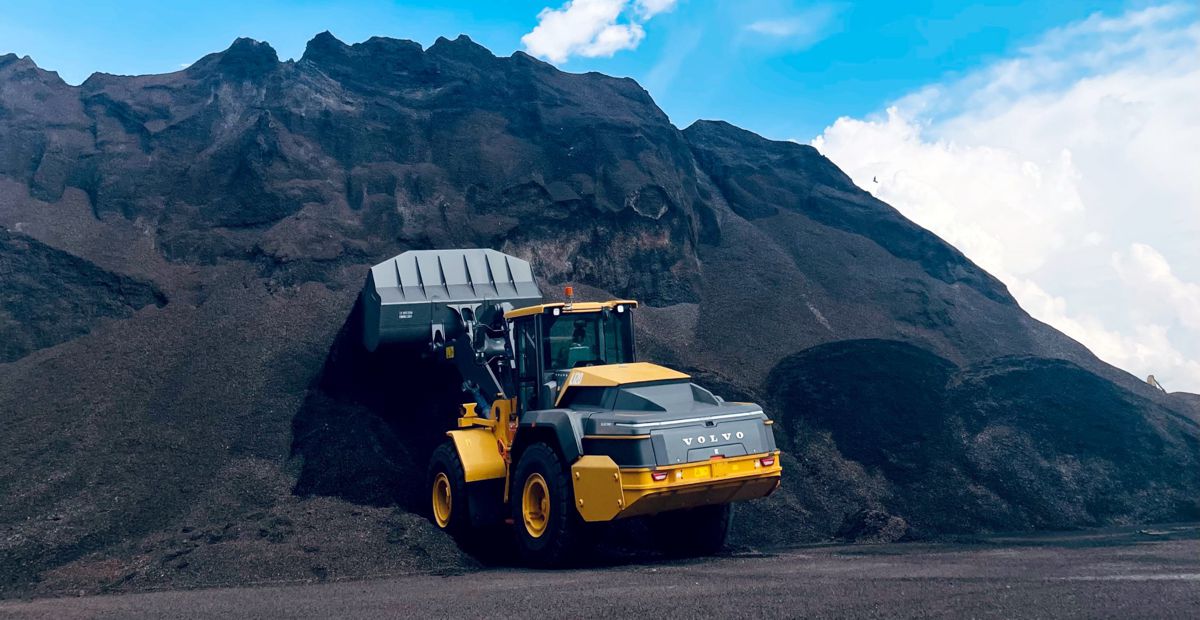
Volvo Construction Equipment has taken a decisive step in Indonesia’s journey towards low-emission construction with the delivery of the country’s first L120 Electric wheel loader. The milestone marks more than the arrival of a new machine. It signals a shift in how heavy equipment is being deployed across demanding industrial environments, where productivity expectations remain high and sustainability targets are becoming increasingly non negotiable.
Delivered on December 1, the L120 Electric was officially handed over by Volvo CE’s Indonesian dealer, PT Indotruck Utama, to PT Tegas Guna Mandiri. The machine is now operating in real-world conditions, moving electric wheel loader technology beyond demonstrations and pilot projects into daily commercial use. For Indonesia’s construction, mining, and logistics sectors, the handover represents a tangible example of how electrification is beginning to reshape equipment strategies on the ground.
From Pilot Projects to Operational Reality
The deployment of the L120 Electric builds on a series of earlier milestones that have gradually prepared the Indonesian market for electric construction machinery. Volvo CE previously conducted the country’s first L25 Electric trial, followed by the introduction of the ECR25 Electric compact excavator and the L25 Electric compact wheel loader in 2023. Each initiative played a role in testing infrastructure readiness, operational suitability, and customer confidence.
What sets the L120 Electric apart is its scale and application. Moving from compact machines into a mid size wheel loader category introduces a different level of operational expectation. Stockpile management, port logistics, and heavy material handling place sustained demands on uptime, torque delivery, and cycle efficiency. By placing the L120 Electric into these environments, Volvo CE has crossed an important threshold in the local electrification narrative.
Aligning Sustainability With Productivity
For PT Tegas Guna Mandiri, the decision to deploy an electric wheel loader was grounded in practical considerations rather than symbolism. The company operates across mining and plantation sectors, with a strong presence in port logistics and stockpile operations in the Jambi area. These activities demand consistent performance, predictable operating costs, and equipment capable of working in challenging conditions.
The L120 Electric aligns with the company’s focus on operational efficiency while supporting a growing emphasis on environmentally responsible practices. Reduced tailpipe emissions, lower noise levels, and improved operator comfort offer immediate benefits on site. At the same time, electric drivetrains provide smoother power delivery and fewer mechanical components, factors that can contribute to lower maintenance requirements over the machine’s lifecycle.
Industry Leadership and Market Readiness
The handover ceremony brought together senior representatives from across the partnership, highlighting the collaborative nature of the project. Attendees included Mr. Eddy Gunawan, Owner of PT Tegas Guna Mandiri; Mr. Tjong Bie, CEO of PT Indotruck Utama; Mr. Dwi Prihartono, representing Volvo CE; Mr. Didi Muksin, Major Account Plantation Sales Head of PT Indotruck Utama; and Mrs. Julina, Branch Manager of the Jambi Branch.
Their presence underscored a shared recognition that electrification is no longer an abstract ambition. Instead, it is becoming an operational decision shaped by customer readiness, regulatory direction, and long-term cost considerations. Indonesia’s construction and industrial sectors are beginning to demonstrate that they are prepared to integrate electric machinery where it makes commercial sense.
Volvo CE’s Electrification Roadmap in Indonesia
Volvo CE has positioned electrification as a central pillar of its long-term strategy in Indonesia. Rather than focusing on a single product launch, the company has taken a phased approach, introducing electric machines across different size classes and applications. This strategy allows customers to gain familiarity with electric technology while building confidence in its reliability and performance.
Erwin Budi, Head of Market Indonesia and Timor Leste at Volvo Construction Equipment, described the significance of the L120 Electric deployment: “The delivery of the first L120 Electric in Indonesia is a significant step forward in our electrification roadmap for the market. It demonstrates our commitment to supporting Indonesian customers with solutions that reduce environmental impact while delivering the performance, reliability, and safety they expect from Volvo CE. This milestone also reflects the growing readiness of customers to adopt electric machines as part of their sustainability journey.”
His comments reflect a broader industry trend. Electrification is no longer being driven solely by manufacturers. Customers are increasingly seeking solutions that align with corporate sustainability targets while maintaining operational competitiveness.
The Dealer’s Role in Accelerating Adoption
PT Indotruck Utama has played a critical role in enabling the adoption of electric construction equipment across Indonesia. As the official Volvo CE dealer, the company has invested in technical expertise, customer education, and aftersales readiness to support the transition to low-emission machinery.
Tjong Bie, CEO of PT Indotruck Utama, highlighted the wider implications of the handover: “We are proud to support the first operation of an electric wheel loader in Indonesia. This handover is not just about introducing a new machine, but about helping our customers transition towards more sustainable and efficient operations. We see this as the beginning of a broader shift in how the industry approaches productivity and sustainability.”
Dealer capability is often an overlooked factor in electrification strategies. Reliable service support, charging guidance, and operational training are essential to ensuring that electric machines deliver on their promised benefits. In this context, ITU’s involvement has been central to turning ambition into operational reality.

Practical Benefits on the Ground
Beyond emissions reduction, the L120 Electric offers a series of operational advantages that resonate with fleet operators. Electric wheel loaders typically deliver instant torque, enabling responsive performance during loading and stockpiling tasks. The absence of engine noise contributes to a quieter working environment, which can be particularly valuable in ports and plantation settings where multiple operations run in close proximity.
Energy efficiency also plays a role in long-term cost planning. While initial acquisition costs for electric machines remain higher than diesel equivalents, lower energy and maintenance expenses can help offset this over time. As charging infrastructure expands and energy management becomes more sophisticated, these economic arguments are expected to strengthen.
A Broader Shift Across Key Sectors
The deployment of the L120 Electric carries implications beyond a single customer or site. Mining, logistics, and plantation operations are among the sectors facing increasing scrutiny over environmental performance. Electrified equipment offers a pathway to reduce local emissions without compromising throughput or reliability.
More than a simple transfer of equipment, the handover represents a strategic collaboration between Volvo CE, PT Indotruck Utama, and PT Tegas Guna Mandiri. Such partnerships are likely to become more common as manufacturers and customers work together to refine operational models, charging strategies, and maintenance practices for electric fleets.
Sustainable Construction as Present-Day Practice
Volvo CE’s latest milestone reinforces a message that sustainable construction is already taking shape across Indonesia. The L120 Electric is not positioned as a future concept or experimental platform. It is a working machine, operating in demanding conditions and contributing to day to day productivity.
As the electric machine portfolio continues to expand, the lessons learned from early deployments will inform broader adoption. For Indonesia’s construction and industrial sectors, the arrival of the L120 Electric marks a practical step forward, demonstrating that low-emission solutions can be integrated into real operations without compromising performance or reliability.