Lobito Atlantic Railway Finance to Unlock Trade in Southern Africa
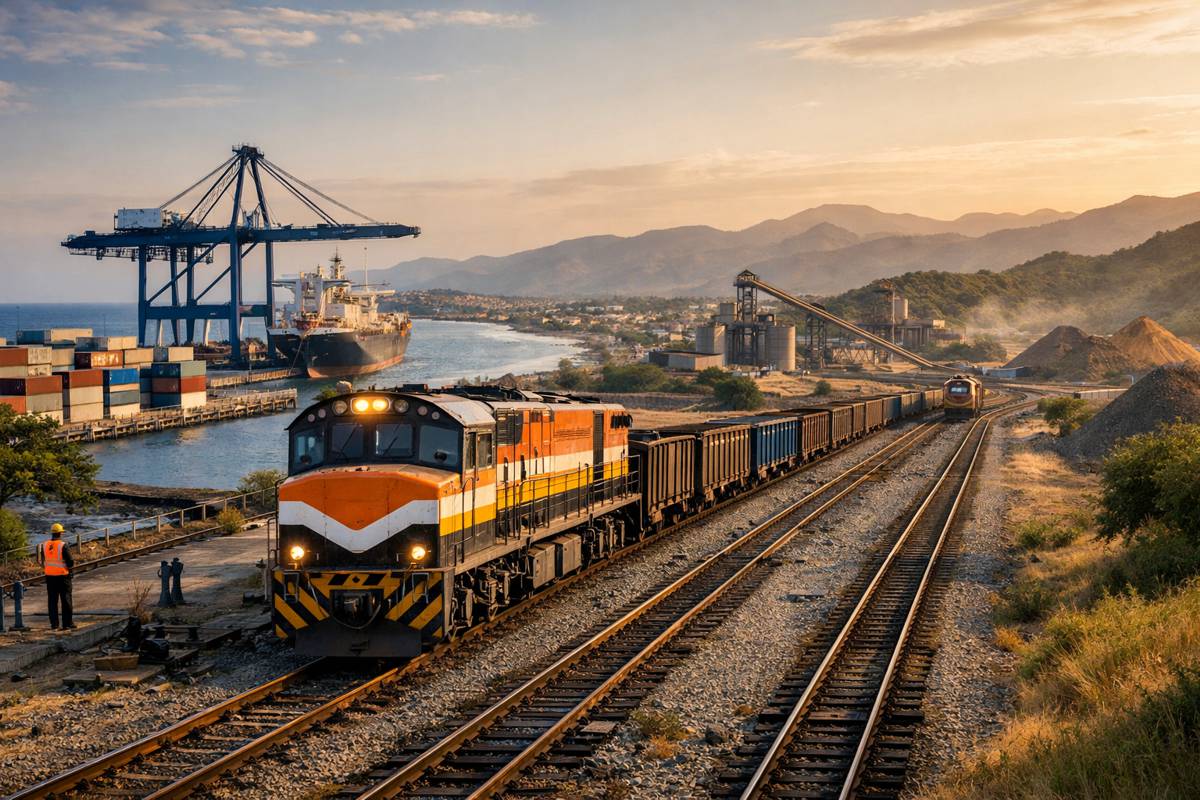
Few infrastructure projects in Africa carry the same regional weight as the Lobito Atlantic Railway. Stretching across 1,300 kilometres of existing rail alignment, the corridor links Angola’s Atlantic seaboard with the mineral heartlands of Central and Southern Africa. At a time when global supply chains are under pressure and the demand for critical minerals continues to surge, the rehabilitation and operation of this brownfield railway is both timely and strategically significant.
The Lobito Atlantic Railway is more than a transport upgrade. It is a deliberate attempt to rebalance trade flows, reduce logistics costs, and provide landlocked economies with a reliable route to global markets. By connecting the Port of Lobito to the Democratic Republic of Congo border, the corridor positions Angola as a pivotal gateway for regional exports, particularly copper, cobalt and other strategic resources essential to energy transition technologies.
AFC and Eaglestone Deliver Complex Financial Structuring
Africa Finance Corporation has confirmed the signing of key financing agreements for the Lobito Atlantic Railway Project, acting as Co-Financial Adviser alongside Eaglestone. The advisory mandate was delivered to Lobito Atlantic Railway S.A., the borrower and concessionaire responsible for the rehabilitation, upgrade and long-term operation of the corridor.
Structuring finance for cross-border rail infrastructure is rarely straightforward. Projects of this scale demand not only capital, but confidence in governance, operational capability and long-term demand. AFC’s role reflects its growing reputation for navigating these complexities, aligning international development finance with commercially viable infrastructure outcomes across the continent.
A US$753 Million Financing Milestone
The transaction is anchored by a US$753 million financing package, marking a decisive milestone for the project. Of this total, US$553 million has been provided by the U.S. International Development Finance Corporation, with a further US$200 million committed by the Development Bank of Southern Africa. Together, these institutions have underwritten a deal that reinforces international confidence in Angola’s infrastructure reform agenda.
This level of backing elevates the Lobito Atlantic Railway to flagship status within the region. It sends a clear signal that well-structured African infrastructure projects can attract long-tenor, development-focused capital while meeting rigorous environmental, social and governance expectations.
Global Sponsors Bring Operational Depth
Behind the financing sits a consortium of sponsors with deep experience across construction, commodities and rail operations. Mota-Engil brings decades of engineering and delivery capability across African markets. Trafigura contributes global logistics expertise and an intimate understanding of mineral supply chains. Vecturis adds specialist freight rail concession experience, ensuring that operational efficiency is built into the project from the outset.
This blend of skills is critical. Rail corridors succeed or fail not simply on steel and sleepers, but on scheduling discipline, asset maintenance, commercial alignment and customer confidence. The sponsors’ combined track record provides reassurance that the Lobito corridor will operate as a competitive logistics solution rather than a stranded public asset.
Transformational Capacity and Cost Reductions
The development impact of the project is expected to be substantial. Once fully rehabilitated and operational, Lobito’s transportation capacity is projected to increase ten-fold, reaching approximately 4.6 million metric tonnes per annum. Such scale transforms the economics of mineral exports from the region.
Equally significant is the anticipated reduction in transport costs. Estimates suggest that the cost of moving critical minerals could fall by around 30 percent. For producers in the Democratic Republic of Congo and neighbouring markets, this represents a material improvement in margins and competitiveness, while also enhancing supply chain reliability for downstream manufacturers worldwide.
Regional Integration Beyond Angola
While Angola stands at the centre of the corridor, the benefits extend far beyond its borders. The Lobito Atlantic Railway strengthens regional integration by offering a viable alternative to congested or politically sensitive routes. For landlocked economies, diversified access to ports is not a luxury but a necessity.
Improved rail connectivity also supports broader industrial development. Reliable logistics underpin investment decisions in processing, refining and manufacturing, encouraging value addition closer to the source rather than the export of raw materials alone. In this respect, the corridor aligns with long-standing policy ambitions across Southern Africa.
Development Impact Along the Corridor
Beyond trade metrics, the railway is expected to deliver tangible social and economic benefits along its length. Construction and operational phases will generate employment, while skills development initiatives are likely to raise technical capacity in rail engineering, logistics management and safety systems.
Communities situated along the corridor stand to benefit from improved safety standards, more predictable transport services and the indirect economic activity that follows infrastructure investment. Over time, such projects can reshape regional labour markets and support inclusive growth.
Leadership Perspectives on a Landmark Deal
AFC’s President and Chief Executive Officer, Samaila Zubairu, underscored the strategic importance of the transaction: “The signing of the financing agreements for the Lobito Atlantic Railway demonstrates the strength of AFC’s financial advisory expertise in structuring and advancing complex, cross-border infrastructure transactions of strategic significance. This initiative aligns with AFC’s broader development efforts to deliver a transformational transport corridor linking Angola, the DRC, and the wider Southern Africa region, reinforcing the critical role of integrated rail and port infrastructure in unlocking regional trade, industrial growth and supply-chain resilience.”
He also highlighted the national dimension of the project: “The Lobito Corridor is also of particular importance for Angola, one of AFC’s valued member countries and shareholders, reaffirming our long-standing commitment to supporting the country’s infrastructure development and economic priorities.”
Advisory Expertise Recognised
Eaglestone’s Founding Partner, Nuno Gil, reflected on the advisory process: “We are delighted to have advised LAR in this landmark transport infrastructure transaction that is a key milestone to unlock regional trade and boost economic activity along the Lobito Corridor. The Eaglestone team can be proud in once again delivering world-class services within the project finance advisory industry in Southern Africa.”
Such endorsements matter in a market where credibility is hard won. Successful delivery of complex mandates strengthens the ecosystem of advisors, financiers and sponsors capable of executing future regional infrastructure programmes.
Construction and Concession Confidence
From the sponsor perspective, Mota-Engil emphasised the long-term collaboration underpinning the deal. Deputy CEO Manuel Mota stated: “The signing with DFC, DBSA, and the Government of Angola marks the culmination of long-term collaboration, together with our partner, Trafigura, to advance the Lobito Corridor. This strategic agreement will expand transport capacity, reduce transit costs, and open access to the mineral-rich regions of the Democratic Republic of Congo and Zambia.”
He added: “This strategic financing not only enables further investment in the project but also reinforces confidence in Angola’s institutional capacity to attract interest for world-class infrastructure initiatives. We appreciate the expert advisory support from Eaglestone and AFC, whose guidance was instrumental in structuring this financing.”
Commodities and Global Markets
Trafigura’s Chief Executive Officer, Richard Holtum, framed the railway as a regional asset with global implications: “We are pleased that Lobito Atlantic Railway has secured financing from DFC and DBSA to further advance the rehabilitation and operation of the line in Angola. As a shareholder of LAR, we see the railway as a key domestic and regional asset that will drive economic development and support the movement of critical metals to global markets.”
For commodity traders and manufacturers alike, dependable infrastructure is a prerequisite for stable supply. The Lobito corridor directly addresses this need.
Angola’s Deepening Partnership With AFC
The railway project also reflects the maturation of Angola’s relationship with Africa Finance Corporation. Since joining AFC as a member state in 2022 and progressing to shareholder status in 2025, Angola has become a focal point for the institution’s advisory and investment activity.
AFC is now expanding its footprint across Angolan infrastructure, energy and industrial projects, including complementary greenfield railway developments. Together, these initiatives signal a broader commitment to modernising transport networks and positioning Angola as a regional logistics hub.
A Blueprint for the Future
As financing transitions into delivery, attention will turn to execution, governance and long-term performance. If successfully implemented, the Lobito Atlantic Railway could serve as a blueprint for future cross-border infrastructure financing in Africa, combining development impact with commercial discipline.
In an era defined by competition for resources and resilience in supply chains, the corridor stands as a reminder that well-planned rail infrastructure remains one of the most powerful tools for economic integration and sustainable growth.