Teledyne FLIR Debuts Thermal Vision for ADAS and Autonomous Safety at CES
Thermal imaging has been quietly reshaping vehicle safety for years, yet the conversation has often centred on software and perception algorithms rather than the sensor itself.
At CES, Teledyne FLIR OEM has placed the spotlight firmly back on the hardware with the debut of its new Tura thermal camera, positioning the company at the forefront of automotive functional safety innovation. That balance is shifting. With the debut of Tura, an automotive-qualified thermal camera designed to meet Automotive Safety Integrity Level B requirements, functional safety is now being addressed from the very first stage of the perception chain.
Developed by Teledyne FLIR OEM, a Teledyne Technologies company, Tura has been engineered in compliance with ISO 26262 functional safety standards, placing it among a small and growing group of vehicle sensors designed explicitly for safety-critical automotive applications. Rather than treating thermal perception as an add-on, the design philosophy positions the camera as a core contributor to advanced driver-assistance systems and autonomous driving stacks. For original equipment manufacturers and system integrators, this marks a meaningful step towards reducing risk, simplifying certification pathways, and delivering consistent performance across vehicle platforms.
Thermal Perception Beyond the Headlights
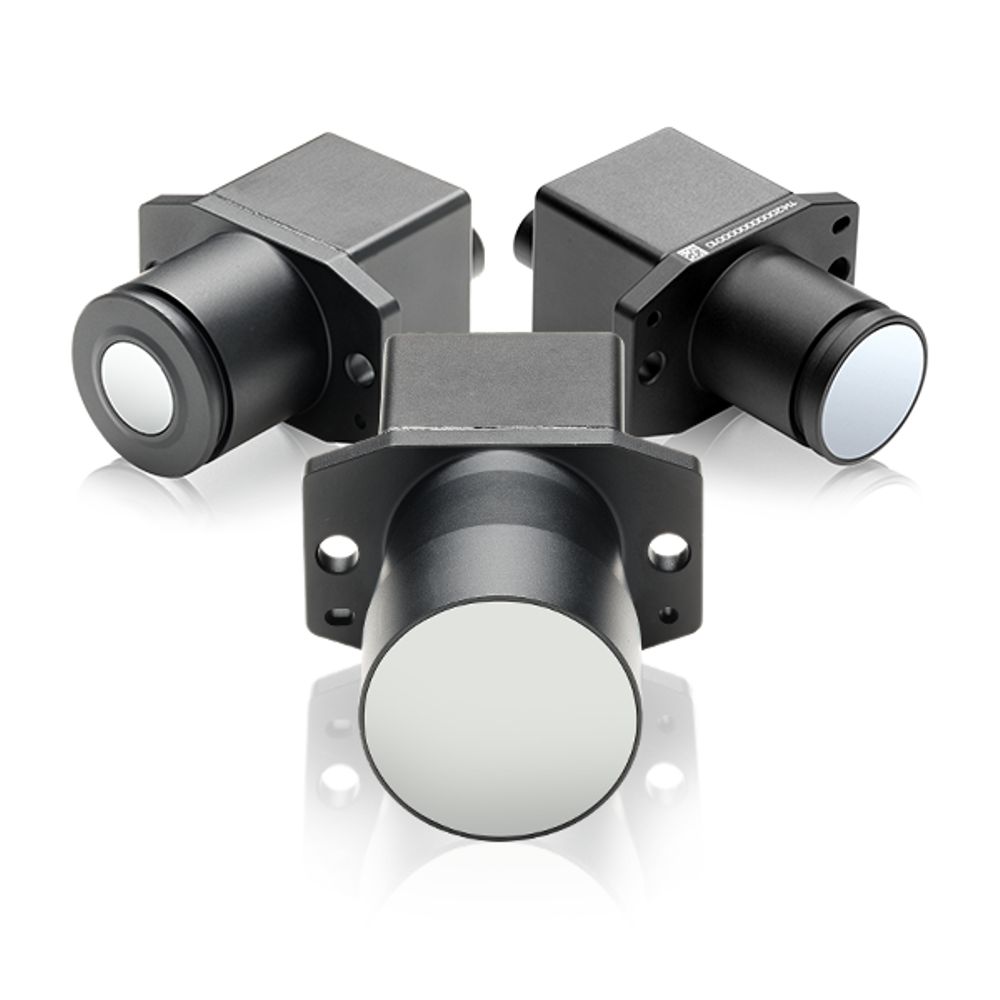
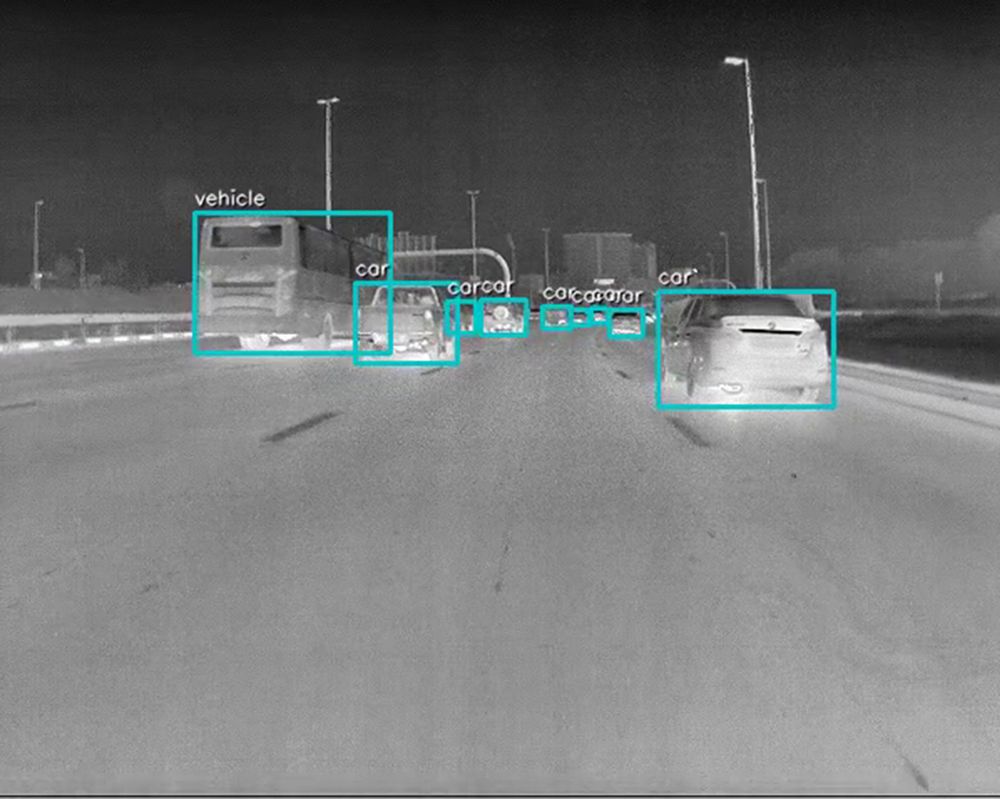
At the heart of the new Teledyne FLIR Tura camera module sits a high-performance passive longwave infrared sensor with a resolution of 640 by 512 pixels. That specification matters. In practical terms, it allows vehicles to detect and classify pedestrians, cyclists, animals, and other vulnerable road users well beyond the reach of conventional headlights.
Unlike visible cameras, thermal sensors do not depend on reflected light. They interpret heat signatures, enabling perception in complete darkness and through conditions that routinely undermine optical systems. Fog, smoke, sun glare, and headlight glare all present well-documented challenges for traditional vision-based ADAS. Thermal imaging cuts through those limitations, offering a stable layer of perception when other sensors begin to struggle.
Safety Designed In, Not Bolted On
The introduction of functional safety features directly at the sensor level is a defining characteristic of the Teledyne FLIR Tura platform and reflects the company’s long-standing focus on delivering production-ready thermal solutions for the automotive sector. ASIL-B compliance signals that the camera has been engineered, validated, and documented to support safety-related functions, including those that may trigger automated vehicle responses.
According to Paul Clayton, President and General Manager of Teledyne FLIR OEM, speaking at the CES debut: “Safety and reliability are non-negotiable pillars of autonomous technology, and Tura sets a new industry benchmark with compatible FuSa features starting from the sensor.” He added: “We have manufactured more than one million automotive thermal camera modules over the last twenty years for driver warning systems and will continue to provide a high-volume, cost-effective solution.”
That production history carries weight in a sector increasingly sensitive to supply chain resilience and long-term component availability. High-volume manufacturing experience reduces supply risk while helping to control costs, both of which are critical factors as thermal sensing moves from premium options into mainstream vehicle architectures.
Strengthening Pedestrian Automatic Emergency Braking
Pedestrian Automatic Emergency Braking has emerged as one of the most impactful safety technologies of the last decade. However, performance at night remains a recognised weakness for many existing systems. Thermal perception directly addresses that gap.
By reliably detecting heat-emitting objects, Tura enhances PAEB functionality in low-light and night-time scenarios. This capability aligns closely with evolving regulatory expectations, particularly in the United States, where higher-speed night-time test scenarios are becoming part of formal safety assessments. These scenarios have historically exposed the limitations of camera and radar-only approaches.
Supporting New Regulatory Demands
Regulators are raising the bar. The US Department of Transportation’s National Highway Traffic Safety Administration has introduced Federal Motor Vehicle Safety Standard No. 127, which places increased emphasis on night-time automatic emergency braking performance at higher speeds.
Thermal imaging is increasingly viewed as a practical means of meeting these requirements without resorting to excessive sensor redundancy. By extending detection range and improving classification confidence in darkness, thermal cameras provide a safety margin that helps manufacturers address regulatory targets while maintaining system efficiency.
Collaboration Across the ADAS Ecosystem
Progress in vehicle safety rarely happens in isolation. Ahead of the CES debut of Tura, Teledyne FLIR OEM and Valeo announced a collaboration focused on bringing ASIL-B thermal imaging into night vision ADAS applications, reinforcing Teledyne FLIR’s role as a key supplier within the global ADAS ecosystem. The partnership combines thermal hardware with an established ADAS software stack designed to support functions such as automatic emergency braking for passenger vehicles, commercial fleets, and autonomous platforms.
As stated in the joint announcement: “Valeo and Teledyne FLIR will deliver the first Automotive Safety Integrity Level ASIL B thermal imaging technology for night vision ADAS. This system will complement Valeo’s large range of sensors and rely on Valeo’s ADAS software stack to support functions such as automatic emergency braking at night for passenger and commercial vehicles as well as for autonomous cars.”
The collaboration highlights a broader industry trend towards sensor fusion strategies that integrate thermal, radar, lidar, and visible cameras into cohesive perception systems. Thermal imaging does not replace other sensors, but it significantly strengthens the overall safety envelope.
Built for Real-World Conditions
Automotive sensors live a hard life. Heat, cold, vibration, moisture, and contamination are daily realities rather than edge cases. Tura has been engineered with those demands in mind.
A heated enclosure rated to IP6K9K supports reliable operation in harsh environments, ensuring consistent performance across seasons and geographies. The shutterless design reduces mechanical complexity, maximises uptime, and improves power efficiency, all while supporting long service intervals. AEC-Q-qualified components further reinforce suitability for long-term automotive deployment.
Designed for AI-Driven Perception
Modern ADAS and autonomous systems rely heavily on machine learning. Sensors must not only deliver raw data but do so in a form that integrates cleanly with AI pipelines. Tura has been optimised for this reality.
Deployment is simplified through access to extensive thermal training datasets and perception software that has been trained using millions of annotated examples. This accelerates development cycles for OEMs and tier-one suppliers, reducing the time required to bring safety functions from concept to production.
Enabling 360-Degree Situational Awareness
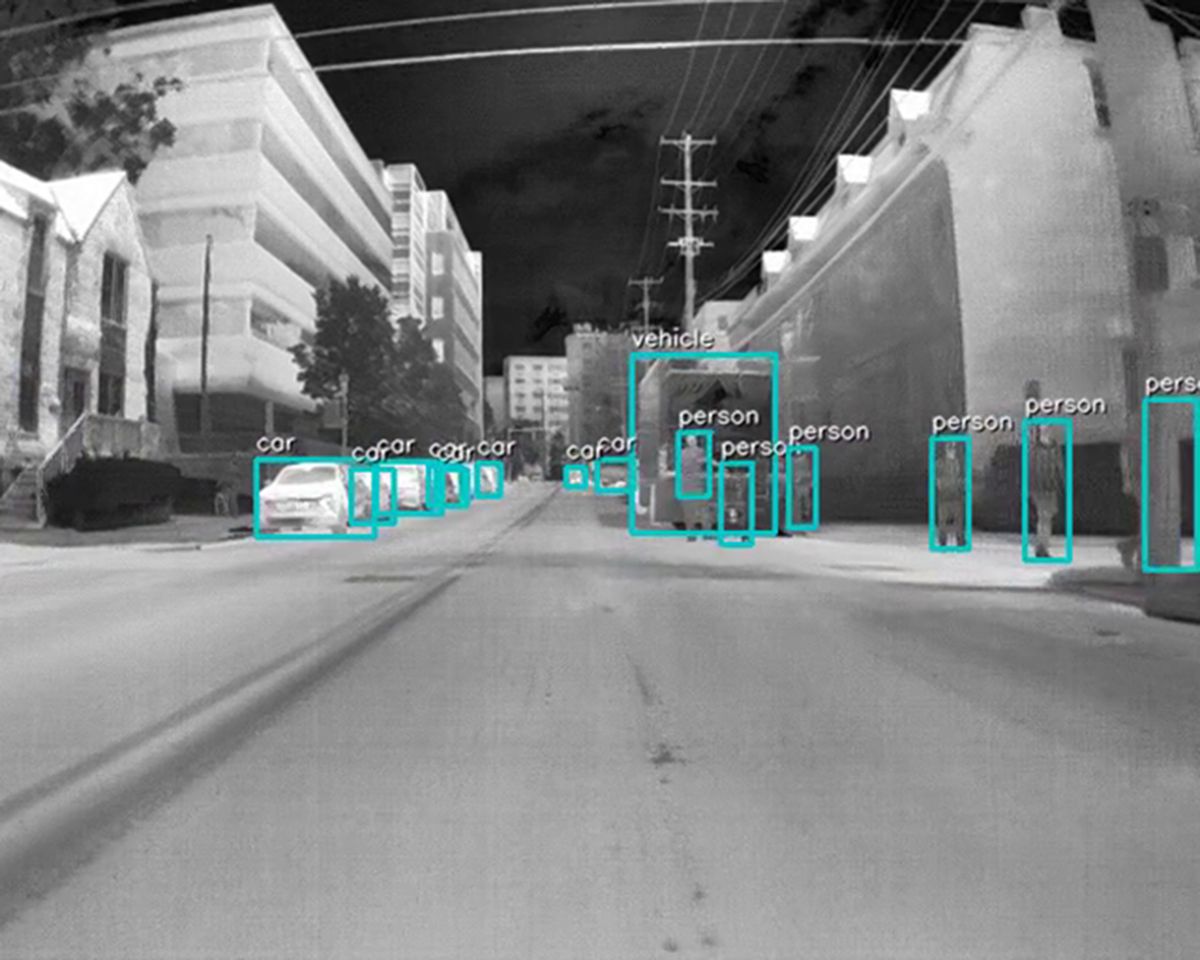
Thermal imaging is no longer confined to forward-looking applications. In fully autonomous vehicles, multiple thermal camera modules can be deployed to provide comprehensive situational awareness around the vehicle.
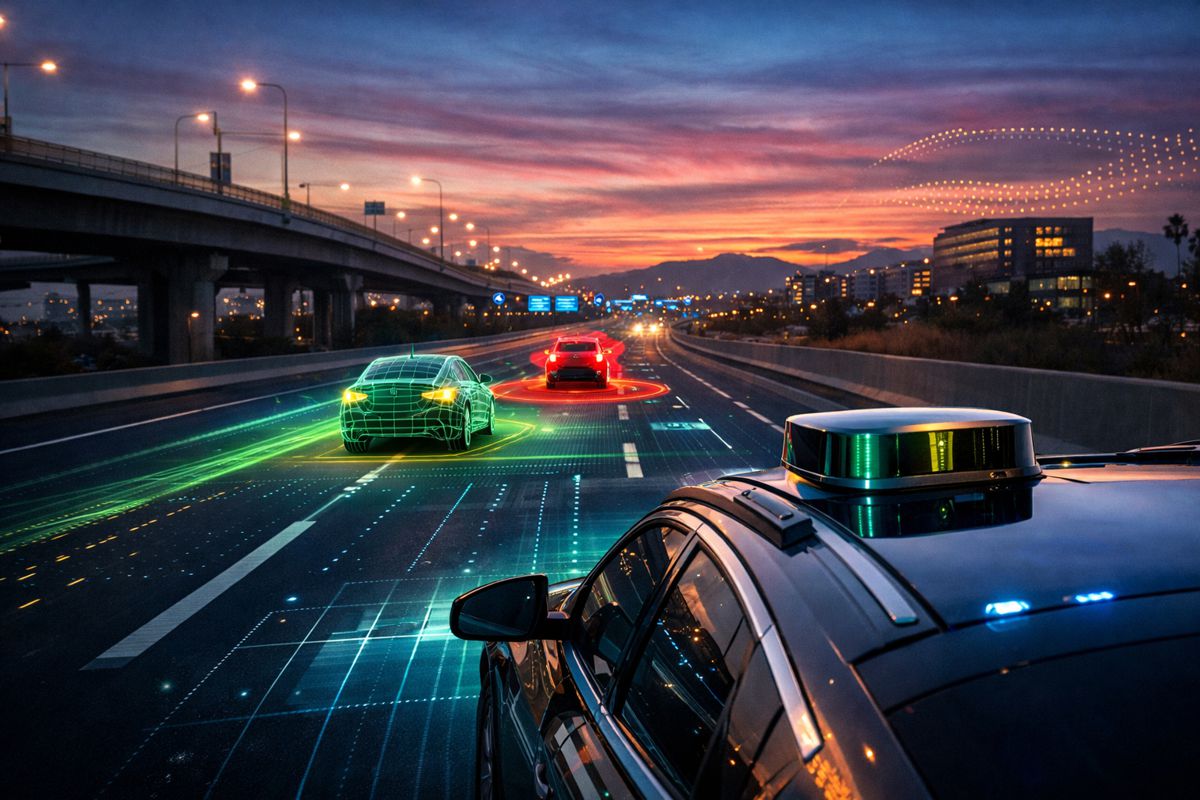
By detecting people, animals, and vehicles based on heat signatures, thermal sensors maintain reliable perception even when visibility drops. Integrated into a multi-sensor architecture, they support safer manoeuvring, improved object tracking, and more robust decision-making in complex urban and off-road environments.
Key Technical Features
The Tura thermal camera module incorporates several features designed specifically for safety-critical automotive use:
- ASIL-B compliance developed in accordance with ISO 26262 functional safety standards
- High-resolution 640 by 512 longwave infrared sensor with industry-leading sensitivity
- All-weather operation supported by a heated IP6K9K-rated enclosure
- Shutterless architecture using AEC-Q-qualified components for high uptime and efficiency
- AI-optimised integration supported by extensive thermal training data and perception software
These characteristics collectively position thermal imaging as a dependable layer within next-generation ADAS and autonomous driving systems.
Industry Showcase and Availability
Teledyne FLIR’s Tura thermal camera is available now and is being showcased during CES in Las Vegas, marking a high-profile public debut for the company’s first ASIL-B automotive-qualified thermal camera. Demonstrations are taking place at Valeo’s Central Plaza booth and within the Teledyne FLIR OEM meeting and demonstration suite at the Courtyard Marriott Las Vegas Convention Center from January 6 to 9, 2026.
As vehicle safety requirements tighten and autonomous programmes advance, thermal imaging is moving decisively from niche to necessity. By embedding functional safety directly into the sensor, Tura reflects a broader shift towards perception systems designed not only to see more, but to do so with the reliability and assurance demanded by safety-critical mobility.