Garmin Expands Automotive HPC Vision with Snapdragon Elite at CES
Garmin’s presence at CES 2026 marks a decisive step in the evolution of software defined vehicles, with the company unveiling a significant expansion of its long running automotive technology collaboration with Qualcomm Technologies. At the centre of the announcement is the introduction of the Garmin Nexus automotive grade High Performance Compute platform, powered by the Snapdragon Elite Platform for automotive. Rather than incremental progress, the move signals a structural rethink of how vehicle electronics are designed, integrated, and scaled for the coming decade.
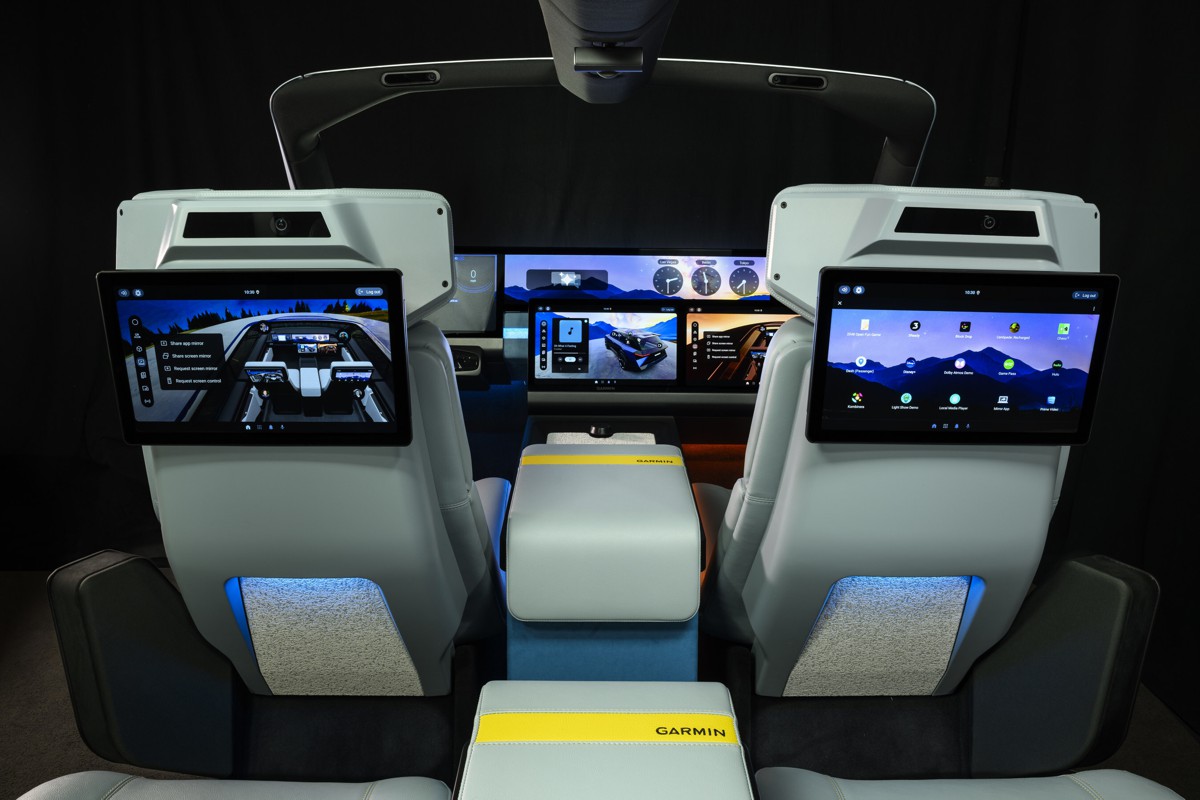
The Nexus platform is designed to consolidate multiple vehicle domains into a single, cohesive system. In practical terms, this means in vehicle infotainment, digital instrument clusters, and advanced driver assistance systems can operate within one high performance computing architecture. For automakers facing growing complexity, tighter regulatory oversight, and accelerating consumer expectations, the ability to streamline hardware while expanding functionality has become a commercial and technical imperative.
Why Domain Consolidation Now Matters
The automotive industry is at an inflection point. Vehicles are rapidly transforming into rolling compute platforms, expected to deliver constant software updates, intelligent assistance, and immersive digital experiences without compromising safety. Traditional distributed electronic control unit architectures struggle under this load, driving costs, power consumption, and integration challenges.
Garmin’s Nexus platform directly addresses these pressures. By targeting vehicle programmes starting in 2029, the solution aligns with the next major product cycles of global OEMs. It is built to be ASIL compliant and highly configurable, supporting both single system on chip and dual system on chip architectures. This flexibility allows automakers to scale from today’s advanced driver assistance systems to higher autonomy systems without redesigning the underlying compute platform.
Snapdragon Elite Sets A New Performance Baseline
At the heart of Nexus is Qualcomm Technologies’ Snapdragon Elite Platform for automotive, a purpose built solution designed for sustained high performance in demanding in vehicle environments. According to Garmin, the platform delivers up to six times the compute performance of its previous Unified Cabin domain controller. That leap is not simply about raw processing power, but about enabling real time perception, localisation, mapping, and vehicle control to operate concurrently and reliably.
To support these demands, Garmin has engineered a dedicated liquid cooling solution for Nexus. Unlike conventional air cooled automotive electronics, this approach ensures consistent performance under high load conditions, a critical requirement as vehicles increasingly rely on continuous sensor fusion and AI driven processing. Sustained performance, rather than short term peak capability, is becoming the true benchmark for next generation vehicle computing.
Advanced ADAS With A Clear Path To Autonomy
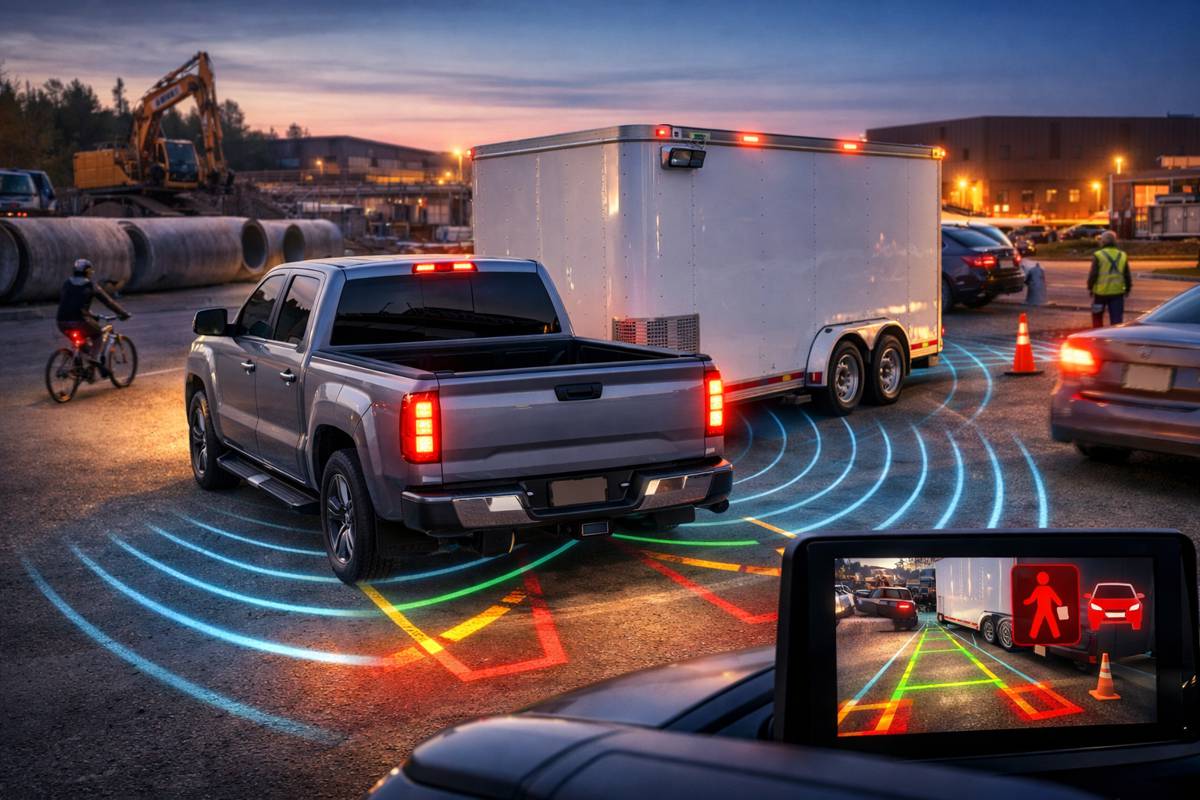
Nexus has been designed with advanced driver assistance and future autonomy firmly in mind. The platform integrates cutting edge localisation, perception, vehicle control, and map functionality, all within a safety compliant framework. This enables automakers to deploy sophisticated driver awareness and assistance features today while laying the groundwork for more advanced autonomous functions tomorrow.
The scalability of the architecture is particularly significant. A single system on chip configuration may suit mainstream passenger vehicles, while dual system on chip designs offer the redundancy and compute headroom required for higher autonomy levels. This approach reduces development risk for manufacturers, allowing them to adapt to evolving regulations and market expectations without costly hardware overhauls.
A Partnership Built Over Time
The Garmin and Qualcomm Technologies relationship is not new, and that continuity matters. The two companies first partnered in 2019 to bring domain controllers to market. In 2022, they collaborated on the first iteration of the Garmin Unified Cabin, based on the next generation Snapdragon Cockpit Platform. Subsequent models have followed each year, reflecting a sustained investment in shared roadmaps and technical alignment.
Over this multi year collaboration, Garmin has worked closely with Qualcomm Technologies to deliver digital cockpit solutions that integrate a wide range of peripherals and displays. These systems support multi zone, multi user architectures within the vehicle, enabling different occupants to access tailored experiences simultaneously. Software components unify infotainment and digital cluster systems, reinforcing the shift towards cohesive, software driven vehicle interiors.
Executive Perspectives On The Next Phase
Garmin’s leadership views the Nexus platform as a natural extension of a proven collaboration. As Matt Munn, Executive Vice President and Managing Director of Garmin Automotive OEM, explained:
:“Garmin and Qualcomm Technologies have a strong history of working together to deliver innovative solutions that drive both the feature set and capabilities of next generation domain controllers. We look forward to building on our past success by providing automakers with new solutions and feature sets that offer unparalleled capability, scalability and integration.”
From Qualcomm Technologies’ perspective, the expanded collaboration reinforces its ambition to shape the future of in vehicle computing. Nakul Duggal, Executive Vice President and Group General Manager for Automotive, Industrial and Embedded IoT, and Robotics, stated: “Qualcomm Technologies is excited to deepen our collaboration with Garmin, combining our Snapdragon Elite automotive platforms with Garmin’s automotive expertise to transform the in vehicle experience. These next generation solutions deliver automakers unparalleled in vehicle experiences, generative AI driven personalization, and advanced driver awareness capabilities setting a new benchmark for software defined vehicle architecture that prioritize safety and intelligence.”
Manufacturing Depth And Global Reach
Beyond platform architecture, Garmin Automotive OEM brings a substantial manufacturing and operational footprint to the partnership. Drawing on expertise from its automotive, avionics, and marine segments, the company develops comprehensive infotainment and domain controller solutions with an emphasis on reliability and user experience.
Garmin’s geographically diverse and highly automated manufacturing capabilities support a broad range of in vehicle electronic strategies. These include intelligent video driving recorders, computing modules, and advanced driver assistance systems functionality. With offices and production facilities across the Americas, Europe, and Asia, the company is well positioned to support global vehicle programmes at scale.
Trusted By Leading OEMs
Garmin Automotive OEM’s customer portfolio reflects the confidence placed in its technology and delivery capabilities. The company provides hardware and software solutions to a wide range of leading automobile manufacturers, including BMW Group, Ford, Honda, Mercedes Benz, Nissan, Toyota, Geely, Kawasaki, and Yamaha Motor.
This breadth of partnerships highlights the growing demand for integrated, future ready compute platforms that can support diverse vehicle categories, from passenger cars to motorcycles. As software increasingly defines vehicle value, suppliers capable of delivering both hardware excellence and long term software support are becoming indispensable.
CES 2026 As A Milestone Moment
The Nexus HPC platform powered by Snapdragon Elite for automotive will be showcased by invitation only at the Garmin booth during CES 2026 in Las Vegas, from January 6 to 8, located in the LVCC West Hall. While access is limited, the timing and setting underline the strategic importance of the announcement.
CES has become a key stage for automotive technology, reflecting the industry’s convergence with consumer electronics, AI, and advanced computing. Garmin’s decision to unveil Nexus at the event positions the platform firmly within the broader narrative of software defined mobility and intelligent transport systems.
Looking Ahead To The 2029 Vehicle Cycle
Targeting programmes beginning in 2029, Nexus reflects a long term view of automotive development. Vehicle platforms launched at the end of this decade will need to accommodate rapid advances in AI, connectivity, and automation, while meeting increasingly stringent safety and sustainability requirements.
By consolidating multiple domains into a single, high performance, safety compliant platform, Garmin and Qualcomm Technologies are offering automakers a way to manage complexity without sacrificing innovation. The approach supports faster development cycles, reduced hardware duplication, and a clearer path to future upgrades.
Building The Foundations Of Intelligent Mobility
As vehicles continue their transformation into intelligent, connected systems, the importance of robust, scalable compute platforms cannot be overstated. Garmin’s Nexus HPC platform, powered by Snapdragon Elite for automotive, represents a convergence of performance, safety, and flexibility tailored to the realities of next generation vehicle design.
Rather than chasing short term trends, the collaboration focuses on building durable foundations for intelligent mobility. For automakers, suppliers, and policymakers alike, the message from CES 2026 is clear. The future of the vehicle will be defined as much by its computing architecture as by its mechanical engineering.