EU Backs Rail Upgrade in Montenegro to Bolster Balkan Connectivity
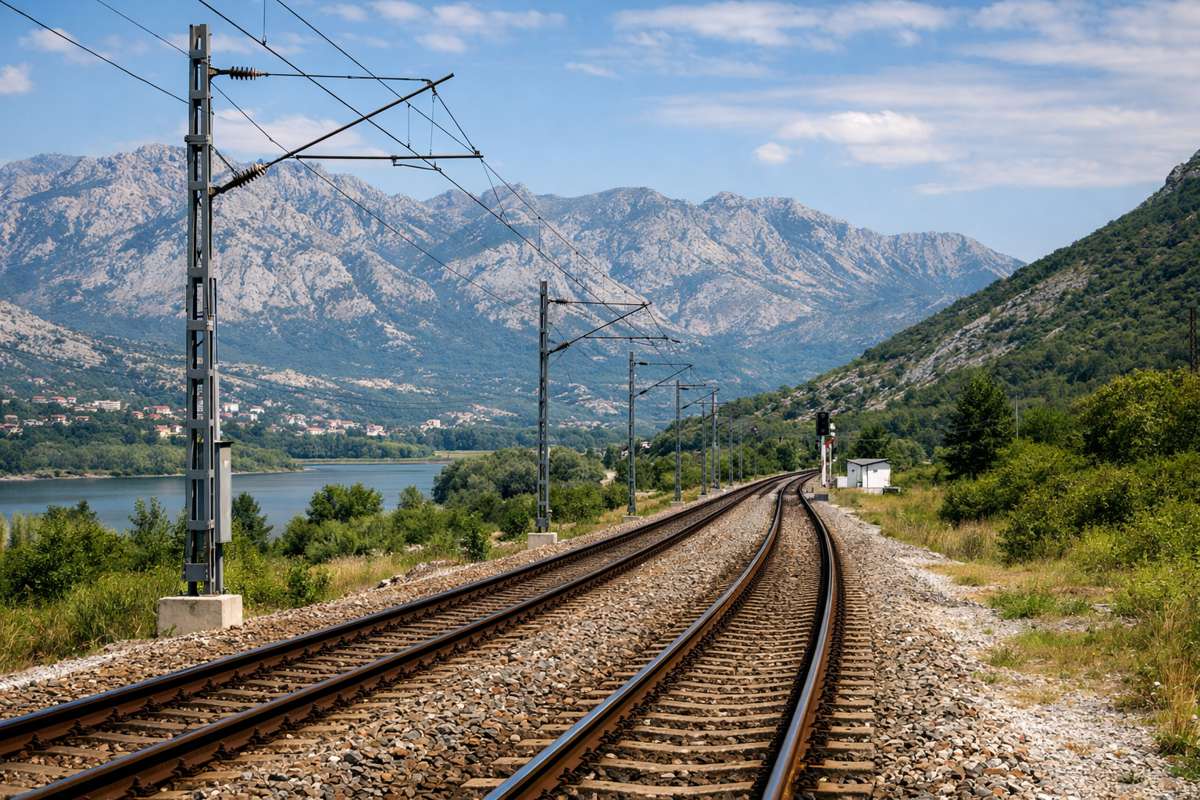
The European Union has committed a substantial €175.6 million package to reconstruct 39 kilometres of the Bar-Golubovci railway line, a critical segment of Rail Route 4 within the extended Trans-European Transport Network core corridors. This initiative links Belgrade to Montenegro’s Port of Bar, forging a vital artery between the Western Balkans and Central Europe. Construction professionals and policymakers recognise such investments as game-changers, shifting freight and passengers from congested roads to efficient rails, which cuts emissions and eases urban bottlenecks across the region.
Once upgraded, the line promises higher train speeds, enhanced reliability, safety, and capacity to handle 1.3 million passengers and 1.85 million tonnes of freight each year. That sort of throughput matters hugely in the Balkans, where infrastructure lags behind Western Europe, hampering trade growth. Investors eyeing the sector should note how this project aligns with the EU’s push for resilient, multimodal transport systems that withstand climate pressures, positioning Montenegro as a linchpin in broader continental logistics.
Financial Breakdown and Funding Partners
Funding breaks down into a €63 million loan from the European Investment Bank, paired with a €112.6 million grant from the European Commission via the Western Balkans Investment Framework. The overall €230.8 million project cost draws in a further €50 million loan from the European Bank for Reconstruction and Development, topped up by €5.2 million from Montenegro’s government. This blend of grants, concessional loans, and national contributions spreads risk while leveraging EU taxpayer support, a model increasingly common for enlargement candidates.
Such financing structures appeal to global investors because they signal stability and long-term commitment. The EIB’s involvement alone lifts EIB Global’s transport sector support in Montenegro to €500 million, underscoring a pattern of sustained engagement. For infrastructure firms bidding on similar work, this deal highlights the value of aligning bids with EU technical standards, often supported by advisory programmes like JASPERS from the European Commission and EIB.
Boosting Regional Trade and Economic Ties
Upgrading the Bar-Golubovci section directly fuels trade between Serbia, Montenegro, and EU markets by smoothing freight flows to the Adriatic port. Ports like Bar handle bulk goods, containers, and energy shipments, so faster rail access cuts costs and turnaround times for shippers. Policymakers in the Western Balkans see this as a step towards a unified regional market, much like how the EU’s TEN-T corridors have integrated Poland or Romania into pan-European supply chains over the past decade.
The project’s emphasis on multimodal integration encourages combined road-rail-port operations, vital as global logistics firms demand seamless networks. Tourism stands to gain too, with reliable passenger services drawing visitors deeper into Montenegro’s interior. Industry watchers point out that better connectivity often sparks adjacent investments, from warehouse expansions to logistics parks, creating jobs and multiplier effects in construction-heavy economies.
Green Transition and Climate Resilience
Shifting traffic from roads to rail forms a cornerstone of Montenegro’s green agenda, aligning with EU accession requirements for sustainable transport. Rail emits far less CO2 per tonne-kilometre than trucks, so this upgrade could slash regional emissions significantly, especially for the 1.85 million tonnes of annual freight. Construction experts emphasise resilient designs that cope with floods and landslides, common in Balkan mountains, ensuring the line weathers extreme weather better than its predecessor.
This fits into the EU’s broader climate strategy, where infrastructure funding prioritises low-carbon shifts. Montenegro’s efforts mirror those in neighbouring Albania or North Macedonia, where similar EU-backed rail projects advance decarbonisation. For investors, green bonds and sustainability-linked loans tied to such outcomes offer attractive yields, blending financial returns with environmental impact.
Stakeholder Perspectives and Official Statements
Key figures have voiced strong backing for the project. This investment is another tangible step toward aligning Montenegro’s core infrastructure with EU standards and accelerating the country’s path toward accession, said EIB Vice-President Robert de Groot. His comments reflect the EIB’s cumulative €500 million commitment to Montenegrin transport, aimed at enhancing connectivity, trade, and tourism.
Montenegrin officials echo this optimism. “With the conclusion of the €63 million loan agreement with the European Investment Bank, a stable and favourable source of financing has been secured for one of the key infrastructure projects in the railway sector, said Finance Minister Novica Vuković. Modern, sustainable infrastructure is at the heart of Montenegro’s European future. By investing in railways, we are investing in greener transport, better connectivity, and stronger economic integration with the region and the EU. With one of the biggest single grant from EU taxpayers, and help of our partners, it is finally time to start long-awaited reconstruction of the Bar–Golubovci railway”, stated EU Ambassador to Montenegro Johann Sattler.
Technical Standards and Project Preparation
JASPERS, the joint advisory programme from the European Commission and EIB, played a pivotal role in readying the project to meet EU environmental, social, and technical benchmarks. That preparation ensures compliance with directives on noise, biodiversity, and worker safety, avoiding costly delays that plague underprepared schemes elsewhere in the Balkans. Construction professionals value this rigour, as it minimises risks during execution and operation.
The upgrades target speed increases and capacity boosts through modern signalling, track strengthening, and bridge reinforcements. Such interventions demand specialised expertise in mountainous terrain, where gradients challenge heavy freight. Montenegro’s railway operator gains tools to modernise fleet and operations, fostering a skilled workforce that attracts further private investment.
Implications for EU Enlargement and Regional Stability
This railway revival signals the EU’s firm support for Western Balkan integration, a priority amid geopolitical shifts. Better infrastructure binds economies closer, reducing reliance on external routes and fostering stability. For policymakers, it exemplifies how targeted funding accelerates reforms, from public procurement to environmental assessments, smoothing accession paths.
Investors in construction tech stand to benefit from demands for advanced materials and digital twins in project delivery. The Bar-Belgrade corridor’s enhancement positions Montenegro as a transit hub, potentially rivalling Greek or Croatian ports in Adriatic trade volumes. Over time, this could draw manufacturing and logistics firms, diversifying beyond tourism.
Montenegro’s Evolving Role in Continental Logistics
Minister of Transport Maja Vukićević highlighted the corridor’s centrality: “This project represents one of the most important investments in Montenegro’s railway infrastructure in decades and a clear signal of trust from our European partners. Our long-standing cooperation with the European Investment Bank has been crucial in modernising the Bar–Belgrade railway corridor, which is the backbone of sustainable transport in Montenegro. By upgrading the Bar–Golubovci section, we are not only improving safety, efficiency, and service quality, but also strengthening Montenegro’s role as a key transport hub between the Western Balkans and the European Union. This investment directly supports our green transition, economic development, and EU accession goals.”
Looking ahead, completion will unlock synergies with planned upgrades elsewhere on Rail Route 4, creating a seamless Balkan-EU rail spine. Industry analysts compare it to Spain’s AVE network, which transformed regional economies post-2000. Montenegro’s gain ripples outward, benefiting constructors, operators, and financiers across Europe.