The Things Stack and the $2bn Rise of Low Power IoT at CES 2026
Across the technology world, few milestones carry the quiet weight of real economic proof. At CES 2026 in Las Vegas, The Things Industries crossed one of those rare thresholds. The company revealed that organisations running low power IoT systems on its enterprise platform, The Things Stack, are now generating more than two billion dollars in economic value every year. In a sector long dominated by pilot projects and glossy concept demos, this number marks a shift that is hard to ignore.
Rather than celebrating a single product breakthrough, the announcement highlights something far more important. Low power IoT has reached maturity. What was once a patchwork of trials and proof of concept projects is now a dependable layer of industrial infrastructure used by utilities, logistics firms, property owners, food producers and global manufacturers to run real operations at scale.
The Things Industries did not reach this point by chasing trends. Instead, it built a platform that works quietly in the background, connecting millions of sensors, feeding live data into enterprise systems and helping organisations make decisions that translate directly into financial results.
A Two Billion Dollar Signal of Industrial Reality
The headline figure tells a simple story. More than two billion dollars of annual economic value is now being generated by companies using low power IoT networks built on The Things Stack. That figure does not represent hardware sales or software subscriptions. It reflects the value created by organisations that rely on the platform to monitor assets, manage energy, track goods, protect food supplies and automate operations.
The number also marks a turning point in how IoT is viewed inside boardrooms. For years, low power networks were seen as clever but risky. Battery powered sensors, long range radio links and edge computing sounded promising, yet few executives were willing to bet core operations on them. That hesitation has largely faded.
Wienke Giezeman, Chief Executive Officer of The Things Industries, framed this shift clearly: “In 2025, the market reached a point of alignment. Attention has shifted away from spectacle toward substance, with IoT adoption now moving in step with real industrial timelines and operational needs.”
That alignment has brought discipline to the market. Instead of asking what IoT might do someday, enterprises are now focused on what it delivers today. Lower energy costs, fewer lost assets, less waste, tighter compliance and better use of capital have become the metrics that matter.
From Pilot Projects to Production Infrastructure
Low power IoT once suffered from a credibility gap. Too many deployments lived in laboratories, innovation hubs or small trial zones. Scaling them was often difficult, expensive and operationally fragile. That changed as platforms like The Things Stack matured into full enterprise grade infrastructure.
With more than four million connected devices operating across thousands of production deployments, The Things Industries now sits at the centre of a global network that is quietly embedded in industrial workflows. These are not experimental sensors blinking in a demo room. They are devices installed in warehouses, factories, farms, ports and buildings where failure is not an option.
Pete Bernard, Chief Executive Officer of the EDGE AI Foundation, summed up this evolution during The Things Conference 2025: “What we are seeing now is a transition from pilots to infrastructure. Low power, edge based systems are no longer experimental. They are becoming a dependable part of how organizations run their operations.”
That transition matters for every industry. Infrastructure implies longevity, maintenance, security and predictable performance. It also implies a shift in how budgets are allocated. Once IoT becomes part of the operating backbone, it moves out of innovation spend and into core capital planning.
Why Low Power IoT Works Where Others Failed
Traditional IoT models were often built around power hungry devices, expensive cellular connections and complex integration projects. Those systems work well in some use cases, but they struggle when scaled across thousands of assets that must operate for years without battery changes or costly maintenance.
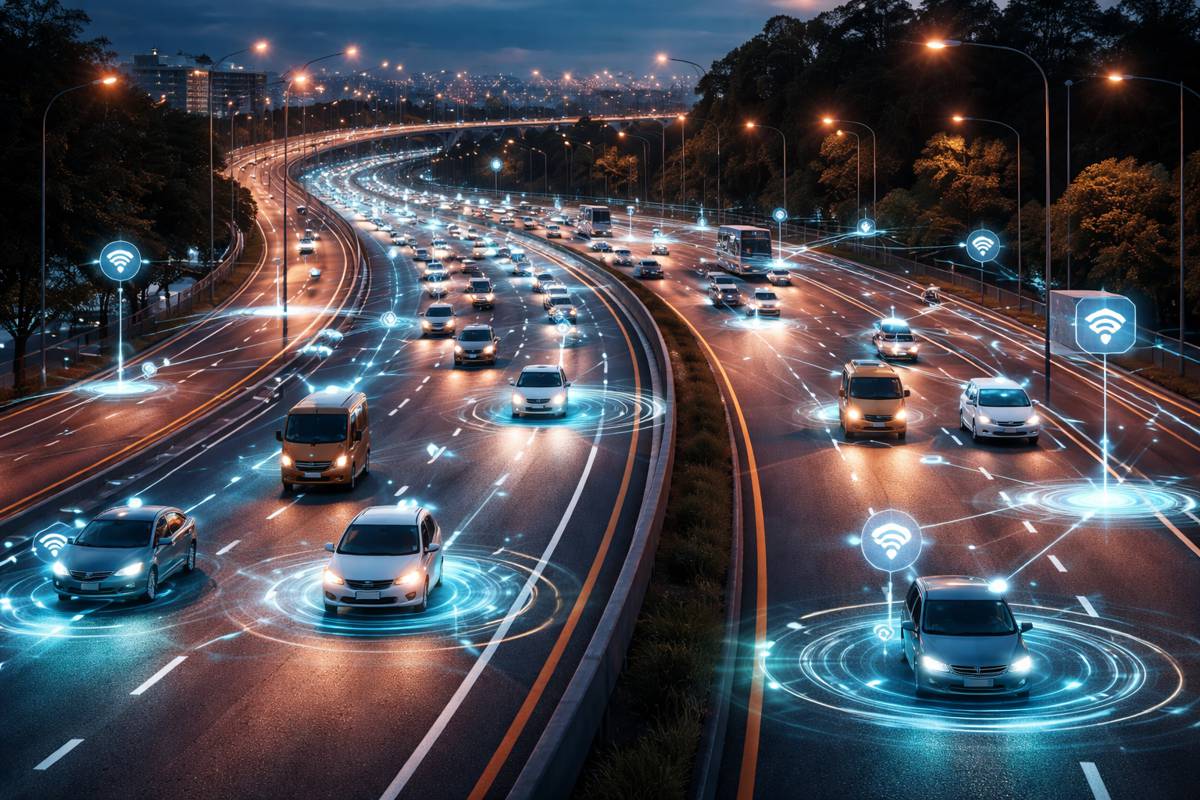
Low power IoT networks based on technologies such as LoRaWAN address those constraints directly. Sensors transmit small amounts of data over long distances using very little energy. Devices can run for years on a single battery. Networks can be deployed privately or connected to public infrastructure. Most importantly, they fit naturally into industrial environments where simplicity and reliability matter more than raw bandwidth.
The Things Stack acts as the orchestration layer that ties all of this together. It manages device connectivity, security, data routing and integration with enterprise systems. In practical terms, that means organisations can focus on what the data does for them rather than how it gets there.
Industries using the platform today include:
-
Utilities monitoring water, gas and electricity networks
-
Logistics firms tracking containers, pallets and high value goods
-
Food producers ensuring cold chain compliance
-
Property owners managing energy and building performance
-
Industrial operators monitoring equipment health
-
Farmers optimising irrigation, soil conditions and livestock
Each of these sectors faces pressure to reduce costs, improve sustainability and increase resilience. Low power IoT offers a way to do all three without adding operational complexity.
Designing for Longevity Rather Than Novelty
One of the lessons learned by the IoT sector over the past decade is that novelty fades quickly. A clever sensor or an eye catching dashboard does not build a business case on its own. Systems have to survive changing requirements, new regulations and evolving technology landscapes.
Kai Hackbarth, Head of Products and Solutions Europe at Bosch, highlighted this reality during The Things Conference 2025: “The industry has learned that chasing a single killer application is not enough. Real progress happens when IoT systems are designed to evolve over time, support changing requirements, and remain operational for years.”
That philosophy is reflected in the way The Things Stack has been built. It supports open standards, integrates with cloud platforms and allows organisations to extend their networks as new use cases emerge. Instead of locking customers into a narrow path, it gives them a framework that can grow alongside their operations.
This is particularly important in sectors such as infrastructure, manufacturing and agriculture, where assets may remain in service for decades. A sensor network that cannot adapt becomes a liability rather than an asset.
CES 2026 as a Showcase of Real World Systems
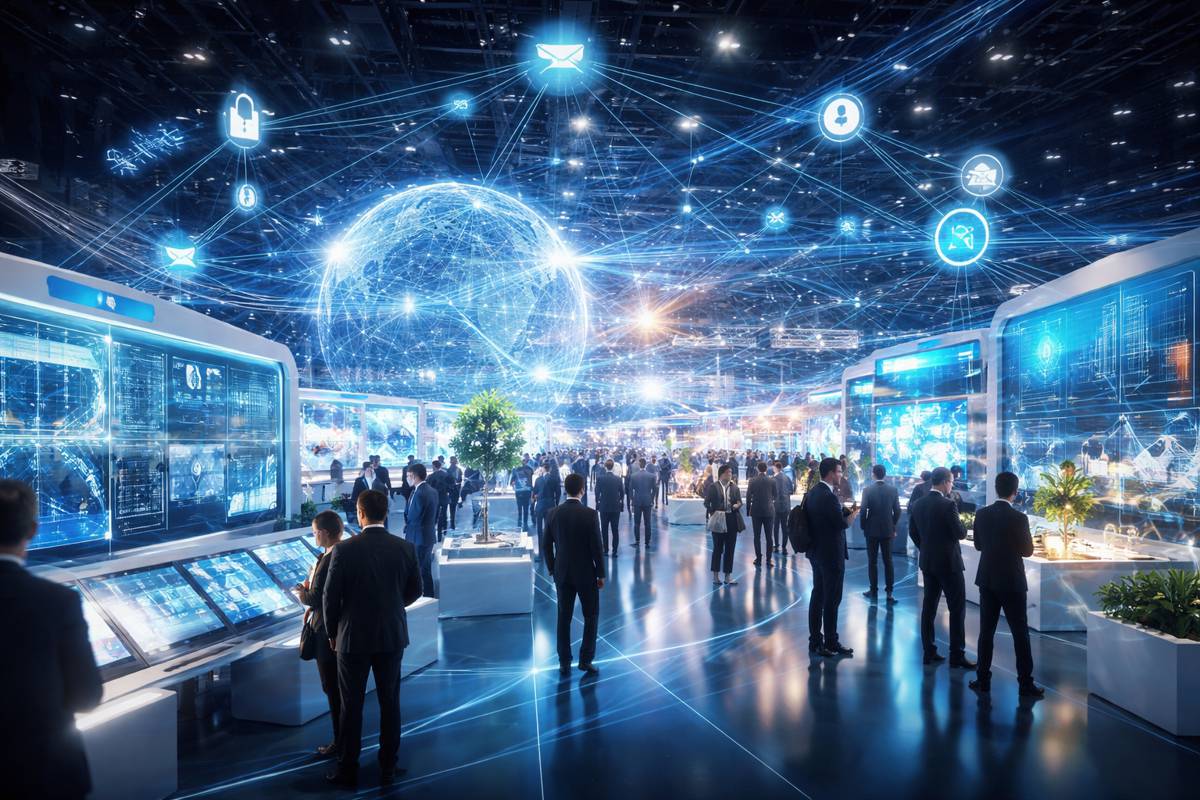
At CES 2026, The Things Industries is not presenting prototypes. Visitors to North Hall Stand 10349 are being shown working systems that operate across continents and industries. These deployments illustrate how low power IoT has moved from theory to practice.
Examples on display include:
-
Food safety networks monitoring temperature and hygiene across global supply chains
-
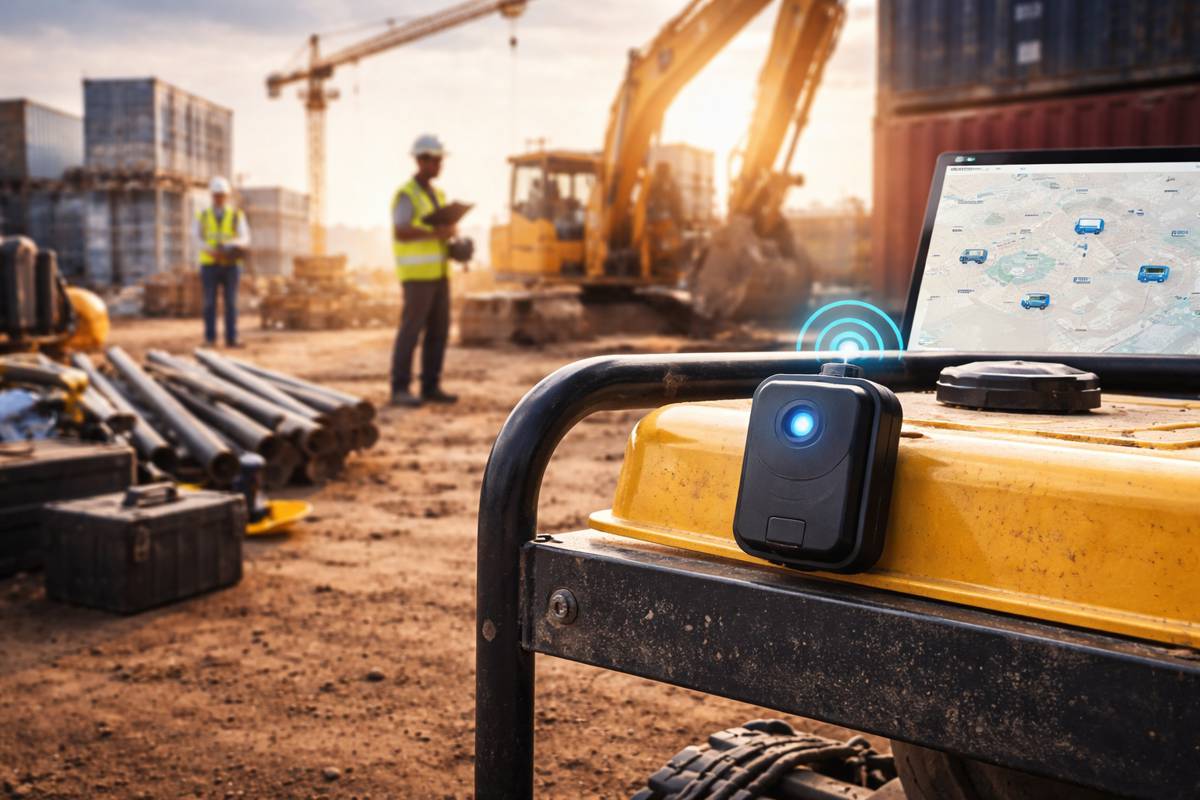
Asset tracking systems used in industrial environments to reduce losses and improve utilisation
-
Building management platforms that cut energy consumption and emissions
-
Agricultural sensor networks that improve yields while reducing water and fertiliser use
Each example points to the same conclusion. The value of IoT is not in the technology itself but in the operational insight it provides. When that insight is delivered reliably and at low cost, it becomes part of how businesses compete.
The Two Billion Dollar Milestone
The two billion dollar figure is not just a marketing headline. It signals that low power IoT has reached an inflection point where economic returns justify widespread deployment. Investors, operators and policymakers are all paying closer attention.
For governments, low power IoT supports smarter infrastructure, better environmental monitoring and more efficient public services. For investors, it points to a market that is no longer speculative but grounded in recurring revenue and long term contracts. For industrial operators, it offers a way to modernise operations without the risks associated with disruptive technology shifts.
The Things Industries has become a reference point for this change because of the scale and diversity of its deployments. When millions of devices across multiple sectors rely on the same platform, the market takes notice.
A Mature Platform for a Demanding World
Low power IoT is no longer a side project. It is becoming part of the digital backbone of modern industry. Platforms such as The Things Stack are enabling organisations to collect data where it matters, at the edge, and turn it into decisions that improve efficiency, safety and sustainability.
The story unfolding at CES 2026 is therefore less about technology and more about trust. Enterprises now trust low power IoT to run critical processes. That trust has been earned through years of deployment, refinement and real world use.
As organisations face rising energy costs, supply chain volatility and pressure to decarbonise, the ability to see what is happening across distributed assets has become essential. Low power IoT delivers that visibility without the overheads of traditional systems.
Two billion dollars in annual economic value is not the end of that journey. It is simply proof that the journey is now well under way.