UK Ports and Marine Facilities Enter a New Phase of Safety and Accountability
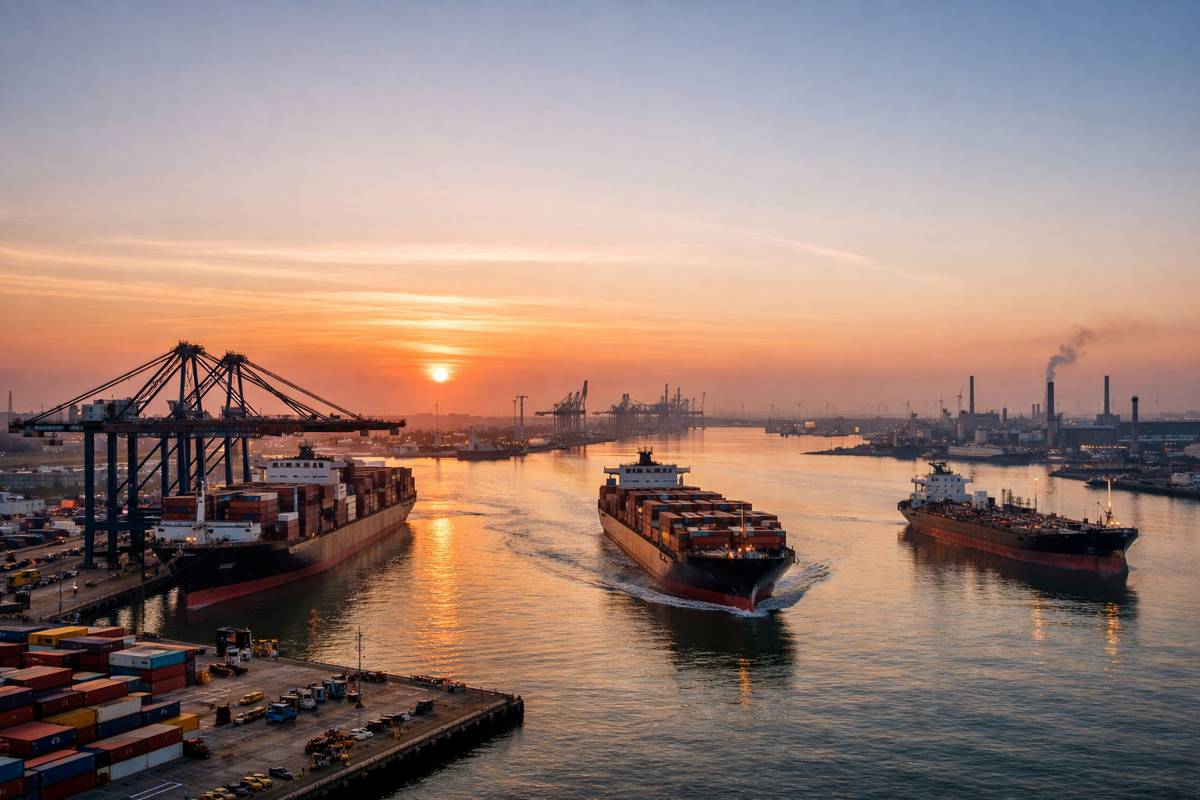
Ports sit at the heart of the global economy. Every container unloaded, every tanker berthed and every ferry movement connects national transport networks to international supply chains. When port operations are disrupted by accidents, unsafe navigation or poorly managed risks, the impact spreads well beyond the quayside. Manufacturing plants run short of components, fuel deliveries are delayed and logistics costs climb. Against that backdrop, the United Kingdom’s decision to launch a nationwide compliance exercise under the Ports and Marine Facilities Safety Code represents a strategically important intervention in how critical infrastructure is governed.
From 1 January 2026, the Maritime and Coastguard Agency opened a three month window inviting ports, harbours, terminals and marine facilities to demonstrate how they align with the Code. The invitation remains live until 31 March 2026. While participation is not a legal requirement, the exercise has been designed to create a shared baseline of safety, professionalism and accountability across the entire UK maritime estate. In a period of heightened geopolitical tension, supply chain fragility and climate driven disruption, ports that can show they actively manage risk are not only safer places to work, they are more commercially resilient.
The Role of the Ports and Marine Facilities Safety Code
The Ports and Marine Facilities Safety Code, often referred to as the PMSC, is the backbone of marine safety governance in the UK. It applies to every organisation that manages marine operations, whether that is a major container gateway, a bulk cargo terminal, a fishing harbour or a leisure marina. Its purpose is to ensure that people, vessels, cargo and the marine environment are protected through structured, risk based safety management systems.
The Code was refreshed in 2025 to reflect how the sector has changed. Modern ports handle a far broader range of activities than they did even a decade ago. They support offshore wind farms, autonomous vessels, dangerous goods, cruise ships and complex multimodal logistics chains. The updated PMSC recognises this reality and sets out clearer expectations for leadership, governance, conservancy duties and operational risk control. It does not impose a single template but instead requires each facility to understand its own hazards and manage them proportionately.
What the Compliance Exercise Is Asking Facilities to Do
The compliance exercise launched by the Maritime and Coastguard Agency is designed to turn the principles of the Code into practical action. Ports and marine facilities are being asked to review their arrangements, assess their alignment with the PMSC and submit a declaration through the government’s online portal. That process requires senior management and duty holders to examine how safety is embedded into their organisation.
For many facilities, this means reviewing risk assessments, safety management systems, incident reporting processes and emergency plans. It also involves checking whether responsibilities are clearly defined and whether staff have the training and authority they need to operate safely. Although there are no direct penalties for not taking part, facilities that do not engage risk being perceived as lagging behind industry expectations. In the event of a serious incident, the absence of a declared commitment to the Code could also carry reputational and legal consequences.
Safety Culture and Leadership at the Core
The MCA has been clear that the compliance exercise is not intended to be a bureaucratic box ticking exercise. It is about encouraging organisations to take ownership of their safety performance. Interim MCA Ports and VTS Manager Keeta Rowlands said: “This compliance exercise is a proactive opportunity for all ports and marine facilities to review, assess, and demonstrate proportional alignment with the Code. It’s not just about meeting standards, it’s about embedding a culture of safety and continuous improvement across the sector.”
That focus on culture reflects a wider shift in how high risk industries manage safety. Research across aviation, energy and heavy industry consistently shows that strong safety cultures lead to fewer accidents and more reliable operations. In ports, where large vessels operate in confined waters and hazardous cargoes are handled daily, that cultural dimension can make the difference between a near miss and a major incident.
Commercial, Insurance and Investment Impacts
For port owners, operators and investors, the compliance drive has tangible commercial implications. Facilities that can demonstrate strong governance and risk management are generally viewed as lower risk by insurers and lenders. That can translate into lower premiums, better financing terms and greater appetite from infrastructure funds.
In an era when environmental, social and governance criteria increasingly shape investment decisions, safety performance sits firmly within the governance pillar. A port that cannot show how it manages navigational risk, vessel traffic or hazardous materials may struggle to attract long term capital. By contrast, facilities that engage with the PMSC and declare compliance are signalling that they take their responsibilities seriously and understand the expectations of global markets.
How the UK Framework Fits into Global Maritime Regulation
The PMSC complements international frameworks such as the International Ship and Port Facility Security Code and the conventions of the International Maritime Organization. Those regimes focus primarily on ship safety, security and pollution prevention. The UK Code fills a different but equally important role by focusing on how ports and marine facilities manage the risks created by marine traffic, infrastructure and local navigation.
As ports become more automated and more digitally connected, the governance of marine operations is becoming just as important as the technology used to run them. The UK’s decision to refresh the Code and run a national compliance exercise reinforces its position as a jurisdiction that takes maritime risk seriously. For international shipping lines and logistics companies, that consistency is an important factor when choosing where to do business.
From Major Gateways to Small Harbours
One of the strengths of the PMSC is its application across the entire sector. The MCA has made it clear that the compliance invitation applies to all ports and marine facilities, regardless of size or function. A large container terminal and a small marina face very different risks, but both have a duty to manage those risks responsibly.
For smaller operators, the proportional nature of the Code is particularly important. They are not expected to build complex corporate systems, but they are expected to understand their operations, maintain safe navigation channels, train their staff and plan for emergencies. In that sense, the compliance exercise is as much about raising awareness and capability as it is about formal declarations.
What Happens After the Compliance Window Closes
When the invitation closes on 31 March 2026, the MCA is expected to publish a list of facilities that have declared compliance with the Code. While this will not be a certification scheme, it will create a degree of transparency across the sector. Ports that appear on the list will be able to demonstrate publicly that they have engaged with the Code and assessed their own performance against it.
Over time, that transparency is likely to influence how ports are perceived by regulators, customers and communities. Facilities that consistently engage with safety standards are more likely to build trust and maintain their licence to operate, both in a regulatory and a social sense.