Cemex Sets a Benchmark for Climate Transparency in Construction
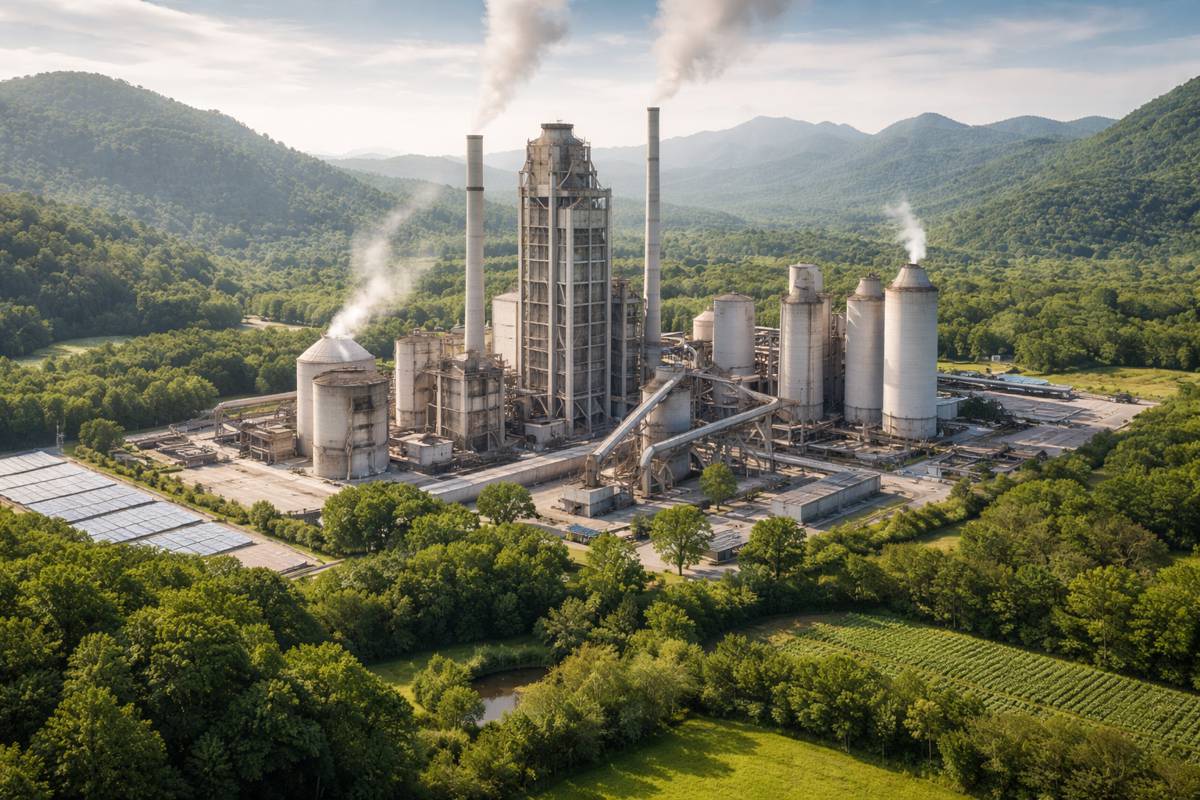
The global construction sector sits at the centre of the climate conversation, not by choice but by consequence. Cement alone is responsible for a significant share of industrial carbon emissions worldwide, making producers a focal point for investors, regulators, and policymakers searching for credible progress rather than polished pledges. Against that backdrop, Cemex being named to CDP’s 2025 “A List” for climate action is more than a reputational milestone. It signals a broader shift in how environmental performance is being measured, valued, and increasingly priced into infrastructure decisions.
In an industry where margins are tight, assets are long lived, and decarbonisation pathways are complex, independent validation matters. CDP’s “A List” is not an award for ambition or intent. It is recognition of disclosure quality, risk management, and evidence of action. For construction professionals and investors alike, that distinction carries weight. It suggests that climate performance is no longer a parallel conversation to commercial performance, but an integrated one that directly influences access to capital, project pipelines, and long term resilience.
Why CDP Recognition Carries Weight Across Infrastructure Markets
CDP has established itself as the most influential global platform for corporate environmental disclosure, used extensively by institutional investors, lenders, insurers, and major procurement organisations. Its climate scoring framework goes beyond headline emissions figures to assess governance, strategy, risk identification, and measurable outcomes. In 2025, more than 22,000 companies disclosed environmental data through CDP, representing over half of global market capitalisation. Only four percent achieved an “A” score.
For the construction and infrastructure ecosystem, that selectivity is critical. Roads, bridges, ports, housing, and energy projects depend on materials with predictable costs and increasingly predictable carbon profiles. CDP data is now embedded into supplier assessments, financing decisions, and public sector tendering criteria in many regions. A place on the “A List” therefore signals not only environmental leadership but commercial readiness for a market where transparency is no longer optional.
Cemex’s additional “A-” score for water security further reinforces this point. Water availability and resilience are becoming defining constraints for construction activity, particularly in regions facing climate stress. Demonstrating credible water risk management strengthens confidence among project owners and policymakers planning long term infrastructure investments.
From Disclosure to Decision Making in Heavy Industry
Environmental disclosure has evolved from a reporting exercise into a strategic management tool. CDP’s framework requires companies to identify climate related risks and opportunities across their operations and value chains, linking them directly to financial planning and operational decisions. For heavy industry, where decarbonisation pathways often involve capital intensive technologies and long payback periods, that linkage is essential.
Cemex’s recognition reflects its most recent submission to CDP’s 2025 Climate Change questionnaire, which assesses how effectively companies integrate climate considerations into governance and operations. This is particularly relevant for cement producers, where emissions reduction depends on a combination of alternative fuels, clinker substitution, energy efficiency, and emerging technologies such as carbon capture.
Rather than treating climate as an external pressure, CDP scoring rewards companies that demonstrate internal alignment. That alignment is increasingly what investors look for when assessing whether climate strategies are credible, financeable, and resilient under different regulatory and market scenarios.
Investor Expectations Are Reshaping Construction Supply Chains
Capital markets are playing a growing role in accelerating change across construction materials. Institutional investors now routinely use CDP data to benchmark companies, assess transition risk, and guide engagement strategies. In parallel, major contractors and infrastructure owners are applying similar criteria to their supply chains, driven by their own disclosure obligations and net zero commitments.
In practical terms, this means that material suppliers with strong CDP scores are better positioned to participate in large scale projects, particularly those backed by public funding or multilateral development banks. Transparency on climate and water performance reduces uncertainty and supports more informed decision making across complex project ecosystems.
Cemex’s inclusion on the “A List” therefore has implications beyond its own operations. It influences how the company is perceived within global supply chains that are under increasing pressure to demonstrate measurable progress on sustainability without compromising delivery or cost control.
Disclosure as an Enabler of Profitable Decarbonisation
One of the persistent concerns in construction is the perceived trade off between decarbonisation and profitability. While low carbon technologies often require upfront investment, the long term economics can be favourable when aligned with energy efficiency, resource optimisation, and risk reduction. Transparent disclosure helps bridge that gap by allowing stakeholders to evaluate performance based on evidence rather than assumptions.
This perspective was reflected by Cemex’s leadership following the announcement. As Ricardo Naya, Executive Vice President of Sustainability, Operations and Ventures, stated: “We are very proud to have achieved this recognition for our efforts in climate change disclosure. Disclosure is vital to taking meaningful action, and we remain commitment to driving change in profitable decarbonization for the benefit of all our global stakeholders.”
The emphasis on profitable decarbonisation is significant. It acknowledges that climate action in heavy industry must be commercially viable to scale. CDP’s methodology supports this by encouraging companies to connect environmental performance with business strategy rather than treating it as a separate reporting stream.
Water Security and Climate Risk in a Changing World
While climate change often dominates sustainability discussions, water security is emerging as an equally critical issue for construction materials producers. Cement manufacturing is water intensive, and operations are frequently located in regions vulnerable to drought, flooding, or regulatory constraints on water use.
Cemex’s “A-” score for water security highlights the growing importance of integrated environmental management. For policymakers and infrastructure planners, this matters because water related disruptions can delay projects, increase costs, and undermine long term asset performance. Companies that demonstrate robust water stewardship are better positioned to operate reliably in a changing climate.
As climate impacts intensify, the ability to manage interconnected risks will increasingly differentiate leaders from laggards in the construction sector.
What This Signals for the Future of Construction and Infrastructure
Cemex’s recognition by CDP should be viewed within the wider transformation of the construction and infrastructure landscape. Environmental transparency is becoming a baseline expectation rather than a differentiator. What sets companies apart is the quality of their data, the credibility of their risk management, and their ability to translate disclosure into action.
For construction professionals, this shift affects material selection, procurement strategies, and project design. For investors, it informs capital allocation and engagement priorities. For policymakers, it provides a clearer picture of which companies are prepared to support national and regional decarbonisation goals.
As CDP scores continue to be integrated into decision making frameworks, recognition at the highest level signals alignment with the direction of travel rather than a destination reached. In an industry facing structural change, that alignment is becoming one of the most valuable assets a company can hold.