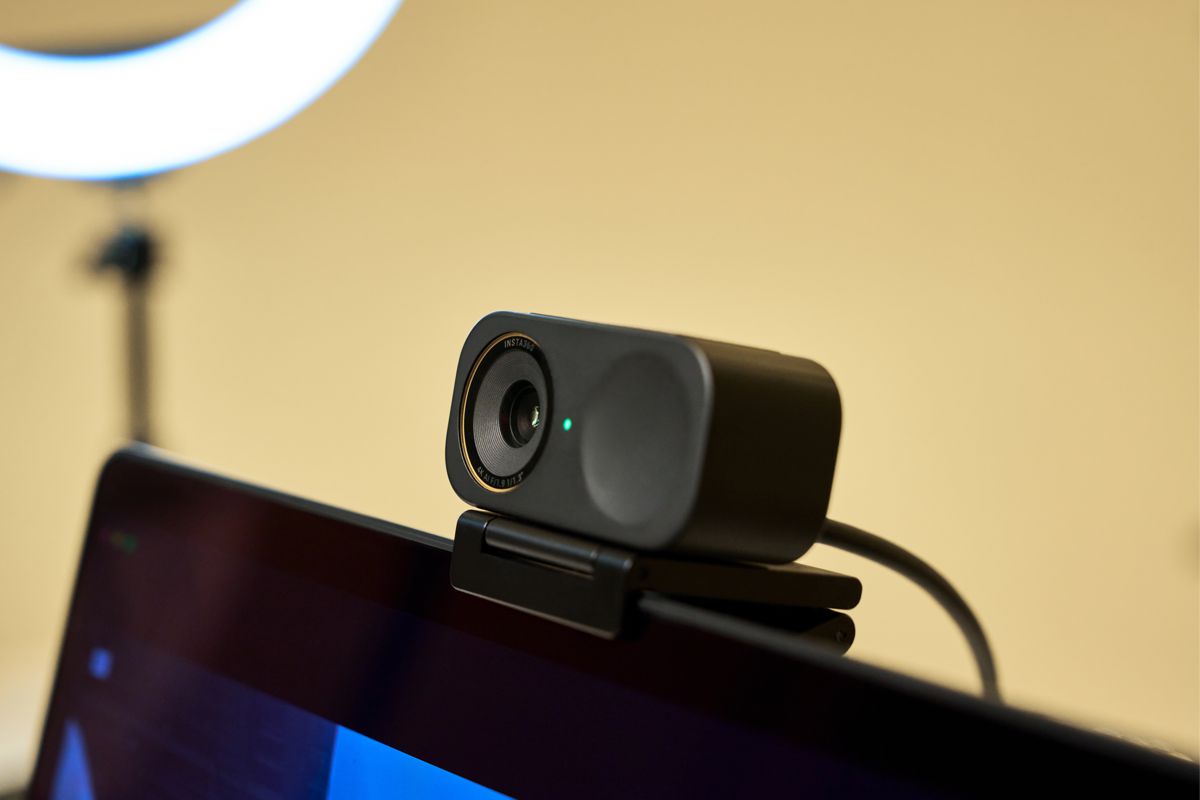
Insta360 Redefines the AI Webcam for Professional Work at CES
For much of the past decade, webcams have lagged behind the realities of modern work. While construction, infrastructure, and industrial technology sectors have embraced digital twins, remote inspections, and hybrid collaboration, the humble webcam has often remained a weak link, undermining credibility in virtual meetings, training sessions, and live demonstrations. The launch of the Insta360 Link 2 Pro and Link 2C Pro signals a deliberate attempt to close that gap, not with incremental upgrades, but by redefining what a professional webcam is expected to deliver.
Insta360 has positioned its latest AI-enabled 4K webcams as tools for serious work rather than casual calls. This matters beyond the creator economy. As remote design reviews, digital site briefings, and online training become routine across construction and infrastructure, image clarity, audio precision, and ease of use increasingly influence trust, authority, and efficiency.
Why Webcam Quality Now Carries Commercial Weight
Hybrid work is no longer an interim solution. Engineering consultancies, project financiers, and equipment manufacturers now operate across time zones as standard practice. In that environment, poor video and audio quality does more than irritate participants, it can dilute technical explanations, slow decision-making, and erode confidence during high-value discussions.
Against that backdrop, the Link 2 Pro’s recognition with a 2026 CES Picks Award reflects a broader market shift. Webcams are being judged less as accessories and more as professional infrastructure, particularly where remote collaboration substitutes for travel-intensive site visits and in-person meetings. The demand is not novelty, but reliability, clarity, and control that fits seamlessly into daily workflows.
Imaging Technology That Mirrors Professional Cameras
At the core of both Link 2 Pro and Link 2C Pro is a 1/1.3-inch sensor, notably larger than those found in conventional webcams. Sensor size remains a defining factor in image quality, especially in low-light conditions common in home offices, temporary site cabins, and shared workspaces. The inclusion of dual native ISO allows the camera to adapt more naturally to changing lighting, reducing noise without flattening detail.
Support for 4K resolution at 30 frames per second provides headroom rather than excess. For professional users, this enables sharp downscaled video in conferencing platforms while preserving clarity for recordings, training archives, and live broadcasts. The updated HDR processing further balances highlights and shadows, a practical advantage when users move between screens, whiteboards, and physical objects during presentations.
Focus, Framing, and the Human Factor
Autofocus is often overlooked until it fails. Insta360’s True Focus system uses phase detection autofocus to maintain sharpness during movement, an important consideration for instructors, presenters, and technical specialists who need to demonstrate equipment or diagrams without pausing to reset focus.
For those seeking a more natural, camera-like aesthetic, Natural Bokeh introduces controlled background separation. While shallow depth of field is often associated with marketing or creative content, its real value in professional settings lies in reducing visual clutter, keeping attention on the speaker rather than their surroundings.
Two Models Reflect Different Professional Use Cases
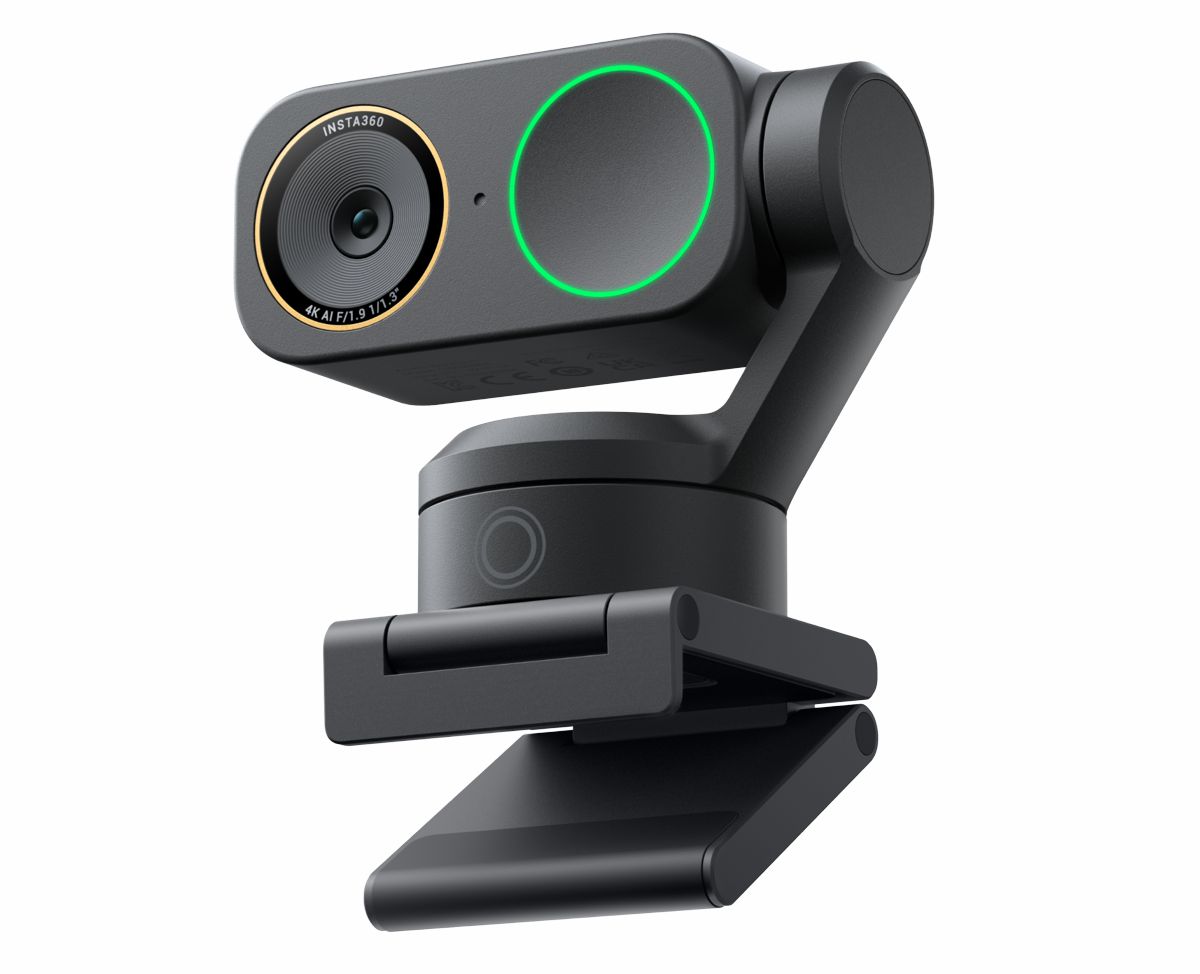
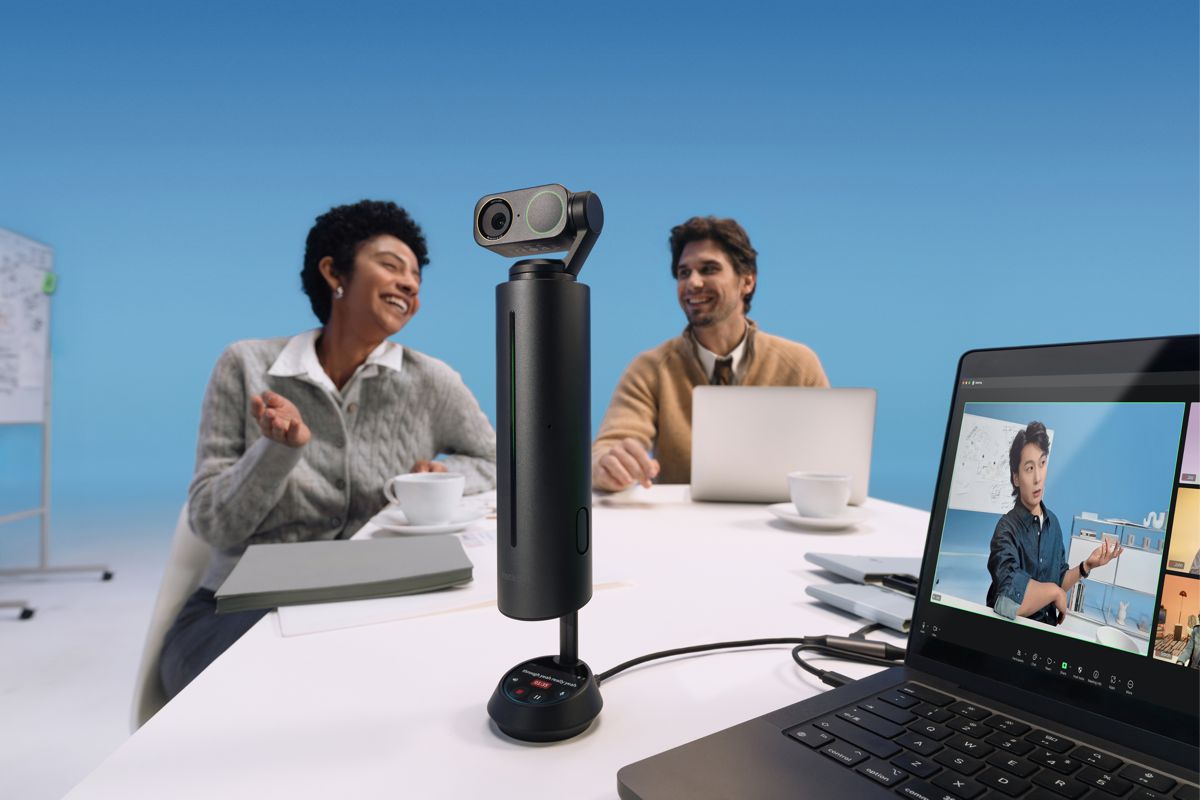
The decision to launch two distinct models acknowledges that not all professional environments are the same. The Link 2 Pro features a two-axis gimbal, enabling smooth AI tracking for users who move around while teaching, presenting, or demonstrating physical processes. This is particularly relevant for training sessions, fitness instruction, and interactive workshops.
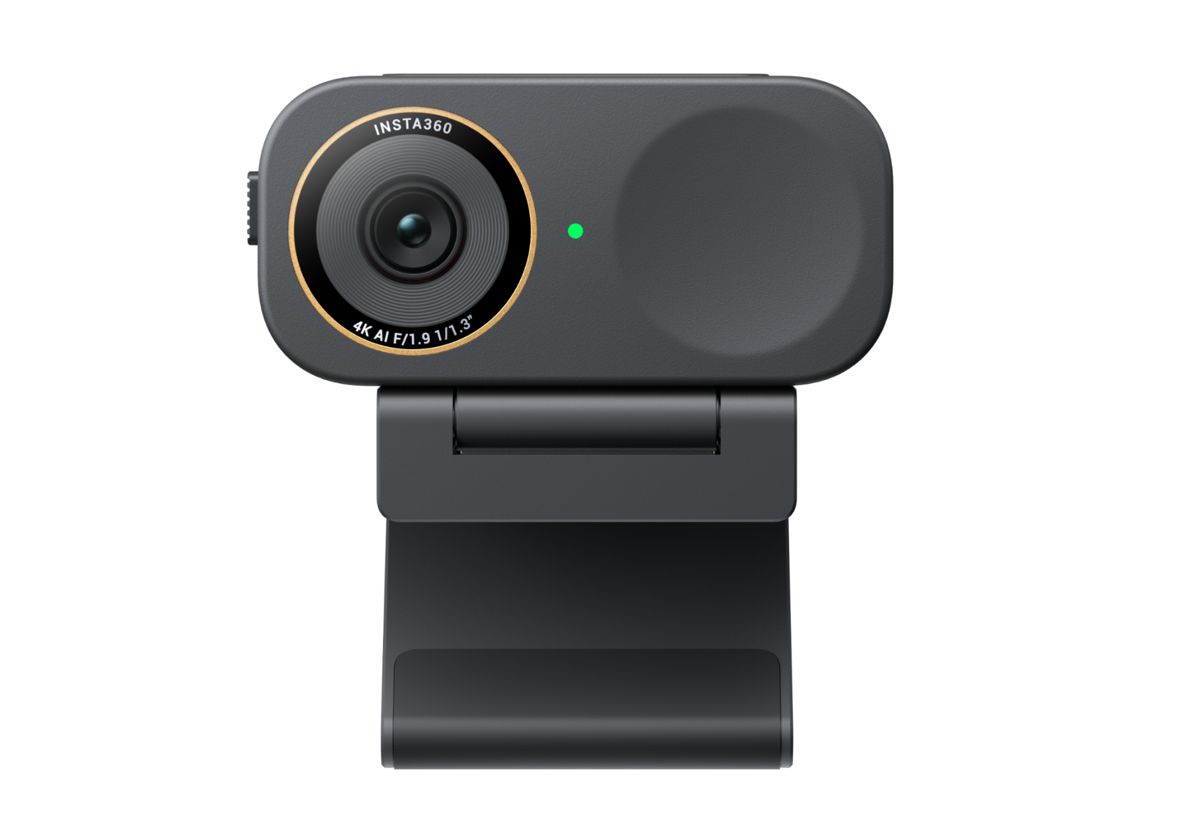
The Link 2C Pro, by contrast, adopts a static design optimised for fixed-position use. It retains the same core imaging and AI capabilities but focuses on reliable auto framing rather than physical movement. For boardrooms, streaming setups, and standard video calls, this approach prioritises consistency and simplicity.
Both models share an improved magnetic mount, a small but practical detail that supports quick deployment on monitors or metal surfaces, reducing setup friction for mobile or temporary workspaces.
Audio Moves from Afterthought to System Design
In many professional scenarios, audio quality matters more than video. Muffled speech or intrusive background noise can derail discussions far faster than imperfect visuals. Insta360’s redesigned audio system combines an omnidirectional microphone with a directional mic, supported by beamforming and AI noise cancellation.
The inclusion of four selectable pickup modes reflects an understanding that environments vary. Open-plan offices, shared workspaces, and home studios each present different acoustic challenges. By allowing users to choose between natural sound, focused voice isolation, or wider pickup for group discussions, the system adapts without requiring external microphones or complex configuration.
Workflow Integration and Hands-On Control
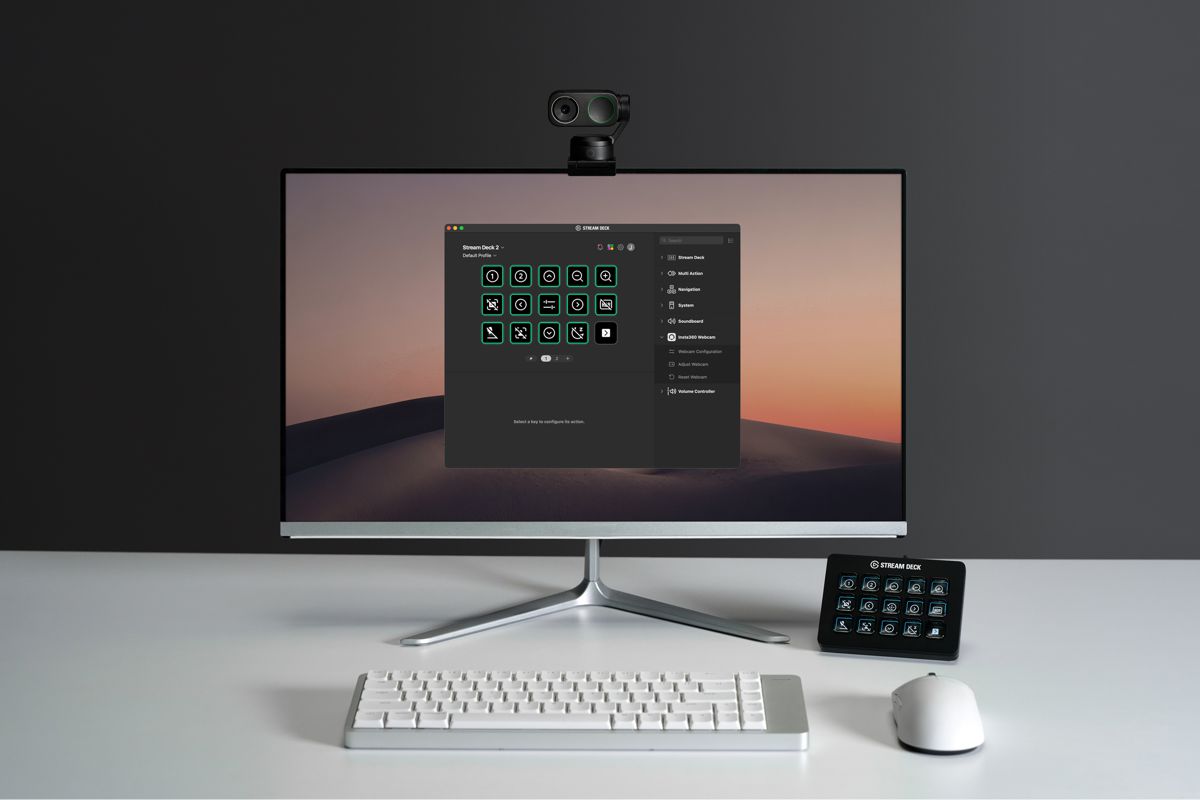
Beyond raw performance, professional adoption often hinges on how easily tools integrate into existing workflows. Native compatibility with the Elgato Stream Deck provides tactile control over exposure, white balance, presets, and AI functions. For streamers and presenters managing live content, this reduces cognitive load and allows adjustments without interrupting delivery.
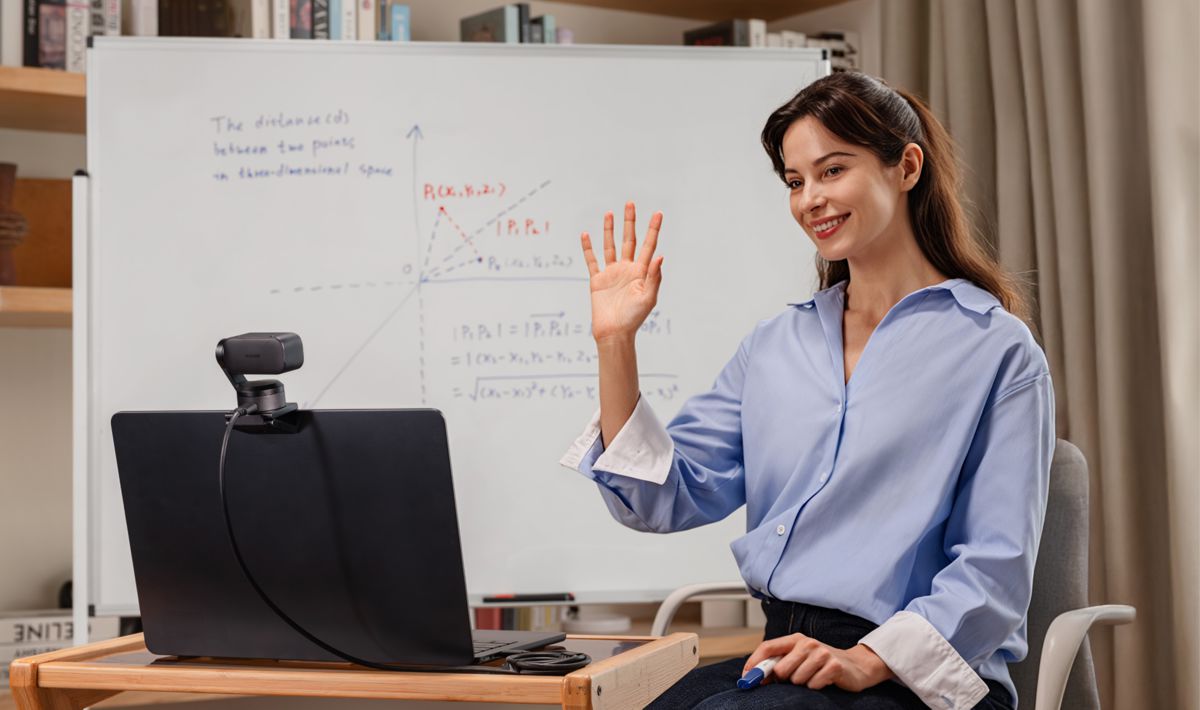
Gesture control extends that philosophy further, enabling hands-free operation for starting or stopping tracking, zooming, and activating presentation modes. In practice, this supports more natural interaction, particularly during demonstrations or collaborative sessions where reaching for controls would be disruptive.
AI Features That Support, Rather Than Distract
AI has become a catch-all label, often applied where it adds limited practical value. In this case, the emphasis is on utility. AI tracking and auto framing are designed to keep speakers centred without constant manual correction. Customisable tracking zones and privacy pauses offer reassurance in professional contexts where boundaries matter.
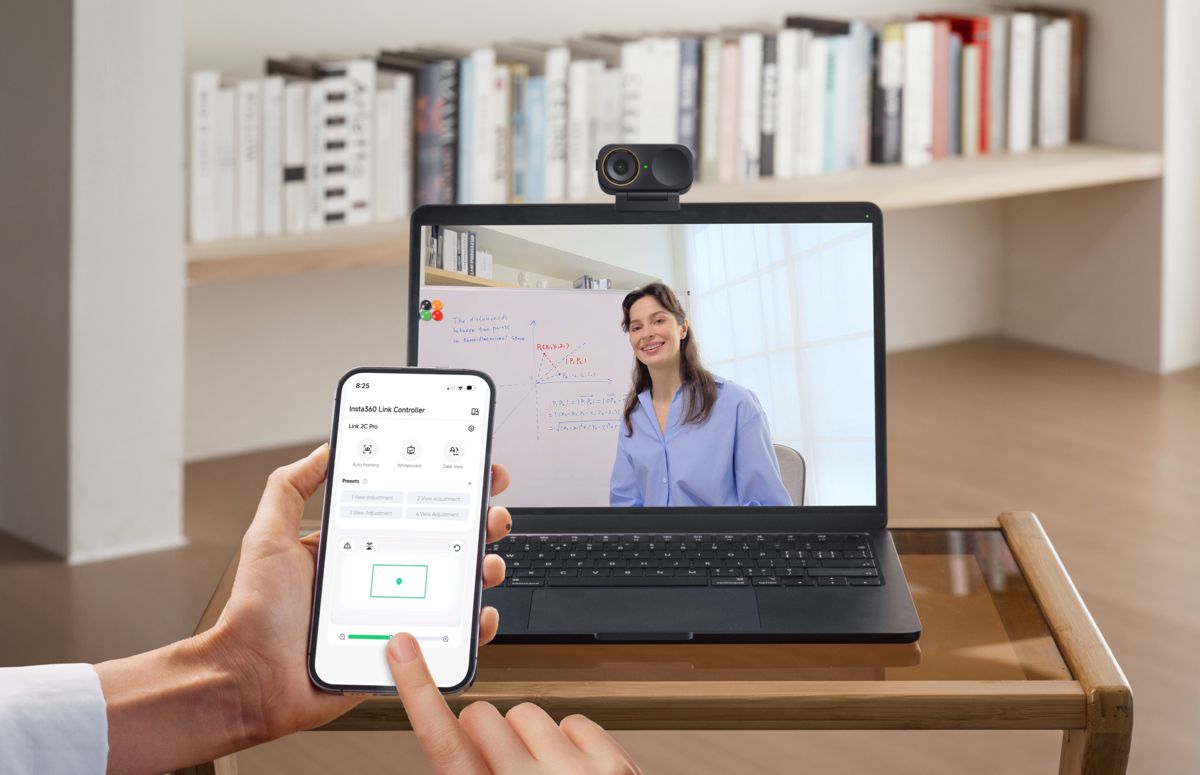
Scene presets allow users to switch instantly between saved configurations, supporting transitions between discussion, presentation, and demonstration modes within a single session. For educators and technical trainers, this flexibility reduces setup time and maintains momentum.
Tools for Teaching, Demonstration, and Digital Collaboration
Both webcams support a range of modes tailored to knowledge sharing. Smart Whiteboard Mode automatically recognises and frames whiteboards, while DeskView provides overhead capture for sketches or product walkthroughs. Green screen and virtual background features offer cleaner compositing for branded or privacy-conscious environments.
Portrait mode enables uncropped vertical 4K video, reflecting the growing overlap between professional communication and mobile-first platforms. As organisations increasingly repurpose content across channels, this adaptability becomes a practical advantage rather than a novelty.
From Webcam to Meeting System with Integrated AI Assistance
The integration with Insta360 Wave extends the Link 2 Pro beyond a standalone device. By combining camera-side AI tracking with room-aware audio capture, the system supports more dynamic meetings where speakers shift naturally. Active speaker detection helps remote participants follow conversations without manual camera control.
In parallel, Insta360 InSight introduces an AI-assisted approach to meeting documentation. Automated recording, transcription, and summarisation address a persistent pain point in distributed teams. By organising notes into a searchable knowledge hub, the system supports continuity and accountability without adding administrative burden.
Positioning Within a Crowded Technology Landscape
Priced at $249.99 for the Link 2 Pro and $199.99 for the Link 2C Pro, the new models sit above entry-level webcams but below the cost of assembling separate camera and microphone systems. For professionals who rely on consistent remote communication, that pricing reflects a shift toward viewing webcams as productivity infrastructure rather than peripherals.
The broader significance lies in how devices like these align with ongoing digital transformation across construction and infrastructure. As remote collaboration becomes embedded in project delivery, tools that reduce friction and enhance clarity directly support commercial outcomes.
Where Professional Communication Is Headed
The launch of the Link 2 Pro and Link 2C Pro illustrates a maturation of the webcam market. Rather than chasing novelty, the focus is on reliability, adaptability, and integration. For sectors accustomed to high standards in equipment and systems, that shift is overdue.
By addressing imaging, audio, and workflow as a cohesive whole, Insta360’s latest webcams reflect a recognition that professional communication now extends far beyond the meeting room. In an industry landscape defined by distributed teams and digital collaboration, clarity has become a form of competence.