Evolving the Quarry and Mining Workforce From the Rockface to Cyberspace
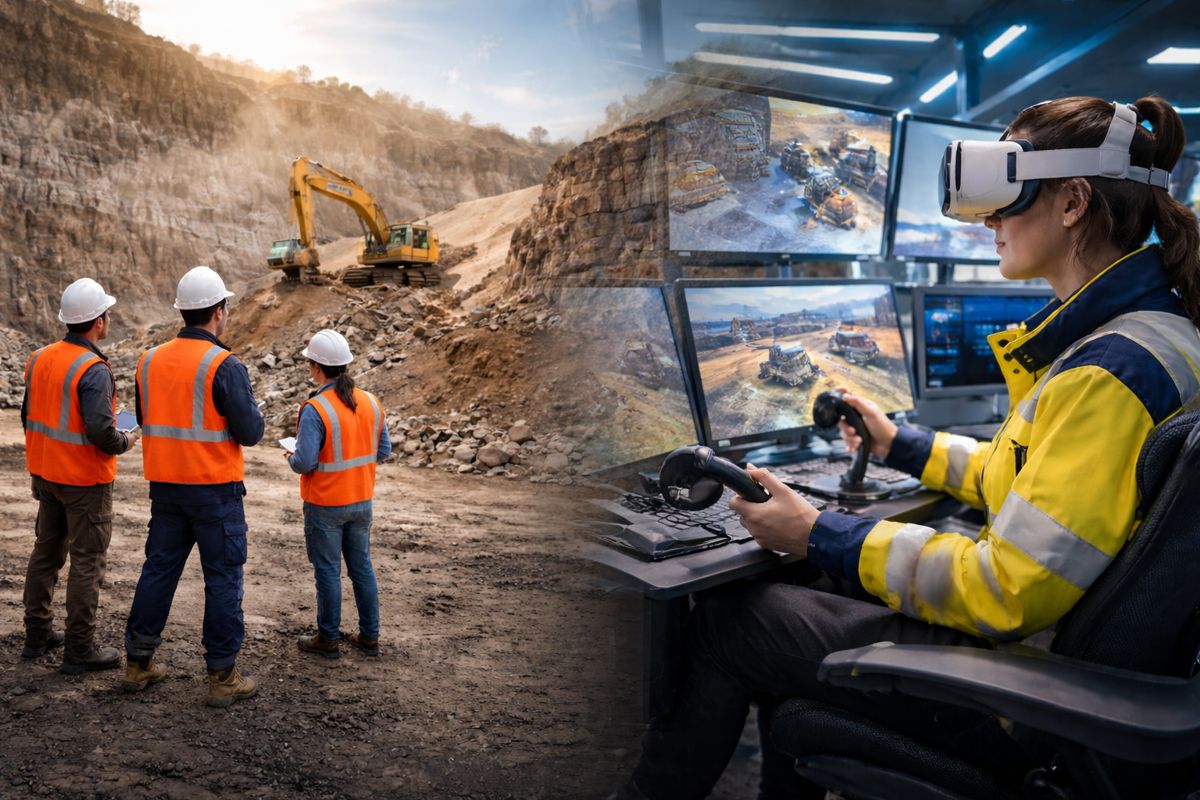
In a remote control centre far from any pit, a young technician monitors drilling data on multiple screens as autonomous trucks haul ore below. On the other side of the world, a group of new recruits pulls on virtual reality headsets for a safety drill deep “underground.” Scenes like these were once science fiction, but they’re quickly becoming business as usual in quarrying and mining.
As the sector hurtles into a tech-driven future, one element is more critical than ever: people. An industry that literally built our modern world now faces a transformative challenge, ensuring it has the skilled workforce to keep building that world safely, sustainably, and smartly in the decades ahead.
The numbers tell a sobering story. A generational cliff looms over mining and quarrying workforces in many countries, with a wave of retirements poised to create a serious talent gap. In the United States, for example, more than half of the mining workforce is forecast to retire by 2029, some 221,000 workers, set to exit in one decade. Globally, surveys find 71% of mining executives already feel talent shortages are holding back production and strategy. Yet at the same time, attracting fresh talent has never been harder.
Nearly 70% of young people worldwide say they “probably or definitely” would not consider a career in mining. This disconnect between an ageing workforce and wary next generation raises an urgent question: who will power the mines and quarries of tomorrow? The answer will depend on how fast the industry can shed its old image, embrace new skills, and put its people, their safety, education, and well-being, at the centre of its future.
From Picks and Shovels to Code and Drones
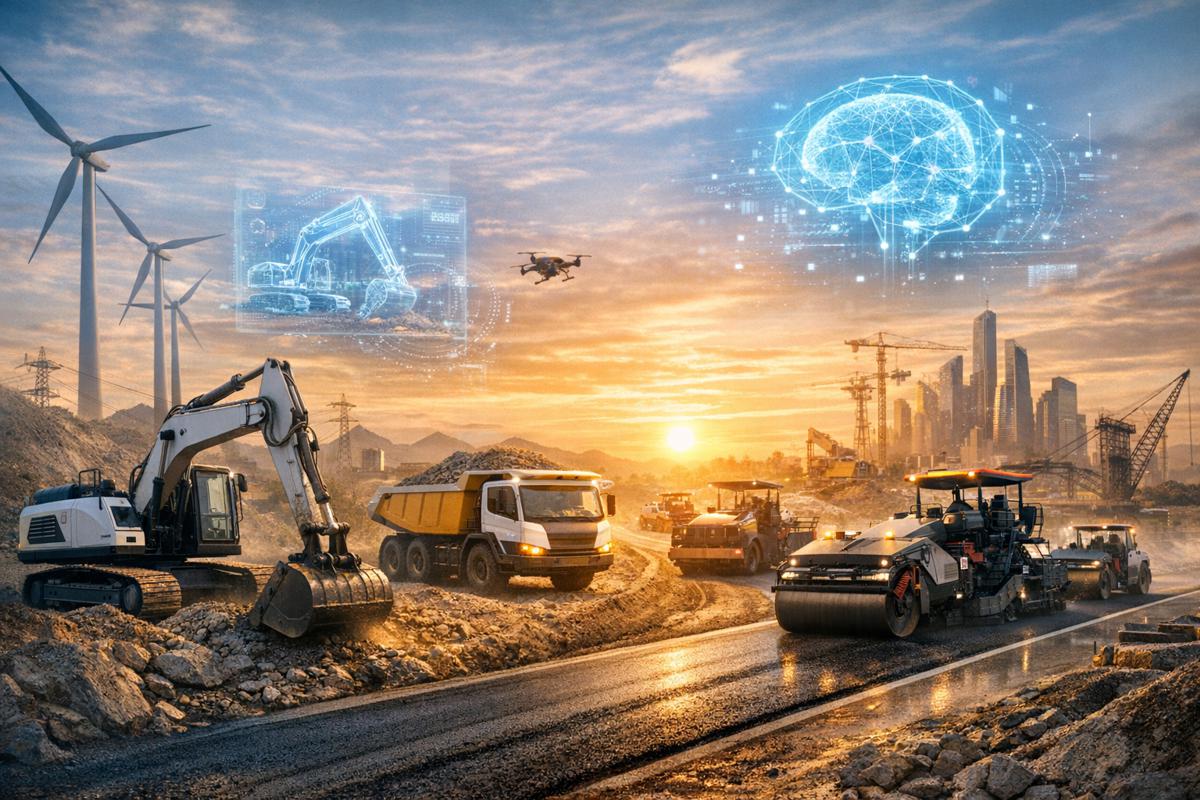
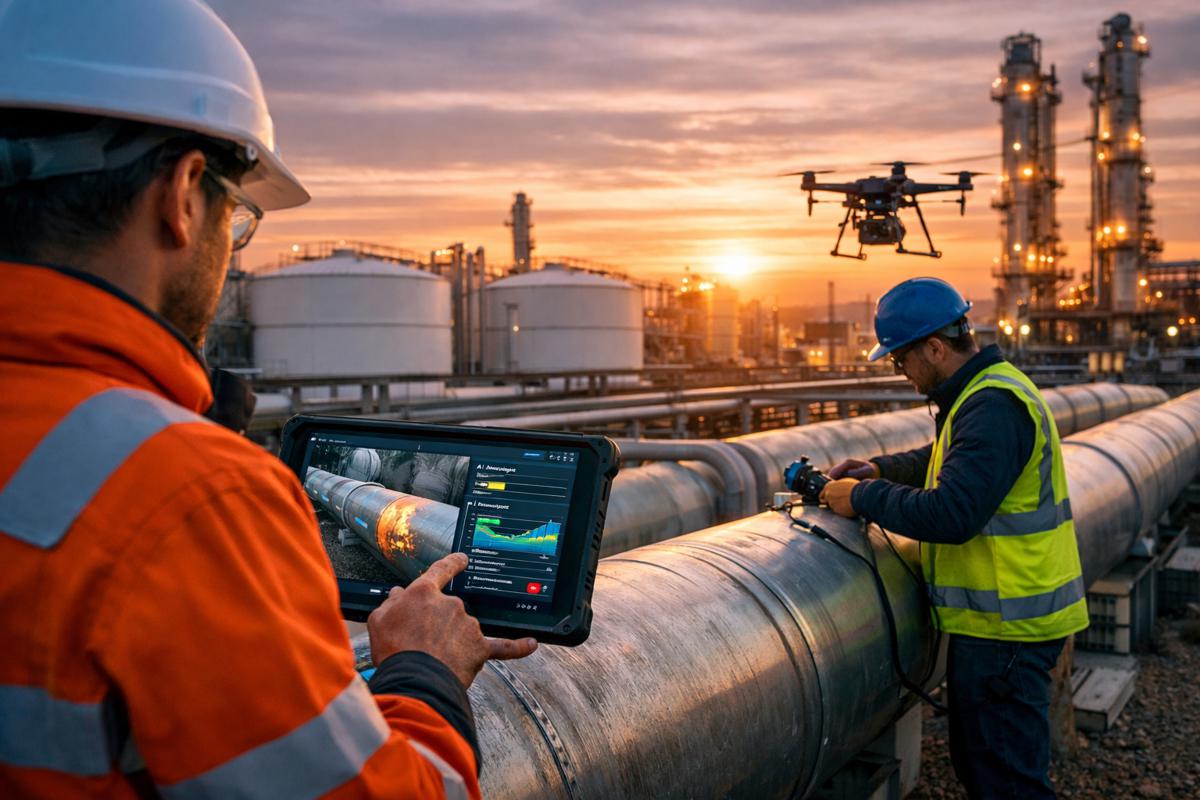
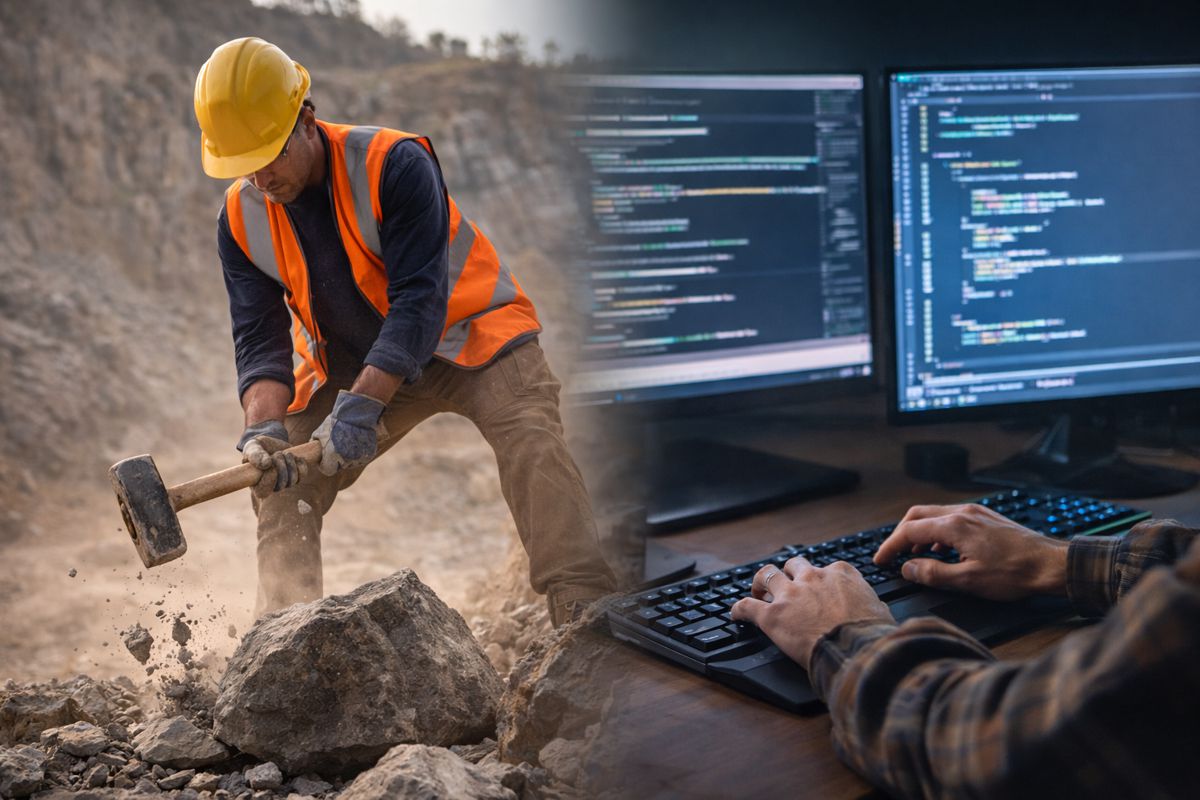
Walk into a modern quarry or mine today and it’s immediately clear that the skillset required is evolving. The cliché of miners with picks and shovels is long outdated, replaced by technicians with tablets and engineers fluent in data. “The message is that a quarry today might involve working with AI systems, designing drone flight plans, or managing renewable energy microgrids to power electric loaders,” notes one industry recruitment expert, highlighting how cutting-edge technology is now part of daily operations. In other words, extracting rock in the 21st century is as much about digital savvy as it is about brute force. The future quarry team will likely include data engineers and automation specialists working alongside traditional geologists and heavy equipment operators, reflecting how mining roles are blending high-tech and hands-on expertise.
Driving this shift is the rapid adoption of technologies like automation, artificial intelligence (AI), and electrification across the sector. Mines are rolling out sensor networks, analytics software, and autonomous machinery to boost productivity and sustainability. But these innovations demand new competencies. Today’s mining has “less to do with picks and shovels, and more to do with data,” as mining analyst Carly Leonida puts it. She emphasizes that companies now “need to explain how data analytics and AI are used to support exploration and sustainable excavation in order to attract talent that otherwise would go to big tech.” In practice, this means that a haul truck operator might also need to interpret fleet management software readouts, or a drilling supervisor might collaborate with data scientists optimizing ore discovery models.
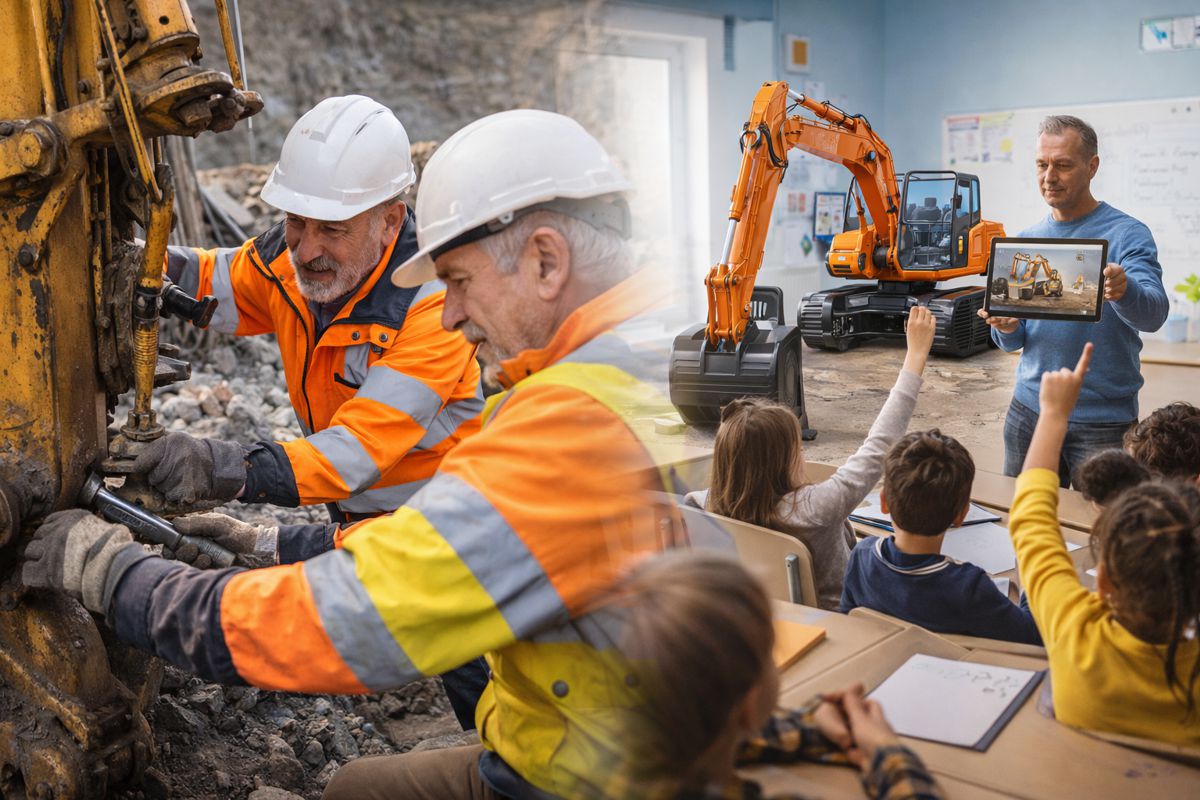
Training pipelines are starting to catch up. In regions rich in mining and quarrying, educational curricula are being updated to include mine automation, data science, and even VR simulation training to prepare students for high-tech mining jobs. Some apprenticeship programs now rotate young recruits through the IT department as well as the pit, giving them a holistic understanding of how digital systems underpin modern production. The long-term goal is a workforce that isn’t just unafraid of technology, but adept at leveraging it to make operations smarter, safer, and more efficient. Early signs are encouraging: once exposed to new tools, many crews take pride in mastering them and even begin suggesting tech improvements themselves. Companies that succeed in this workforce transformation will hold a competitive edge, proving that even a centuries-old industry can reinvent its skill base for the digital age.
Yet bridging the mining skills gap is no simple task. A generation of seasoned veterans is nearing retirement with too few newcomers in the wings. In Australia, mining engineering enrolments have plummeted 63% since 2014, and in the U.S. mining graduations dropped 39% since 2016, a worrisome trend that leaves critical roles unfilled. To cope, many firms are casting a wider net, recruiting from adjacent sectors like manufacturing, oil & gas, or the military for roles such as heavy equipment operators and maintenance specialists.
Hiring is increasingly based on transferable skills rather than strictly mining experience, reflecting a willingness to bring in people who can be quickly upskilled in mining contexts. At the same time, core disciplines like engineering and geology remain essential. The challenge is balancing the infusion of fresh tech talent with nurturing a pipeline of traditional mining expertise, both will be needed in tandem. As one veteran quips, autonomous drills, drones and AI algorithms are powerful tools, but it still takes human insight to interpret a drill core or decide where to break ground. The future of mining work will demand multidisciplinary teams that blend hardhat know-how with digital dexterity.
Courting the Next Generation
For all the talk of technology, the mining sector’s fate might hinge on something less tangible: its image. Rightly or wrongly, many young people continue to see mining as a “dirty, dangerous” profession stuck in the past. Changing this perception is step one in winning over the next generation. That’s why industry leaders are now hitting conference stages and social media feeds to broadcast a new narrative, mining as a high-tech, purpose-driven field that can help solve global challenges. Modern operations use AI, machine learning and remote-controlled machinery, and companies are committing to bold climate goals, messages crafted to spotlight mining as a forward-thinking industry aligned with young workers’ digital skills and values.
There is real substance behind the spin. To captivate Gen Z and millennial talent, some miners are highlighting their role in enabling the clean energy transition, an angle with broad appeal. “Mining couldn’t be more relevant to the challenges we are facing… mining underpins 50% of the global economy and neither tech nor agriculture could exist without mining,” Leonida notes, underscoring that critical minerals for batteries, wind turbines and smartphones all start in mines. Over 90% of STEM students surveyed said they could consider a mining career if convinced the industry is contributing to climate solutions. This suggests reframing mining as part of the climate solution, for instance, producing copper for electric vehicles or lithium for storage batteries, can help engage idealistic young candidates who want “jobs with purpose.”
Mining companies are catching on. Transparent pledges toward net-zero emissions, investments in land reclamation and community development, and public commitments to environmental, social, and governance (ESG) goals are now common talking points to build trust with eco-conscious youth. The subtext is clear: a job in mining can be a chance to change the industry (and the planet) for the better from within, rather than an ethical compromise.
All the same, bridging the reputational gap will require more than polished brochures. Young professionals today are also laser-focused on the day-to-day reality of work life. They prize things like flexibility, growth opportunities, and wellness, areas where mining has historically lagged with its remote job sites and tough rosters. Here, too, change is afoot. Companies are experimenting with policies to improve work-life balance, knowing that nearly three-quarters of Gen Z employees expect long-term flexible work options. Some operators now offer fly-in/fly-out (FIFO) scheduling that is more accommodating, shorter rotations, options to extend breaks for important life events, even exploring hybrid arrangements for certain roles.
Continuous learning is another drawcard: robust training programs, tuition reimbursement, and clear career progression pathways can signal to young hires that they won’t stagnate in some dusty outpost. Many firms have begun touting not just good pay, but also wellness programs and mental health support in their employment packages, in line with younger workers’ holistic view of a “good job”.
Even the mining camp is getting a millennial-friendly makeover. In Western Australia, for instance, top companies have opened resort-style accommodations to entice and retain employees. At BHP’s remote South Flank iron ore mine, the new Mulla Mulla village features a three-story café, CrossFit gym, swimming pool, squash courts and even virtual golf simulators. Rival firm Mineral Resources went a step further, its revamped Onslow Iron camp offers rooms triple the normal size with big-screen video-call TVs and private verandas with BBQs, plus an Olympic-sized pool and sleek recreation centre.
These amenities aren’t about pampering so much as proving a point: that a mining career doesn’t have to mean sacrificing comfort, health or family connections. As one recruitment advisor put it: “Wellness is a big priority for younger talent… Having a high-quality gym or healthy food in the cafeteria aren’t gimmicks. They help you retain and attract the younger generation.”
By investing in lifestyle improvements and broadcasting their values, mining companies hope to turn heads and change minds. The pitch is simple: the industry is transforming, come be part of the transformation. And with a looming “grey tsunami” of retirements set to create tens of thousands of openings in coming years, the door is wide open for the next generation that wants to step through.
From Virtual Mines to Simulation Labs
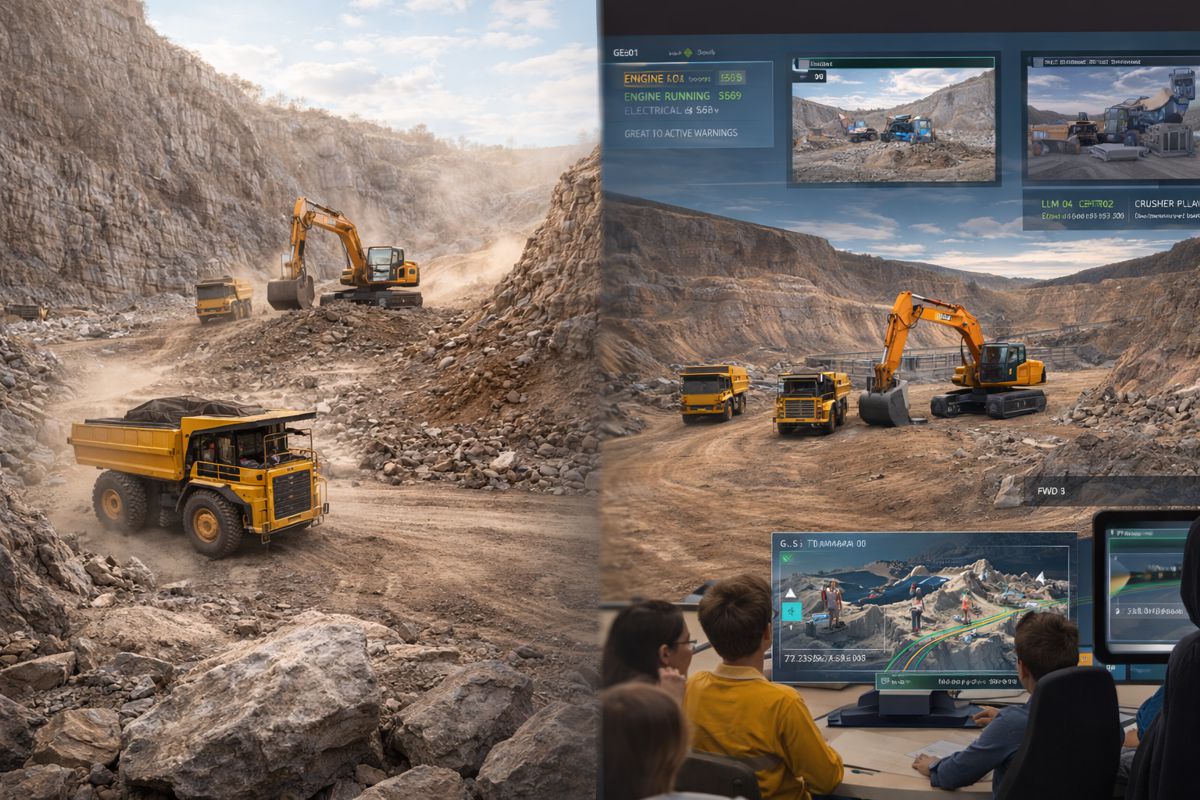
Once new talent is through the door, how do you safely and efficiently turn a novice into a capable miner or quarry engineer? Increasingly, the answer lies in immersive, digital training tools that make learning both safer and faster. Virtual reality (VR), augmented reality (AR), and advanced simulators have emerged as game-changers in mining education, letting workers practice skills in realistic mine environments without the real-world risks.
At Rio Tinto’s Oyu Tolgoi mine in Mongolia, for example, site inductions for new employees now include a VR component where trainees virtually navigate underground tunnels, identify safety gear for different tasks, and locate emergency refuge chambers, all before they ever descend into the actual mine. By simulating hazardous scenarios, from proper explosive placement to responding to an underground fire, VR training allows rookies and veterans alike to experience dangerous situations in complete safety. Mistakes become learning opportunities instead of life-threatening incidents.
The impact on safety and retention of knowledge is significant. Rio Tinto reports that using virtual reality for training helps people remember what they learn better, making sites safer and more productive as a result. Traditional training, by contrast, might involve dense manuals or one-off drills that are hard to recall under pressure. In a VR module, a haul truck driver can virtually drive a 300-tonne truck up and down winding pit ramps, encountering simulated faults or obstacles, until proper reactions become second nature.
Seasoned operators can likewise rehearse emergency responses, like how to react if a loader catches fire, without ever inhaling smoke. The muscle memory and confidence gained in these lifelike simulations transfer directly to the field. It’s the same concept airlines have used with flight simulators for decades, now tailored to mining’s unique challenges: blasting, hauling, underground navigation and more.
But high-tech training in mining goes beyond VR headsets. Many companies deploy full-scale equipment simulators, essentially replica cabins of excavators, trucks or drilling rigs mounted on motion platforms, to train operators. These simulators mimic the jolts and sounds of real operations and inject scripted malfunctions for trainees to diagnose on the fly. The result is a new hire who has effectively spent weeks “in the field” before ever touching an actual machine. This not only prevents costly accidents and equipment damage by rookie mistakes, but also accelerates the learning curve dramatically. Some mining firms have cut training times by half or more using simulators, while improving trainee confidence when they move to real equipment.
Classroom curricula are evolving accordingly. Vocational schools and university mining programs increasingly incorporate digital tools, from mine planning software to AR-enhanced maintenance training, to ensure graduates are comfortable with technology. In one example, a South African mining college created an underground VR mine where students can practice hazard identification and decision-making in a realistic setting, complete with virtual rockfalls and machinery. And in countries like India and Ghana, inexpensive VR mobile setups are being used to deliver safety training to small-scale miners who might never set foot in a formal classroom, democratizing access to modern training.
The consensus in the industry is that these investments in human capital are not optional luxuries but essential to safe, efficient operations. Imagine learning to drive an 85-tonne haul truck for the first time surrounded by noise and giant machines, or imagine doing it first on a simulator, in complete control. Clearly, the latter is preferable. As the saying goes, train hard, mine easy. By embracing digital training, quarrying and mining companies are not just teaching skills, they’re also sending a message to their workforce: nothing is more important than your safety and development.
Automation and Safety
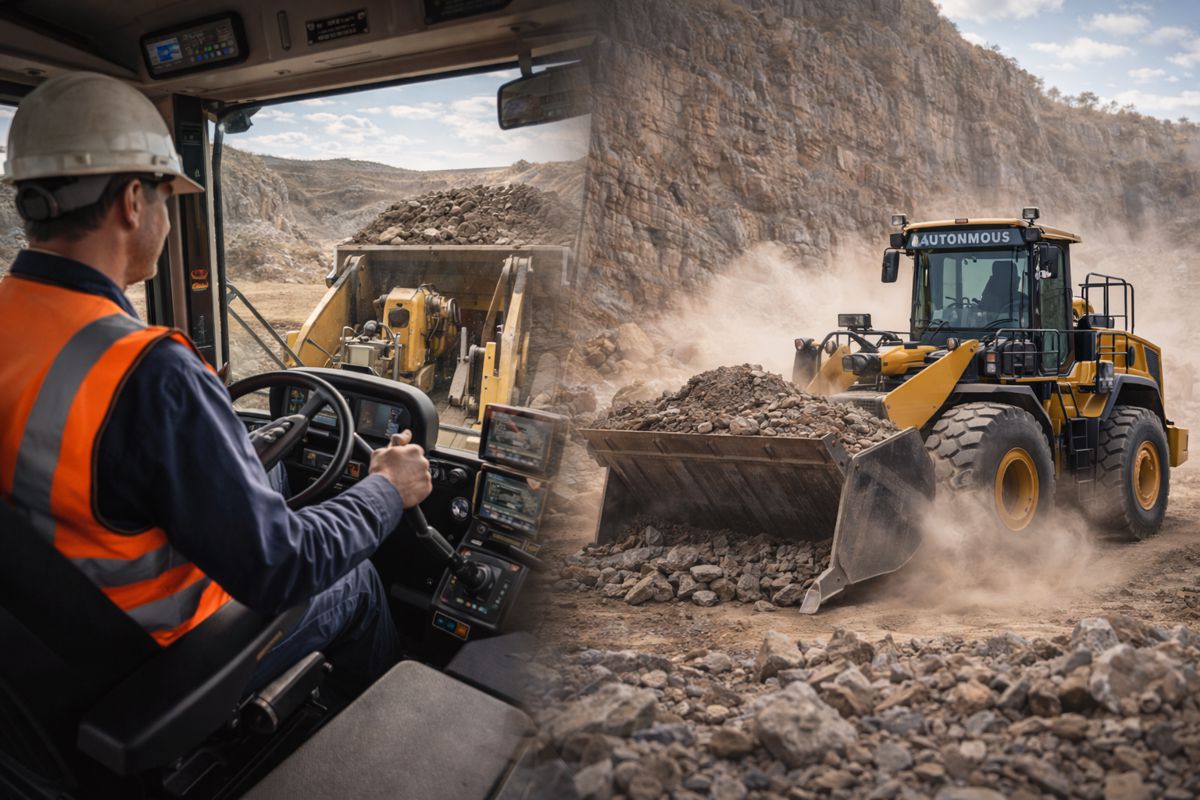
Mining will never be without risks, after all, it involves blowing up and moving giant chunks of earth, but technology is fundamentally altering how those risks are managed. The mantra “zero harm” has echoed in boardrooms for years; now automation and remote operation are bringing that vision closer to reality by literally removing people from hazardous situations. Rio Tinto, which has been automating parts of its operations for over a decade, says increased use of autonomous trucks, drills and even trains is “removing driver error and improving safety” in its mines.
In Western Australia’s Pilbara region, fleets of self-driving haul trucks now ferry iron ore across vast open pits without a single human on board. These robot trucks never tire, never get distracted, and will obediently stop if their sensors detect an unexpected obstacle, dramatically reducing the kinds of incidents caused by human lapses. By some estimates, autonomous haulage has cut certain mine accident rates to near-zero, since common problems like truck rollovers from speeding or fatigue-related errors have been engineered out.
It’s not just haul trucks. Drilling rigs can be operated from an office hundreds of kilometres away, sparing workers the dangers of working next to high walls or under unstable roofs. Blasting can be initiated remotely with everyone at a safe distance. And in underground mines, tele-remote systems let operators pilot loaders via cameras and sensors from surface control rooms, so no one is exposed to rockfall or toxic fumes at the stope.
The ultimate goal some foresee is “zero entry” mining, no human ever sets foot in the active mining zones at all. While that remains an aspirational moon-shot, the pieces are coming together: teleoperated machinery, robotics, and AI-driven control systems that could one day work an entire section without direct human presence. The appeal is obvious, it could eliminate human exposure to everything from landslides to explosions, making mining as safe as overseeing a server farm. Realistically, people will still be needed on site for a long time, but every step toward automation is a step toward fewer chances for fatal mistakes.
Crucially, technology isn’t a panacea on its own, it must go hand in hand with a culture of safety and strong leadership. Smart cameras and IoT sensors now constantly monitor conditions in many operations, from detecting heightened gas levels to tracking workers’ locations for emergency musters. Wearable safety devices can alert staff if they come too near a moving vehicle or enter a forbidden zone, effectively acting as a digital guardian angel on the ground. But getting miners to trust and consistently use these innovations takes leadership commitment. That’s why many companies double down on safety culture when introducing new tech. Anglo American, one of the world’s largest mining companies, offers a telling example.
Facing a troubling fatality rate a few years ago, its new CEO launched a “One Safe Anglo” initiative to overhaul their approach. This included executive-led safety summits, intensive training, and an unyielding message that every incident is preventable. Over four years, Anglo American achieved a 57% reduction in fatalities (from 40 deaths annually to 17) and cut its lost-time injury rate by 17%, remarkable in an industry long seen as inevitably dangerous. The company credits this turnaround to leadership focus and workforce engagement, proving that technology works best in a climate where safety is truly valued from top to bottom.
Automation itself brings new safety considerations, of course. When you replace a speeding haul truck driven by a human with one guided by algorithms, you eliminate human error but introduce cyber and system risks. Mines are keenly aware that as they become digitally connected and remotely accessible, cybersecurity and robust system design are paramount. A malfunctioning sensor or hacked dispatch system could create chaos. Thus, training now extends to teaching personnel how to interact safely with autonomous teammates, for example, protocols for manually intervening when an automated truck has an issue, or ensuring all workers carry a tag that the robots’ sensors detect to avoid collisions.
Some operations have designated “safe zones” and alert systems that shut down equipment if a person is detected where they shouldn’t be. In essence, humans and machines are learning to co-exist safely, each doing what they’re best at. Robots take on the dull, dirty, and dangerous tasks, while people handle the complex judgment calls and maintenance, forming a powerful safety partnership. As one mining manager summed up the philosophy: we aim for mines “where migrating some skills over to robots keeps people safe and productive”, a future where no one gets hurt doing a job that a machine could do instead.
Mental Health and Well-Being on the New Frontier
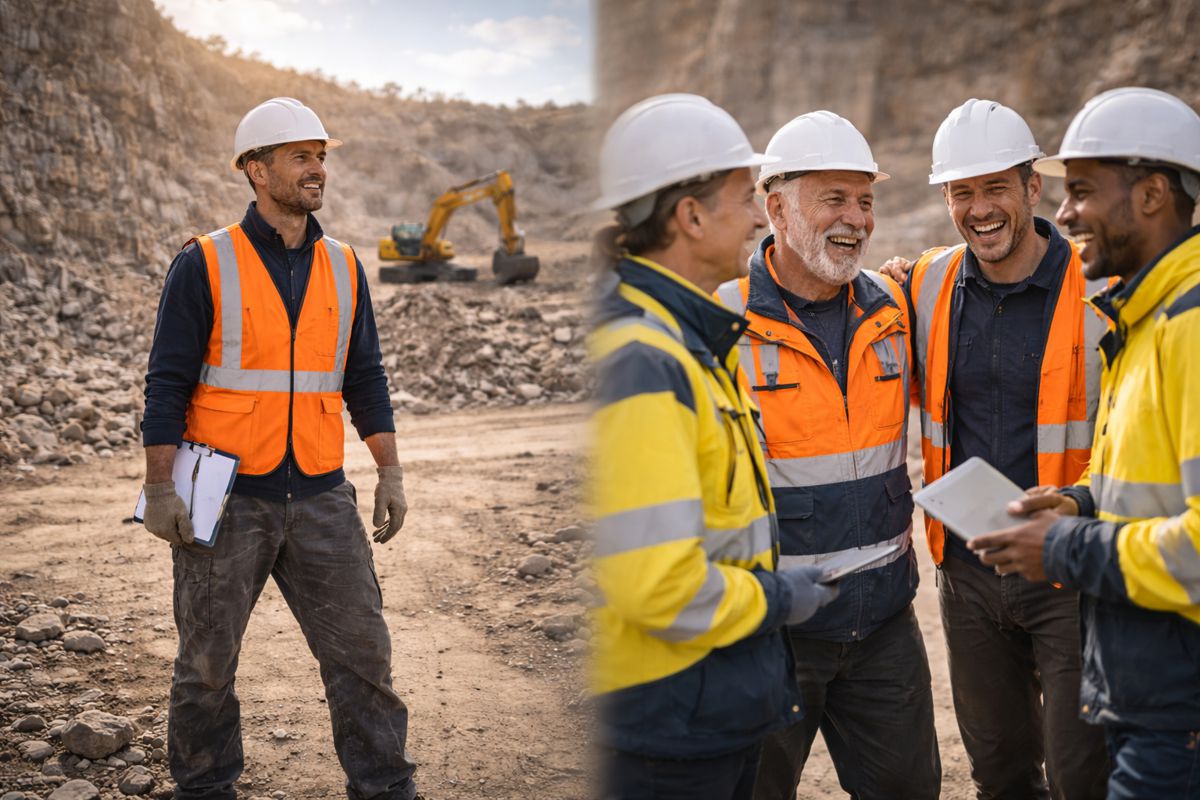
Even as physical dangers are engineered down, the industry is waking up to a different kind of risk, the toll mining can take on workers’ mental health and well-being. The stereotypical miner’s stoicism (“tough it out, no complaints”) masked a growing issue that modern leaders can no longer afford to ignore. Long rotations in isolated camps, high job stress, and the cyclical uncertainty of commodity markets have bred elevated levels of anxiety, depression, and fatigue among mining personnel. In fact, research in Australia, a global mining powerhouse, found that levels of psychological distress are three times higher among remote mining and FIFO (fly-in/fly-out) workers than in the general population.
Industry-wide, suicide rates in mining regions have tragically outpaced national averages, and surveys indicate over one-third of FIFO workers report clinically significant levels of depression, anxiety or stress. These stark figures have been a wake-up call: ensuring workers go home mentally healthy is now as important as protecting them from physical harm.
The shift toward remote operations and teleworking centres, while positive for physical safety, brings its own mental health challenges. Paradoxically, moving miners from the pit to an office can swap one set of stresses for another. Australian companies pioneering remote control centres found that employees operating equipment by screen faced new strains, longer hours, sleep disruptions, and a sense of isolation that led to burnout for some. When your haul truck driver is 700 km away from the mine, working nights behind a desk, fatigue and disengagement can creep in just as easily as when they were onsite. “It’s just as important for a remote operator to have had enough sleep as it is for their counterpart on site to be wearing protective eyewear or a respirator,” one mining executive noted pointedly. In other words, the industry must extend its famous “safety first” ethos to encompass mental well-being and fatigue management with equal vigour.
The response has been multifaceted. Mining companies are increasingly providing robust Employee Assistance Programs (EAPs), on-call counselling services, and peer support initiatives like the “Mates in Mining” program to encourage workers to speak up about struggles. Supervisors are being trained to spot signs of stress or burnout in their teams, an uncharacteristic outburst, a usually diligent worker starting to make mistakes, and to intervene with empathy rather than the old “harden up” attitude. The cultural shift is towards treating mental health risks the same way as physical hazards: identify, mitigate, and don’t stigmatize. Managers are now expected to check in personally with workers, fostering an environment where seeking help is seen as strength, not weakness.
Practical measures are making a difference too. Many FIFO operations have adjusted rosters to be less punishing, for example, shortening the classic “4 weeks on, 1 week off” cycle to allow more frequent home visits, or offering phone and internet connectivity upgrades so workers can stay closely connected with family during off hours. Investments in camp facilities (the gyms, pools, and good food mentioned earlier) are not just for physical fitness but to reduce loneliness and improve mood on site.
Some companies have introduced quiet rooms, better recreational activities, and even mindfulness and stress management workshops at mines. And technology is lending a hand here as well: wearable devices can now monitor biometric signs of fatigue or stress (heart rate, micro-sleeps via eye blinks) and alert both the worker and supervisors when intervention is needed. If a control centre operator’s alertness dips, an algorithm might recommend a break, much like how in-vehicle systems remind truck drivers to rest after long hours.
Ultimately, the push for mental wellness ties back to safety and productivity too. A miner who is exhausted or mentally distracted can be just as dangerous, to themselves and others, as one standing beneath an unstable rock wall. Industry leaders acknowledge that if the sector is to attract and retain scarce talent, it must offer a work environment that supports the “whole person”, not just their capacity to labour. That means caring about workers’ emotional and family life, their sense of purpose, and their need to feel included.
Younger employees especially demand this holistic approach; they want to know their employer “has their back” beyond the pay cheque. The companies that recognize this are implementing what some call the new safety paradigm: making mines and quarries not only physically safe, but psychologically safe workplaces as well. Given that one in three FIFO workers has experienced high levels of psychological distress, there is plenty of room for improvement. But by acknowledging the issue and dedicating resources to it, mining is taking steps to ensure that the brave new world of remote, automated operations doesn’t simply trade old dangers for new ones. A future mine, ideally, is a place where both body and mind are well protected.
Diversity, Inclusion and the Workforce of Tomorrow
If mining’s future is to be sustainable, it must also be inclusive. Traditionally a male-dominated field, mining and quarrying have long underutilized half the world’s talent pool, as well as other underrepresented groups, to the detriment of both the industry and the communities it operates in. Globally, women make up only about 15% of the mining workforce, a figure that has inched up only slowly over the past decade. From the boardroom to the rock face, diversity in mining has lagged behind other sectors due to a mix of historical biases, harsh working conditions, and even legal barriers in some countries that until recently restricted women from certain roles. Now, however, a powerful consensus is emerging that broadening participation isn’t just a social nicety, it’s a business imperative.
The case for a more diverse mining workforce is compelling. Studies show that diverse teams make better decisions and drive stronger financial performance. In fact, mining crews with a mix of genders and backgrounds have been shown to be safer and more productive. Industry giant BHP revealed an intriguing statistic from its operations: work teams that were gender-diverse had a 67% lower injury rate than non-diverse teams. That aligns with broader research indicating companies with more women in leadership experience fewer safety incidents, perhaps due to diverse perspectives on risk and communication. Moreover, a World Bank analysis found that mining firms with women on their boards enjoyed significantly higher profit margins on average. The message is clear, embracing inclusion can literally save lives and boost the bottom line. Diversity isn’t a quota to fill; it’s an asset to leverage.
Recognizing this, many mining companies and governments are taking action to break down the barriers that have kept the industry homogeneous. At the entry level, outreach programs aim to spark interest in mining careers among girls and underrepresented youth. Initiatives range from scholarship programs and female mentorship networks to bringing students on site tours to demystify modern mining. Industry groups like International Women in Mining (IWIM) share success stories of women geologists, engineers, and machinery operators to provide role models and dispel the myth that “mining isn’t for us.”
Some mining regions are even reforming old laws, for instance, overturning bans on women working underground or owning mineral rights, which unbelievably still exist in certain jurisdictions. Progress may be gradual, but the direction is set: policies and cultures are shifting to actively welcome a broader talent pool.
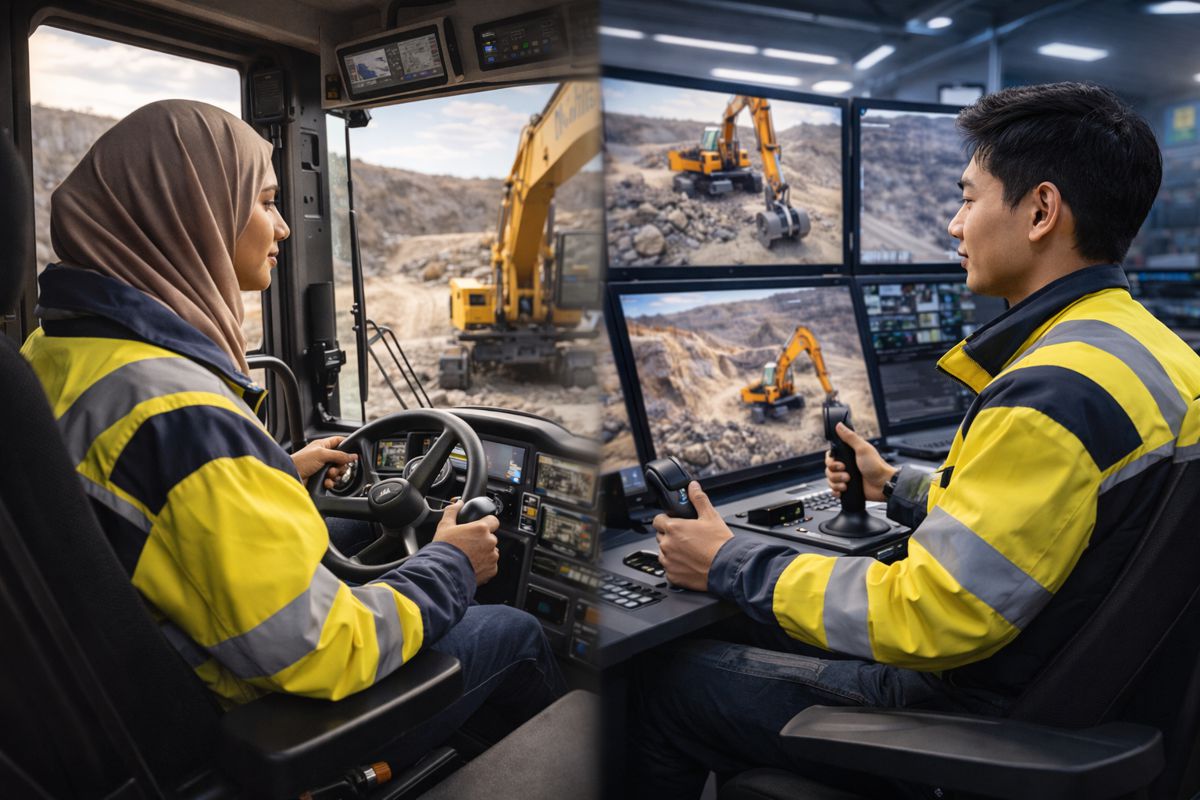
A noteworthy change agent is technology itself. Automation and remote operations, as discussed earlier, have a side benefit of lowering physical barriers to entry. When a haul truck is driven from an air-conditioned control room rather than bouncing along a pit, or when brute strength is less relevant than computer skills, roles historically seen as “man’s work” become more accessible to all. Flexible and remote work options are already attracting more female employees and those with family or health constraints, groups historically under-represented in mining.
In Australia, the move toward city-based remote ops centres has led to increased hiring of women who might not have considered a residential mining town posting, as well as giving opportunities to people with disabilities or others who can excel in a tech-driven environment. Diversity, of course, extends beyond gender, and here too mining is trying to broaden its scope. Many companies are prioritizing local hiring and upskilling, bringing indigenous communities and local residents into their workforce as partners. In Canada’s north, for example, it’s become standard for mines to have apprenticeship and training programs specifically for First Nations locals, recognizing that a mine can leave a positive legacy by developing human capital in the community.
Similarly, across Africa and Latin America, international operators increasingly invest in educating and promoting local talent to leadership, rather than importing all senior staff. These efforts not only improve diversity statistics, they build vital trust and a sense of shared benefit in mining regions.
To be sure, there’s a long road ahead. Female and minority employees in mining still report challenges, from lack of mentorship to lingering biases on the job site. But the momentum is there. The World Bank and other institutions are supporting reforms, and leading mining CEOs now speak openly about the need to “open the doors” for anyone with the talent and drive to join the sector.
As one CEO framed it: “Everyone should be able to find a career in mining. It’s our responsibility as leaders to open that door.” The vision of the future is an industry as diverse as the communities it serves, tapping the full range of human potential. By embracing this vision, mining not only addresses its labour shortage but also gains the creativity, innovation, and social license that come with inclusivity. After all, building the world’s infrastructure is a monumental task, it will take all hands on deck, regardless of gender, ethnicity or background.
People at the Heart of Mining’s Next Chapter
After a month of spotlighting cutting-edge machines, digital twins, and sustainability initiatives, it’s very telling that the conversation in Quarry & Mining Month keeps coming back to where it all begins and ends: people. The quarries and mines of tomorrow will undoubtedly hum with automation, run on renewable power, and rely on sophisticated data analytics. But behind every robot and every algorithm will be human beings, the skilled technicians, the bold engineers, the committed safety officers, the forward-looking managers, who make the industry’s evolution possible.
This transformation is as much about people as it is about technology. The most advanced equipment in the world means little without a workforce trained and motivated to use it to its full potential. Likewise, no sustainability pledge or productivity target can be met without nurturing the next generation of miners, quarry workers and industry professionals to carry the torch.
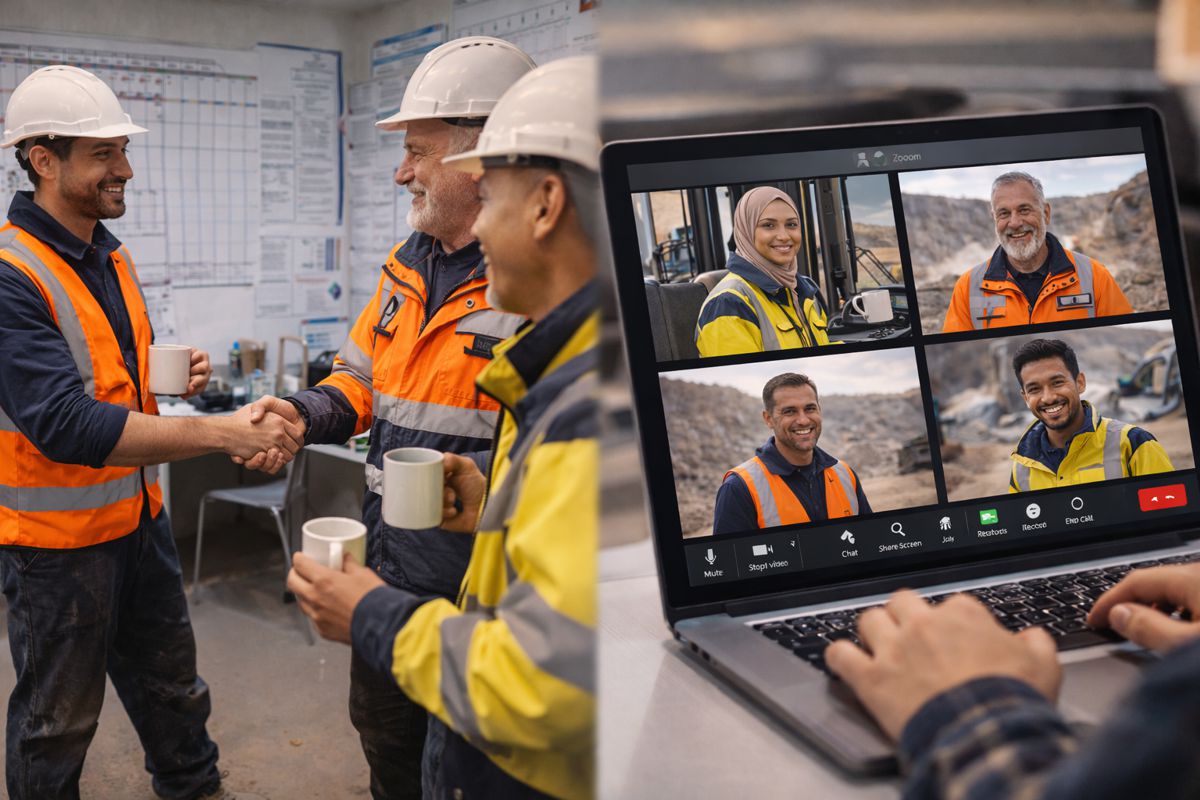
If anything, the coming era will demand more from mining’s people, not less. They will need to collaborate in new ways, seasoned operators working alongside AI specialists, environmental scientists teaming up with project planners, remote operators coordinating with on-site crews. In the most successful operations, management and workers jointly embrace continuous improvement, with every employee becoming “a sensor and a source of ideas,” complementing the digital sensors across the site.
Imagine a veteran maintenance mechanic who notices a recurring issue and feeds back to the analytics team to tweak an AI model, that’s the human-machine symbiosis that turns technology into tangible results. In these mines of the future, you might find a veteran blasting expert mentoring a young data analyst on the nuances of rock behaviour, even as the analyst teaches the veteran new software tricks. The hierarchy of old gives way to a learning culture, where feedback flows in all directions.
There’s no denying that the stakes are high. The world’s infrastructure and climate ambitions hinge on the mining sector’s ability to deliver materials responsibly and efficiently. And that, in turn, hinges on having the right people with the right skills in place. The encouraging news is that around the globe, from the Australian outback to the African copper belt, from Nordic quarries to Andean mines, a new generation is stepping up. They are digital natives who see technology not as a threat but as a tool, women and men who are keen to bring fresh perspectives to a legacy industry, and community-minded workers who expect their employer’s values to align with their own. They will not settle for the status quo, and that’s exactly what mining needs.
For the companies that listen and adapt, the payoff will be a resilient workforce and a secure future. They’ll reap the benefits of an engaged staff that works safer, smarter, and with greater purpose. As an industry, mining has always been about digging deep, now it must dig deep within itself to reinvent how it attracts, trains, and cares for its people.
The vision of the future quarry or mine is one of human expertise and advanced technology working in tandem: the veteran supervisor armed with real-time data dashboards; the young engineer programming drone flights; the control room team ensuring everyone from trucks to drills runs safely and smoothly; and all the while, a culture that values every voice and every life. Such a future, once far-fetched, is rapidly becoming reality one innovation, and one enlightened policy, at a time.
If there’s one takeaway from this exploration of mining’s next frontier, it is that when you invest in people, every other form of progress follows. In carving out the mines of tomorrow, it’s the human element that will truly carve the best path forward, ensuring that the industry’s legacy is not just the resources it extracted, but the lives and communities it uplifted along the way.