Technology Shaping the Future and Changing How We Live
Technology has become an inseparable part of modern life. From the moment we wake up and check our smartphones to the time we go to bed streaming our favourite shows, technology influences nearly everything we do. But beyond convenience, it drives innovation, connects the world, and opens doors to possibilities that were once only imaginable in science fiction.
At its core, technology is about solving problems. It takes human creativity and transforms it into tools that improve efficiency and expand capabilities. Consider how communication has evolved: once reliant on letters that took days or weeks to arrive, we now send messages instantly across the globe. Video calls, social media, and real-time collaboration tools have made distance almost irrelevant in both personal and professional contexts.
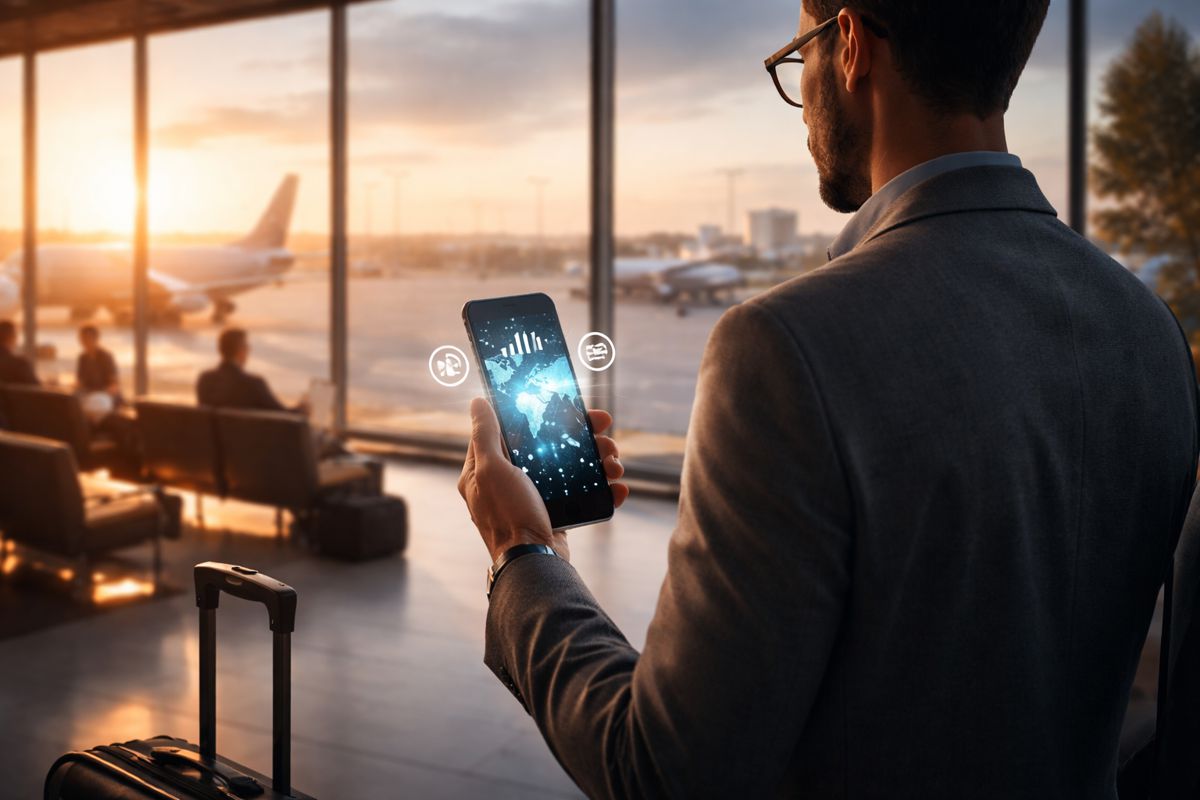
One of the most visible impacts of technology is in the field of mobile connectivity. Today’s travellers rely on seamless internet access more than ever. Traditional roaming options were often expensive and unreliable, but advancements like eSIM technology are changing the game. For people exploring Europe, choosing the best esim ensures they stay connected without the hassle of swapping physical SIM cards or paying hefty roaming fees. eSIMs offer flexibility, easy activation, and coverage across multiple countries—making them ideal for both short trips and extended stays.
Beyond communication, technology plays a pivotal role in healthcare. Innovations such as telemedicine, wearable health monitors, and AI-powered diagnostics are transforming patient care. Doctors can now monitor vital signs remotely, analyse medical images with greater accuracy, and provide consultations online. This not only enhances patient outcomes but also expands access to healthcare services, especially in remote or underserved areas.
Education is another area undergoing significant transformation. Digital learning platforms, virtual classrooms, and interactive content have made education more accessible than ever before. Students can learn at their own pace, access global resources, and connect with educators from anywhere in the world. Technology also enables personalized learning experiences, adapting to individual strengths and weaknesses to support better academic outcomes.
In the business world, technology fuels innovation and competitiveness. Automation, cloud computing, and data analytics allow companies to streamline operations, reduce costs, and make data-driven decisions. Start-ups leverage these tools to disrupt traditional industries, while established organizations reinvent themselves to stay relevant. As artificial intelligence and machine learning continue to advance, businesses that embrace these technologies gain a strategic advantage.
However, rapid technological progress also brings challenges. Concerns around privacy, cybersecurity, and ethical use of data are at the forefront of public discourse. As more aspects of life go digital, protecting sensitive information becomes critical. Governments, corporations, and individuals must work together to build secure systems and create policies that safeguard rights without stifling innovation.
Despite these challenges, the future of technology looks promising. Emerging fields like quantum computing, renewable energy technologies, and biotechnology hold the potential to address some of humanity’s greatest challenges, from climate change to disease eradication. What once seemed like futuristic fantasy is steadily becoming reality.
In conclusion, technology’s impact on society is profound and far-reaching. It connects us, empowers us, and continuously reshapes the way we live, work, and play. As we look forward, embracing innovation while thoughtfully managing its implications will ensure that technology remains a force for positive change.