Smart Home Energy Solutions Perfect for Colorado’s Climate
Colorado’s weather can change fast, sunny mornings, snowy afternoons, and cold nights all in one day. That makes energy use at home a real challenge. The good news? Smart home energy solutions can help you stay comfortable while cutting waste and lowering bills.
From smart thermostats that adjust to your routine to energy-saving windows and efficient heating systems, today’s technology makes it easier to handle Colorado’s unique climate. These tools don’t just save power, they give you more control, better comfort, and peace of mind. In this blog, we’ll explore smart energy options that truly work for Colorado homes.
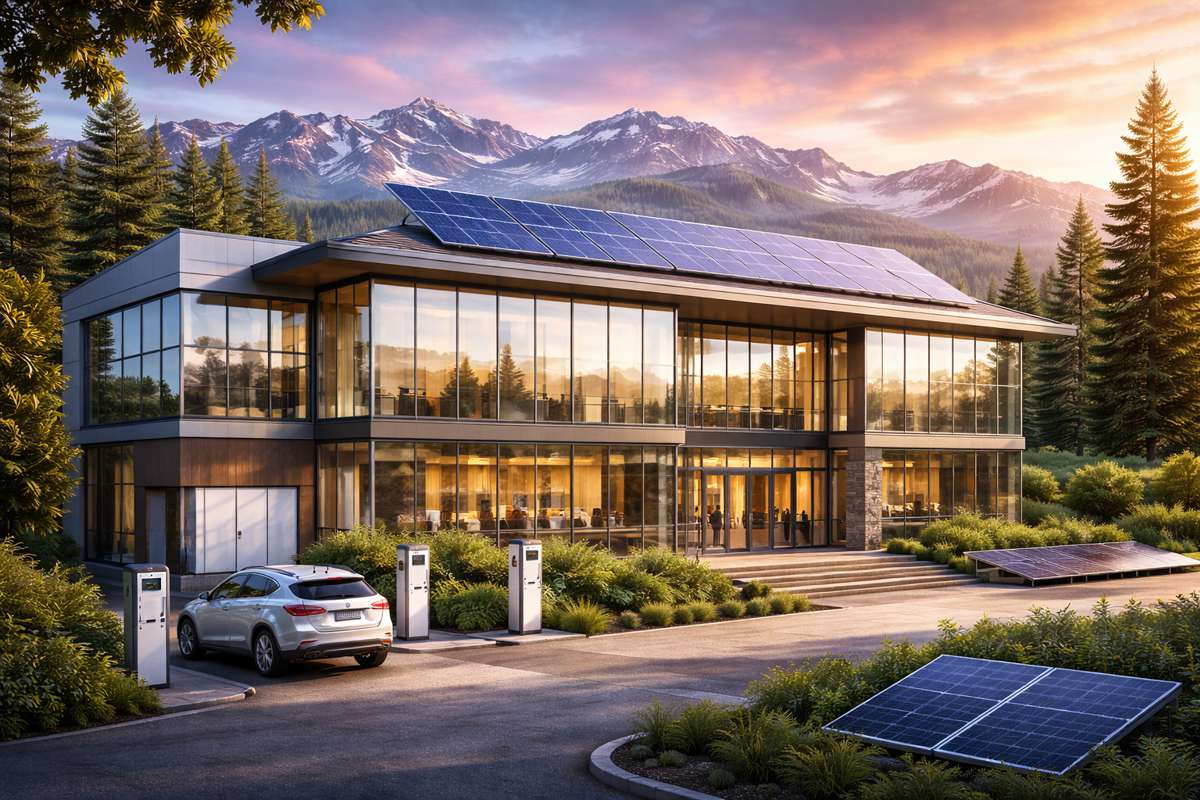
Colorado Climate Energy Profile (Comfort + Cost Drivers You Can Actually Control)
Geography dictates everything here. Energy loads shift dramatically based on whether you’re at 5,000 feet or 10,000, exposed to wind or tucked in a valley, which is why a custom home builders in in Colorado accounts for these variables to optimize comfort and efficiency.
Front Range vs. Mountain vs. Eastern Plains, energy loads by region
Front Range properties deal with heating-heavy winters, but summer brings fierce solar bombardment that demands cooling flexibility. Mountain homes? Longer, harsher heating seasons with infiltration from relentless wind. Eastern Plains residences fight constant gusts and temperature swings that feel like different seasons in a single day. Knowing your zone shapes your automation priorities, mountain dwellings need aggressive freeze safeguards, while Front Range spots gain most from solar-aware shading controls.
The “big four” energy drains in Colorado homes
Space heating dominates your bill, especially when your furnace or heat pump grinds through multi-week cold stretches. Air leakage in two-story or tri-level layouts bleeds conditioned air through stack effect. Water heating systems, particularly recirculation setups in larger homes, run nonstop, torching gas or electricity. Plug loads and poorly scheduled EV charging quietly siphon away savings. Target these four, and you’ll see the biggest returns.
Utility rate and policy factors that change payback
Time-of-use rates punish waste during peak windows, which makes automation crucial. Capacity payments for distributed energy resources now start at $173 per kWH annually, plus another $65 for systems on specific impacted feeders, and aggregations can lock in those incentives for five years. Before you purchase anything, hunt down rebates through your utility, the state Energy Office, and federal IRA programs covering thermostats, insulation, heat pumps, and batteries.
Once you’ve mapped where your energy dollars vanish and how rate structures amplify the damage, the single most impactful move is upgrading your thermostat and configuring it for Colorado’s mood swings.
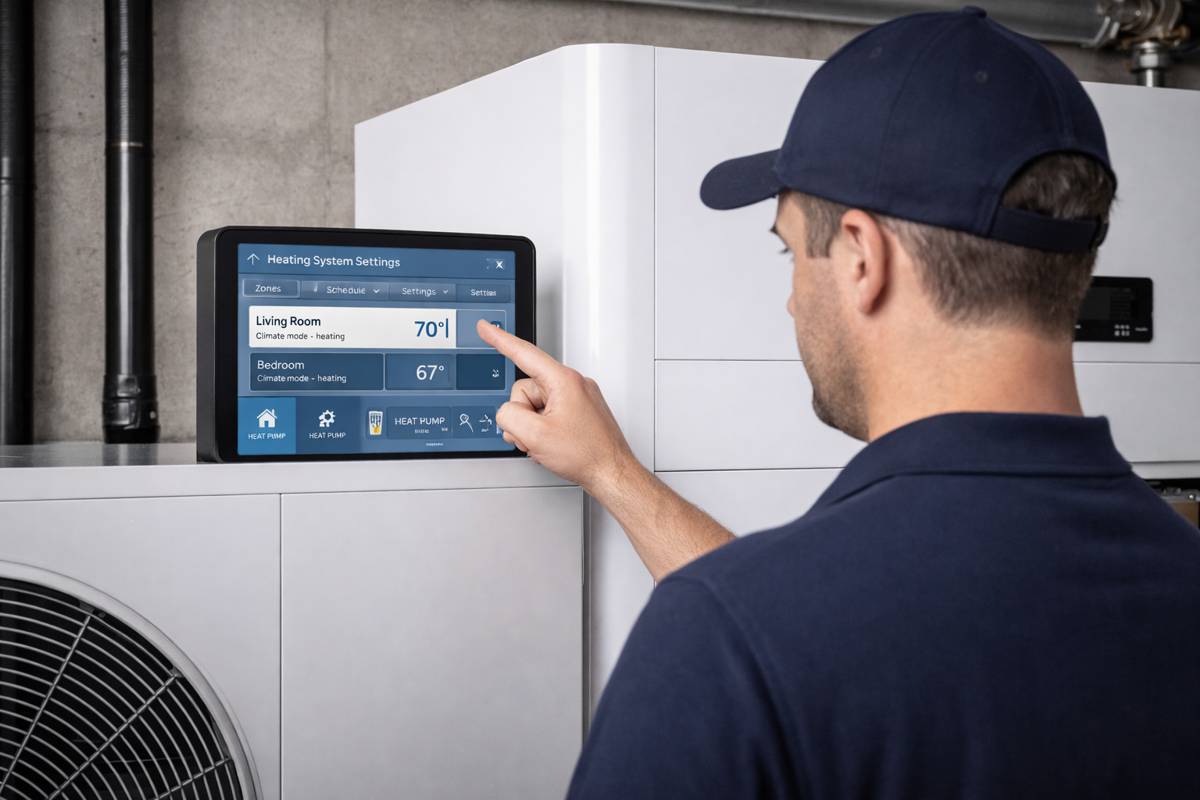
Smart Thermostat Colorado Setup That Actually Saves (Beyond Basic Scheduling)
Generic scheduling won’t cut it here. You need Colorado-tuned features.
Thermostat features that matter for Colorado’s temperature swings
Adaptive recovery warms your home before a cold front slams in, sparing you that miserable wake-up chill. Geofencing drops temps automatically when you head out for a ski weekend. Dual-fuel logic manages your gas furnace and heat pump lockout temps, balancing fuel costs intelligently. Humidity-aware modes keep winter air comfortable without over-humidifying and fogging your windows.
High-impact thermostat automations (actionable recipes)
Build schedules around Colorado’s natural rhythm, warm mornings, cooler nights. Smart setbacks prevent overshoot in older homes with mediocre insulation. For tri-levels: position sensors on every floor to counteract stack effect and stop your upstairs bedrooms from roasting while the basement stays frigid.
Heat pump readiness + thermostat compatibility checklist
Check your wiring first, most smart thermostats demand a C-wire for stable power. Set up cold-climate heat pump parameters, especially balance point tuning for switchover efficiency. If you’re running older single-stage gear, a thermostat upgrade might be necessary to unlock variable-speed performance.
Even the smartest thermostat hits a wall if your home leaks like a sieve. Heated or cooled air escaping through gaps and poorly insulated surfaces limits what automation can achieve.
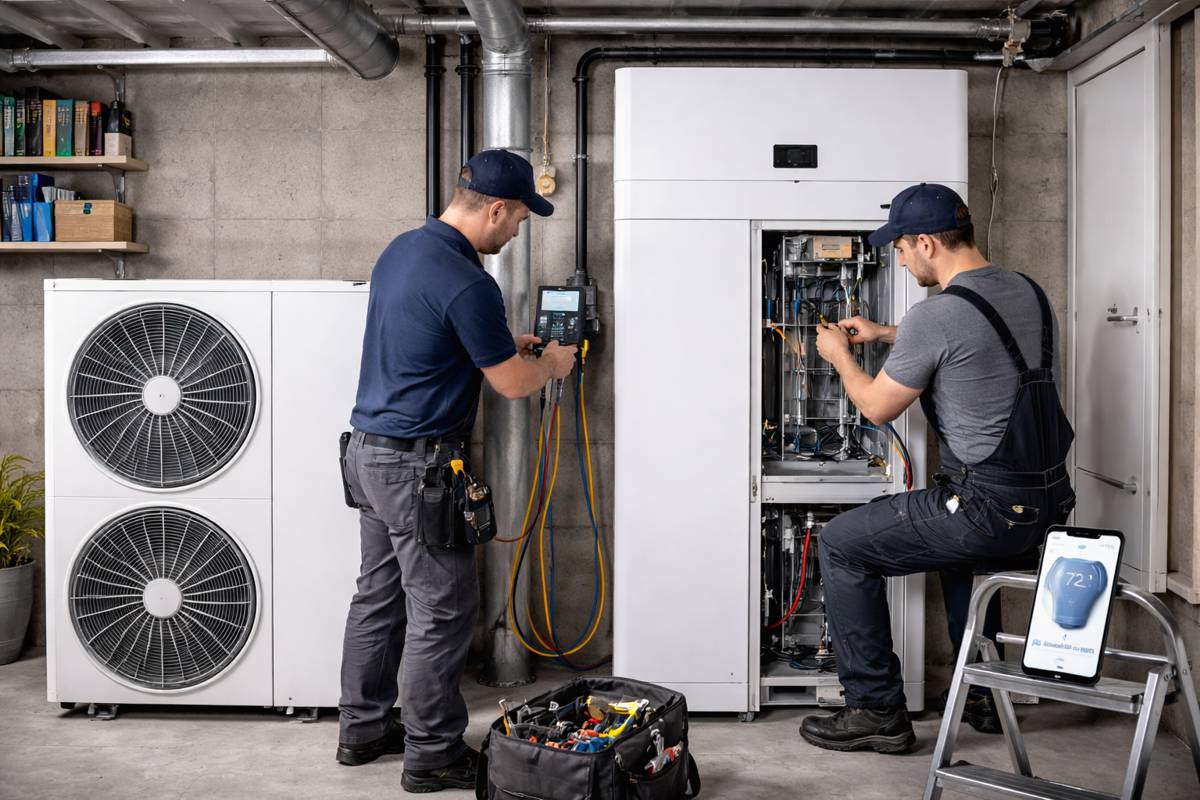
Home Energy Efficiency Colorado Homeowners Miss (Smart + Building Envelope Working Together)
Combining envelope improvements with smart controls multiplies both savings and comfort.
Air sealing priorities for freeze/thaw + wind exposure
Hit rim joists, attic penetrations, recessed lights, and chimney chases first. These spots haemorrhage air during wind events and freeze-thaw cycles. Smart monitoring proves your work by tracking runtime drops and temperature stability post-sealing.
Insulation upgrades that pair best with smart controls
Front Range attics should hit R-49 minimum; mountain properties often need R-60. Don’t overlook knee walls and garage ceilings above living areas. Colorado basements and crawl spaces require radon-conscious insulation strategies, talk to local mitigation pros before you seal anything. If you’re planning a major renovation or building from scratch, many custom home builders in in Colorado now synchronize insulation, air sealing, and smart-control infrastructure so envelope and automation function as one system from day one.
Window and shading automation for high-altitude sun
Smart blinds are scheduled to capture winter solar gain trim heating loads, while summer shading prevents overheating. Managing UV and heat protects your furniture without sacrificing natural light, critical when Colorado’s high-altitude sun is this intense.
With air sealing and insulation locking in your conditioned air, you’re ready to add high-ROI devices that tackle Colorado-specific headaches like wildfire smoke, water heating waste, and phantom loads.

Energy Saving Smart Home Devices That Deliver the Fastest ROI in Colorado
Devices designed for Colorado’s unique challenges pay back faster than generic solutions.
Smart ventilation + indoor air quality control during wildfire season
Automate your HVAC to respond to PM2.5 spikes during smoke events, switching to recirculation and boosting filtration. HRV/ERV smart controls balance ventilation needs in tight homes with winter dryness concerns. Filter change alerts tied to runtime and air quality sensors keep systems from choking.
Smart water heating and leak prevention (big savings + risk reduction)
Heat pump water heaters with smart scheduling operate during off-peak windows. Smart recirculation pumps run on-demand, not 24/7, cutting waste dramatically. Whole-home leak detection with automatic shutoff guards against freeze-related pipe bursts when you’re away.
Smart plugs, load monitoring, and “always-on” elimination
Hunt down phantom loads lurking in home offices, entertainment setups, and garages. Automation templates, bedtime shutdown, vacation mode, away protocols, stop waste without manual intervention.
These devices become even more powerful when paired with on-site generation. Colorado’s sunshine makes solar one of the country’s top-performing investments when you integrate it intelligently.

Solar Energy Colorado Homes, Smarter When It’s Connected to the Rest of the House
Solar delivers maximum value when your home responds to production patterns.
Solar + smart home integration goals (self-consumption, peak shaving, resilience)
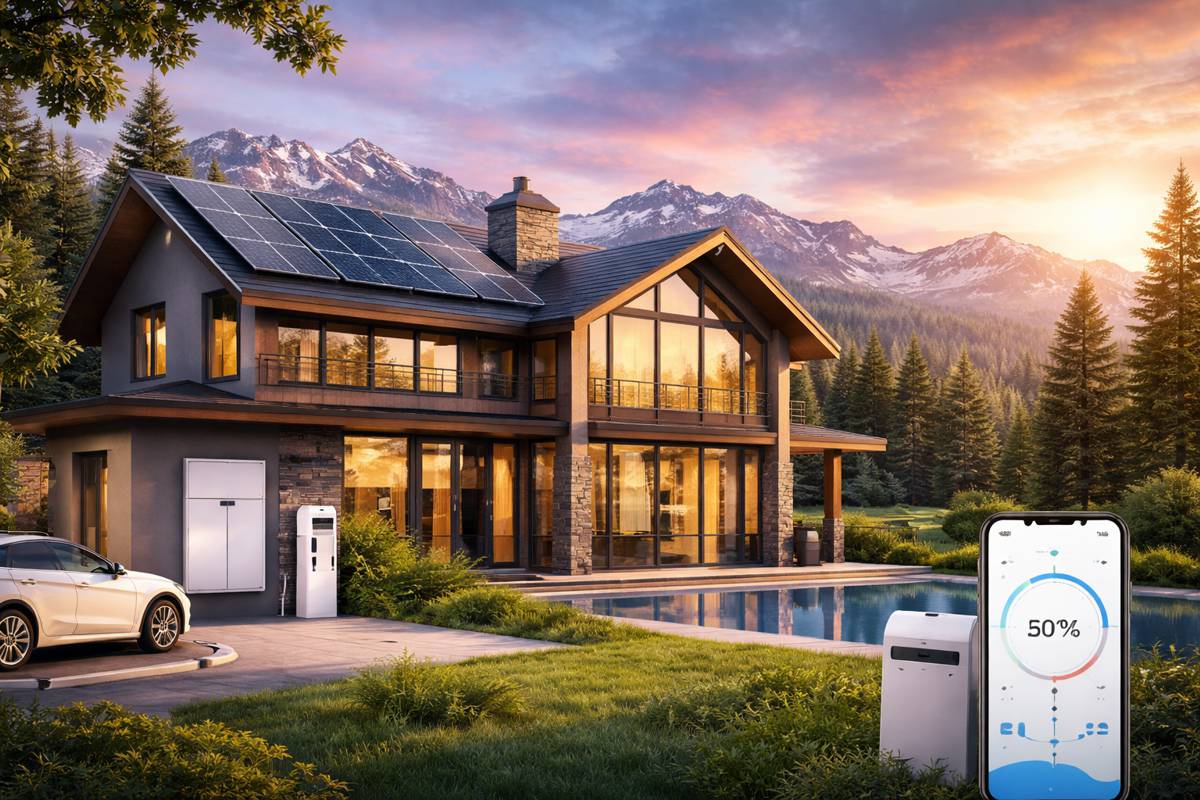
Shift dishwasher cycles, laundry, and EV charging to midday production windows. Solar forecasting in apps and inverters helps you plan high-load tasks. Maximizing self-consumption reduces grid reliance and accelerates payback.
Battery storage and backup strategies for outages and critical loads
Design a “critical load panel” covering refrigeration, sump pump, medical equipment, and internet. Automation during outages includes load shedding tiers to stretch runtime. Enrolment in two-year HVACR associate programs jumped nearly 30% to roughly 25,000 students last year, improving access to qualified installers for complex battery and smart panel work.
EV charging as a controllable load (and a savings tool)
Smart charging syncs with solar production and TOU rates automatically. Cold-weather considerations include garage temps and preconditioning routines to protect battery health.
Making Your Colorado Home Smarter and More Efficient
Colorado’s climate demands more than boilerplate advice. From Front Range freeze-thaw to mountain outage risks and wildfire smoke season, the right devices and automations trim bills, elevate comfort, and protect your investment. Begin with a smart thermostat Colorado setup, seal your envelope, layer in high-ROI devices, and explore solar energy Colorado homes integration. With thoughtful planning, your home becomes a resilient, efficient refuge ready for whatever Colorado throws at you next.
Common Questions About Smart Home Energy in Colorado
Do smart thermostats really save money in Colorado winters?
They do. Adaptive recovery, geofencing, and dual-fuel control cut runtime waste, especially during temperature swings. Proper Colorado-specific setup typically delivers 10-15% heating savings.
Are smart home energy solutions worth it without solar panels?
Definitely. Smart thermostats, leak sensors, air quality controls, and load shifting cut bills and improve comfort. Solar amplifies savings but isn’t required for meaningful ROI.
How can I reduce energy bills during Colorado’s time-of-use peak hours?
Automate high-load appliances, dishwasher, laundry, EV charging, to off-peak midday or overnight windows. Smart thermostats can precool or preheat before peaks, then coast through expensive hours.