Aluminum at the Centre of Global Industrial Transformation AICE 2026
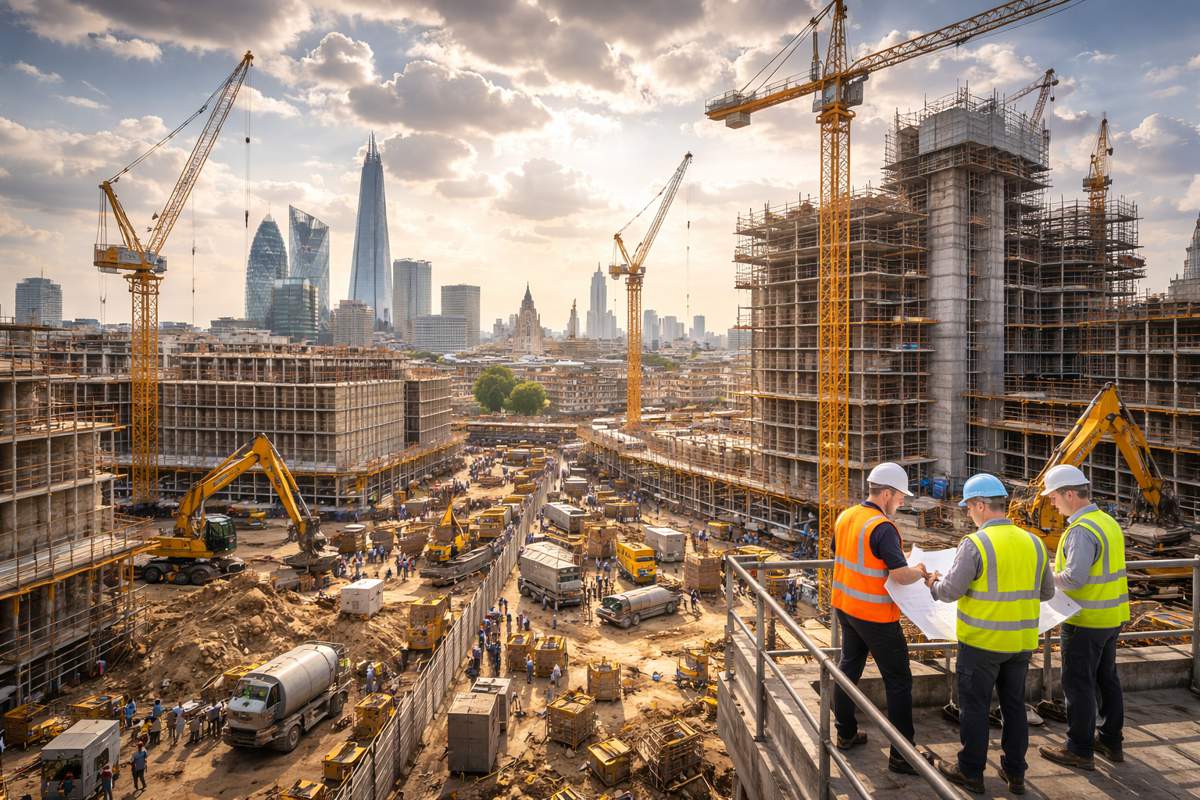
As governments, manufacturers and investors accelerate the shift towards lighter, cleaner and more circular materials, aluminium has moved from being a workhorse metal to a strategic industrial asset. From transport electrification and renewable energy infrastructure to urban construction and advanced manufacturing, aluminium’s role in the global economy is expanding rapidly.
The AICE 2026 SMM Aluminum Industry Expo, scheduled for 8–10 April 2026 in Suzhou, China, arrives at a moment when the industry is actively redefining its standards, supply chains and long-term direction. Hosted at the Suzhou International Expo Center in Jiangsu Province, the event is designed to bring together the full aluminium value chain at a time when collaboration is no longer optional.
Capacity constraints, carbon reduction targets, volatile energy prices and rising demand from downstream sectors are reshaping how aluminium is produced, processed and reused. AICE 2026 places these pressures into a single industrial forum, creating space for practical discussion, commercial engagement and technical exchange across borders.
Aluminium for Infrastructure and Industry
Aluminium’s importance to modern infrastructure is rooted in a combination of performance and sustainability. Its strength-to-weight ratio has made it a preferred material for transport systems seeking efficiency gains, while its corrosion resistance and durability underpin its widespread use in construction, bridges, façades and industrial facilities. Just as critically, aluminium’s ability to be recycled repeatedly without loss of quality positions it as a cornerstone material in circular economy strategies.
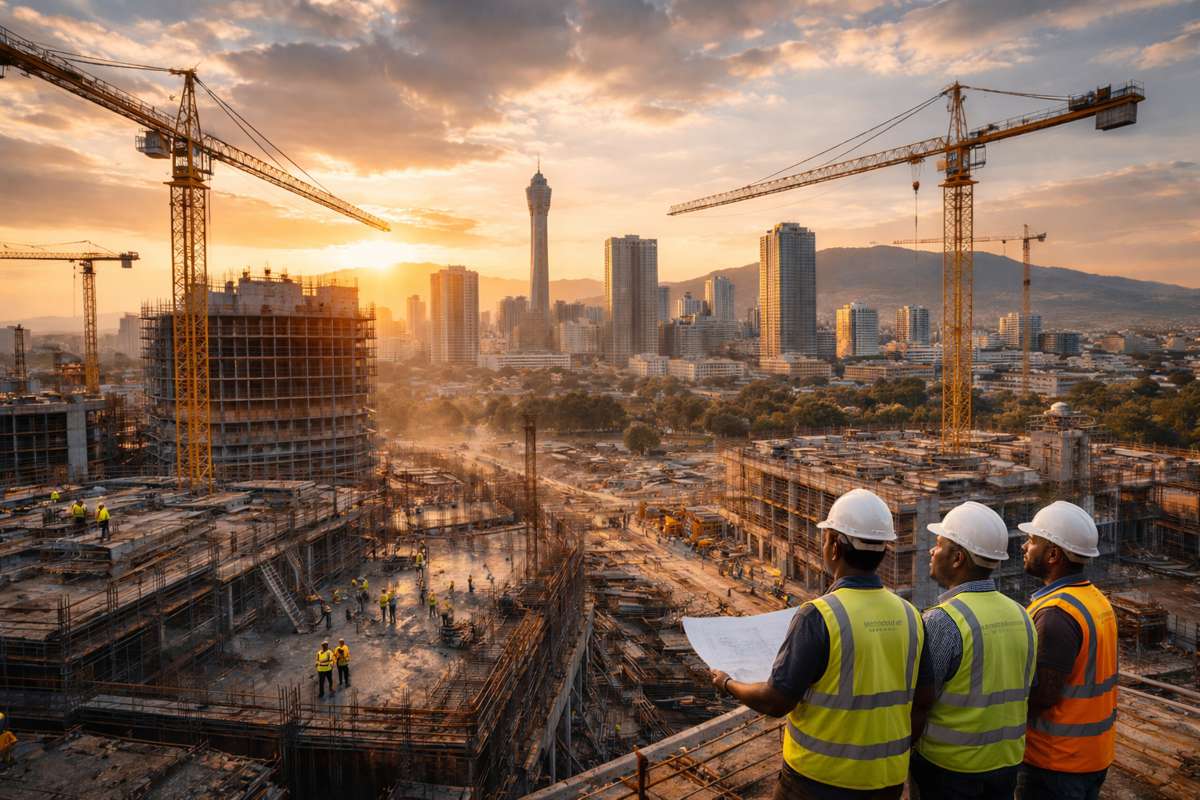
Global infrastructure investment continues to rise, particularly across Asia, the Middle East and parts of Africa, where urbanisation and industrialisation remain strong. At the same time, mature markets are retrofitting existing infrastructure to meet stricter environmental standards. Aluminium sits at the intersection of these trends, serving both new-build and renewal projects while supporting emissions reduction targets through lightweight design and recyclability.
However, the industry faces structural challenges. Primary aluminium production is energy intensive, supply chains are increasingly scrutinised for carbon intensity, and downstream users are demanding greater transparency around standards and material provenance. These pressures are forcing producers and processors to rethink everything from smelting technologies to alloy design and recycling systems. AICE 2026 is positioned to reflect and respond to these shifts.
A Full-Chain Exhibition Reflecting Industry Complexity
One of the defining features of AICE 2026 is its emphasis on the complete aluminium ecosystem rather than isolated segments. Spanning more than 10,000 square metres of exhibition space, the event will host over 180 exhibitors representing upstream raw materials, primary aluminium production, rolling and extrusion, die casting, recycling, equipment manufacturing and auxiliary materials.
This full-chain approach reflects how interconnected aluminium operations have become. Decisions made at the smelting stage now have direct implications for downstream processing efficiency, product performance and recyclability. Similarly, advances in rolling, extrusion and casting technologies are influencing alloy development and scrap recovery practices upstream. By bringing these elements together under one roof, the expo aims to encourage cross-sector dialogue that rarely happens in more narrowly focused trade shows.
For construction and infrastructure stakeholders, this integrated perspective is particularly valuable. Project developers and contractors increasingly need assurance that materials meet performance, sustainability and compliance requirements simultaneously. AICE 2026 offers visibility into how aluminium suppliers are responding to these expectations across the entire production cycle.
Processing Technologies Shaping Modern Applications
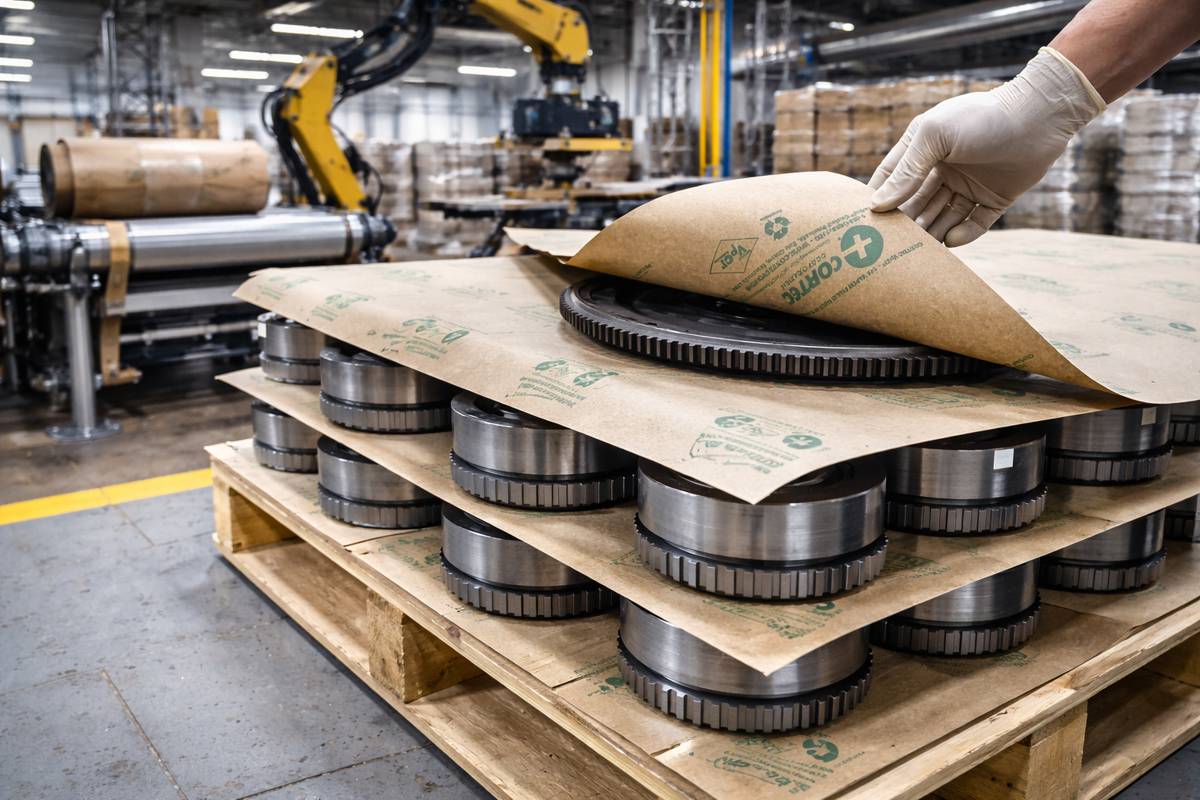
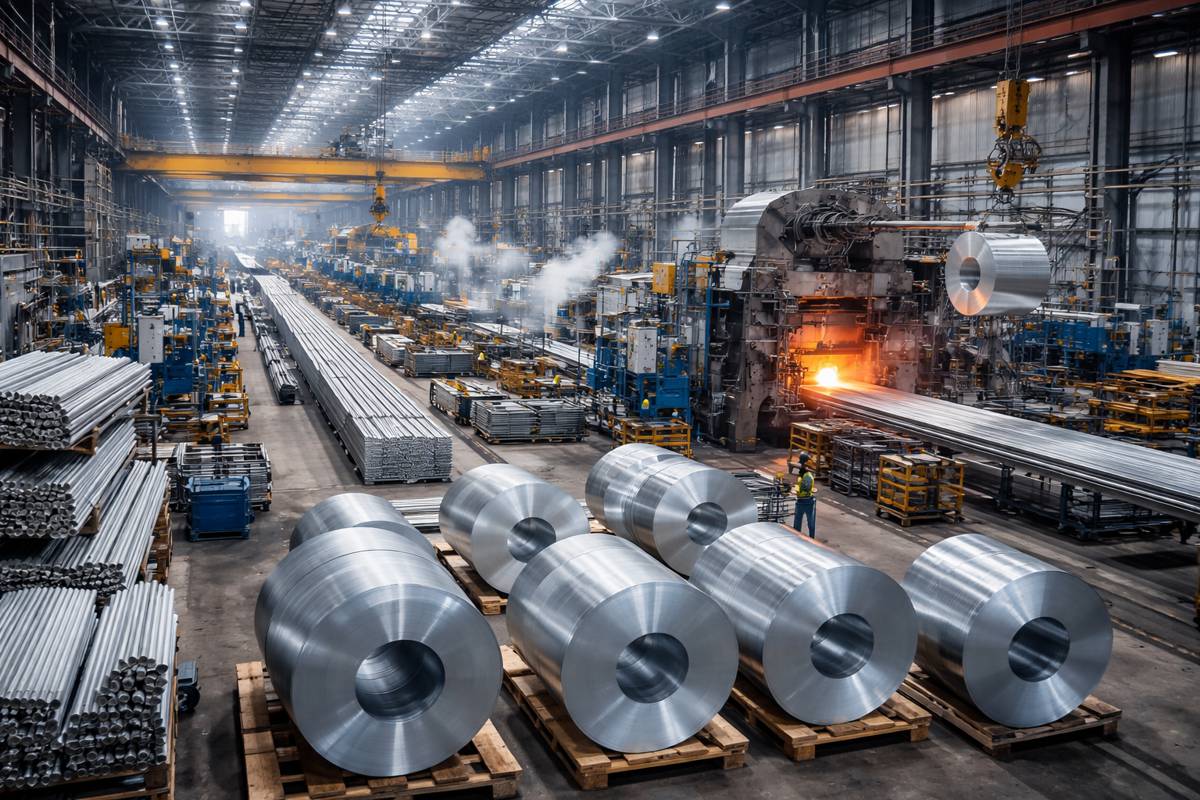
Downstream aluminium processing remains one of the most dynamic areas of innovation, driven by demand from automotive, construction, packaging and electronics sectors. Rolling technologies for plate, sheet, strip and foil continue to evolve, with manufacturers focusing on tighter tolerances, improved surface quality and reduced material waste. These advances are essential for applications ranging from building envelopes to battery casings and heat exchangers.
Extrusion, meanwhile, is playing an expanding role in modular construction, transport systems and industrial frameworks. The ability to produce complex profiles with high precision supports lightweight structural design while reducing assembly complexity. Tubes, bars, wires and profiles are increasingly engineered for specific load, thermal and corrosion requirements, reflecting closer collaboration between designers and material specialists.
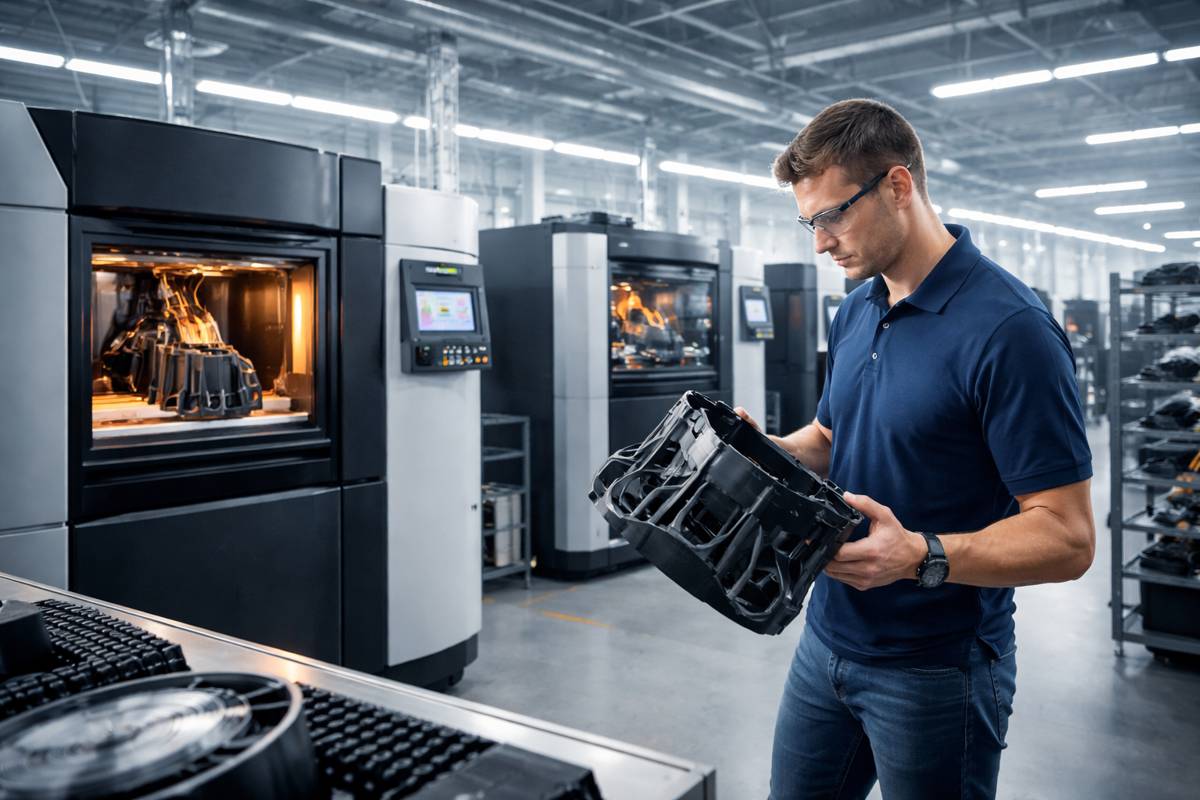
Die casting remains another focal point, particularly as electric vehicles and renewable energy systems drive demand for complex, high-integrity aluminium components. The expo’s inclusion of equipment and auxiliary materials alongside finished products highlights how process optimisation and tooling innovation are becoming as important as alloy selection itself.
Recycling and Circularity Move to the Forefront
Recycling is no longer a secondary consideration within the aluminium sector. With recycled aluminium requiring a fraction of the energy needed for primary production, secondary supply has become a strategic priority for both producers and policymakers. Regulatory pressure and corporate sustainability commitments are accelerating investment in scrap collection, sorting and remelting technologies.
AICE 2026 places recycling on equal footing with primary production, reflecting its growing economic and environmental significance. Exhibitors and forum sessions will explore how closed-loop systems are being developed for construction, automotive and packaging applications, as well as how quality control and traceability are improving confidence in recycled material streams.
For infrastructure projects, where material volumes are high and service lives are long, reliable recycled aluminium supply offers a pathway to meaningful carbon reduction without compromising performance. The expo provides a platform to examine how these systems are being scaled and standardised across markets.
Forums Addressing Standards, Productivity and Innovation
Beyond the exhibition floor, AICE 2026 will host seven specialised forums tackling some of the industry’s most pressing technical and commercial questions. More than 80 expert presentations are planned, covering primary aluminium production, recycling systems, rolling and extrusion technologies, and sector-specific market developments.
A dedicated New Quality Productivity Innovation Forum underscores the industry’s focus on efficiency gains through technology and process optimisation. As margins tighten and environmental constraints intensify, productivity improvements are increasingly tied to digitalisation, automation and smarter energy management rather than simple capacity expansion.
Standards also feature prominently across the forum programme. Harmonisation of quality, safety and sustainability benchmarks is becoming essential as aluminium products move through increasingly globalised supply chains. For international investors and project developers, consistent standards reduce risk and improve comparability across suppliers and regions.
Targeted Engagement Across Key End-Use Sectors
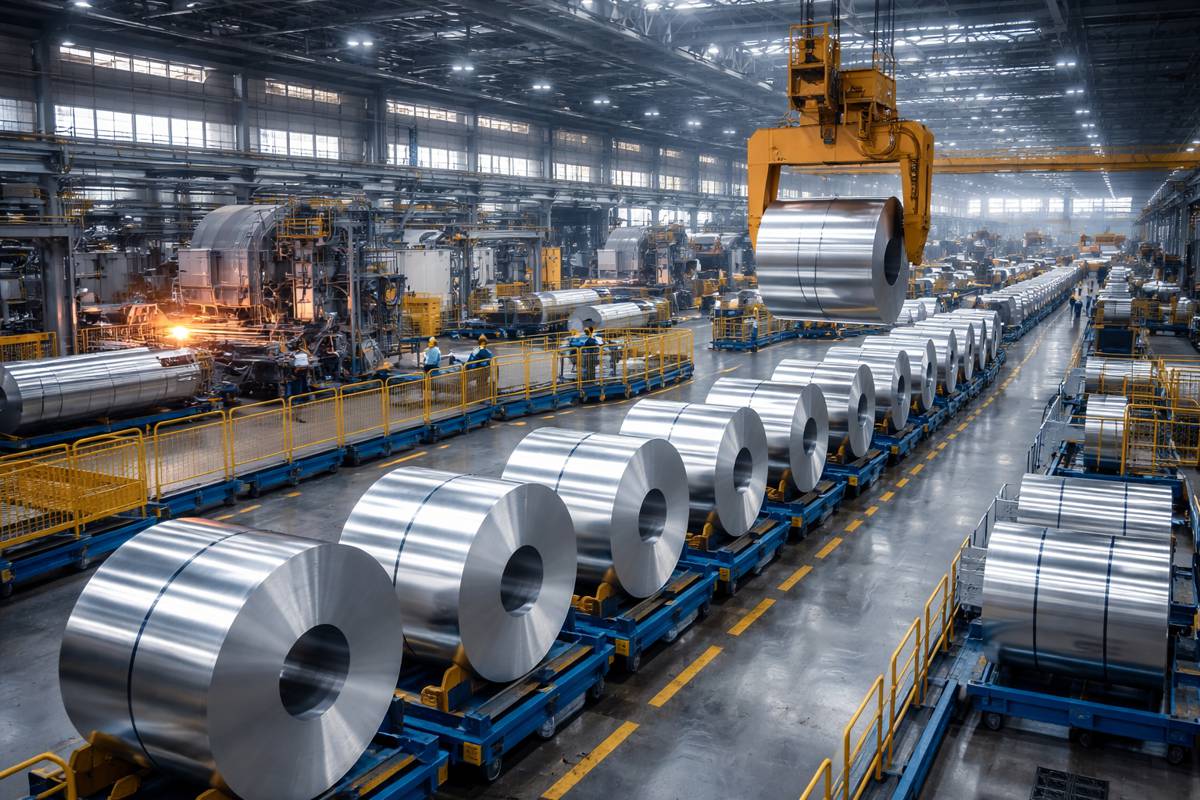
AICE 2026 is expected to attract more than 10,000 professional visitors from aluminium-intensive industries including automotive manufacturing, construction, packaging, electronics and photovoltaics. These sectors are among the fastest-growing sources of aluminium demand, each with distinct performance and sustainability requirements.
The event’s structured business matchmaking sessions are designed to move beyond casual networking, enabling targeted discussions between buyers and suppliers. For construction and infrastructure stakeholders, this approach supports more efficient sourcing and earlier engagement with material specialists during project planning stages.
Such targeted interaction reflects a broader shift in industrial exhibitions towards measurable commercial outcomes rather than purely promotional exposure. In an environment where supply security and compliance are critical, face-to-face engagement remains a powerful tool for building trust and aligning expectations.
Recognising Leadership in a Changing Industry
The Gala Dinner and Awards Ceremony scheduled during the expo will recognise organisations and individuals contributing to innovation and sustainable development within the aluminium industry. While awards are often seen as symbolic, they also serve as indicators of where industry momentum is heading.
Recognition of advances in recycling, energy efficiency, process innovation and international collaboration reinforces the strategic priorities shaping aluminium’s future. For investors and policymakers, these signals help identify technologies and business models that are gaining traction within the market.
Suzhou as a Strategic Host City
Suzhou’s role as host city is closely tied to its position within China’s manufacturing and technology landscape. Located in Jiangsu Province, one of the country’s most industrially advanced regions, Suzhou sits at the heart of a dense network of aluminium producers, processors and end users.
China remains the world’s largest producer and consumer of aluminium, and developments within its domestic market often have global implications. Hosting AICE 2026 in Suzhou provides international participants with direct exposure to this ecosystem while reinforcing the event’s global outlook.
Setting the Agenda for the Next Phase of Aluminium Development
AICE 2026 arrives at a point where the aluminium industry is balancing growth with responsibility. Infrastructure expansion, energy transition and industrial modernisation are driving demand, yet the sector is under increasing pressure to reduce emissions, improve transparency and adopt circular practices.
By bringing together the full value chain, fostering technical dialogue and enabling targeted commercial engagement, the expo aims to move the conversation beyond incremental improvement towards systemic change. For construction professionals, investors and policymakers, the event offers insight into how aluminium will support the next generation of infrastructure while adapting to a more constrained and sustainability-focused global economy.