Asia-Pacific Offshore Energy Finds Its Bearings in Kuala Lumpur
The successful conclusion of Offshore Asia Pacific 2026 (OAP2026) in Kuala Lumpur was more than a routine industry gathering. It reflected a region recalibrating its offshore energy ambitions at a time when capital discipline, supply chain resilience and execution certainty have become decisive factors for project viability. As offshore investment cycles cautiously accelerate across Southeast Asia, Australia and parts of East Asia, the Offshore Asia Pacific Summit & FPS Malaysia has increasingly positioned itself as a forum where strategy meets delivery.
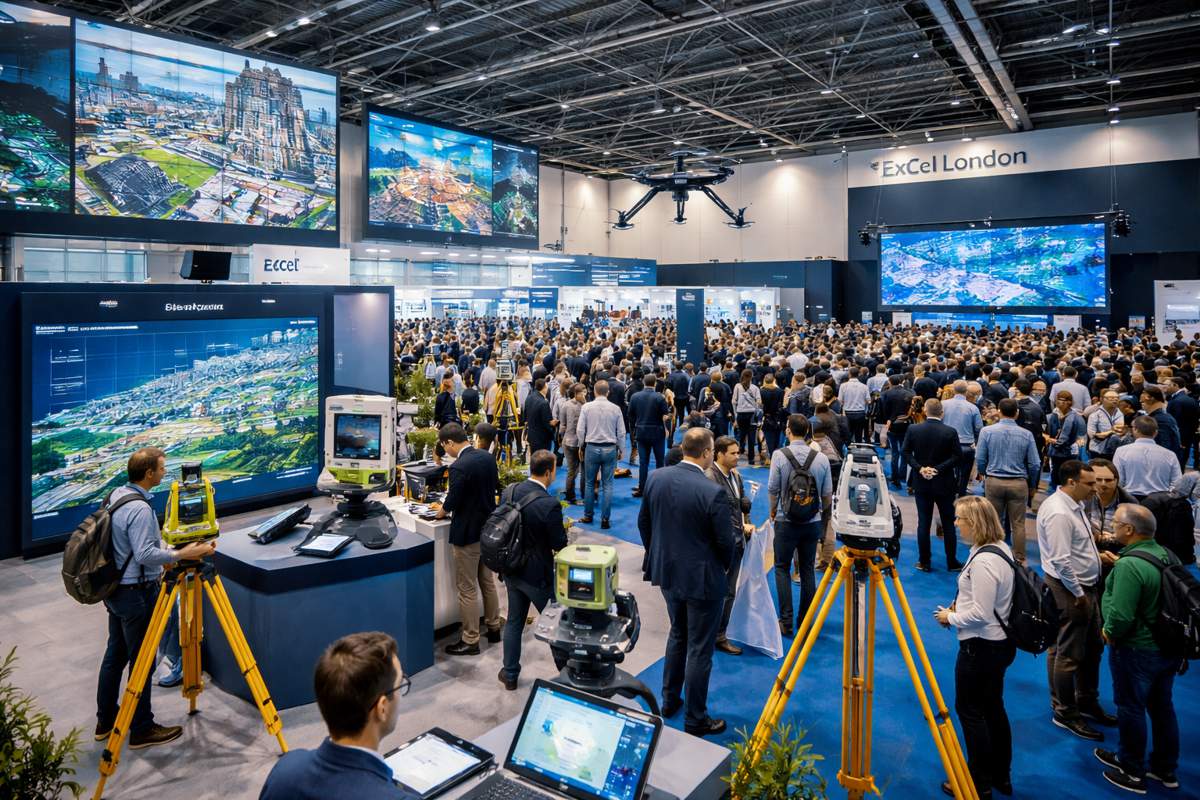
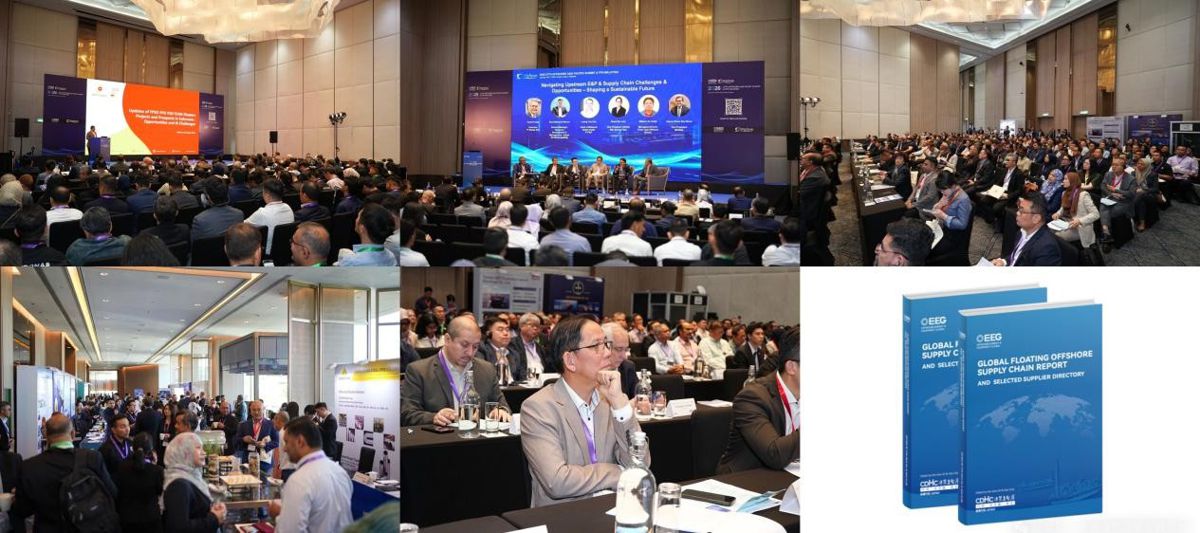
Held on 26–27 January 2026, the 27th edition of the summit brought together more than 450 senior executives and technical leaders spanning national oil companies, international operators, FPSO specialists, EPC contractors, shipyards and equipment manufacturers. That growth, more than doubling attendance from the previous year, speaks to a renewed appetite for dialogue around floating production systems, regional value chains and the evolving role of Asia-Pacific in the global offshore ecosystem.
At a time when global offshore spending remains selective, the focus in Kuala Lumpur was not on headline-grabbing megaprojects alone, but on how projects are structured, supplied and delivered. This shift, subtle but unmistakable, underscores why the event matters beyond its regional footprint.
Offshore Momentum Returns, but with New Rules
Across Asia-Pacific, offshore oil and gas is entering a pragmatic growth phase. Mature basins are being redeveloped, deepwater prospects reassessed and marginal fields revisited through FPSO-led development models. According to data from Westwood Global Energy Group, floating production units continue to dominate new offshore project sanctions globally, driven by flexibility, lower upfront infrastructure requirements and faster time to first oil.
OAP2026 placed these realities front and centre. Discussions repeatedly returned to the same question: how can offshore projects in Asia-Pacific remain competitive amid inflationary pressures, tighter financing conditions and increasing scrutiny around emissions performance. The answer, as emerged across sessions, lies less in radical reinvention and more in disciplined execution, localisation strategies and smarter supply chain integration.
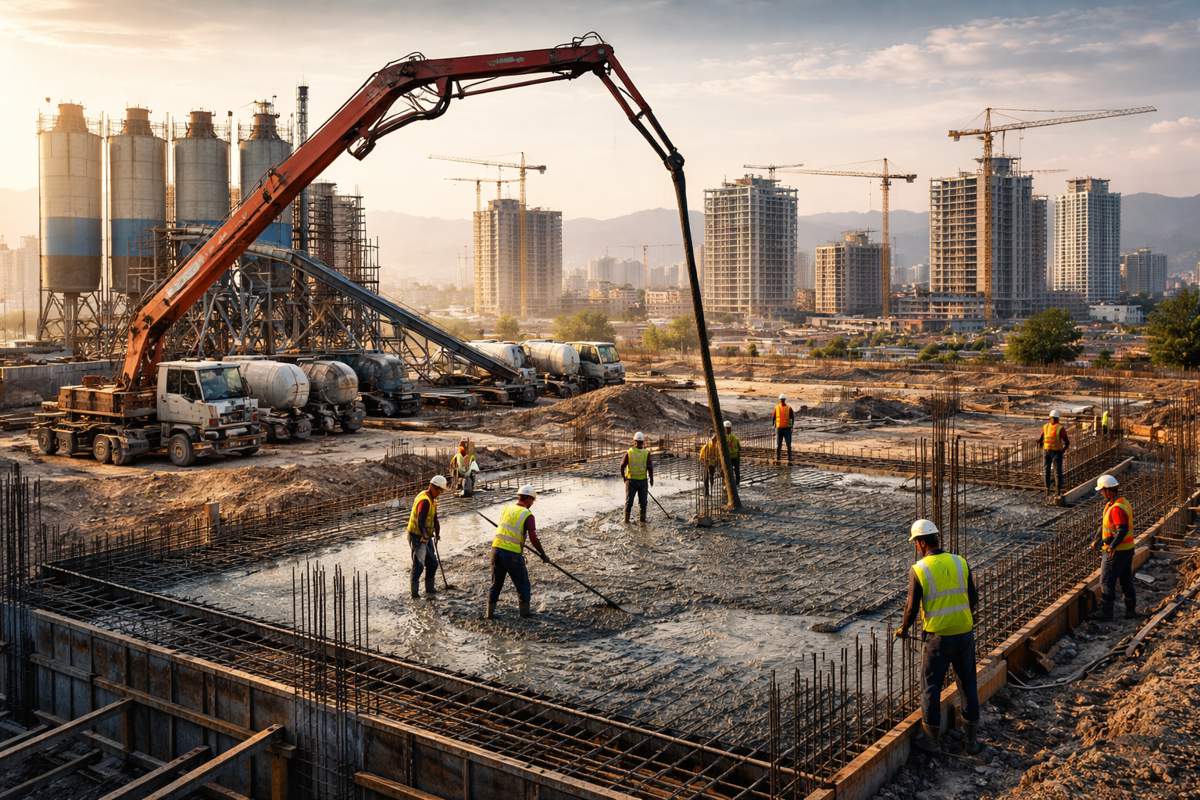
For construction and infrastructure stakeholders, this matters. Offshore energy projects are among the most complex industrial undertakings in the world, requiring precision engineering, advanced fabrication and coordinated logistics across borders. The health of this sector has direct implications for shipyards, heavy engineering firms, digital solution providers and marine infrastructure developers across the region.
FPSO Projects as the Regional Workhorse
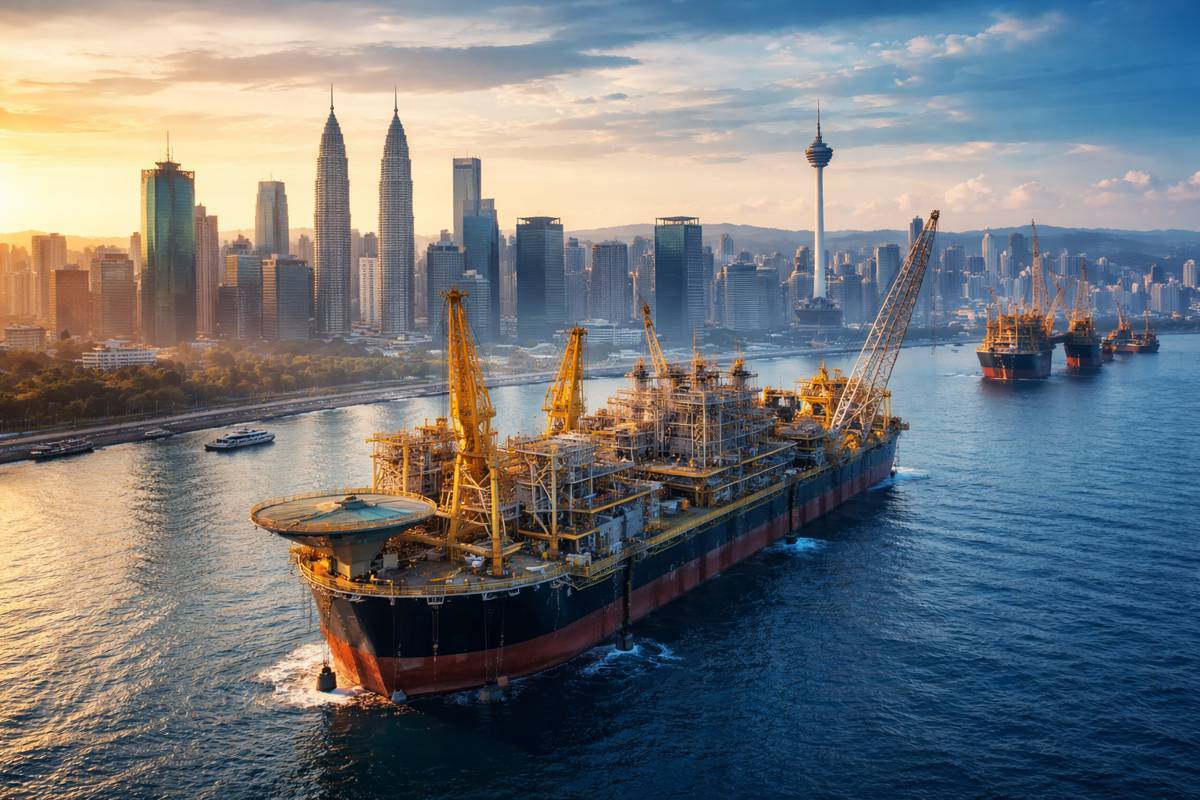
Floating Production Storage and Offloading units were a central theme throughout the summit, reflecting their growing dominance in Asia-Pacific offshore developments. From brownfield tie-backs to greenfield deepwater projects, FPSOs are increasingly viewed as the default development solution where fixed platforms no longer make economic or technical sense.
Speakers from across the FPS value chain examined how project timelines and cost control hinge on early engineering decisions and realistic execution models. Contributions from Knut Bredahl of Sevan DWT and Seatrium, and David Wu of OceanSTAR Elite Group, highlighted how hull design standardisation, modular topsides and regional fabrication partnerships are reshaping delivery strategies.
The conversation moved beyond theory. Case-based insights demonstrated how procurement sequencing, yard selection and interface management can determine whether projects meet first oil targets or drift into costly delays. For EPC contractors and operators alike, these lessons resonate far beyond offshore energy, mirroring challenges seen in major transport and infrastructure programmes worldwide.
Governance, Collaboration and Regional Capability
A defining feature of OAP2026 was its emphasis on governance and collaboration. Representatives from Malaysia Petroleum Resources Corporation and PETRONAS addressed the structural challenges facing offshore project approvals, supplier qualification and execution oversight.
As offshore developments become more distributed across Southeast Asia, alignment between regulators, operators and contractors has become essential. The summit’s roundtable discussions on upstream exploration and supply chain challenges illustrated how fragmented procurement practices and inconsistent standards can undermine otherwise sound project economics.
There was also frank recognition that Asia-Pacific’s offshore future depends on strengthening regional capabilities. Shipyards in Singapore, Malaysia and China, alongside engineering centres across the region, are increasingly expected to deliver global-quality assets while navigating labour constraints and rising compliance demands. The summit framed this not as a weakness, but as an opportunity to rebalance global offshore supply chains closer to demand centres.
Technology, Sustainability and the Floating Future
Day two of the event shifted the focus towards enabling technologies and project practices, with sustainability woven through technical discussions rather than treated as a standalone topic. Sessions on FLNG and FSRU projects explored how floating gas solutions are being positioned as transitional assets, supporting energy security while enabling lower-carbon fuel switching in power generation and industrial use.
Insights from Westwood Global Energy Group and Myanmar Oil and Gas Enterprise reinforced that digitalisation and integrated engineering are no longer optional extras. Digital twins, predictive maintenance and lifecycle emissions modelling are increasingly embedded in FPS project design phases, aligning offshore developments more closely with broader ESG expectations.
For policymakers and investors, these discussions underscored a critical point. Offshore oil and gas in Asia-Pacific is not disappearing, but it is evolving. Projects that fail to demonstrate emissions awareness, operational efficiency and supply chain transparency are likely to struggle for approval and financing.
Procurement Matchmaking Moves Centre Stage
One of the most commercially significant elements of OAP2026 was the dedicated procurement matchmaking programme. Rather than relying solely on formal presentations, the summit facilitated structured one-on-one discussions between procurement leaders from international oil companies, FPSO operators and EPCIC contractors, and qualified equipment manufacturers and engineering service providers.
This approach reflects a broader industry trend towards earlier supplier engagement and relationship-based contracting. In an environment where long lead items, fabrication capacity and quality assurance can dictate schedules, these direct interactions offer tangible value. For many participants, the matchmaking sessions were where strategy translated into pipeline opportunities.
Such formats are increasingly relevant beyond offshore energy. Large-scale infrastructure and industrial projects face similar pressures around supplier readiness and risk allocation. OAP2026’s emphasis on procurement dialogue highlighted how industry events can evolve from networking platforms into deal-enabling mechanisms.
Mapping the Offshore Supply Chain
A notable announcement during the summit was the launch of the Global Floating Offshore Supply Chain Report and Quality Supplier Recommendation List. This initiative aims to map the offshore industrial chain, develop supplier evaluation frameworks and provide structured references for procurement decision-making.
Scheduled for release at the OEEG2026 Global Offshore Industry Chain Conference in Shanghai in November 2026, the project responds to a long-standing industry challenge. While offshore supply chains are global, visibility into capability, quality and delivery performance often remains opaque.
If executed effectively, the report could become a practical tool not only for operators and EPCs, but also for financiers assessing project risk and governments seeking to strengthen domestic industrial participation. Its significance lies in moving supplier assessment from anecdotal knowledge towards data-informed decision-making.
Cross-Border Engagement Beyond the Conference Hall
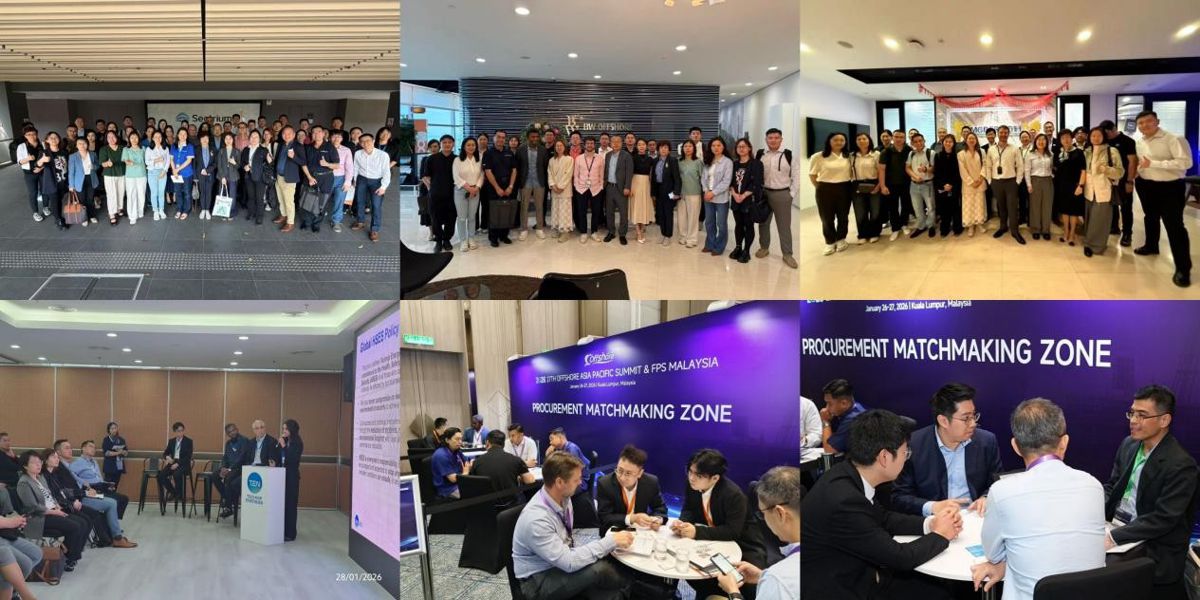
The summit’s impact extended beyond its formal sessions. A three-day post-conference inspection tour took executives from more than 30 Chinese offshore suppliers to visit leading engineering and EPC firms, including Wood, Worley, Technip Energies, McDermott and Seatrium, across Malaysia and Singapore.
These visits highlighted the increasingly interconnected nature of Asia-Pacific’s offshore ecosystem. Rather than competing in isolation, companies are forming cross-border partnerships that combine engineering expertise, fabrication capacity and project management experience. For the wider construction and industrial technology sectors, this model offers a glimpse into how complex projects may increasingly be delivered.
OAP2026 and the Wider Infrastructure Sector
While OAP2026 is firmly rooted in offshore oil and gas, its implications stretch much further. Floating production projects represent some of the most sophisticated engineering endeavours currently underway, integrating digital design, modular construction, complex logistics and long-term asset management.
The themes explored in Kuala Lumpur echo challenges faced across global infrastructure, from mega-transport corridors to energy transition assets. Supply chain resilience, execution discipline and collaborative contracting are now universal concerns.
As Asia-Pacific continues to assert its role in global infrastructure delivery, forums like OAP2026 provide insight into how capital-intensive projects are being rethought and recalibrated. For construction professionals, investors and policymakers, these lessons are increasingly transferable.
Building Towards the Next Offshore Cycle
The momentum generated in Kuala Lumpur points towards an industry preparing for its next growth phase, albeit with a more cautious and structured mindset. CDMC, the summit organiser, has positioned itself as a connector within this evolving ecosystem, linking operators, contractors and suppliers across regions.
With the Shanghai OEEG Conference already exceeding 4,000 participants and expectations of more than 6,000 attendees in November 2026, the scale of engagement suggests that offshore energy, particularly floating production systems, remains a strategic pillar within Asia-Pacific’s industrial landscape.
Rather than signalling a return to unchecked expansion, OAP2026 highlighted an industry learning from past cycles. The emphasis now is on execution quality, collaboration and long-term value creation. In that sense, the summit offered not just a snapshot of current projects, but a roadmap for how offshore infrastructure may be delivered in the years ahead.