Saudi Arabia’s Transport Backbone Takes Centre Stage in Jeddah
The opening of the third Roads, Bridges and Tunnels Saudi Arabia Conference in Jeddah marks more than the start of another industry gathering. It signals a deliberate and coordinated push to align infrastructure delivery with the Kingdom’s long-term economic, social and regional development ambitions. Hosted at the Jeddah Hilton, the conference brings together senior government figures, transport authorities, development bodies, consultants, contractors and technology providers at a moment when transport infrastructure sits firmly at the heart of national transformation.
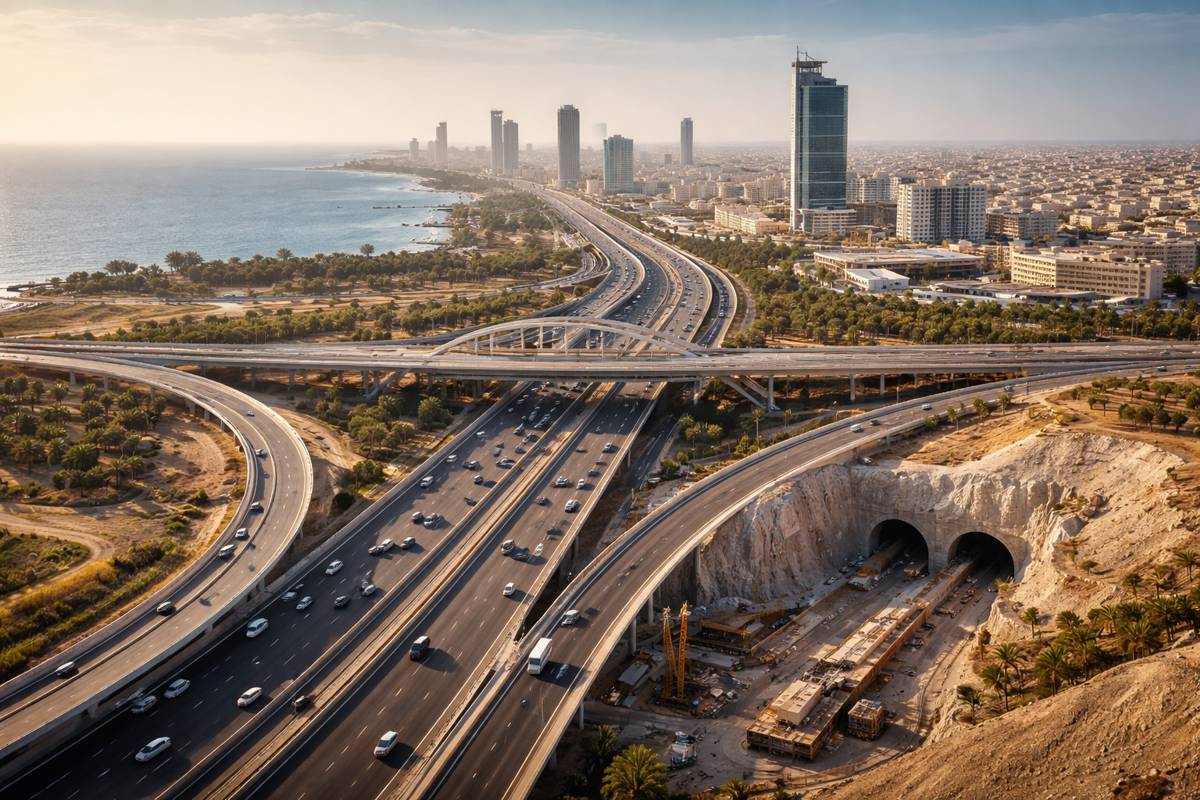
Across the Kingdom, roads, bridges and tunnels are no longer viewed simply as civil engineering assets. They are increasingly seen as strategic enablers of economic diversification, urban expansion, logistics efficiency and regional connectivity. Against that backdrop, the strong turnout from both public and private sector stakeholders on the opening day underlines how critical this sector has become to Saudi Arabia’s wider development agenda.
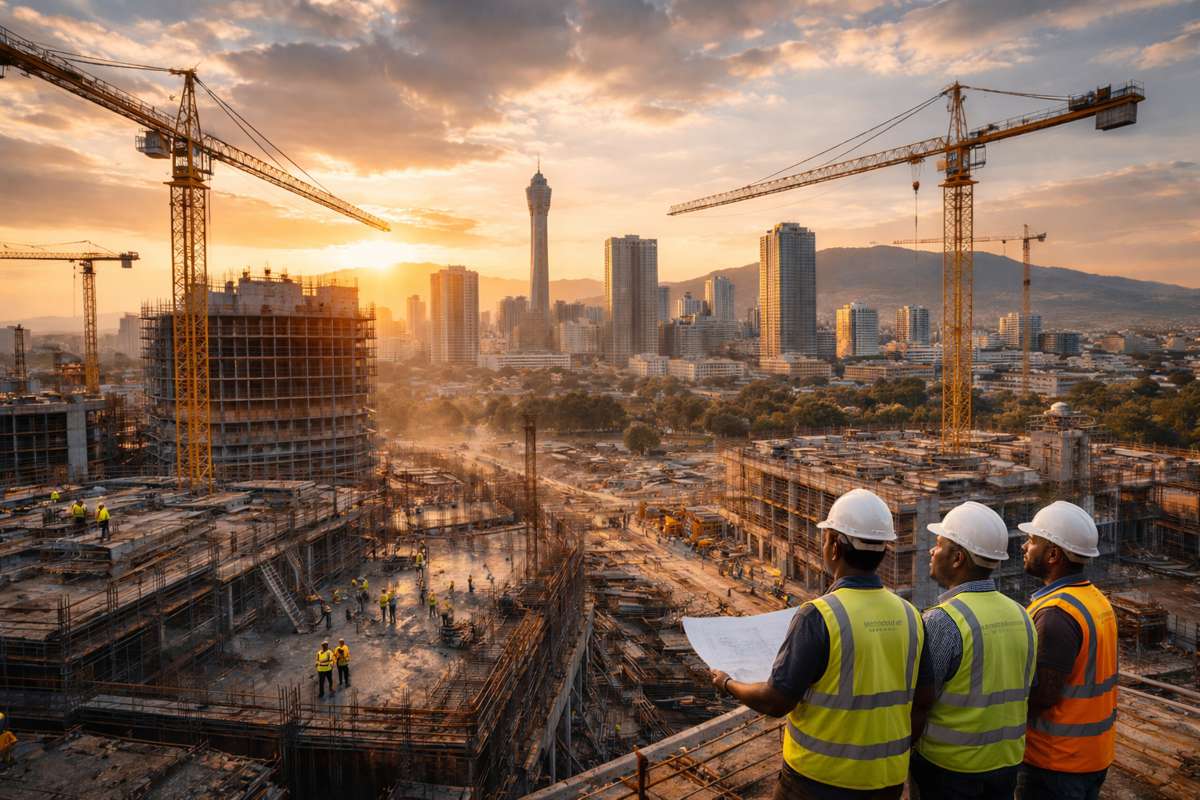
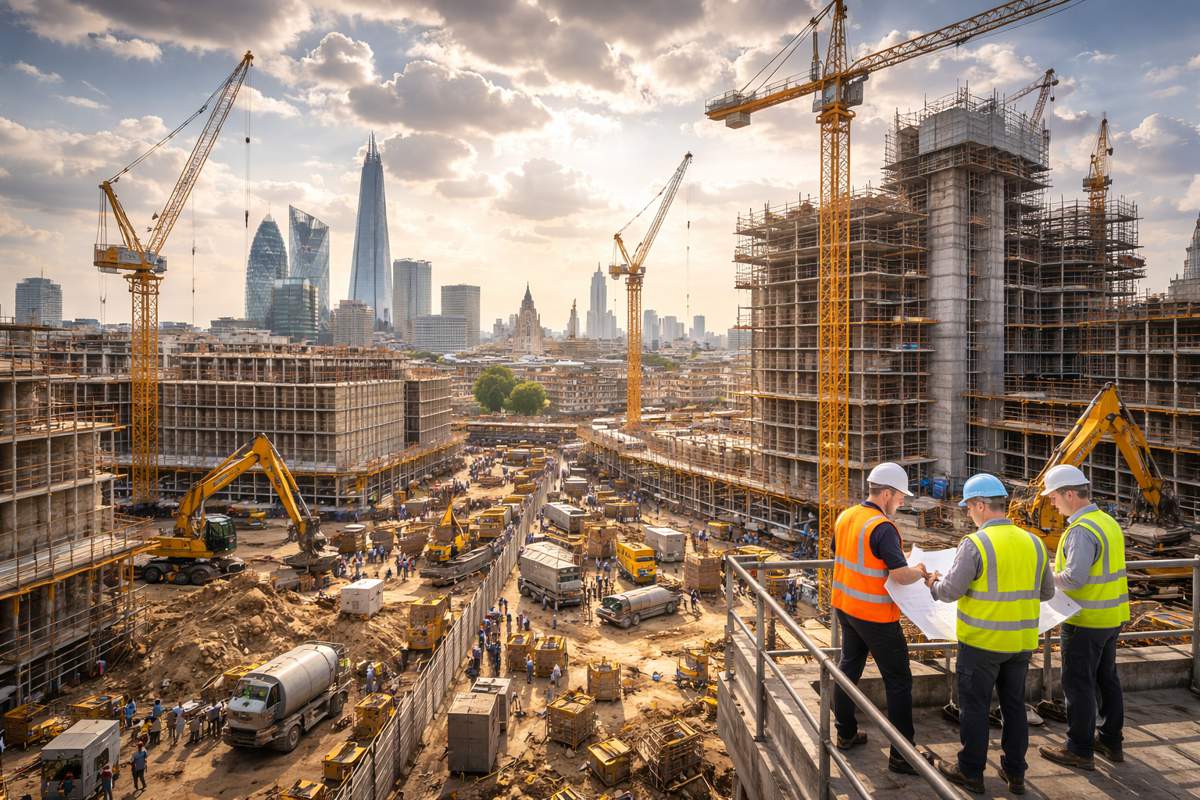
The conference arrives as the Kingdom continues to invest heavily in transport corridors that support new cities, industrial zones, tourism destinations and logistics hubs. From large-scale urban expansion in Riyadh and Jeddah to regionally focused development in areas such as Aseer, AlUla and the Eastern Province, transport infrastructure is being asked to deliver resilience, safety and long-term value at scale.
Transport Infrastructure as a National Development Lever
What sets this conference apart is the clear emphasis on infrastructure as a policy tool rather than a standalone construction challenge. The opening sessions made it clear that roads, bridges and tunnels are being planned and delivered as part of an integrated national framework designed to support economic growth, social mobility and regional balance.
Saudi Arabia’s transport strategy has evolved rapidly in recent years. Significant investment is being directed towards improving network capacity, reducing congestion, enhancing road safety and strengthening links between cities, ports, airports and industrial centres. These priorities are closely aligned with Vision 2030 objectives, which place infrastructure at the centre of efforts to attract investment, boost productivity and improve quality of life.
This strategic context shaped many of the early discussions in Jeddah. Rather than focusing solely on individual projects, speakers addressed how transport assets must work together as part of a resilient national system. That includes ensuring new roads and bridges are designed to accommodate future demand, climate conditions and evolving mobility patterns.
Strong Institutional Backing Signals Long-Term Commitment
The breadth of institutional support behind the conference reflects the scale of ambition in Saudi Arabia’s transport sector. Backing from bodies such as the Transport General Authority, the National Transport Safety Center, Riyadh Municipality, the Sharqia Development Authority, the Saudi Council of Engineers and Al Quz points to a coordinated approach that spans policy, regulation, planning and delivery.
This level of engagement matters. Large infrastructure programmes succeed when governance structures are clear, responsibilities are aligned and technical standards are consistently applied. By bringing these organisations together in a single forum, the conference creates space for dialogue that cuts across administrative boundaries and regional priorities.
International experience shows that fragmented decision-making can slow delivery and increase costs on major transport projects. Saudi Arabia’s approach, as reflected in the conference programme, suggests a conscious effort to avoid those pitfalls by encouraging early collaboration between authorities, developers and delivery partners.
Leadership Perspectives from Across the Kingdom
The opening day featured a series of high-level presentations and panel discussions led by senior decision-makers with direct responsibility for planning and delivering transport infrastructure. Their contributions provided insight into how national strategies are being translated into regional and project-level action.
Speakers from the Ministry of Transport and Logistic Services, the Transport General Authority and multiple regional development authorities addressed the realities of delivering complex infrastructure in fast-growing urban and regional contexts. Topics ranged from bridge and tunnel design standards to project governance, funding models and delivery timelines.
A recurring theme was the need to balance speed with sustainability. Saudi Arabia is delivering infrastructure at an unprecedented pace, yet there is growing recognition that long-term performance, safety and maintainability must not be compromised. That balance requires robust planning, skilled oversight and a willingness to adopt new technologies where they add genuine value.
Regional Development and Place-Based Infrastructure
One of the most compelling aspects of the opening discussions was the emphasis on place-based infrastructure planning. Regions such as Aseer, AlUla, Madinah and Makkah face very different geographic, environmental and social conditions, and speakers were clear that a one-size-fits-all approach no longer applies.
Mountainous terrain, heritage preservation, flood management and seasonal demand all influence how roads, bridges and tunnels are designed and operated. In areas such as AlUla, transport infrastructure must support tourism growth while respecting sensitive landscapes and cultural assets. In Makkah, safety and crowd management take on added significance due to the scale and predictability of pilgrimage traffic.
These regional perspectives highlight why forums like this conference matter. They allow lessons learned in one part of the Kingdom to inform projects elsewhere, reducing risk and improving outcomes across the national network.
Safety, Resilience and Long-Term Performance
Road safety and asset resilience featured prominently in opening day discussions. Saudi Arabia has made significant progress in improving road safety outcomes, yet the scale of the network means continued focus is essential. Bridges and tunnels, in particular, present unique safety challenges related to structural integrity, fire protection, drainage and traffic management.
International research consistently shows that early investment in safety and resilience delivers strong economic returns over the life of an asset. Studies by bodies such as the World Bank and the International Transport Forum have highlighted how proactive maintenance and modern safety systems can reduce lifecycle costs while improving reliability and public confidence.
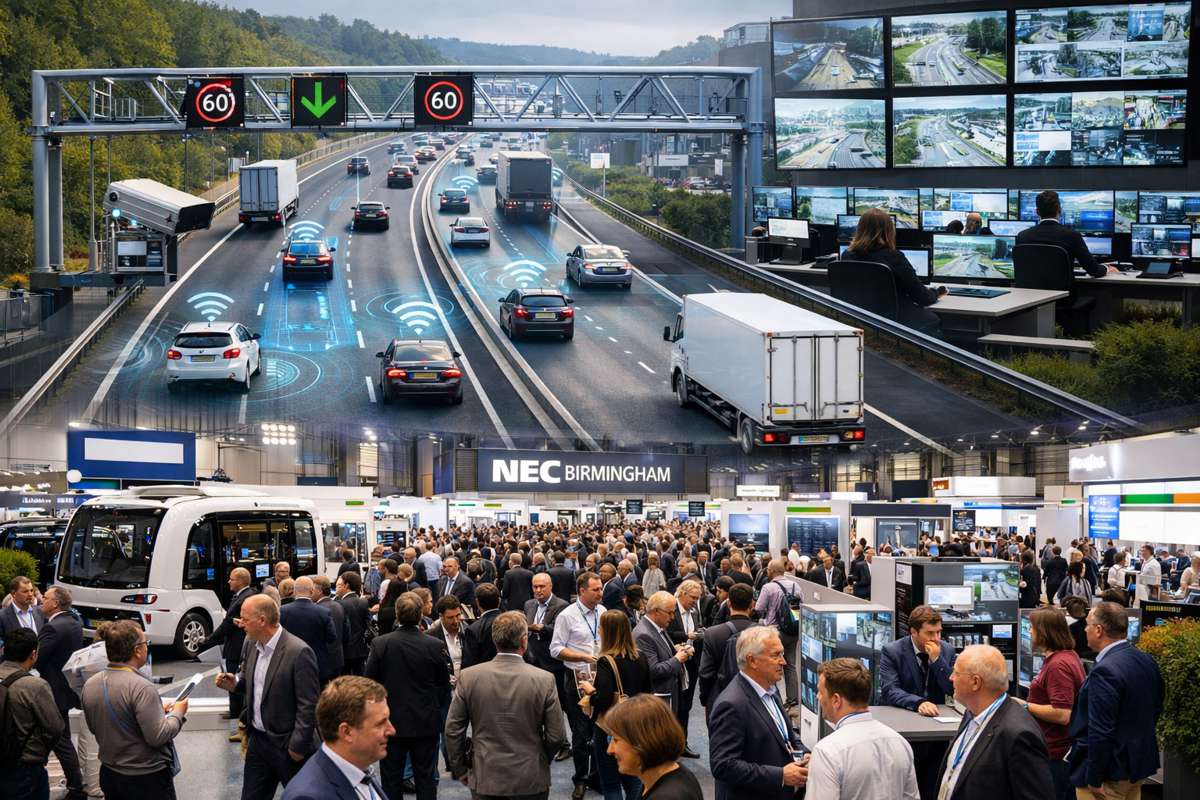
In Jeddah, speakers pointed to the growing role of data, monitoring systems and digital tools in supporting safer operations. From structural health monitoring on bridges to intelligent tunnel management systems, technology is increasingly being used to anticipate issues before they become critical.
Innovation and Technology in Delivery and Operations
Technology integration was another key theme shaping the opening day. While Saudi Arabia continues to rely on proven engineering methods, there is clear appetite for innovation that improves efficiency, transparency and performance.
Digital design tools, advanced materials, modular construction techniques and data-driven asset management systems are all being explored across the Kingdom’s transport portfolio. The challenge, as several speakers noted, lies in ensuring that innovation is adopted thoughtfully rather than for its own sake.
Global experience suggests that successful innovation in infrastructure depends on skills, standards and institutional readiness as much as technology itself. By bringing policymakers, engineers and solution providers into the same conversation, the conference helps bridge the gap between concept and implementation.
Private Sector Engagement and Market Confidence
The strong presence of industry sponsors and solution providers reflects growing private sector confidence in Saudi Arabia’s transport market. Contractors, manufacturers and technology firms see long-term opportunity in a programme of works that spans decades rather than individual project cycles.
Private sector participation is critical not only for delivery capacity but also for innovation and skills development. International contractors and suppliers bring experience from other markets, while local firms continue to build capability and scale. This combination is helping to strengthen the domestic construction ecosystem while maintaining global standards.
The presence of a startup innovator partner alongside established industry names also signals openness to new ideas and emerging technologies. In mature infrastructure markets, startups increasingly play a role in areas such as data analytics, monitoring systems and sustainability solutions.
Collaboration Beyond the Conference Floor
Beyond formal presentations, the networking that took place on the opening day plays a vital role in shaping future collaboration. Informal discussions often provide the space where partnerships are formed, challenges are shared and practical solutions begin to take shape.
For Saudi Arabia, where multiple regions are advancing ambitious transport programmes simultaneously, these connections help ensure alignment and consistency. They also provide opportunities for international knowledge exchange, which remains essential as the Kingdom benchmarks itself against global best practice.
Setting the Agenda for What Comes Next
As the conference continues into its second day, attention is expected to turn towards more detailed technical sessions and forward-looking discussions on sustainability and future-ready transport solutions. These conversations will build on the strategic foundations laid on day one, moving from policy and vision to implementation and delivery.
For the global construction and infrastructure community, the Roads, Bridges and Tunnels Saudi Arabia Conference offers a clear signal. The Kingdom is not only investing at scale but is also actively shaping how infrastructure is planned, delivered and operated in the decades ahead. That combination of ambition and intent is what makes this event relevant well beyond Saudi Arabia’s borders.