Combating Health Risks on Construction Sites
From Hypertension to AI-Powered Reporting
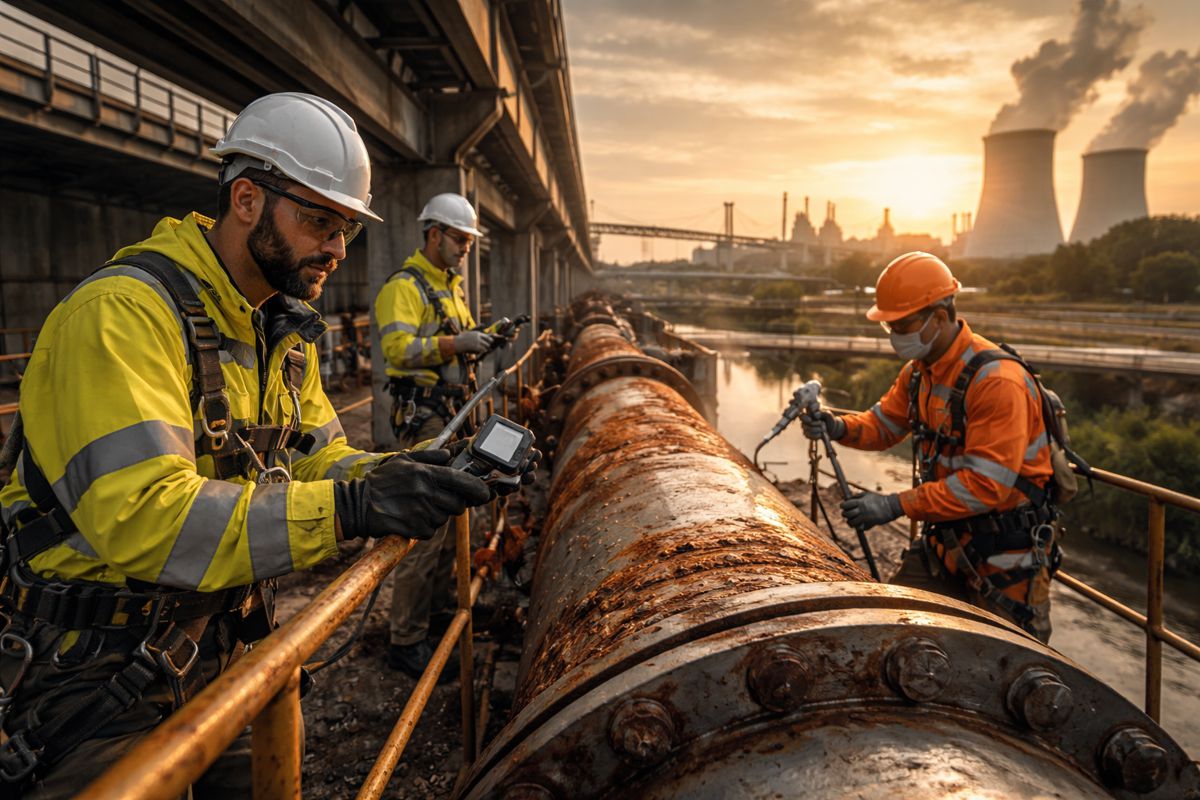
Construction work is physically demanding, often carried out under extreme conditions that can take a toll on workers’ health. Road construction, infrastructure projects, and other large-scale engineering initiatives require long hours, high stress, and exposure to harsh environmental conditions.
These factors increase the risk of cardiovascular issues such as hypertension among workers, making occupational health a critical concern for project managers. In fact, studies show that construction workers are 15% more likely to suffer from high blood pressure than employees in less physically demanding sectors.
Addressing these health challenges is not just a matter of worker welfare, it is essential for maintaining project efficiency, safety, and cost-effectiveness.

Occupational Health & Workforce Safety
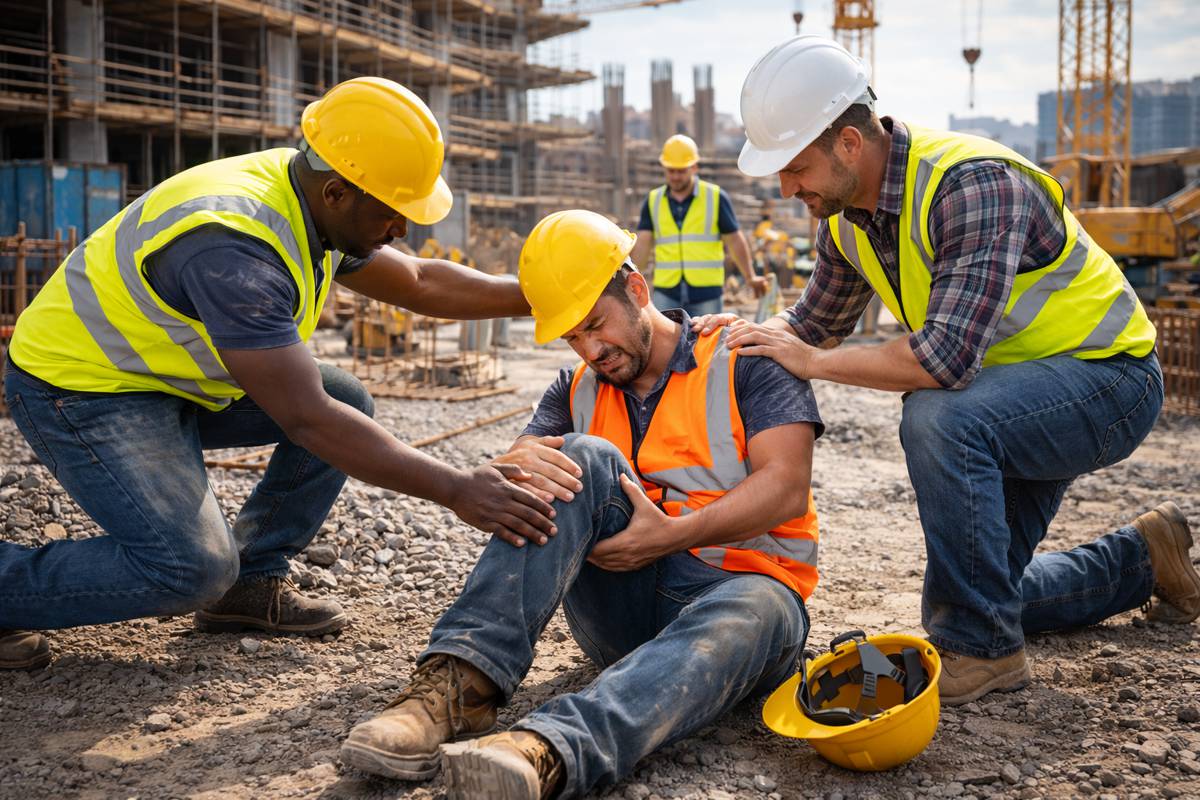
The physical demands of roadwork, heavy lifting, prolonged standing, and exposure to extreme heat or cold can exacerbate cardiovascular risks. High-stress environments, irregular schedules, and tight project deadlines contribute further to fatigue and other health issues. One effective strategy for minimizing risks is the implementation of onsite health screenings.
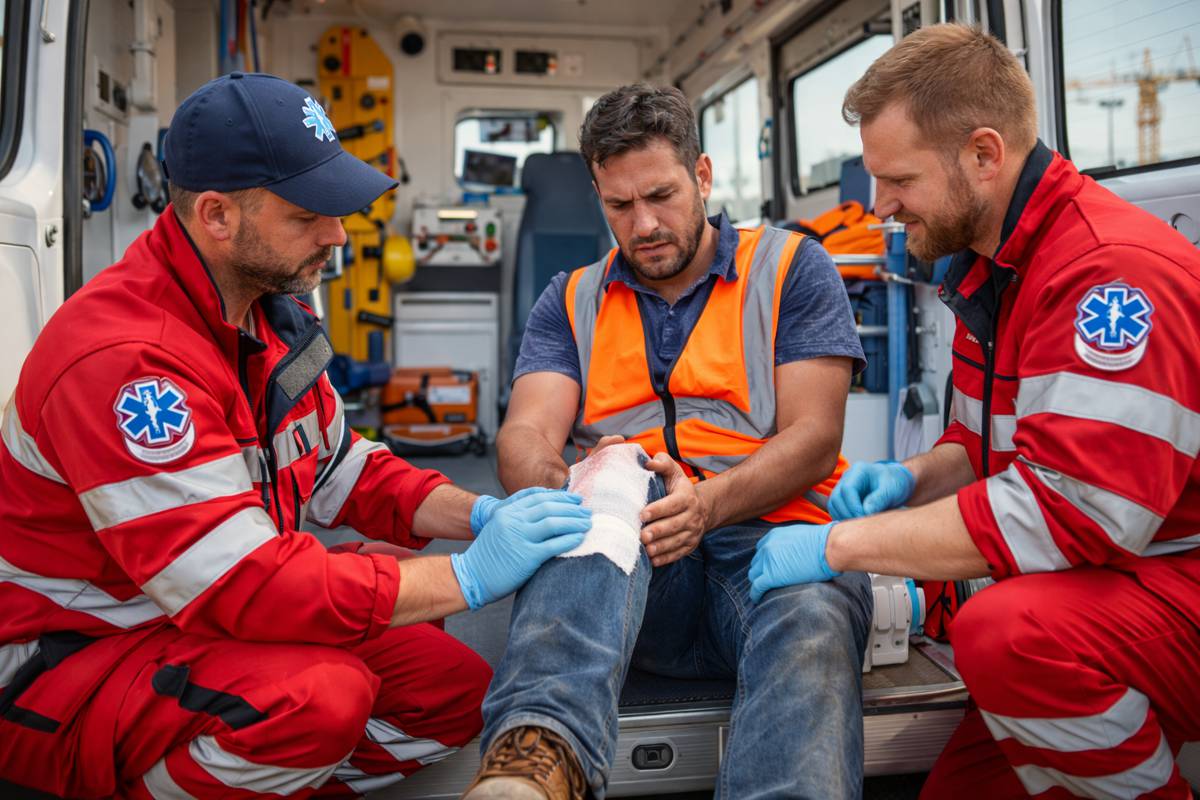
Project managers can use these assessments to identify early signs of hypertension or other health conditions, allowing timely intervention before a minor issue escalates into a serious incident.
Creating a culture of health awareness is equally important. Encouraging workers to take regular breaks, stay hydrated, and participate in wellness programs can reduce the incidence of fatigue-related accidents. Not only does this protect employees, but it also safeguards productivity by minimizing unplanned downtime caused by health-related incidents.
AI Scribe Technology for Site Reporting
While physical health monitoring addresses immediate risks, managing administrative and reporting tasks efficiently is also essential. In the medical field, AI scribe for Internal medicine has revolutionized the way patient documentation is handled, automating complex records and reducing human error. A similar approach is now being adapted for construction and infrastructure management.
AI-powered tools, sometimes referred to as “digital copilots,” can automate site inspections, progress reports, and permit approvals, streamlining workflows and allowing engineers to focus on critical on-site decision-making.
For example, voice-enabled AI agents can capture detailed activity logs, track material usage, and ensure compliance with safety protocols without relying on manual paperwork. By integrating these technologies into daily operations, project managers can reduce administrative bottlenecks, improve accuracy in reporting, and maintain regulatory compliance across multiple sites.
Future Tech & Wearables
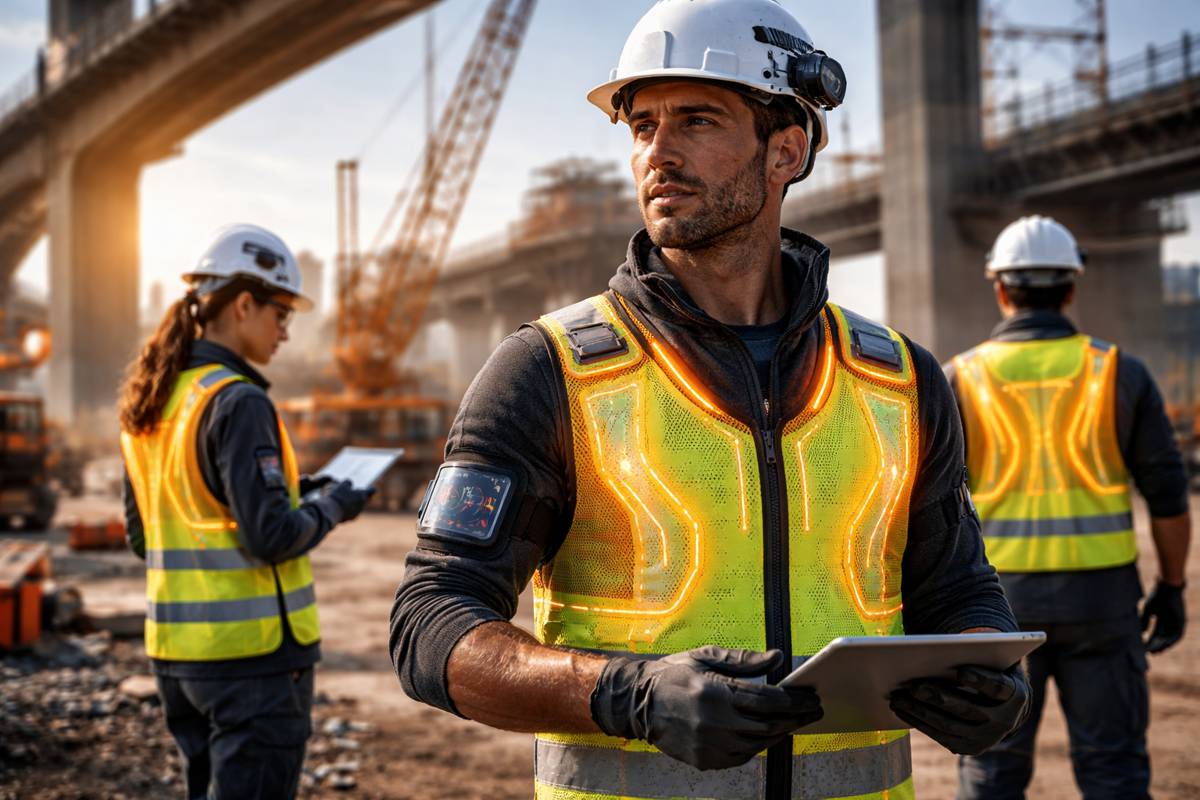
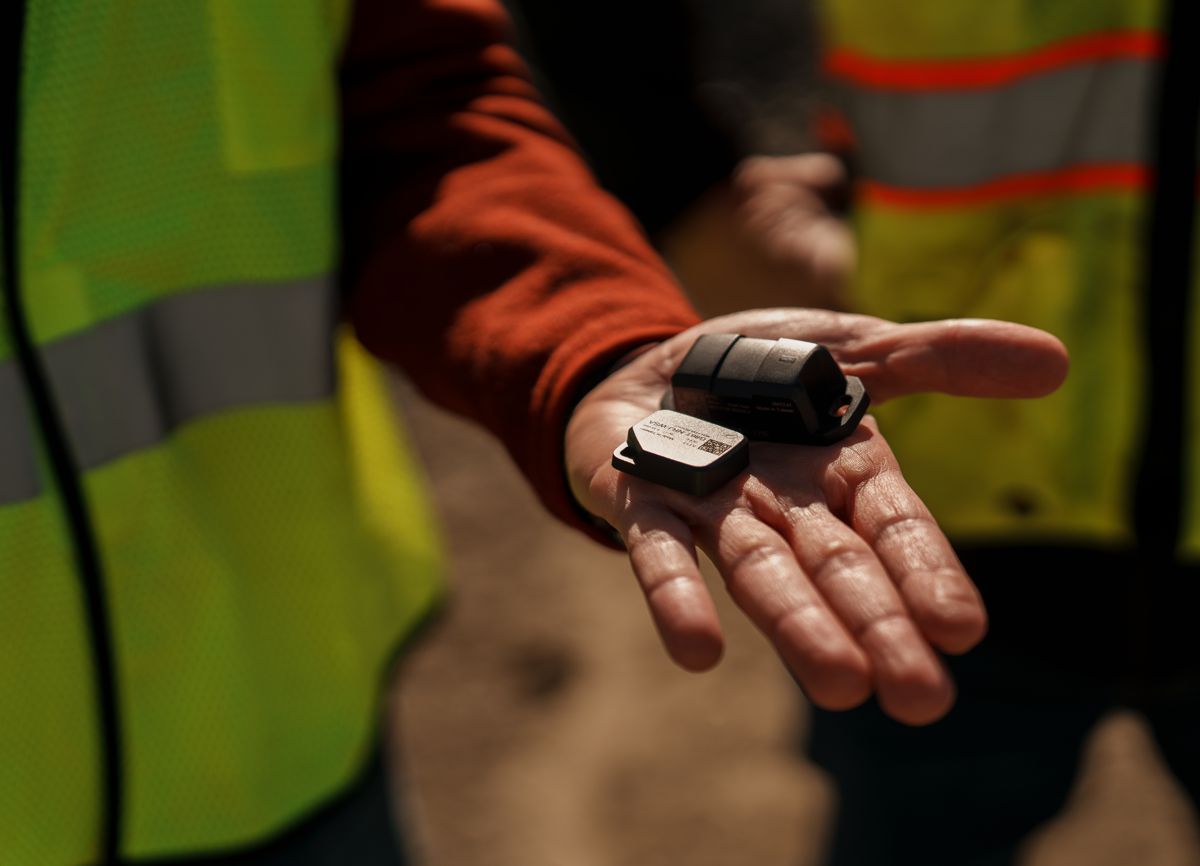
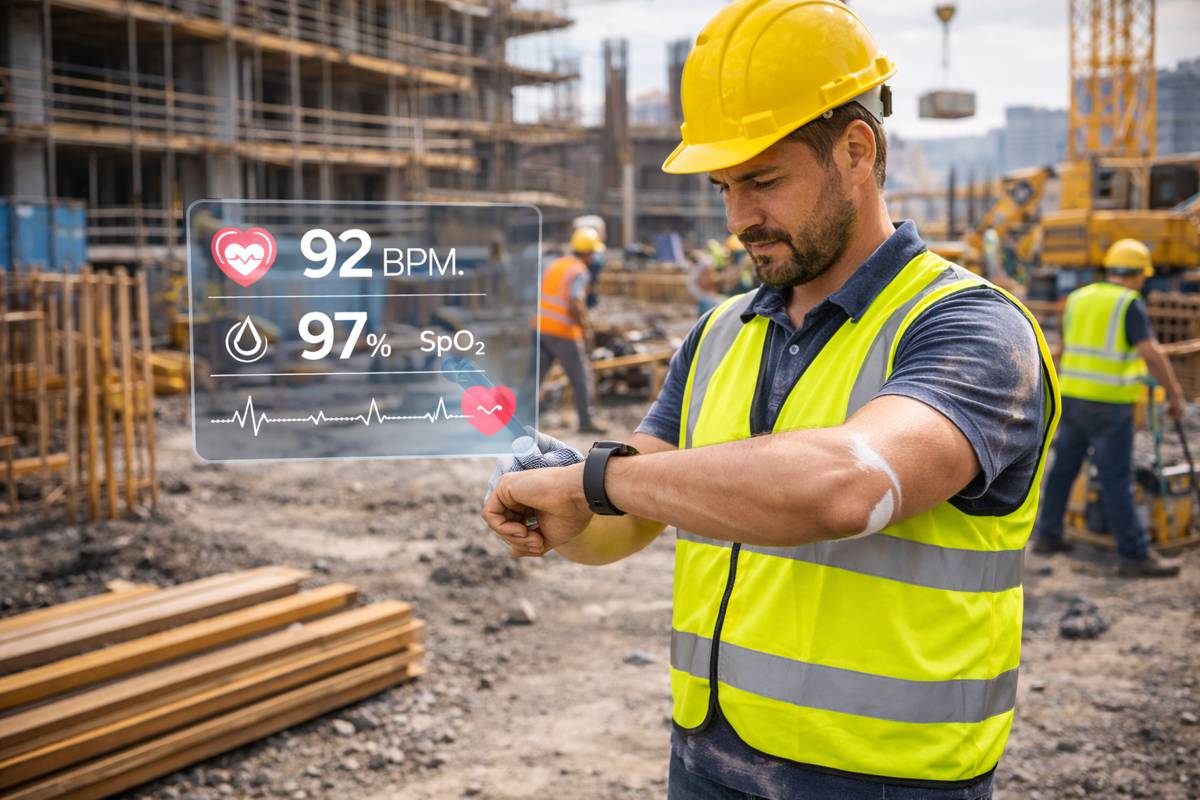
The next frontier in occupational health involves wearable technology and real-time data integration. Wearables can monitor vital signs, track worker movements, and alert both employees and managers when intervention is needed. For instance, devices that measure blood pressure can detect early warning signs of hypertension, fatigue, or dehydration, sending alerts before a worker reaches a critical condition.
These health-monitoring wearables can be integrated into broader site management systems, creating “smart highways” that link human performance data with project operations. This proactive approach helps prevent accidents, reduces the risk of costly emergency repairs, and lowers the overall incidence of workplace injuries, both fatal and non-fatal, that have a significant economic impact annually.
Safeguarding the Workforce
Managing occupational health and administrative efficiency is increasingly vital in the construction and infrastructure sectors. By addressing risks like hypertension through onsite health programs and adopting innovative solutions such as AI scribe for Internal medicine-inspired reporting tools and wearable technology, project managers can safeguard their workforce while ensuring smoother project execution.
Combining human-centred safety measures with advanced digital tools represents the future of smart, safe, and efficient construction management.