Leading Infrastructure Into The Predictive Era
For most of the past century, infrastructure has been managed on the assumption that stability was normal and disruption was exceptional. Roads were designed for forecast traffic, bridges inspected periodically, and maintenance budgets organised around cycles measured in years rather than hours. When systems deteriorated, engineers intervened. When demand exceeded expectations, capacity was expanded. The model was reactive but workable because change occurred slowly enough for corrective action to remain affordable.
That assumption is now under strain. Infrastructure networks operate continuously within conditions that rarely stabilise. Travel patterns fluctuate daily, climate variability affects structural performance, and logistics chains depend on timing measured in minutes rather than seasons. A motorway closure no longer affects only commuters. It reshapes freight routing, alters retail distribution and can even influence energy demand in surrounding regions. The physical asset may be local, yet its consequences propagate across entire economic systems.
The difficulty for infrastructure leaders is not a lack of information. It is fragmentation. Engineering teams understand physical performance, operations teams understand behaviour, and finance teams understand cost, but each perspective emerges separately and often too late. By the time data converges into a decision, disruption has already begun.
Artificial intelligence supported digital twins address part of this problem by extending visibility forward in time. They forecast behaviour instead of documenting it. Yet prediction alone does not change outcomes. Organisations also require a place where understanding becomes coordinated action. Increasingly, that role is being fulfilled by a new operational structure often described as an infrastructure control tower.
Digital Twins Turn Information Into Foresight
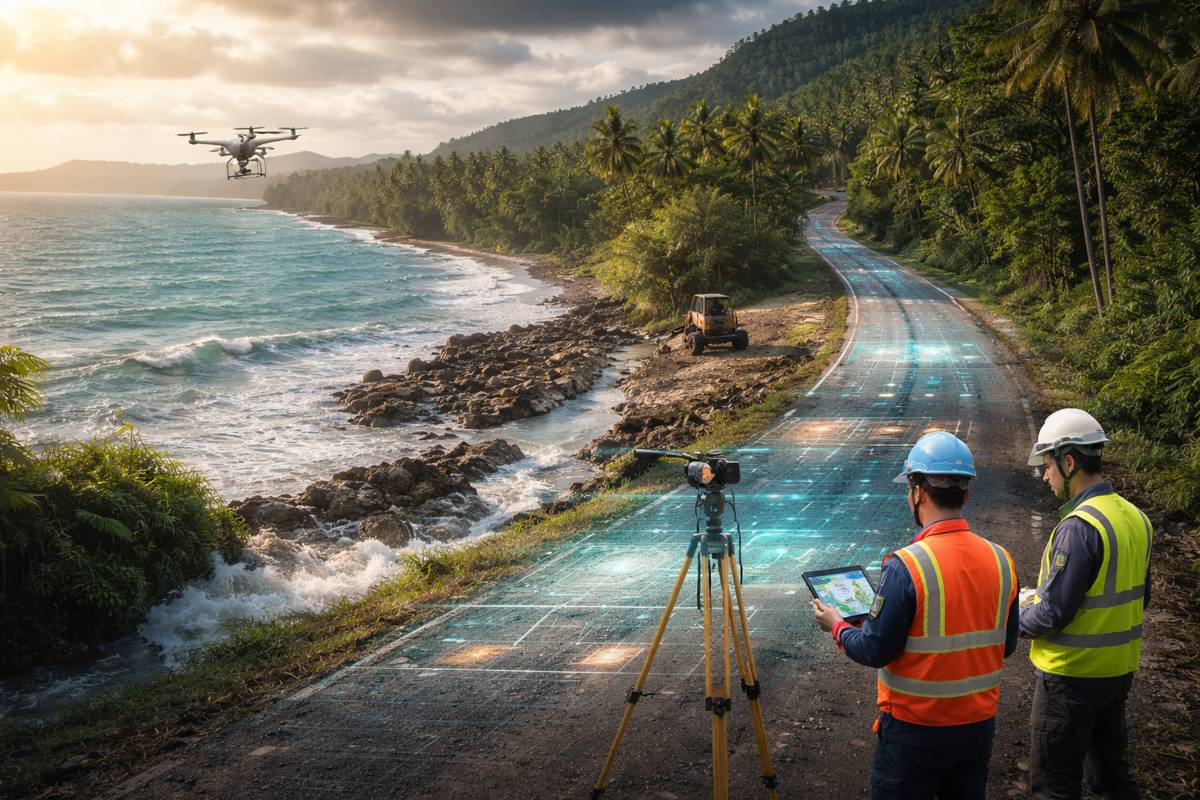
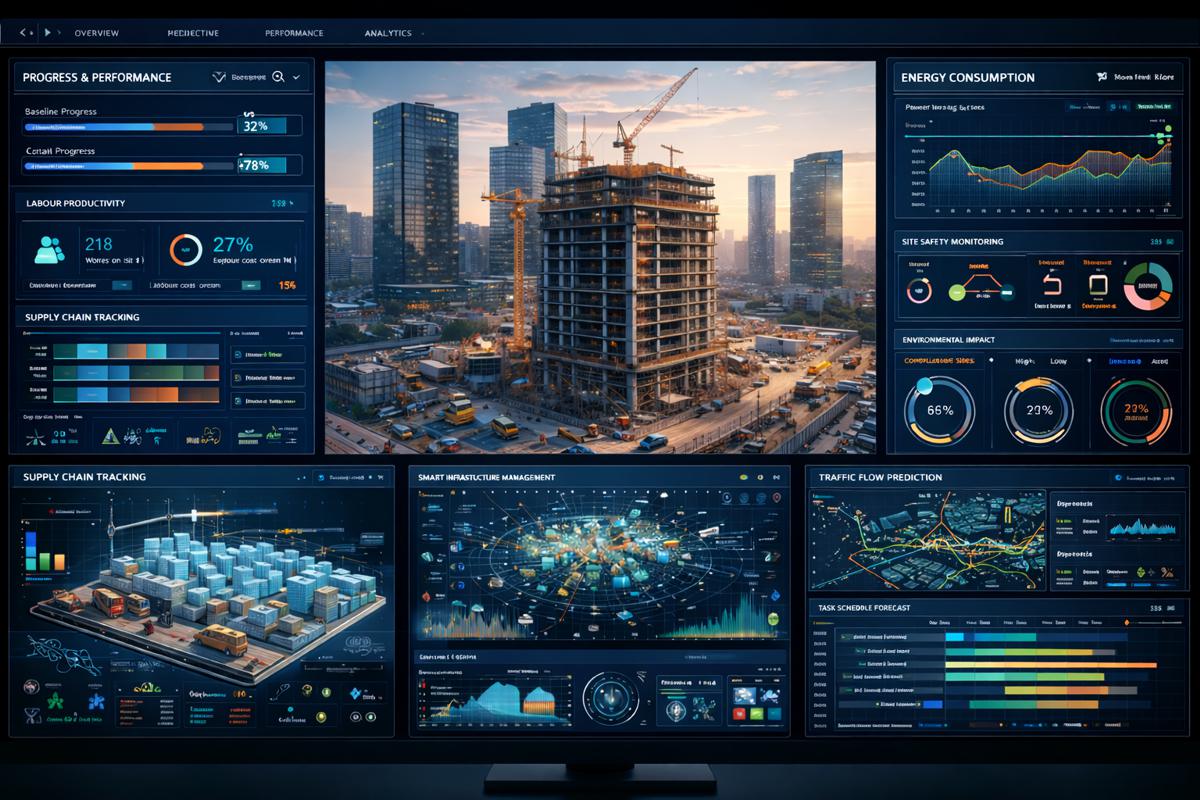
The term digital twin entered construction through design coordination, frequently associated with detailed three dimensional models. In operational practice, however, its value lies less in geometry and more in behaviour. A true twin continuously exchanges data with its physical counterpart, allowing leaders to evaluate decisions against real conditions before intervening in the physical world.
This distinction alters the meaning of infrastructure information. Asset records once described what existed and documented maintenance history. A connected twin instead describes what is likely to happen next. Sensors measure stress, systems track usage, environmental feeds provide context and operational changes update behaviour continuously. The model becomes an analytical environment rather than a static reference.
For leadership, the consequence is immediate. Planning discussions evolve from explanation to anticipation. Maintenance scheduling becomes probability management rather than routine adherence. Investment decisions begin to focus on preventing cost rather than justifying repair.
Yet insight alone does not resolve fragmentation. Forecasts must be interpreted collectively across engineering, operations and finance to influence real decisions. The digital twin therefore creates the need for an organisational counterpart capable of acting at the same speed as the analysis it provides.
Artificial Intelligence Shortens Decision Time
Even the most comprehensive digital twin produces more information than any individual team can process independently. Infrastructure behaviour depends on interactions between usage, weather, material fatigue and operational interventions occurring simultaneously. Artificial intelligence identifies relationships across those variables and highlights deviations before traditional inspection thresholds are reached.
The real advantage is not simply accuracy but timing. Predictive analysis provides early awareness, allowing intervention during optimal windows rather than emergency response after failure. Infrastructure managers gain time to coordinate rather than improvise.
However, early awareness only matters if organisations can respond quickly. Historically, each department analysed its own data and escalated issues through separate reporting chains. The delay between recognition and coordinated action often allowed manageable issues to become disruptive ones.
The emergence of shared operational environments resolves this delay. By combining predictive analytics with centralised situational awareness, organisations align response with the speed of insight.
Transport Networks Become Behavioural Systems
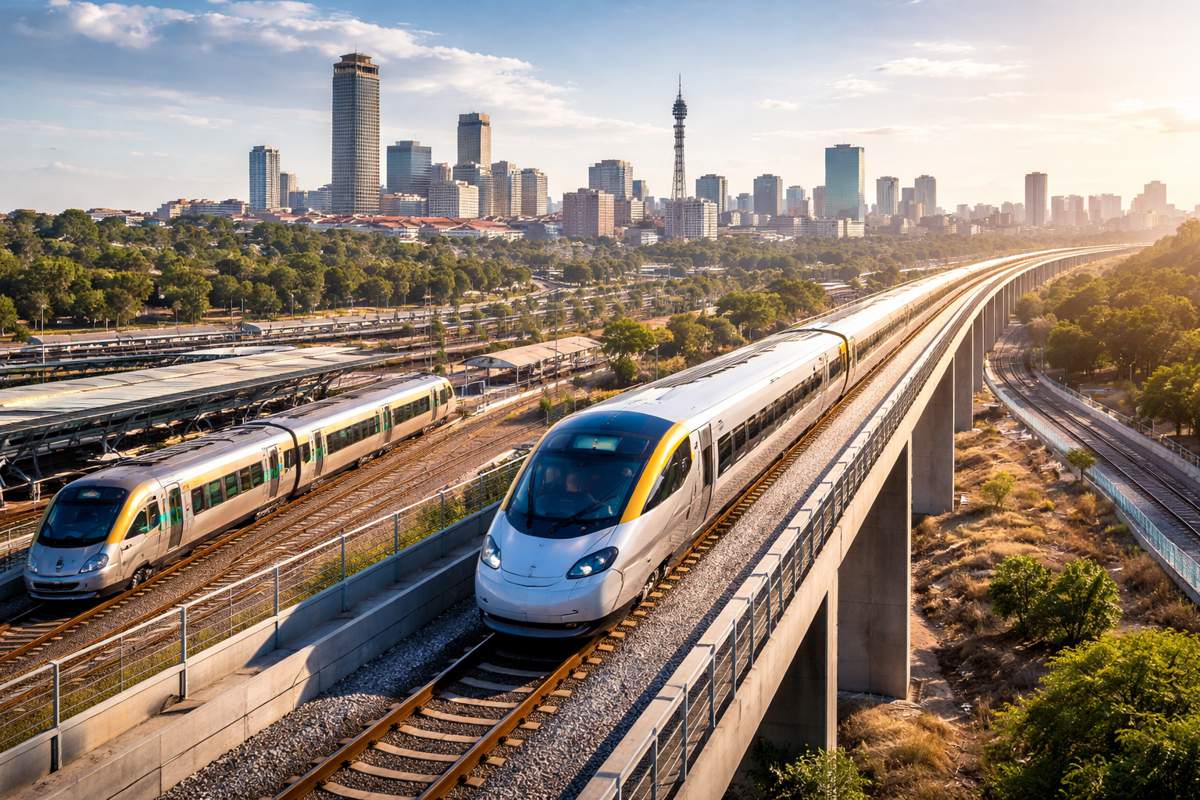
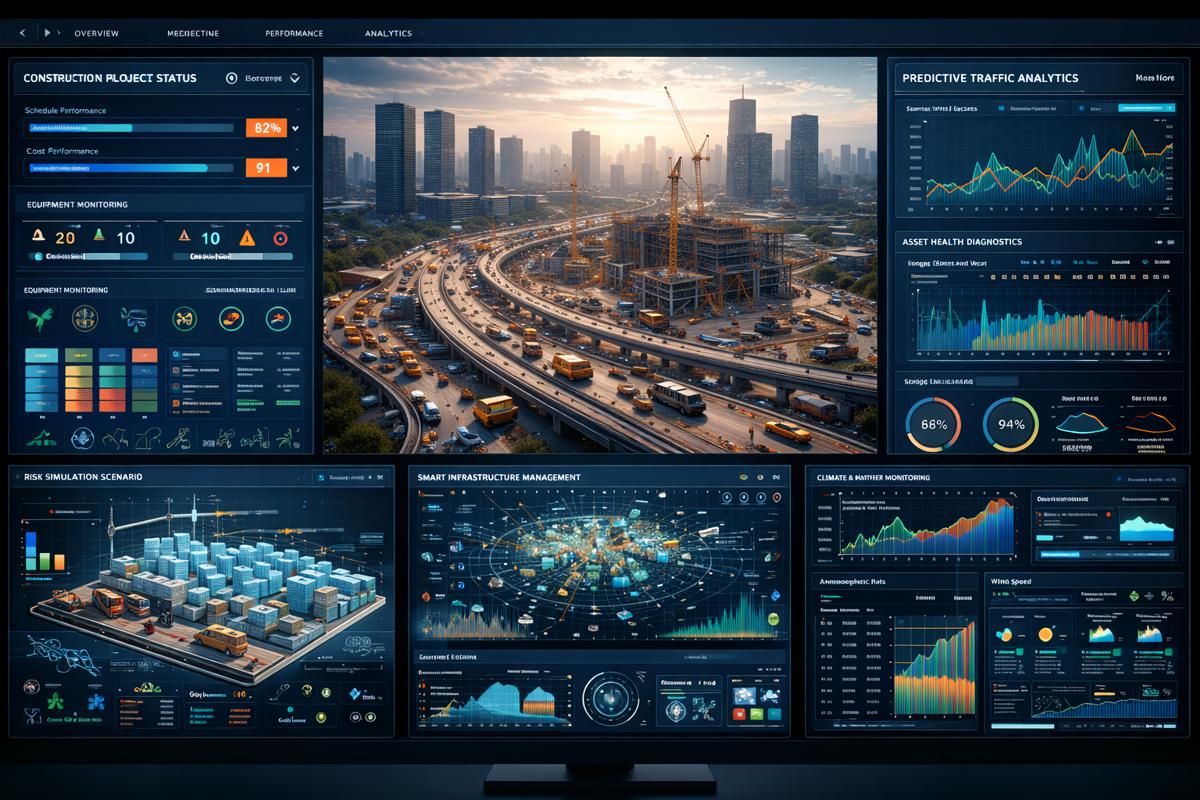
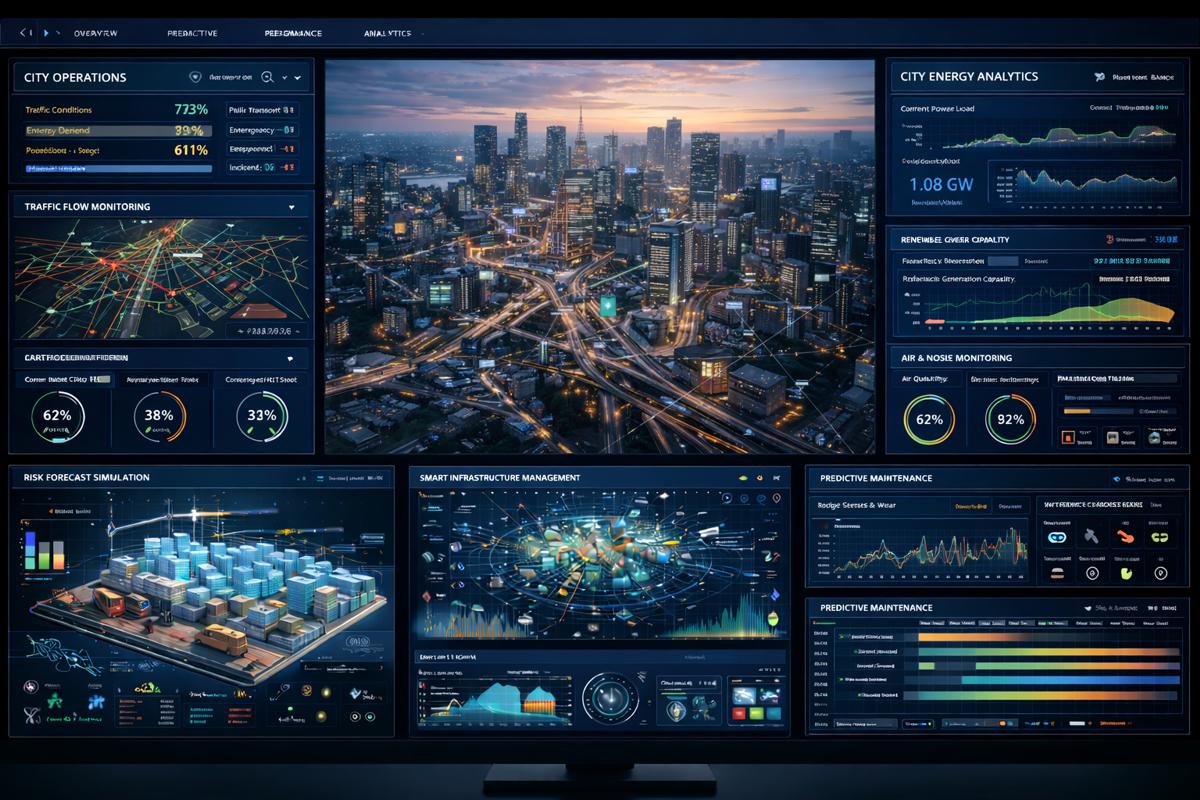
The transition is most visible in transport infrastructure because its performance depends directly on human behaviour. A road network does not simply carry vehicles; it responds to collective decisions made by millions of users. Congestion emerges not from capacity alone but from timing, routing choices and external conditions.
Digital twins allow planners to simulate interventions against predicted behaviour. Lane closures, maintenance works and traffic diversions can be evaluated before implementation to understand how users will respond. Artificial intelligence models driver adaptation patterns, allowing authorities to choose timing that minimises disruption rather than simply fits engineering schedules.
This represents a subtle but important change in planning philosophy. Traditional traffic management minimised disruption after it occurred. Predictive planning aims to prevent it entirely. When authorities understand behavioural consequences in advance, they can stage works around natural demand patterns rather than impose them upon the network.
The public rarely notices these decisions precisely because they succeed. Journeys continue normally, and infrastructure disappears into the background. Yet this quiet reliability becomes the defining metric of modern infrastructure governance.
Utilities and Energy Networks Follow Similar Logic
Energy and utility systems face parallel complexity. Electrification and distributed generation introduce variability that traditional forecasting struggles to accommodate. Demand fluctuates by minute rather than season, while renewable supply varies with environmental conditions.
Digital twins enable operators to simulate load scenarios continuously, assessing network resilience before conditions materialise. Instead of reacting to instability, operators evaluate operational strategies virtually and adjust configurations proactively.
Water networks benefit similarly. Leakage and pressure variability rarely appear suddenly. They develop gradually through material fatigue and usage patterns. Predictive models identify zones likely to deteriorate and prioritise interventions accordingly, reducing both repair cost and service disruption.
Across sectors the principle remains consistent. Infrastructure management evolves from periodic inspection toward continuous understanding. Artificial intelligence interprets behaviour, and leadership chooses whether to intervene early or wait for visible confirmation.
Financial Predictability Becomes a Strategic Outcome
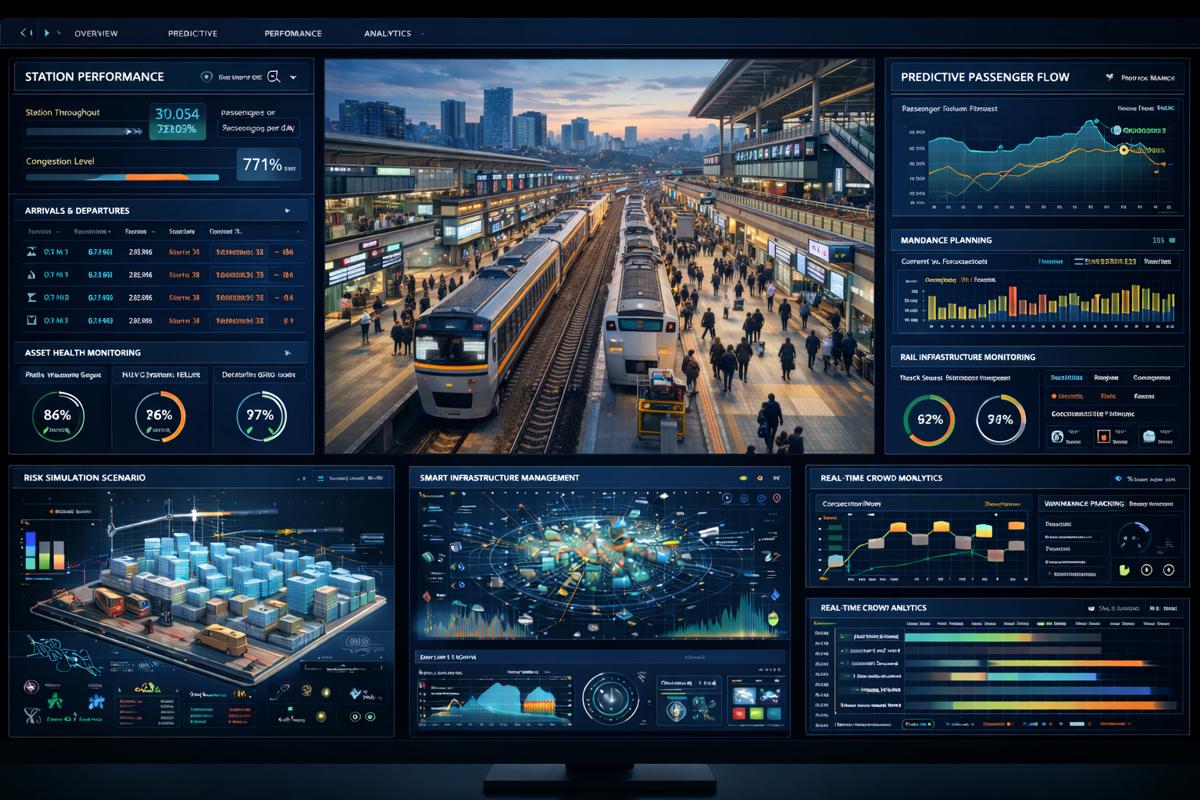
Infrastructure investment has always balanced long horizons against uncertain outcomes. Cost overruns and operational disruption undermine public trust and financial confidence alike. The challenge has rarely been engineering capability but forecasting accuracy.
Predictive governance improves financial certainty by revealing trajectory earlier. When risk emerges months in advance, contingency becomes planned rather than defensive. Contractual relationships shift from adversarial interpretation toward collaborative mitigation because all parties share a common evidence base.
Investors value this stability. Infrastructure assets attract capital not solely through returns but through reliability. Predictive insight reduces volatility, making long term planning credible. Governments likewise benefit because budget forecasting aligns more closely with actual expenditure rather than emergency allocation.
In this sense, artificial intelligence becomes a financial instrument as much as an operational one. It transforms infrastructure from a reactive cost centre into a predictable service platform.
Lifecycle Thinking Replaces Project Thinking
Historically, infrastructure knowledge fragmented at handover. Construction teams delivered physical assets and documentation, while operations teams inherited responsibility without continuous analytical context. Each phase operated competently but separately.
Digital twins erase that boundary. Construction data feeds operational analytics directly, and operational behaviour informs future design standards. The asset exists within a continuous information environment from conception onward.
Procurement strategies therefore evolve. Authorities begin to evaluate information deliverables alongside physical works. A project is no longer complete at commissioning but at operational integration. Contractors contribute to long term performance understanding rather than short term completion metrics.
This continuity produces cumulative learning. Instead of rediscovering behaviour on each project, organisations develop institutional intelligence that improves every subsequent investment.
This continuity also changes day to day operations. When construction and operational data coexist within a shared analytical environment, decisions no longer wait for formal reporting cycles. Teams monitor evolving performance collectively, and interventions occur when conditions begin to diverge from expectations. The organisational structure required to support this continuous awareness increasingly resembles the operational coordination centres long used in aviation and large scale logistics networks.
Control Towers Become the Nerve Centre of Predictive Infrastructure
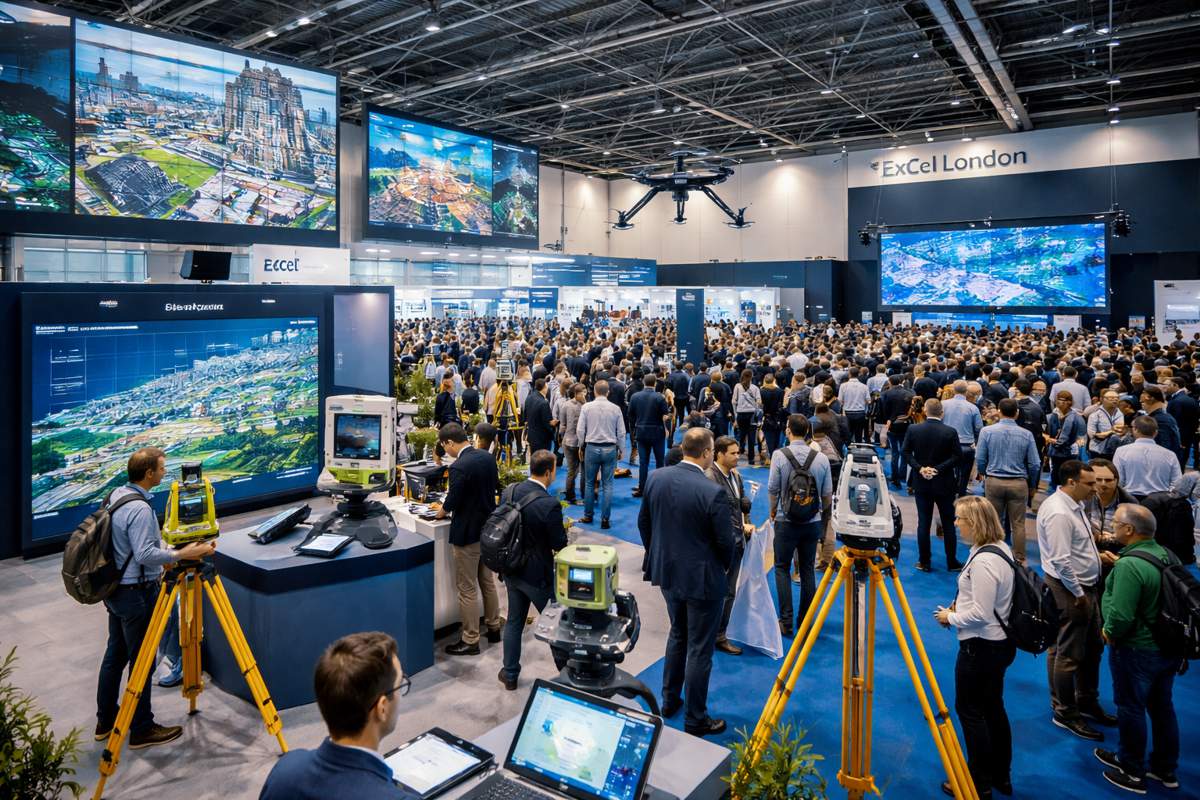
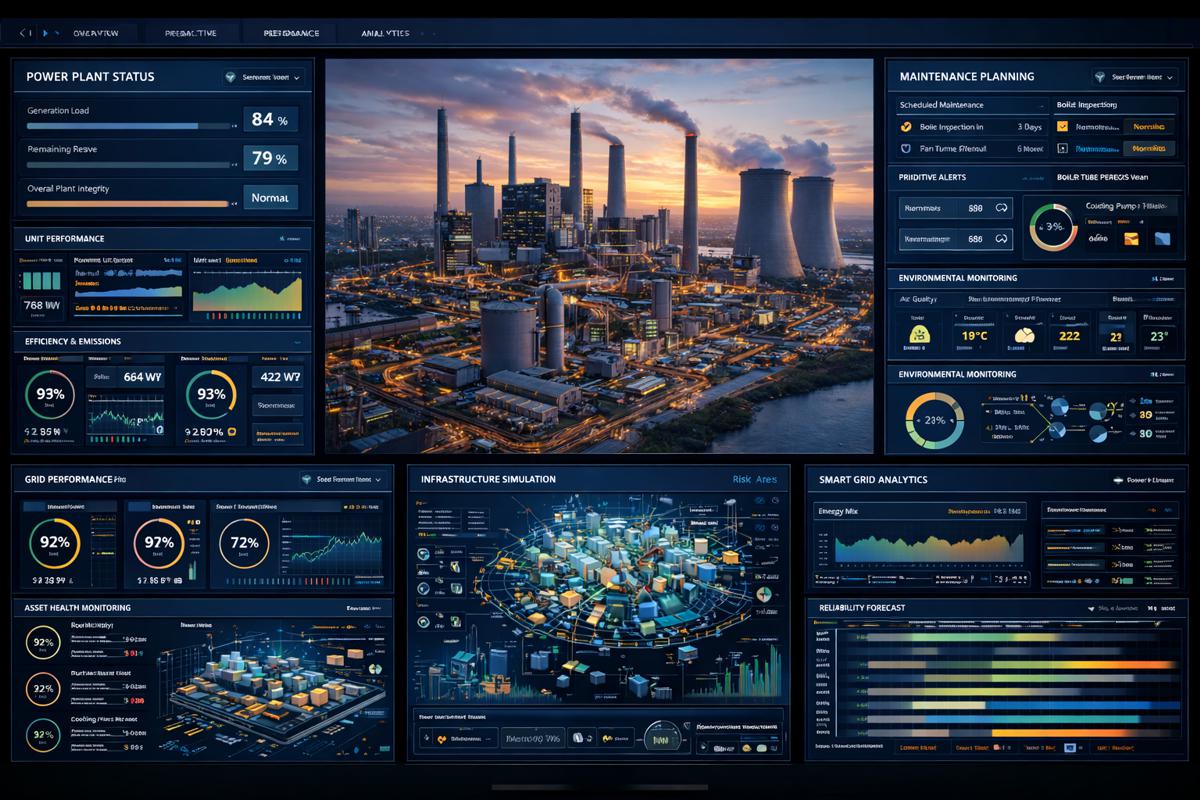
Predictive infrastructure does not operate in isolation within software models. It requires a place where information converges and decisions are coordinated. Increasingly, that place is known as a control tower.
Borrowed from aviation, the term reflects a shift in management philosophy. A control tower does not simply monitor activity. It orchestrates it. Aircraft movements are sequenced, conflicts anticipated and interventions issued before risk becomes visible. Infrastructure organisations are now adopting the same principle for physical networks.
Digital twins and artificial intelligence provide analysis, but a control tower provides authority. It connects planning, construction, operations and maintenance teams into a single operational environment where shared data leads to shared action.
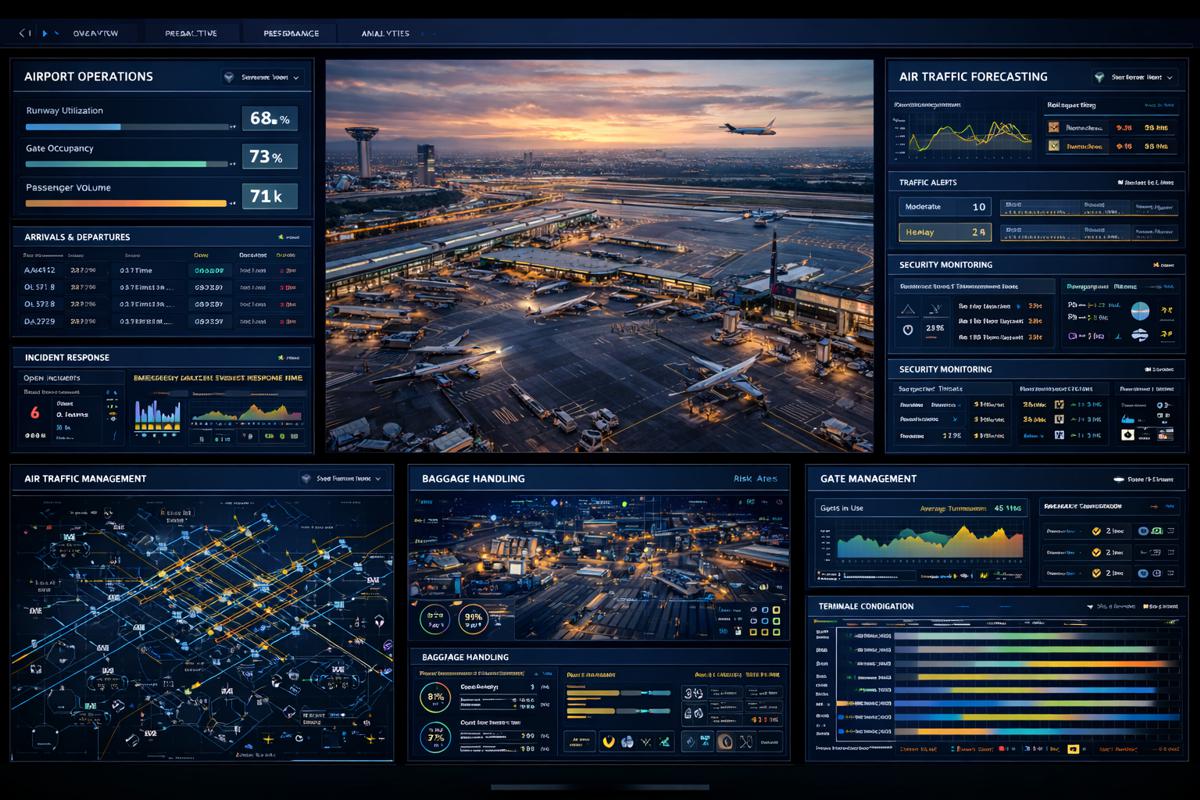
In practical terms, a modern infrastructure control tower integrates several streams simultaneously:
- live operational telemetry from assets and sensors
- project delivery progress and logistics status
- environmental and demand forecasting
- risk alerts generated by predictive models
- financial and contractual performance indicators
The significance lies in synchronisation. Traditionally, each discipline interpreted its own data and escalated issues independently. By the time information reached leadership, the opportunity to prevent disruption had often passed. The control tower compresses that timeline. Decision makers see emerging issues across disciplines at the same moment they begin to develop.
From Reporting Rooms to Decision Environments
Earlier project control rooms focused on visualising status. They displayed dashboards, schedules and maps but largely functioned as reporting hubs. The modern control tower operates differently. It is not designed to explain what happened yesterday but to determine what must happen next.
Artificial intelligence plays a critical role here. Predictive maintenance alerts generated by digital twins highlight deviations before thresholds are crossed. Instead of waiting for inspection results or public complaints, operators receive early warnings based on behavioural trends. The control tower translates those signals into coordinated intervention.
For example, a transport authority may detect increasing traffic stress linked to upcoming construction works. The control tower evaluates phasing adjustments, temporary routing and communication strategies simultaneously. Maintenance teams, contractors and operations managers align actions within hours rather than weeks.
This reduces organisational latency. Infrastructure problems rarely escalate because they are technically unsolvable. They escalate because response takes too long. The control tower shortens response time by aligning situational awareness across departments.
Continuous Operations Replace Periodic Oversight
The emergence of control towers reflects a broader change in infrastructure oversight. Management shifts from periodic review toward continuous supervision. Instead of weekly coordination meetings, organisations maintain permanent operational visibility.
This alters leadership behaviour. Executives no longer rely solely on summary reports. They observe network health in real time and intervene selectively when predictive indicators suggest escalation. The result is fewer emergency decisions and more deliberate planning adjustments.
Control towers also influence contractual relationships. When all stakeholders operate within the same decision environment, disputes over interpretation decline. Data becomes shared context rather than contested evidence. Coordination replaces escalation as the primary response mechanism.
The Operational Layer of Intelligent Infrastructure
Digital twins provide understanding. Artificial intelligence provides foresight. The control tower provides execution.
Without this operational layer, predictive insight risks remaining advisory. With it, infrastructure governance becomes active rather than analytical. Decisions occur at the moment insight emerges, not after reporting cycles conclude.
As infrastructure grows more complex and interconnected, the control tower becomes the organisational counterpart to predictive technology. It is where anticipation turns into action and where intelligent infrastructure becomes managed infrastructure.
Leadership Culture Determines Success
The introduction of control tower operations reveals that predictive infrastructure is ultimately a leadership discipline rather than a software deployment. Digital twins provide understanding and artificial intelligence provides foresight, but organisations must decide whether they are prepared to act on early signals rather than confirmed problems.
Engineering culture has historically valued verification. Predictive governance requires confidence in evidence trends before certainty appears. Control towers accelerate decision making by presenting shared insight to all stakeholders simultaneously, yet they also demand trust in collective interpretation.
Organisations that embrace this approach intervene earlier and experience fewer crises. Those that hesitate continue to manage consequences rather than prevent them.
Engineering culture traditionally emphasises verification. Acting before evidence becomes conclusive feels counterintuitive. Yet waiting for certainty often means waiting for failure. Successful organisations learn to interpret predictive insight as advisory intelligence supported by professional judgement rather than as an automated directive.
Training and governance frameworks therefore become critical. Teams must understand model assumptions, confidence levels and acceptable risk thresholds. When leaders trust the analytical environment, decisions accelerate. When they hesitate, technology becomes an expensive reporting tool rather than a preventive instrument.
The transformation is therefore cultural as much as digital. Artificial intelligence provides foresight. Leadership determines whether foresight influences action.
Climate Adaptation Moves From Theory to Planning
Climate variability challenges traditional design assumptions because past conditions no longer guarantee future performance. Infrastructure must function across wider environmental ranges than originally anticipated.
Digital twins allow authorities to simulate decades of conditions and evaluate resilience strategies quantitatively. Flood protection, heat tolerance and usage changes can be assessed before physical adaptation begins. Investment decisions become preventative rather than restorative.
This approach aligns environmental responsibility with economic prudence. Reinforcing infrastructure before damage occurs reduces both repair cost and societal disruption. Predictive governance therefore supports sustainability objectives while improving financial outcomes.
Governance and Accountability in an Automated Environment
As predictive systems influence decisions, governance frameworks must evolve to maintain accountability. Questions of data ownership, validation and approval become central. Standards emphasise transparency so decision pathways remain understandable even when analysis is complex.
Human oversight remains essential. Artificial intelligence recommends but does not decide. Engineers and policymakers retain responsibility for interpretation and action. The technology strengthens decision quality without diluting accountability.
Clear governance structures ensure confidence across stakeholders, from regulators to investors and the public alike. Predictive infrastructure becomes trusted infrastructure.
The Emerging Role of Infrastructure Leaders
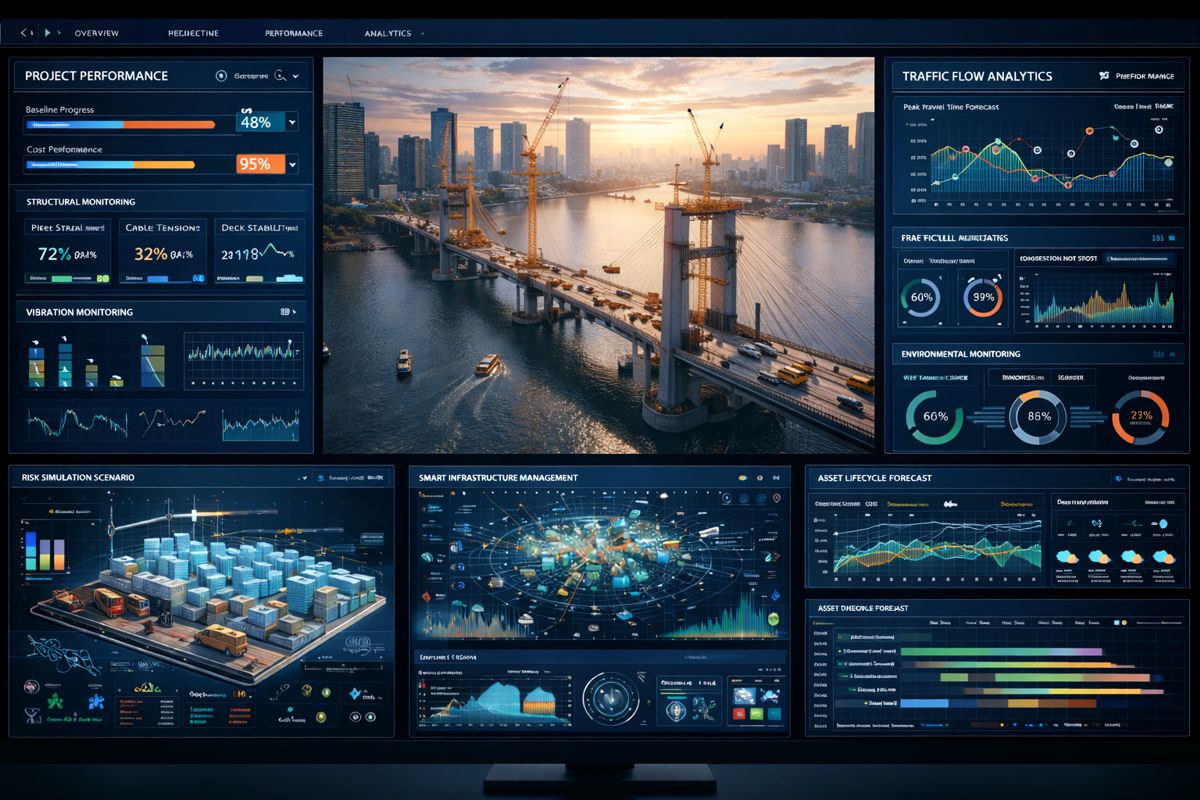
The cumulative effect of these developments is a redefinition of infrastructure leadership itself. Leaders no longer manage only projects or assets. They manage trajectories.
They oversee systems that continuously reveal future conditions, requiring intervention before disruption manifests. Their success is measured less by response capability and more by absence of crisis. Infrastructure reliability becomes an outcome of anticipation rather than reaction.
In practical terms, this means organisations prioritise situational awareness as highly as engineering expertise. Decision environments integrate operational data, predictive analytics and professional judgement into a single framework.
The infrastructure sector is therefore moving quietly but decisively toward anticipatory governance. Artificial intelligence and digital twins are not replacing traditional engineering but extending its reach forward in time.
A Different Future for Infrastructure Management
As global infrastructure networks grow more complex, reactive management becomes economically unsustainable. Disruption spreads too quickly and recovery costs too much. Predictive governance offers a different path, one based on foresight rather than hindsight.
The transformation will not be dramatic or highly visible. The public will not notice digital twins in operation any more than they notice well synchronised traffic signals. Yet reliability will improve, budgets will stabilise and leaders will make decisions with greater confidence.
Infrastructure will increasingly be judged not by how effectively it is repaired but by how rarely it fails.
That quiet change marks the true arrival of intelligent infrastructure.