Why Skilled Trades Are the Missing Link in Today’s Infrastructure Boom
Infrastructure investment is accelerating worldwide. Governments are committing unprecedented funding to expand highways, modernize bridges, upgrade freight corridors, and integrate transport systems with renewable energy and digital technology. From North America to Europe, the Middle East to Asia-Pacific, large-scale projects are rapidly transitioning from policy announcements to active construction.
However, behind this surge lies a challenge that receives far less attention than budgets and timelines: a shortage of skilled labor.
While supply chain disruptions and material costs have dominated recent industry discussions, workforce capacity may ultimately prove to be the defining constraint of this infrastructure cycle. Roads, tunnels, industrial transport hubs, and energy-linked systems all depend on experienced tradespeople. Yet, in many regions, this workforce is shrinking just as demand peaks.
Funding Is Flowing — Skilled Trades Are Not
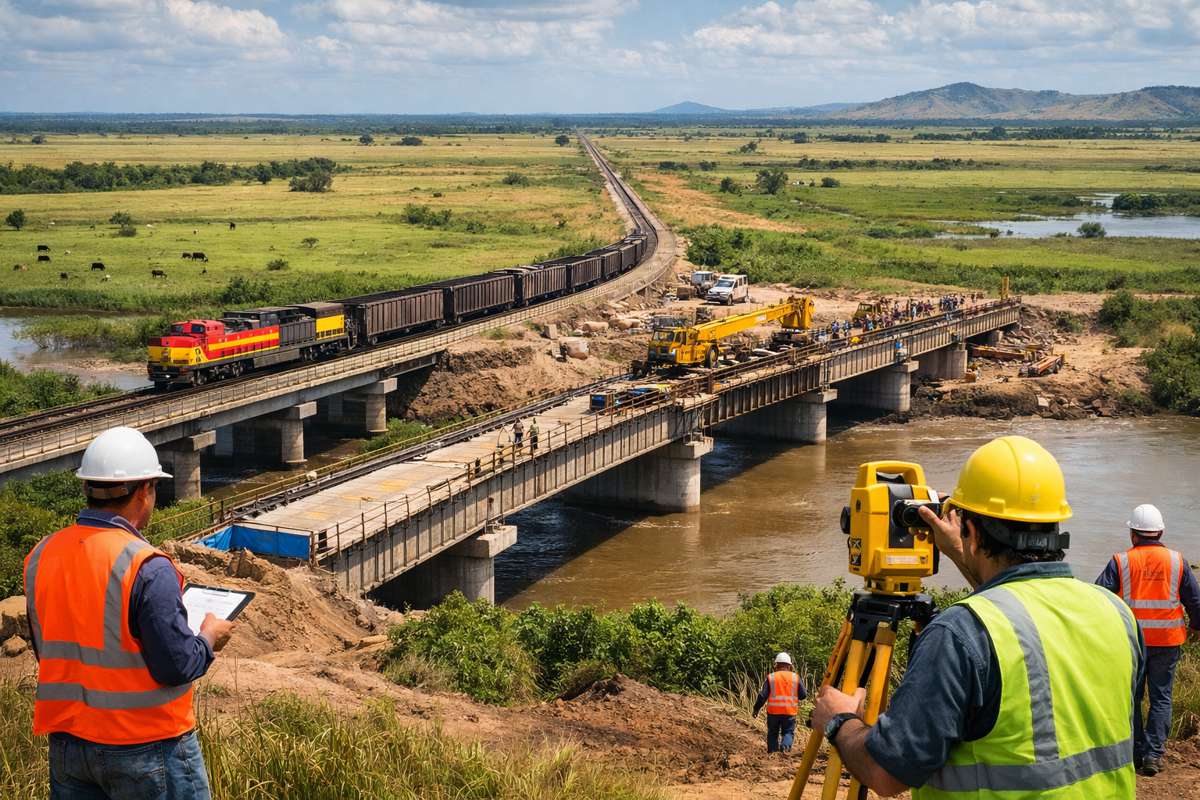
The volume of infrastructure spending is historic. Highway rehabilitation programs are expanding, manufacturing plants tied to reshoring initiatives are being developed, and renewable energy facilities are being connected to transport networks. The project pipeline is full.
Yet, the labor market tells a different story.
Across developed economies, a significant percentage of skilled tradespeople are approaching retirement age, while fewer younger workers are entering vocational pathways. Training pipelines have struggled to keep pace with the scale of infrastructure investment. Meanwhile, projects are becoming more technically complex and subject to stricter compliance standards.
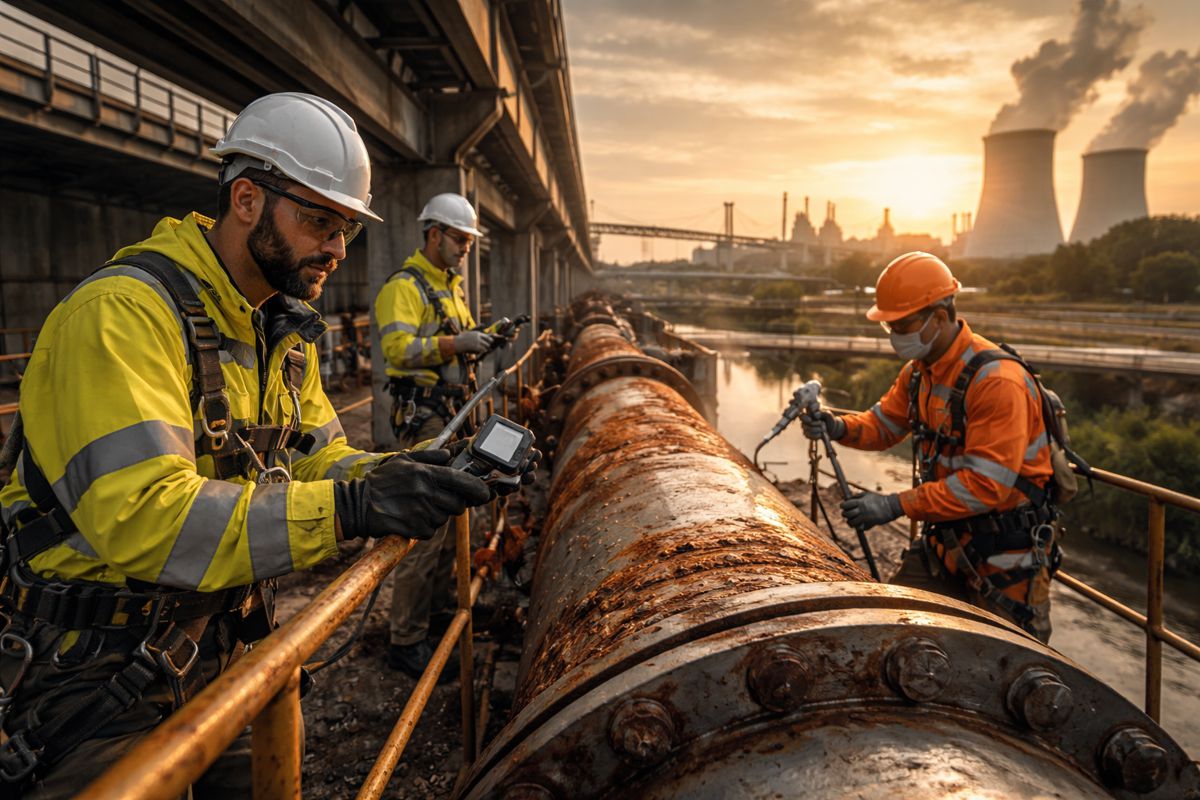
This combination has forced contractors to rethink their workforce strategy. It is no longer sufficient to recruit general labor on short notice. Major builds now require certified professionals who understand high-risk industrial environments, advanced mechanical and electrical systems, and rigorous safety protocols. For many project leaders, partnering with firms specializing in heavy industrial staffing has become a practical solution to secure the experienced trades necessary to keep complex infrastructure projects on track.
The challenge is not simply a shortage of people; it is a shortage of specialized capability.

The Ripple Effect on Project Delivery
Labor gaps impact more than hiring departments. They affect every stage of project execution.
When skilled trades are unavailable at critical milestones, schedules shift. Delays in electrical installations, steel erection, or mechanical integration create knock-on effects across multiple teams. In publicly funded infrastructure programs, these delays can result in financial penalties and heightened political scrutiny.
Safety performance is also at risk. Highway construction and related industrial environments are inherently high-risk. When teams are stretched thin or less experienced workers are placed in demanding roles, the margin for error narrows. Fatigue increases, supervision becomes strained, and the likelihood of incidents rises.
Quality and compliance are additional concerns. Modern infrastructure projects operate under strict regulatory frameworks. Inadequate expertise can result in failed inspections, rework, or long-term performance issues that undermine project outcomes.
In this context, workforce shortages are not isolated operational issues, they are strategic risks.
Why the Shortage Is Structural, Not Temporary
Early assumptions that labor shortages were a short-term post-pandemic disruption are increasingly being replaced by a more sobering assessment. Several long-term forces are converging.
Demographics are shifting. Experienced tradespeople are retiring faster than they can be replaced. Training institutions have not expanded capacity at the same pace as infrastructure budgets. Meanwhile, construction continues to compete with other industries for emerging talent.
Simultaneously, the nature of infrastructure itself is evolving. Smart motorways, electrified transport networks, renewable integration, and industrial automation all demand higher levels of technical skill than many traditional projects. The industry is demanding more expertise from a shrinking pool of professionals.
This imbalance suggests that the labor challenge is unlikely to resolve without deliberate and coordinated action.
Infrastructure Is Becoming More Interconnected
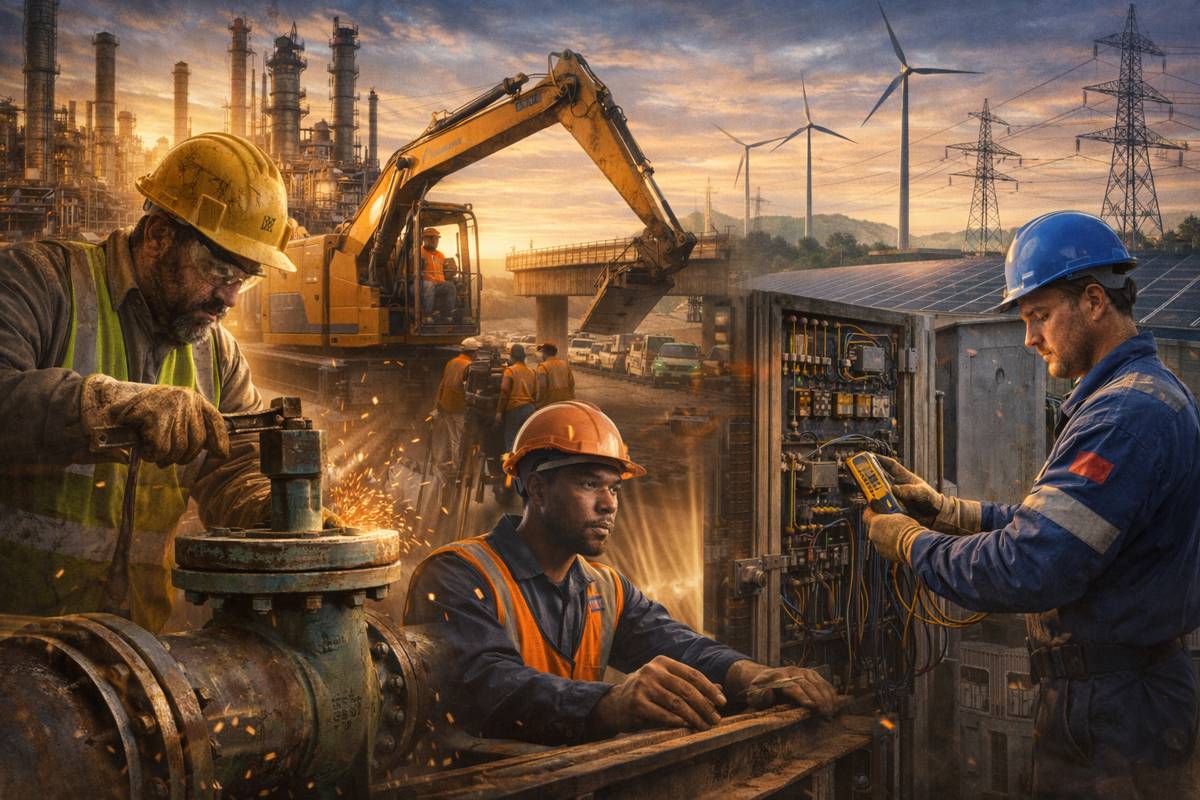
Modern infrastructure projects rarely exist in isolation. A highway expansion may be linked to logistics hubs, manufacturing facilities, energy installations, and digital traffic systems. Renewable power developments are increasingly supporting transport electrification. Industrial growth and freight capacity are closely intertwined.
As these systems become more interconnected, the technical demands placed on construction teams increase. Coordination between civil engineering, mechanical systems, electrical installations, and industrial processes has become routine.
The workforce required to deliver such projects must reflect that complexity. Experience, certification, and adaptability are essential qualities — not optional advantages.
Rethinking Workforce Strategy for the Next Decade
Forward-thinking contractors are responding by treating labor as a strategic asset rather than a variable cost.
Proactive workforce forecasting is becoming part of early project planning. Companies are strengthening partnerships with training institutions and apprenticeship programs to build longer-term talent pipelines. Retention strategies — including improved safety culture, competitive compensation, and clearer career pathways — are receiving renewed attention.
Collaboration across the industry is also critical. Governments, contractors, training bodies, and specialized workforce providers each play a role in rebuilding capacity and ensuring that infrastructure ambitions are matched by workforce readiness.
Firms that adapt to this reality will be better positioned to secure contracts and deliver projects efficiently in a competitive environment.

A Defining Moment for the Infrastructure Sector
The current wave of infrastructure investment represents a generational opportunity to modernize transport networks and strengthen economic resilience. Funding commitments are strong. Political support is visible. Public expectations are high.
But infrastructure does not build itself.
Behind every bridge span, highway interchange, and logistics corridor is a workforce applying skill, precision, and experience. Without sufficient qualified tradespeople, even the most well-financed projects risk delay and disruption.
Addressing the skilled labor crisis is therefore not simply a staffing issue. It is central to the success of global infrastructure development in the decade ahead. Investing in people — through training, strategic workforce planning, and industry collaboration, may ultimately prove just as important as investing in concrete and steel.