Financing Recovery and Urban Infrastructure in Türkiye
In the years following the devastating February 2023 earthquakes in southern Türkiye, the country’s infrastructure priorities shifted overnight. Roads, water systems, housing and public utilities suddenly became not only development objectives but essential instruments of recovery. International finance institutions stepped into a role that goes beyond lending, acting as technical partners in rebuilding safer and more resilient cities.
The European Bank for Reconstruction and Development has now committed funding to two projects that sit at the heart of long term recovery and economic stability. One focuses on mobility in Istanbul, the other on environmental health and public services in Osmaniye. Taken together, they reflect a broader strategy emerging across reconstruction regions worldwide: recovery is no longer limited to rebuilding what existed, but upgrading systems to modern standards that reduce risk and emissions simultaneously.
The Bank has already invested more than €1.6 billion into Türkiye’s post earthquake reconstruction effort. That funding has not been limited to public infrastructure but also extends to private sector partnerships and SME credit support, recognising that economic continuity depends as much on functioning businesses as on physical assets. Infrastructure investment, however, remains the backbone because transport, sanitation and utilities determine whether communities can return and economies restart.
A metro line shaping economic productivity in Istanbul
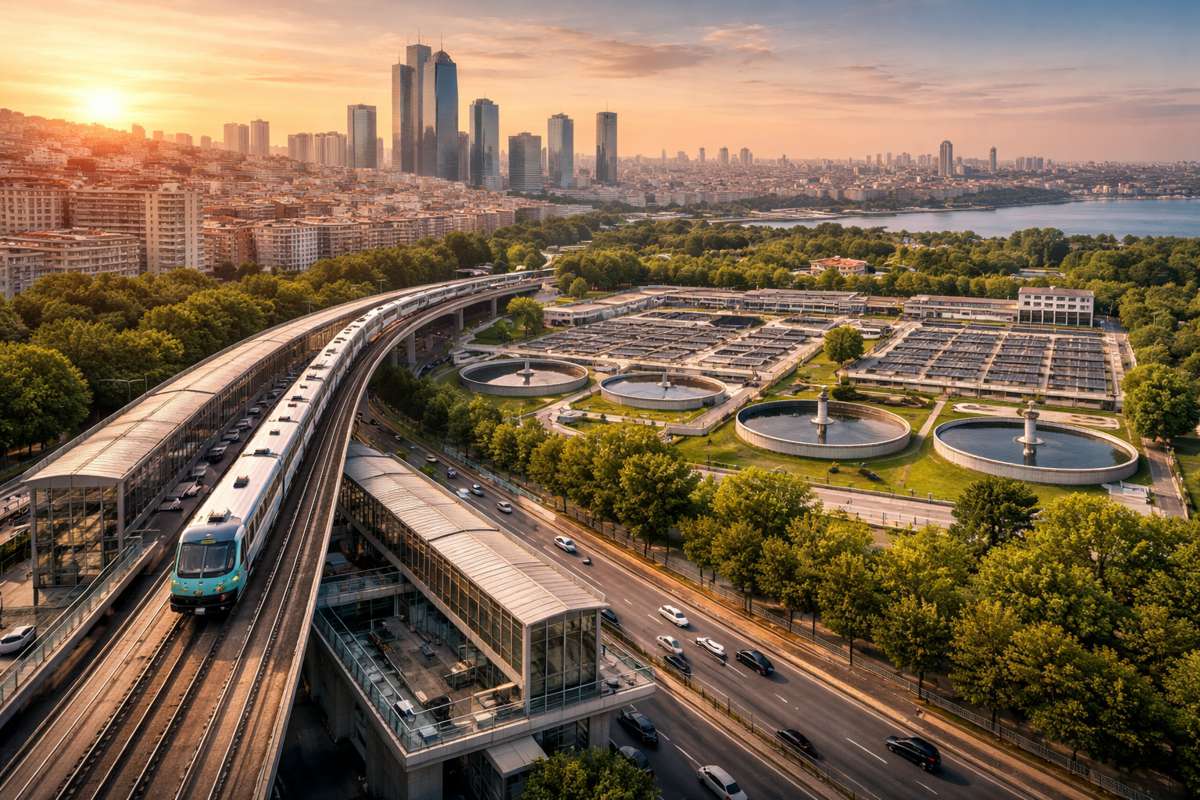
The largest portion of the new financing is directed toward the extension of funding for the Ümraniye Ataşehir Göztepe metro line. Istanbul’s Asian side has grown rapidly over the past two decades, evolving into a dense mix of residential neighbourhoods, commercial districts and healthcare facilities. The emergence of the Istanbul Financial Centre has accelerated this shift, transforming the area into a major employment hub.
Urban transport capacity has struggled to keep pace with that growth. Istanbul consistently ranks among Europe’s most congested metropolitan areas, with commuters often spending hours in daily traffic. Congestion carries economic consequences through lost productivity and logistical inefficiency, while also contributing to local air pollution and higher greenhouse gas emissions. Expanding high capacity rail transit therefore addresses multiple policy goals at once.
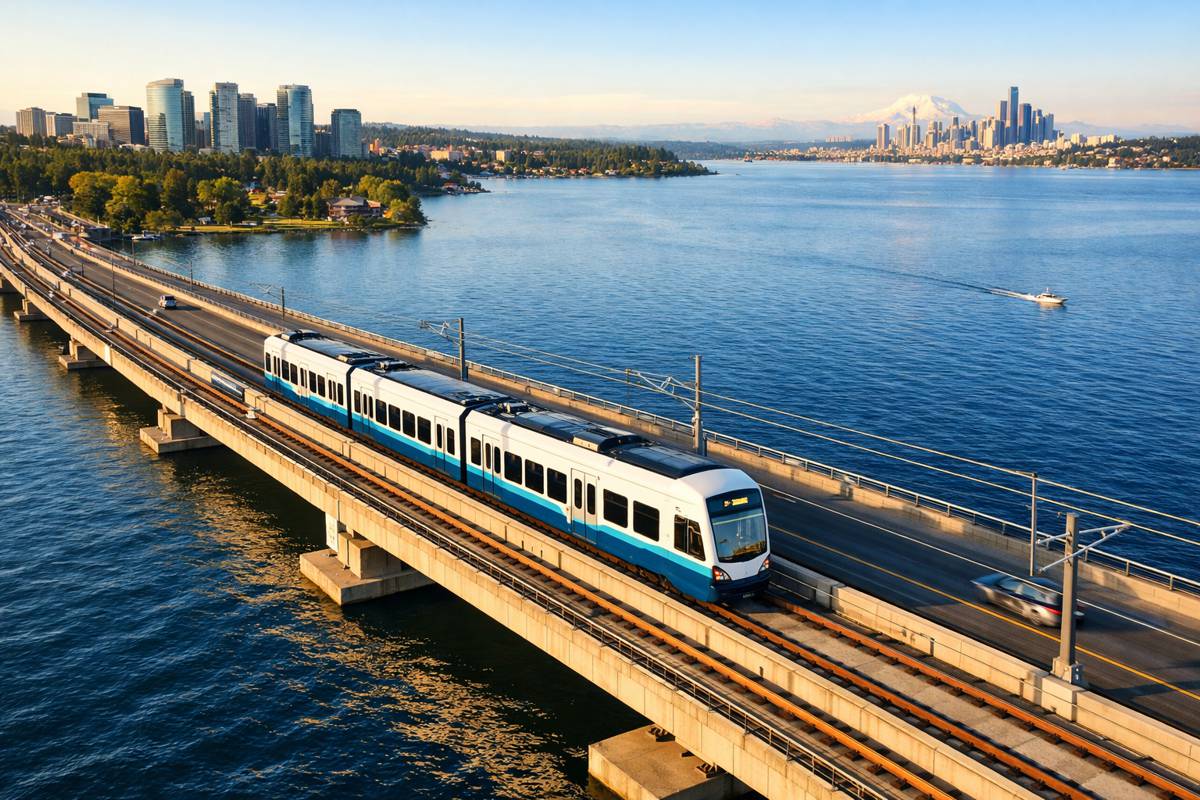
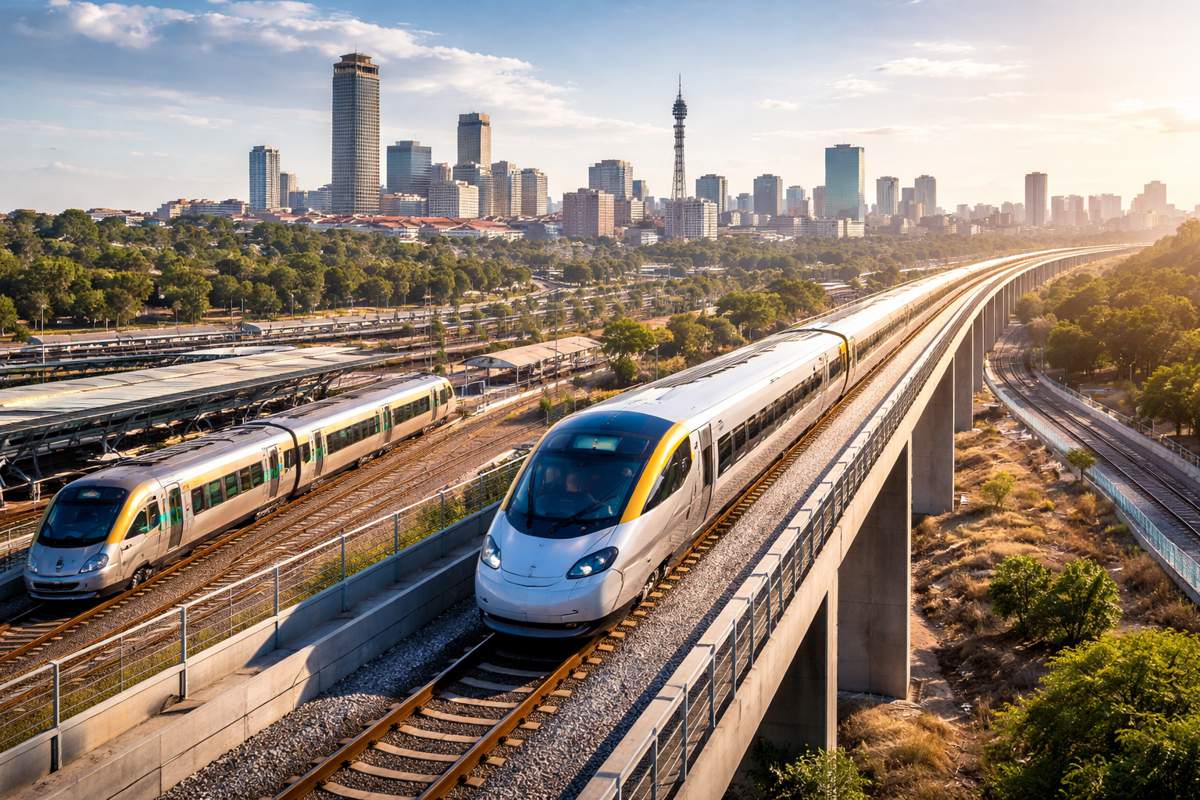
The metro line will link residential districts directly with business centres and medical services, significantly reducing dependence on private vehicles. Rail transport in dense cities is widely recognised as one of the most efficient methods of lowering per passenger emissions. According to transport studies across European capitals, electrified metro systems typically produce a fraction of the emissions associated with individual car journeys when powered by increasingly decarbonised electricity grids.
Climate policy meets transport planning
Istanbul adopted its Green Cities action plan in February 2025 under the EBRD programme designed to help municipalities align investment with climate commitments. Rather than focusing on isolated sustainability projects, the initiative encourages cities to embed environmental targets into core infrastructure planning. Transport networks sit at the centre of this approach because mobility choices shape urban energy consumption patterns.
By improving transit accessibility, the metro extension supports the transition toward public transport usage rather than attempting to restrict car use through policy alone. Experience from European cities such as Copenhagen and Vienna demonstrates that infrastructure availability has a stronger long term behavioural impact than regulatory measures. When reliable public transport exists, residents naturally shift travel habits.
Reducing congestion also has secondary environmental benefits. Idling vehicles contribute disproportionately to particulate pollution, which is linked to respiratory illness in dense urban environments. Improved journey times therefore produce measurable public health improvements alongside carbon reductions, making transport investment a cross sector intervention spanning economic, environmental and social policy.
Water infrastructure as a public health priority
While the Istanbul project addresses mobility, the Osmaniye wastewater treatment plant tackles an equally critical but less visible challenge. Sanitation systems are often among the most vulnerable components of urban infrastructure after natural disasters. Damage or overload can contaminate water supplies and create long term health risks that persist long after structural rebuilding is complete.
The new plant, with a capacity of 75,000 cubic metres per day, replaces a facility that no longer meets demand. Population displacement following the earthquakes altered settlement patterns, placing additional pressure on existing services. Upgrading treatment capacity therefore supports both immediate recovery and future population stability.
Meeting European Union effluent standards is particularly significant. Compliance requires advanced biological treatment processes capable of removing nutrients and pollutants before discharge. Such improvements reduce eutrophication in rivers and coastal waters, protecting ecosystems and fisheries while also improving recreational water quality.
Turning waste into energy
A defining feature of the Osmaniye facility is the incorporation of anaerobic digestion and biogas recovery. Wastewater treatment plants are increasingly recognised as energy producers rather than purely energy consumers. Organic sludge can generate methane, which can then power plant operations or feed into local energy networks.
Across Europe, modern treatment plants have begun offsetting substantial portions of their electricity demand through biogas utilisation. Some facilities even achieve energy neutrality. For earthquake affected regions facing strained power infrastructure, self generating utility facilities add a layer of resilience because critical services can operate during grid disruption.
The project also integrates a capacity building programme to strengthen municipal crisis response and operational resilience. This recognises that infrastructure performance depends as much on institutional capability as on engineering design. Training in asset management and emergency planning ensures the investment continues delivering value decades beyond construction.
Data driven municipal services
Iller Bankasi will act as the implementation agency, coordinating the financing of municipal infrastructure in the earthquake affected region. Beyond construction, the project includes improvements to resident data collection. That element may appear administrative, yet accurate demographic information determines whether infrastructure systems function effectively.
Water consumption patterns, maintenance schedules and emergency response planning rely on reliable population data. In many rapidly expanding cities, outdated records can lead to undersized facilities or inefficient resource allocation. By modernising data systems, the municipality gains tools for long term planning rather than reactive management.
Better information also improves accessibility. Knowing where vulnerable populations live helps authorities design equitable service delivery, particularly in disaster prone regions where evacuation and public health measures must be targeted quickly.
The broader infrastructure financing landscape
Türkiye has received more than €23 billion in EBRD investment since 2009, largely in the private sector. The current projects illustrate how that long term financial relationship evolves during periods of crisis. Reconstruction funding is not separate from development financing but an acceleration of it, using recovery as an opportunity to modernise systems.
Globally, international lenders increasingly prioritise projects combining resilience and decarbonisation. Infrastructure built to previous standards may become obsolete within decades as climate policy tightens. By integrating environmental performance into recovery projects, governments avoid future retrofitting costs and regulatory conflicts.
Transport electrification and circular resource management represent two pillars of this shift. Metro systems reduce urban emissions, while wastewater energy recovery lowers operational energy consumption. Together they illustrate a pattern visible from Asia to Latin America where reconstruction funding aligns with climate transition strategies.
Infrastructure as economic stabiliser
Beyond engineering outcomes, infrastructure investment stabilises regional economies. Construction activity creates immediate employment, while improved services attract private sector activity. The Istanbul Financial Centre depends on reliable commuting networks, and regional industry relies on safe water management.
For investors, predictable infrastructure reduces risk. Reliable transport improves labour mobility, and effective sanitation supports public health stability. These factors influence business location decisions as strongly as tax policy or incentives. Consequently, infrastructure spending often delivers multiplier effects across the economy.
In post disaster environments, that multiplier becomes essential. Rebuilding housing alone cannot restore economic confidence without functioning transport and utilities. By targeting both mobility and environmental infrastructure simultaneously, the projects support broader recovery rather than isolated sector repair.
A model for recovery aligned with sustainability
The combination of urban rail expansion and modern wastewater treatment highlights a strategic shift in infrastructure policy. Recovery projects are no longer designed simply to restore service levels but to future proof cities against environmental and demographic pressures.
The approach recognises that infrastructure lifecycles extend for decades. Decisions made during reconstruction influence emissions trajectories, public health outcomes and economic competitiveness for generations. By integrating climate and resilience objectives into essential services, the projects move beyond reconstruction toward structural transformation.
As countries worldwide confront disasters intensified by climate change, the model emerging in Türkiye demonstrates how recovery financing can double as long term sustainability investment. Rather than rebuilding yesterday’s infrastructure, the focus is gradually shifting toward constructing systems suited to tomorrow’s risks and urban realities.