Krank Inspeq Connects Field Inspections To Real Time Operational Control
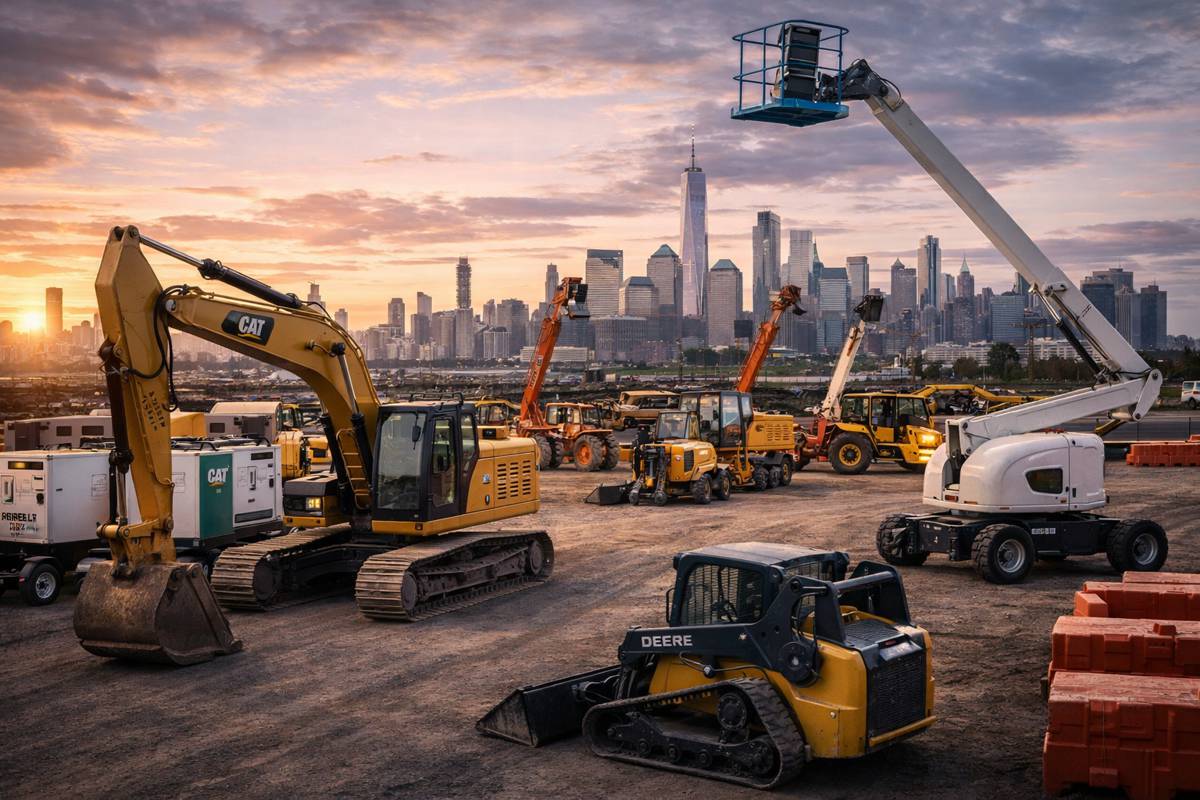
Across construction, mining, energy and heavy industry, companies have spent the past two decades investing heavily in enterprise software. Asset management platforms, ERP suites and maintenance systems now track everything from spare parts inventories to fleet utilisation. On paper, operations look digitised.
Yet on site, the story often changes. Inspections still rely on handwritten notes, fragmented apps, WhatsApp photos and delayed reporting. The data exists, but it arrives late, inconsistently, or without context. For asset-intensive industries operating on narrow margins, that delay carries real consequences. According to multiple industry studies from organisations such as McKinsey and the International Energy Agency, unplanned downtime remains one of the largest controllable operational costs in heavy industry, often accounting for billions in annual losses globally.
The problem is not lack of software. It is the gap between frontline reality and management systems. Enterprise platforms record what happened. They rarely capture what is happening right now.
That gap matters because modern infrastructure operations depend on rapid decisions. A cracked hydraulic hose on an excavator, a deteriorating weld on a bridge component, or abnormal vibration in a pump does not become expensive when it fails. It becomes expensive when it goes unnoticed.
Krank’s newly introduced Inspeq platform targets precisely that blind spot.
An Operational Control Layer Rather Than Another System
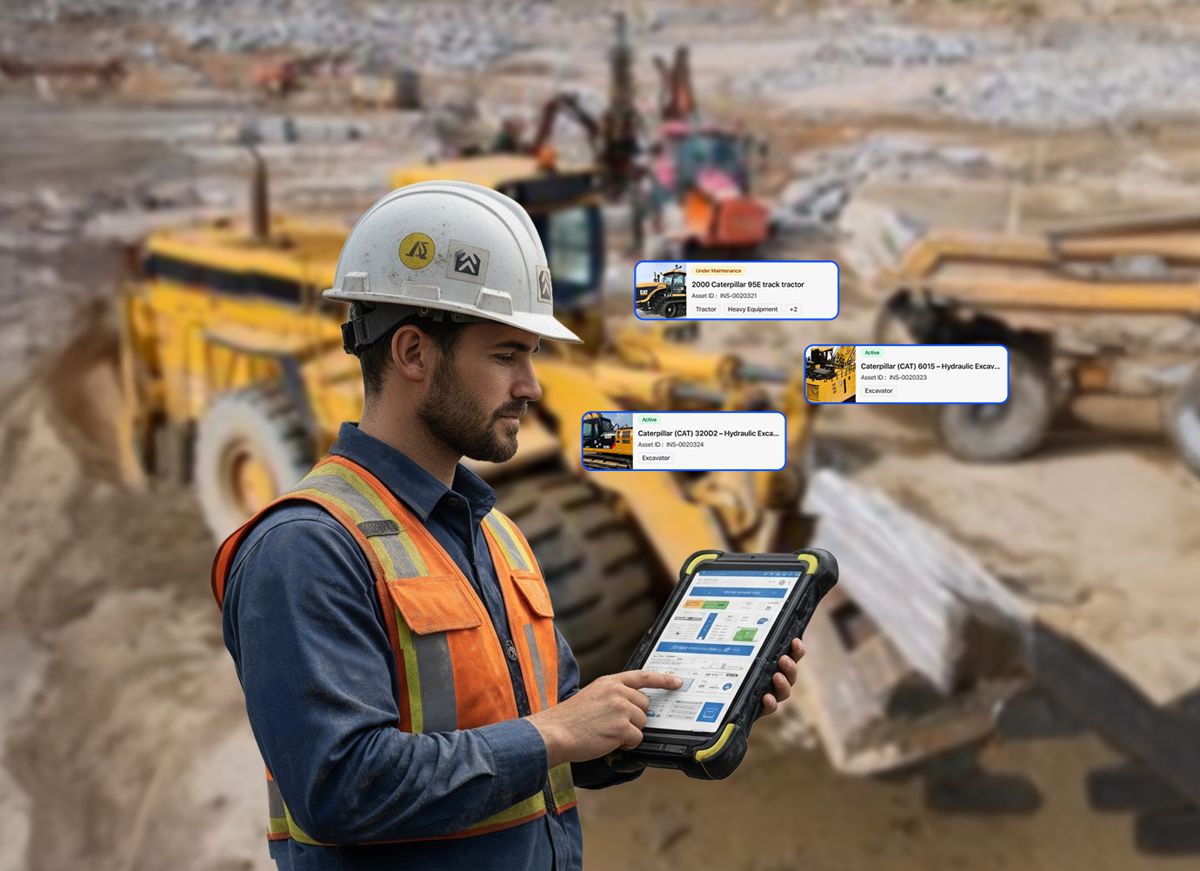
Instead of replacing existing software, Inspeq sits alongside established CMMS, EAM and ERP environments. The platform acts as an operational layer connecting field activity directly to decision makers.
This approach reflects a wider shift occurring across industrial technology. Organisations increasingly recognise that digital transformation fails when it demands wholesale replacement of trusted systems. Integration now matters more than disruption. By connecting inspection workflows, work execution and asset intelligence into a single environment, the platform aims to provide control tower visibility across fleets and sites without forcing operational teams to abandon familiar tools.
In practical terms, the platform unifies:
- Inspections and defect capture
- Work order execution
- Site and team accountability
- Asset condition intelligence
- Live operational oversight
The result is not simply another dashboard. It is intended to convert inspection activity into operational action in real time.
This distinction is important. Traditional reporting workflows move information upward through layers of administration. Operational layers move decisions downward instantly.
Designing Technology Around the Frontline Reality
Digital systems frequently fail in heavy industry because they are designed for offices rather than worksites. Connectivity drops, gloves prevent typing, and operators do not have time to navigate menus during critical tasks.
The platform has been designed specifically for harsh environments and intermittent connectivity. Inspection workflows, coordination and oversight operate within the same mobile-first environment, allowing continuous operational visibility even when network coverage is limited.
Krank Chief Technology Officer Khurram Mumtaz explains: “We have developed the Inspeq Platform around what frontline teams need most on the job. It helps them catch issues faster, assign work instantly, and deliver the right insights to the right people at the right time,”
This focus reflects a broader industry reality. The World Economic Forum has repeatedly highlighted that the success of industrial digitalisation depends less on advanced analytics and more on worker adoption. Systems that reduce friction succeed. Systems that add administrative steps fail regardless of technical capability.
By integrating with existing platforms rather than replacing them, the barrier to adoption becomes organisational rather than technical. Teams do not need retraining on entirely new operational software. They simply gain visibility into activities already taking place.
Remote Work Orders Change How Expertise Is Deployed
One of the most significant features introduced with the platform is Remote Work Orders. The capability enables senior technicians to conduct and supervise inspections remotely using live video and real time reporting.
In large distributed operations, expertise is scarce. A certified inspector cannot physically travel to every quarry, wind farm or project site quickly enough to maintain consistent inspection quality. As a result, junior personnel often perform inspections independently, with findings reviewed later.
That delay introduces risk. Errors go unnoticed. Evidence may be incomplete. Repairs may be misprioritised.
Remote Work Orders alters that workflow. During an inspection, a senior inspector can guide a site technician in real time, instructing exactly where to capture images, what components require focus and how to verify compliance. High definition images and video are recorded instantly while the inspection report is completed remotely.
Mumtaz adds: “Remote Work Orders were developed to address a practical operational constraint: experienced inspectors cannot be everywhere at once. By enabling senior technicians to conduct and oversee inspections remotely, we allow teams to complete more inspections with the same level of rigour, while reducing travel time, cost, and disruption. It changes how inspection capacity can be scaled across large, distributed operations.”
The implications extend beyond efficiency. Remote inspection capability can standardise inspection quality across regions and contractors, an issue that infrastructure owners frequently struggle to manage.
Turning Inspection Data Into Immediate Action
In many organisations, inspection reports remain static documents. They confirm compliance but rarely trigger immediate operational change.
Inspeq connects inspection outcomes directly to live work order execution. When a defect is identified, corrective actions can be assigned instantly, tracked centrally and linked to asset history.
This closes one of the most persistent operational gaps in industrial asset management. According to reliability engineering research, the majority of maintenance delays occur not in identifying defects but in translating inspection findings into scheduled repairs.
By combining structured checklists, visual evidence and instant reporting, inspection results become operational instructions rather than archived records. Accountability improves because responsibility is assigned at the moment the issue is detected.
This shift aligns with the broader movement toward predictive and condition-based maintenance. Rather than reacting to failures or reviewing reports days later, maintenance teams act during the inspection window itself.
Control Tower Visibility Across Operations
The platform aggregates pre-start checks, maintenance schedules, discrepancy reporting and work execution into a unified operational view. Managers gain live awareness of activity across fleets and locations as work unfolds.
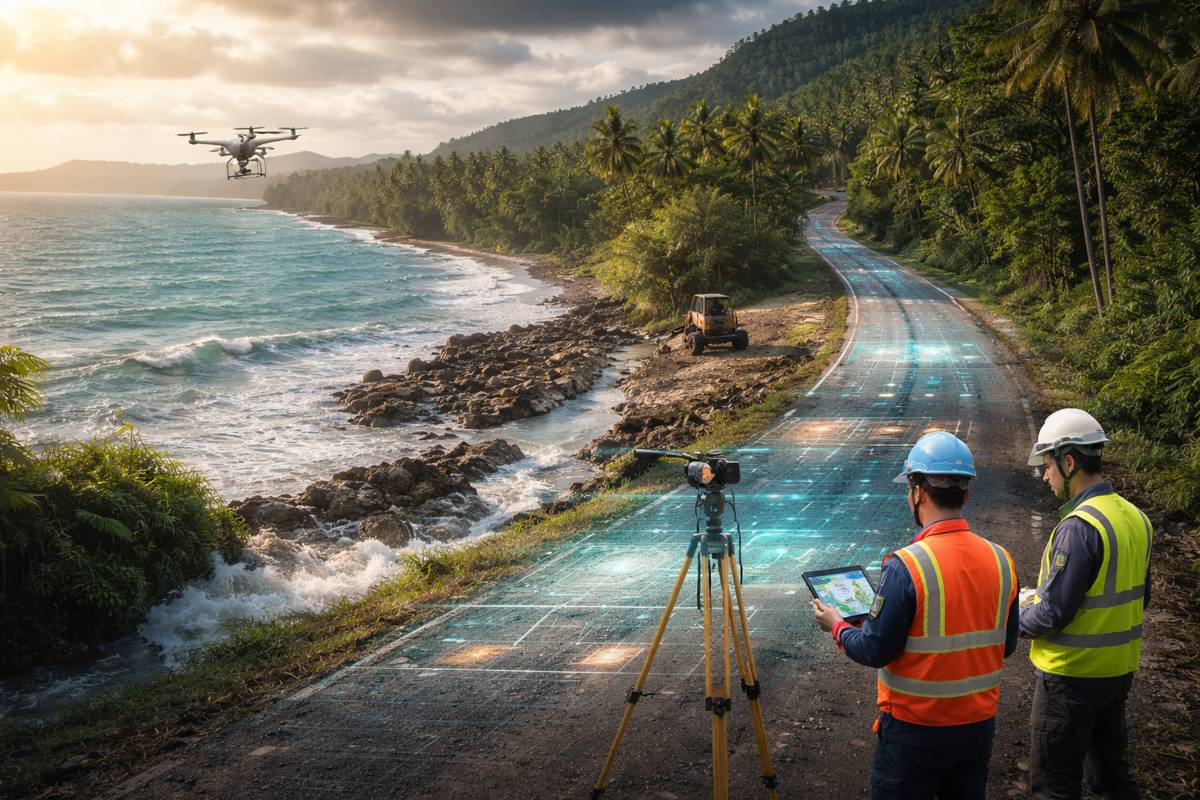
This form of operational visibility is becoming essential in infrastructure sectors where assets operate across vast geographical areas. Wind energy portfolios, road maintenance networks and mining fleets can span entire countries. Without central oversight, operational consistency becomes difficult to maintain.
An operational layer improves data quality because information is captured at the source and contextualised immediately. Administrative overhead decreases because reporting is generated as a by-product of doing the work rather than an additional task afterwards.
The concept mirrors control rooms used in utilities and transport networks. Instead of monitoring physical systems alone, organisations now monitor operational behaviour.
Infrastructure Sector
The introduction of operational layers like Inspeq reflects a wider shift in industrial digitalisation. For years, investment focused on collecting data. Today the priority is acting on it instantly.
Infrastructure owners increasingly operate complex asset ecosystems involving contractors, subcontractors and remote teams. Traditional reporting cycles cannot keep pace with operational risk. Real time visibility is no longer a convenience. It is a safety and financial requirement.
Three industry trends make this particularly relevant:
- First, workforce shortages are reducing experienced field expertise. Remote oversight allows fewer specialists to supervise more work without sacrificing quality.
- Second, distributed infrastructure networks are expanding. Renewable energy, transport and utilities operate across larger territories than ever before, making physical supervision impractical.
- Third, regulatory expectations continue to tighten. Asset owners must demonstrate inspection diligence and traceable maintenance decisions. Real time records strengthen compliance evidence.
By connecting frontline activity directly to operational decision making, platforms such as Inspeq aim to transform inspections from administrative procedures into active risk management tools.
From Reporting To Operational Intelligence
Industrial software historically evolved in layers. ERP systems managed business processes. Asset systems tracked equipment. Analytics platforms studied trends. The missing layer has been operational coordination.
Inspeq attempts to occupy that space by linking what workers see in the field to what managers decide in the office instantly. When inspections, communication and task assignment occur within a shared environment, data stops being retrospective and becomes operational intelligence.
For infrastructure operators facing tighter margins and growing asset complexity, that change represents more than software improvement. It alters how organisations respond to problems.
Instead of learning about issues after the shift ends, they respond while the inspection is still happening.