Philippines Seeks Global Advisory Expertise for Panguil Bay Bridge Operations
The Government of the Philippines has moved to strengthen the long term operational framework of one of Mindanao’s most strategically significant transport links. Through the Public-Private Partnership Center, it has issued a Request for Expression of Interest inviting consulting firms and independent experts to provide Project Preparation and Transaction Advisory Services for the operation and maintenance of the Panguil Bay Bridge Project.
At first glance, this may appear procedural. In reality, it signals a decisive step in embedding international best practice into the lifecycle management of a landmark bridge that reshapes connectivity across Northern Mindanao. Rather than focusing solely on construction delivery, the government is concentrating on how the asset will be managed, maintained, financed and operated over decades.
From Engineering Feat to Long Term Asset Management
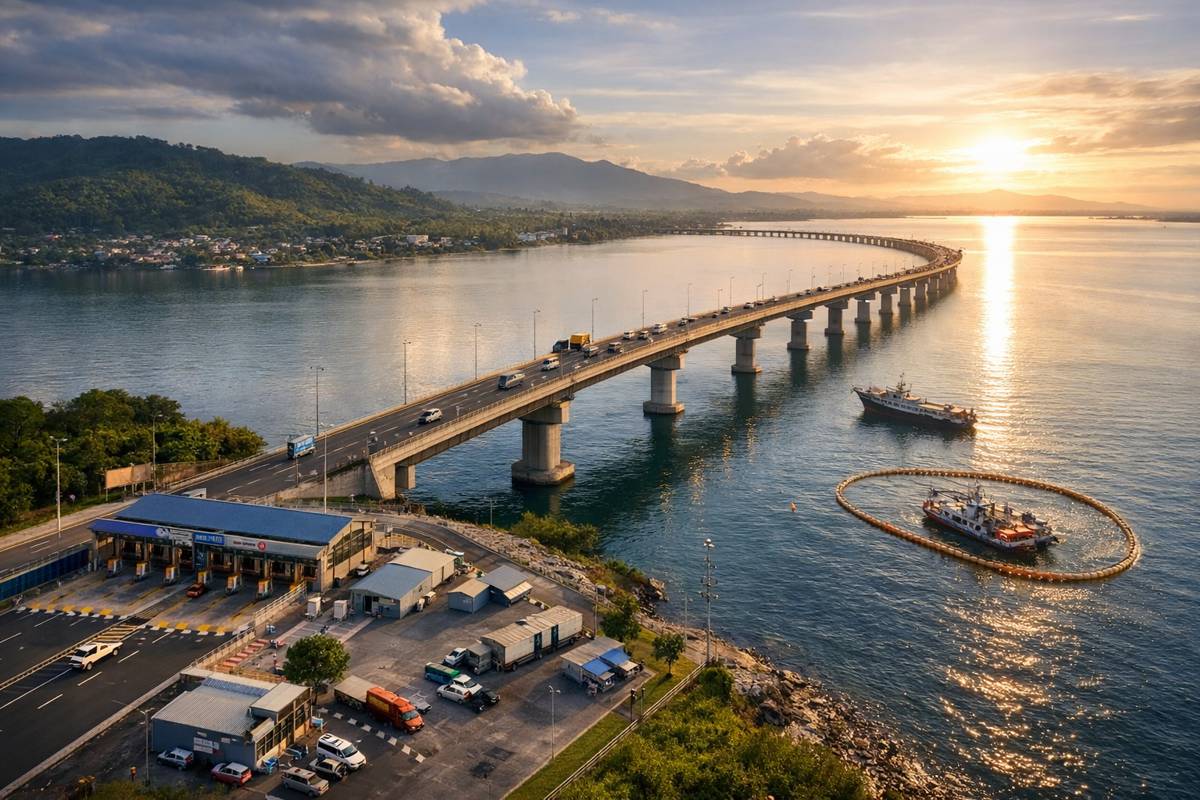
The Panguil Bay Bridge connects the provinces of Lanao del Norte and Misamis Occidental, replacing a lengthy ferry crossing with a fixed road link across Panguil Bay. Designed to cut travel time dramatically and unlock economic flows between western and central Mindanao, the bridge represents more than concrete and steel. It is a backbone asset within the Philippines’ broader infrastructure modernisation agenda.
Infrastructure professionals will recognise the pattern. Major transport projects in Southeast Asia are increasingly moving beyond capital expenditure metrics toward whole life value. The focus now includes resilience, revenue collection integrity, traffic management technology, and risk mitigation. In that context, the request for advisory services for operation and maintenance is not an afterthought. It is an acknowledgment that operational performance will ultimately determine whether the bridge delivers its promised socio economic return.
Why Operation and Maintenance Now Takes Centre Stage
Globally, poor maintenance has cost governments billions in lost asset value and safety risks. The World Bank has repeatedly noted that inadequate road and bridge maintenance can shorten asset life by up to 50 percent, while preventive maintenance can reduce long term costs substantially compared with reactive repair strategies. Southeast Asia, with its tropical climate, heavy rainfall and high freight volumes, faces particularly demanding operating conditions.
The Philippines is no exception. Typhoons, saltwater exposure and rising freight movements across Mindanao all create cumulative stress on infrastructure. By seeking Project Preparation and Transaction Advisory Services at this stage, the government is effectively designing a framework that integrates routine, periodic, preventive and emergency maintenance into a structured public private partnership model.
This is where the advisory scope becomes commercially significant. Consultants are expected to shape not only maintenance specifications but also tolling systems, traffic safety and control systems, weighbridge operations and incident response mechanisms. These elements define revenue reliability, safety performance and compliance with axle load regulations. For institutional investors and infrastructure funds, that level of operational clarity directly affects risk allocation and financing appetite.
Tolling, Traffic Management and Revenue Integrity
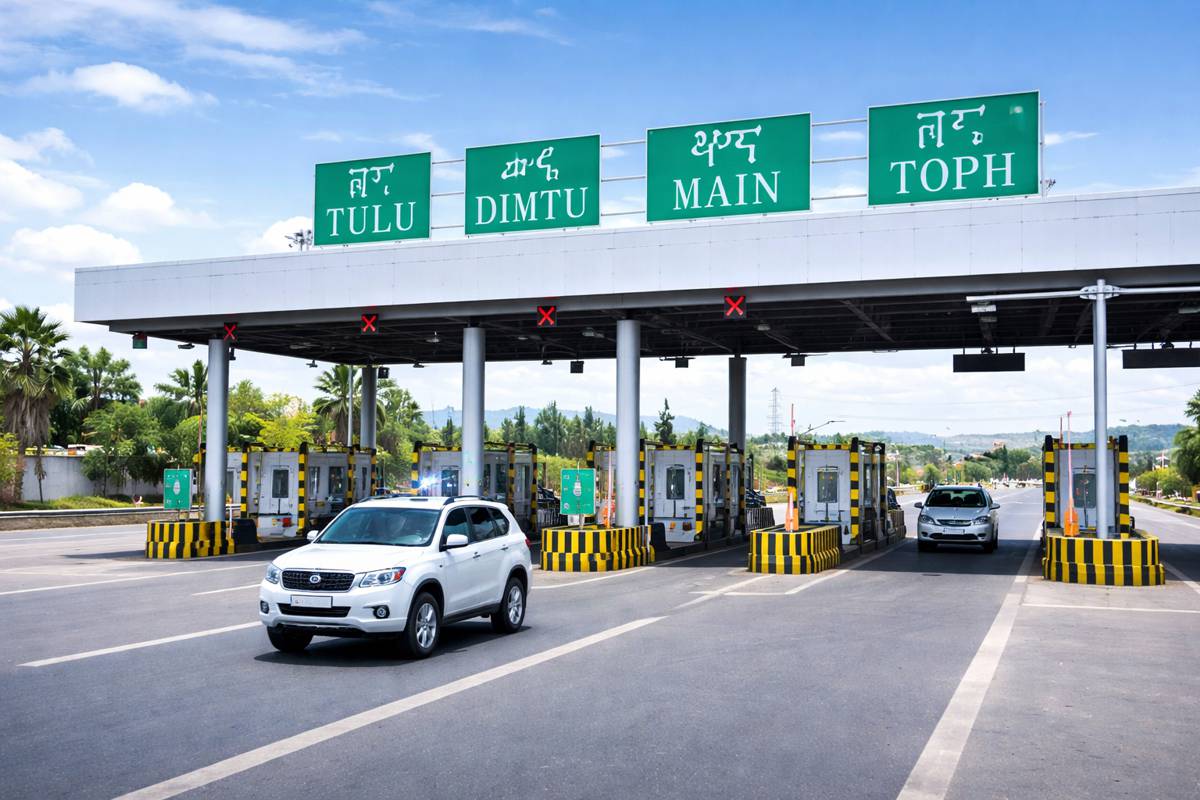
Among the indicative components outlined are the construction, operation and management of toll collection systems and ancillary facilities, including depot infrastructure. In emerging toll markets, revenue leakage and inefficient collection have historically undermined project viability. Modern tolling systems, by contrast, integrate electronic collection, traffic analytics and data driven enforcement.
The advisory services will therefore influence how digital tolling is specified, how traffic monitoring systems are integrated, and how operational data flows are managed. The installation and operation of traffic safety and control systems, including monitoring and management platforms, reflect a wider global shift toward intelligent transport systems. According to the Asian Development Bank, digital transport management improves congestion response times and enhances safety outcomes when paired with real time data analytics.
Vehicle control facilities, including weighbridges and portable axle weighing stations, are equally significant. Overloaded trucks accelerate pavement and structural wear, shortening asset life and increasing maintenance expenditure. Enforcing axle load limits is not merely regulatory housekeeping. It is fundamental asset protection. In this respect, the advisory framework will need to balance enforcement efficiency with freight sector realities in Mindanao’s supply chains.
Incident Response and Hazardous Materials Preparedness
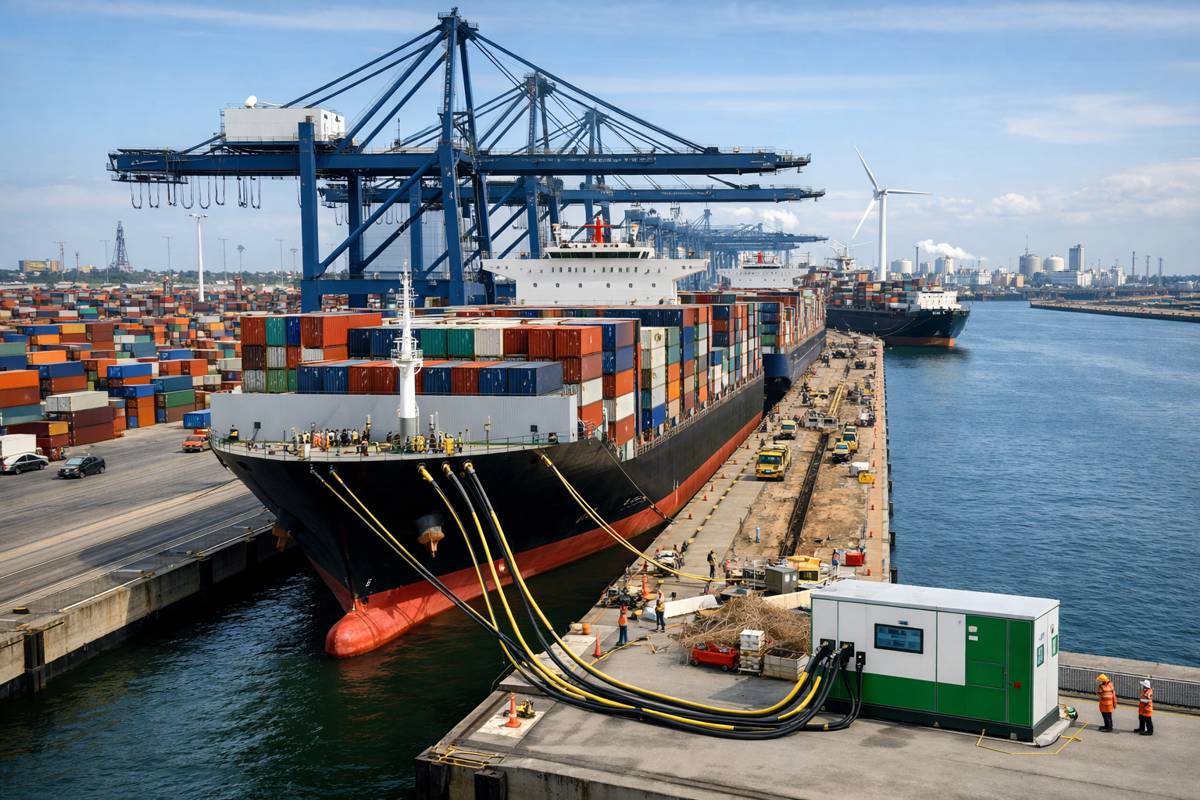
The scope also includes support services for traffic accidents, fire incidents and other emergencies, along with operation of specialised containment and clean up equipment in cases of oil spills or hazardous materials transported by trucks. For a marine crossing such as Panguil Bay, environmental sensitivity cannot be ignored.
Across Asia, regulators are tightening environmental compliance in transport corridors that intersect coastal ecosystems. Rapid containment capability following hazardous spills protects not only the bridge structure but also fisheries and coastal communities. Embedding such operational capacity within the PPP structure demonstrates a risk aware approach that aligns with environmental governance expectations increasingly scrutinised by international lenders.
From a commercial standpoint, emergency response provisions also reduce downtime. Every hour of closure on a tolled bridge translates into lost revenue and disrupted logistics. Designing robust incident response into the operational contract protects both public interest and private returns.
The Role of Advisory Services in Structuring the PPP
The Philippines has steadily expanded its project finance, through public private partnership programmes over the past decade. The Asian Development Bank has been a consistent partner in supporting infrastructure development and transaction structuring in the country. By requiring interested consultants to register via the ADB Consultant Management System and submit through its platform before the stated deadline of 18 March 2026 at 11:59 PM Philippine Standard Time, the process is being aligned with multilateral procurement standards.
Project Preparation and Transaction Advisory Services typically encompass technical due diligence, financial modelling, risk allocation analysis, legal structuring and market sounding. In other words, the selected advisers will help define how the operation and maintenance contract is packaged, how risks are distributed between public authority and private operator, and how performance metrics are enforced.
That structuring phase often determines whether a project attracts credible international bidders or struggles with limited competition. Transparent, bankable contracts with clear maintenance obligations, revenue mechanisms and enforcement provisions tend to command stronger market interest. For the Philippines, which continues to court foreign infrastructure investment, the credibility of this transaction will matter well beyond Panguil Bay.
Strategic Implications for Mindanao and Beyond
Mindanao has long been identified as a region with significant growth potential yet infrastructure gaps. Improved road connectivity reduces logistics costs, facilitates agricultural distribution and supports tourism. The Panguil Bay Bridge therefore sits within a broader development narrative.
However, construction alone does not unlock that potential. Reliable operations, predictable tolling, and safe traffic management determine whether businesses and freight operators incorporate the bridge into routine supply chains. Inconsistent maintenance or poor enforcement would erode confidence and economic benefit. By investing early in advisory expertise, the government appears intent on avoiding those pitfalls.
For global consulting firms, this opportunity signals that Southeast Asia remains an active market for sophisticated infrastructure advisory work. Firms with experience in toll road operations, intelligent transport systems and marine bridge maintenance will see clear alignment with their portfolios. For equipment suppliers, particularly those specialising in weighbridges, traffic monitoring systems and emergency response technology, the project could generate downstream procurement opportunities once the operational model is finalised.
Building Institutional Capacity Through Structured Transactions
Another dimension often overlooked is institutional learning. Each successfully structured PPP enhances local capacity within transport agencies and the PPP Center itself. Transaction advisory processes, when executed rigorously, leave behind templates, performance frameworks and risk allocation precedents that inform future projects.
The Philippines has a pipeline of transport initiatives across roads, bridges, airports and rail. Lessons from Panguil Bay’s operational structuring could therefore cascade into subsequent procurements. Over time, that contributes to a more mature PPP ecosystem capable of delivering complex infrastructure with greater predictability.
In the global infrastructure market, credibility accumulates project by project. Governments that demonstrate transparent procurement, enforceable maintenance regimes and balanced risk allocation tend to attract long term capital. In that sense, the request for advisory services is as much about signalling institutional maturity as it is about maintaining a single bridge.
A Test Case for Lifecycle Thinking in Philippine Infrastructure
The decision to prioritise operation and maintenance advisory support reflects a broader shift toward lifecycle infrastructure thinking. Too often, political attention peaks at ribbon cutting ceremonies, while maintenance budgets struggle for visibility. Here, the Philippines is addressing operations before the long term concession structure is fully defined.
For policymakers observing from neighbouring markets, the approach provides a case study in aligning engineering, finance and governance. If structured effectively, the Panguil Bay Bridge operation could demonstrate how tropical climate resilience, digital tolling systems, axle load enforcement and environmental safeguards can coexist within a commercially viable framework.
The deadline for consultant registration via the ADB Consultant Management System marks the immediate next milestone. Yet the real measure of success will unfold over years as traffic volumes grow, maintenance cycles are executed and incident response systems are tested in real conditions.
Infrastructure, after all, earns its reputation in daily performance, not in procurement notices. By investing in advisory rigour now, the Philippines is attempting to ensure that Panguil Bay Bridge stands not only as an engineering landmark but as a benchmark in operational governance across Southeast Asia.