10 Signs Your Highway Project Needs a Digital Reset
Highway construction projects are some of the most complex undertakings in the infrastructure world. They involve multiple stakeholders, endless coordination, tight deadlines, and massive amounts of data.
If your project isn’t running as smoothly as it should, the problem might not be manpower or materials. Instead, it might be outdated tech. A digital reset can streamline your workflow and get your project back on track.

Here are 10 specific signs your highway project needs a digital reset.
1. Your Teams Still Rely on Spreadsheets for Everything
When budgets, timelines, resource allocation, and progress tracking all live in spreadsheets, data becomes fragmented. Errors creep in and collaboration suffers. If your team’s primary tool is rows and columns, you’re due for a digital upgrade.
2. Communication Feels Like a Game of Broken Telephone
Are updates coming through email, text, phone, and sticky notes? If teams don’t have a single source of truth and everyone relies on different communication channels, misalignment is inevitable. Modern digital tools centralize communication and reduce costly misunderstandings.
3. You Struggle to Track Real-Time Progress
If field teams provide updates only at the end of the day, or worse, at the end of the week, leaders can’t make timely decisions. A digital platform gives real-time visibility so you can respond effectively when issues arise.
4. Resource Allocation Is Constantly Off
Running out of materials in one zone while excess supplies pile up in another is a classic sign you don’t have a digital system optimising your resources. The result? Delays, waste, and rising costs.
5. Multiple Teams Use Different Software Tools
Nothing kills efficiency like platform overload. When design teams use one tool, field crews use another, and finance works in spreadsheets, information silos slow work down. It’s time for unified systems that connect the dots.
6. Data Entry Errors Are More Common Than Not
Manual data entry is not just slow. It’s error-prone. When numbers don’t add up, schedules slip and budgets explode. If you’re finding discrepancies frequently, a digital solution can automate data capture and improve accuracy.
7. Approvals and Permits Take Forever
Regulatory compliance is critical in highway construction. But if approvals are handled manually or through endless email threads, you’ll spend more time waiting and less time building. Digital tools can automate workflows and reduce bottlenecks dramatically.
8. You Can’t Easily Generate Reports
Stakeholders want reports, executives want insights, and regulators want documentation. If producing a report feels like a week-long project, your systems are working against you. A centralized digital platform makes reporting instantaneous.
9. Budget Overruns Are Becoming the Norm
Cost overruns are a red flag of deeper operational inefficiencies. Visibility into spending, predictive forecasting and real-time budget tracking are powerful tools only a digital platform can provide consistently.
10. You Still Don’t Have a Unified Construction Management Solution
If your tech stack is a patchwork of individual tools and manual workarounds, that’s your biggest sign yet. Highway construction demands integrated solutions that manage scheduling, procurement, documentation, and communication all in one place.
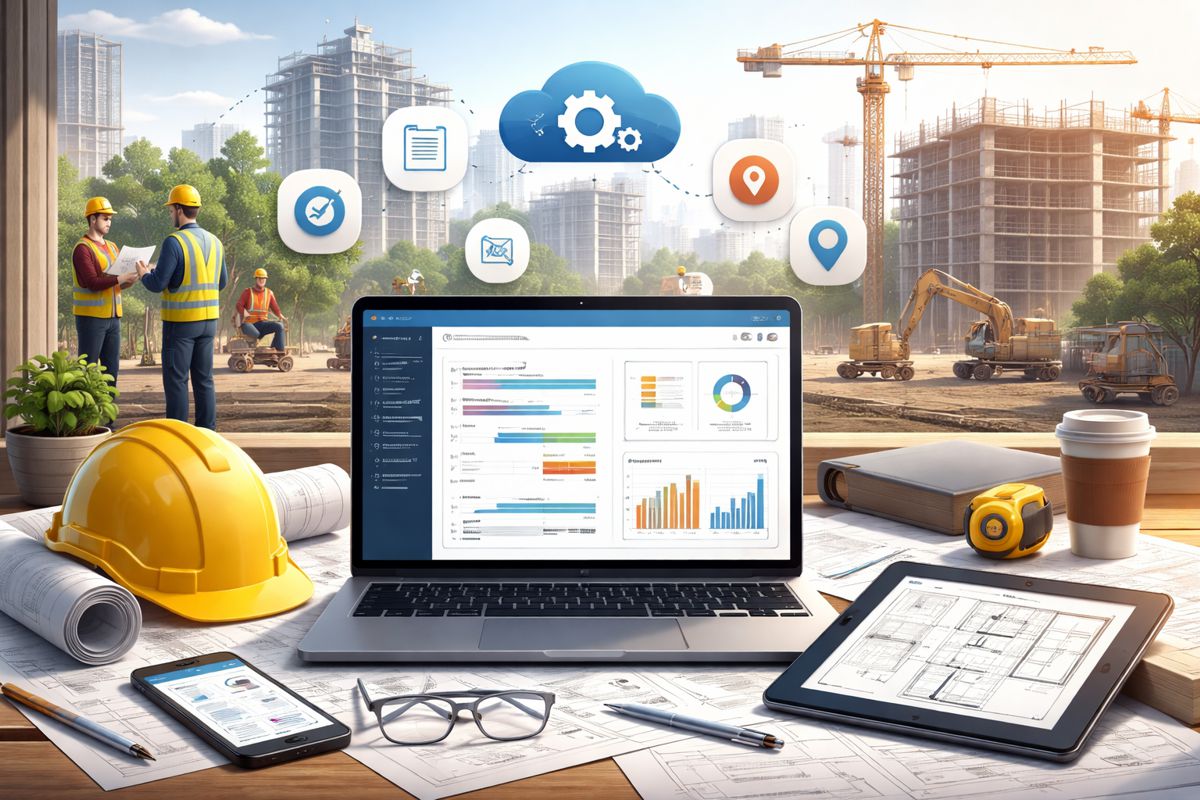
Construction ERP software is designed to bring every piece of the project ecosystem together, giving you clarity, control and measurable improvements in performance.

Ready for a Digital Reset?
Recognizing these signs is the first step toward transforming your highway project from chaotic to coordinated. Embracing a modern digital framework doesn’t just optimize workflows, but it also sets you up for better outcomes, fewer surprises, and smoother execution from start to finish.
If several of these signs ring true for your team, it might be time to rethink your tech strategy and give your project the digital foundation it needs.