Asia Pacific Transport Forum Driving Infrastructure
Across Asia and the Pacific, transport infrastructure sits at the heart of economic growth, regional integration, and social mobility. The region is home to some of the fastest growing economies on the planet, yet it also faces some of the most complex mobility challenges. Rapid urbanisation, rising freight demand, climate vulnerability, and widening infrastructure gaps are placing unprecedented pressure on existing transport networks.
Against this backdrop, the Asia and the Pacific Transport Forum 2026 emerges as an important gathering point for policymakers, engineers, financiers, and infrastructure leaders. Convened by the Asian Development Bank, the event brings together senior decision makers from across the region to examine how transport priorities can be translated into projects that deliver tangible results on the ground.
The stakes are high. According to research from the Asian Development Bank, developing Asia requires more than $1.7 trillion in annual infrastructure investment through 2030 to maintain growth momentum and respond to climate challenges. Transport accounts for a substantial portion of this demand, with roads, railways, ports, airports, and logistics systems forming the backbone of economic activity.
The forum therefore arrives at a pivotal moment, when governments are shifting from strategic planning towards large scale implementation of sustainable transport initiatives.
From Vision to Implementation in the UN Decade of Sustainable Transport
The 2026 forum carries particular significance as it coincides with the early stages of the United Nations Decade of Sustainable Transport (2026–2035). This global initiative seeks to accelerate investment in transport systems that are safer, more inclusive, and environmentally sustainable while supporting economic resilience and regional connectivity.
For many countries across Asia and the Pacific, the challenge is no longer defining transport ambitions. National strategies, master plans, and infrastructure pipelines are already in place. The real task now lies in turning those priorities into viable, bankable, and deliverable projects.
The forum’s central theme, From Priorities to Actions, reflects this shift. Rather than focusing solely on policy frameworks or conceptual strategies, discussions will centre on practical implementation. Participants will explore how financing models, regulatory structures, technology adoption, and institutional capacity can be aligned to ensure transport projects move from drawing board to construction site.
That emphasis matters because infrastructure development rarely fails due to lack of vision. More often, delays arise from fragmented governance, financing gaps, procurement challenges, or technical capacity constraints. By bringing together leaders who face similar issues across multiple countries, the forum aims to share lessons learned and accelerate solutions that can be replicated elsewhere.
Why Transport Connectivity Matters for Economic Development
Transport infrastructure remains one of the most powerful drivers of economic transformation. Efficient mobility systems enable trade, improve labour market access, and connect communities to essential services such as education and healthcare.
In the Asia Pacific region, this role becomes even more pronounced due to its geographic diversity. From archipelagic nations dependent on maritime links to landlocked economies reliant on cross-border corridors, transport networks determine how effectively countries participate in regional and global markets.
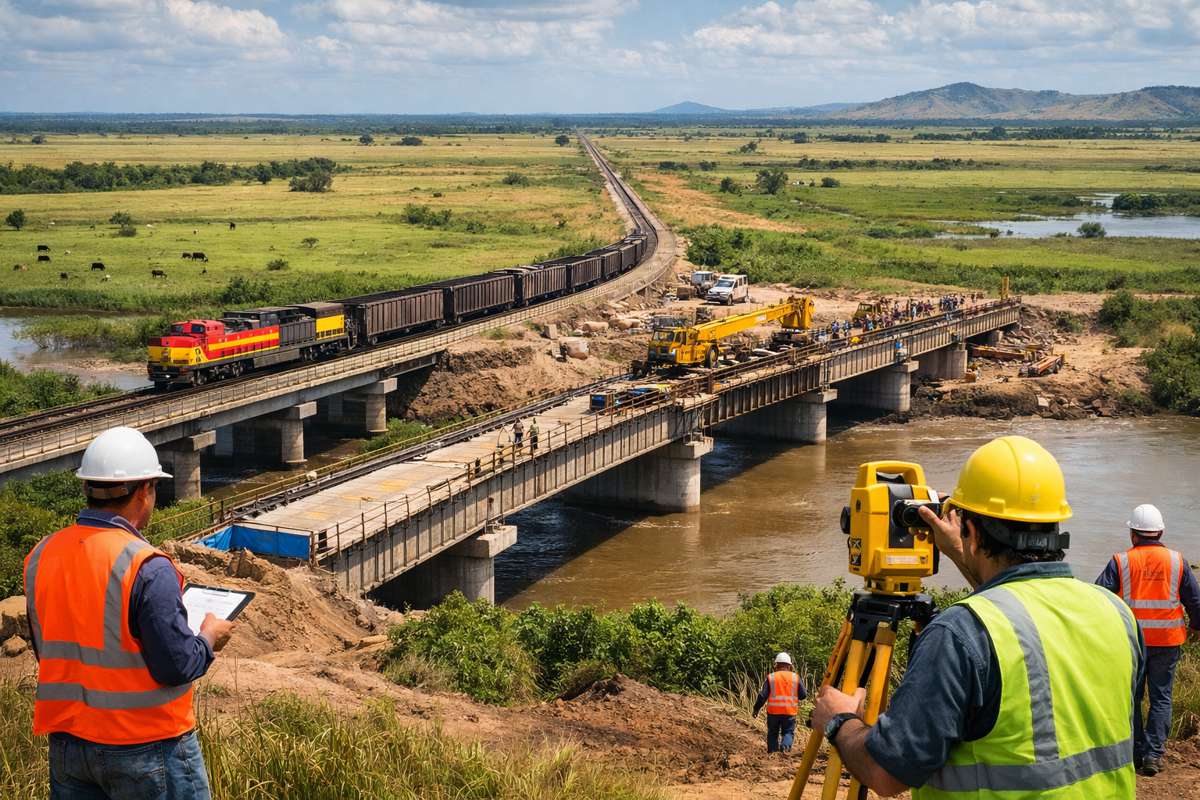
Major infrastructure initiatives across the region demonstrate the scale of ambition now underway. High-speed rail corridors are expanding in several countries, while new logistics hubs and deep-water ports are being developed to handle rising cargo volumes. At the same time, urban transport systems such as metro rail, bus rapid transit, and intelligent traffic management platforms are becoming critical for rapidly growing megacities.
Yet infrastructure expansion must also address environmental sustainability. The transport sector accounts for roughly a quarter of global energy-related carbon emissions according to the International Energy Agency. Governments therefore face the challenge of expanding connectivity while simultaneously reducing environmental impact.
This dual objective is shaping investment decisions across Asia and the Pacific. Electrified rail systems, low-emission public transport, digital traffic management, and integrated multimodal logistics are increasingly viewed as essential components of future mobility networks.
The Asian Development Bank as a Transport Investment Catalyst
At the centre of the forum stands the Asian Development Bank (ADB), which has played a long-standing role in supporting infrastructure development across the region. Established in 1966, the institution works with its developing member countries to finance transport projects, provide technical expertise, and support institutional reform.
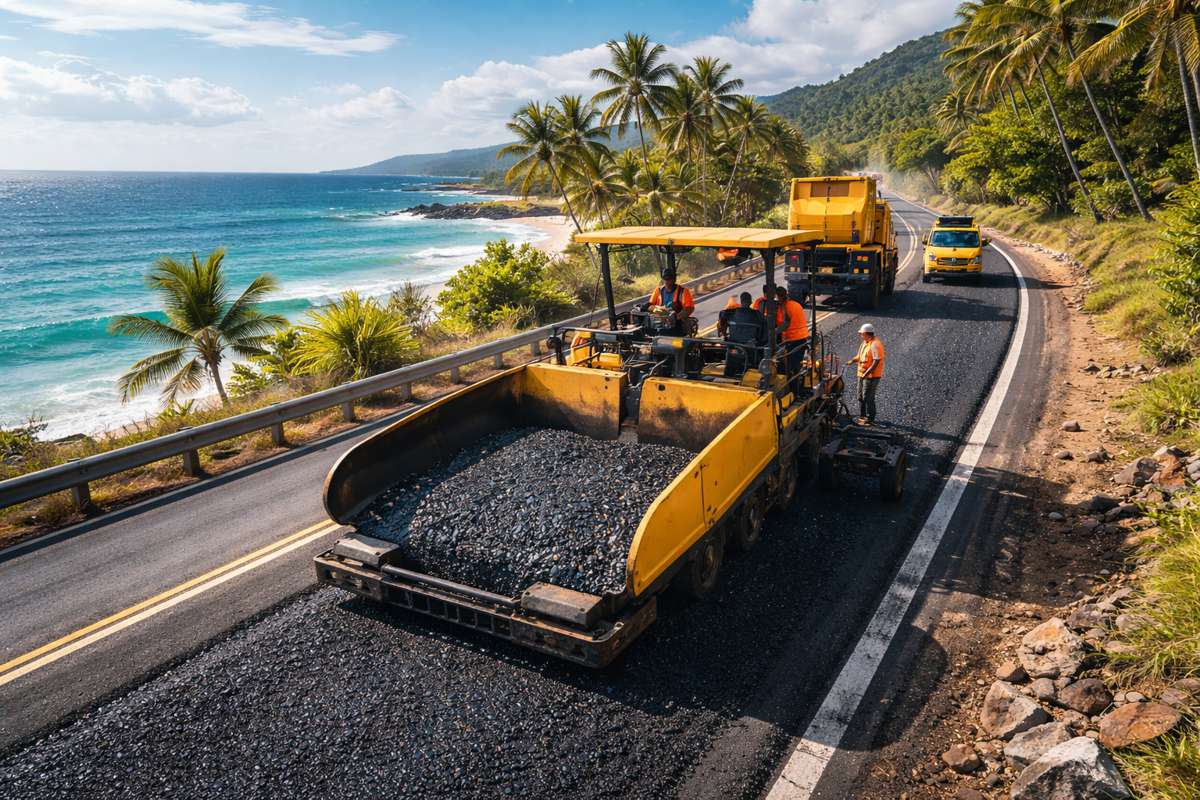
Transport has consistently been one of the bank’s largest investment areas. ADB has supported thousands of kilometres of road upgrades, railway modernisation programmes, port expansions, and urban mobility systems. These investments often serve as catalysts for broader economic development, particularly in regions where infrastructure deficits limit trade and mobility.
Beyond financing, the organisation has increasingly focused on knowledge sharing and capacity building. Large infrastructure projects require complex coordination across government agencies, private investors, contractors, and communities. By facilitating dialogue among these stakeholders, the bank helps countries navigate regulatory frameworks, procurement practices, and project management challenges.
The Asia and the Pacific Transport Forum therefore functions not only as a conference but as a strategic platform for collaboration. Ministers, planners, engineers, and development partners gather to compare experiences, discuss emerging technologies, and examine what works in practice.
Addressing the Region’s Most Pressing Transport Challenges
The transport sector across Asia and the Pacific faces a wide range of interconnected challenges. While each country has unique circumstances, several themes recur throughout the region.
Infrastructure demand continues to outpace investment capacity. Rapid population growth and expanding urban centres are increasing demand for roads, transit systems, and freight corridors faster than many governments can finance them.
Climate resilience has become a critical design priority. Many transport assets in the region are vulnerable to extreme weather events, including floods, typhoons, and landslides. Future infrastructure must be engineered to withstand increasingly volatile conditions.
Urban congestion is affecting productivity and quality of life. Cities such as Jakarta, Manila, Bangkok, and Mumbai regularly rank among the world’s most congested urban areas. Addressing this challenge requires integrated transport planning, expanded public transit, and smarter traffic management.
Cross-border connectivity remains uneven. While trade flows within Asia have grown rapidly, transport corridors connecting neighbouring countries often suffer from inconsistent infrastructure standards and regulatory barriers.
The forum aims to address these issues through open dialogue among decision makers. Sharing practical experience from project delivery, financing models, and regulatory reforms can provide valuable insights for countries seeking to accelerate infrastructure development.
Technology and Digitalisation Reshaping Transport Systems
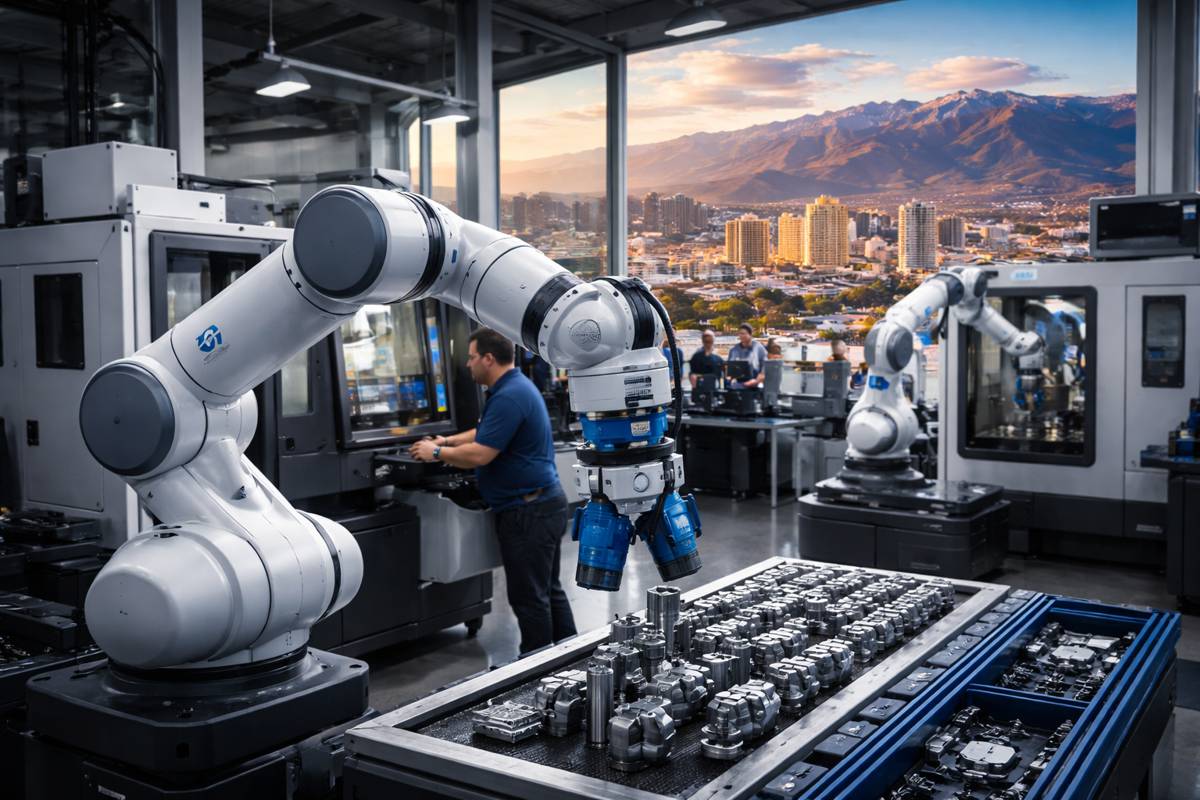
Modern transport infrastructure is no longer defined solely by concrete, asphalt, and steel. Increasingly, digital technologies are shaping how mobility systems operate, are maintained, and interact with users.
Intelligent transport systems, advanced traffic monitoring, and real time data analytics are transforming urban mobility management. These technologies enable authorities to optimise traffic flows, improve safety, and reduce congestion.
Meanwhile, digital platforms are revolutionising logistics and freight transport. Integrated data systems allow ports, rail operators, trucking companies, and customs agencies to coordinate more efficiently, reducing delays and lowering operational costs.
The adoption of such technologies is particularly important in Asia and the Pacific, where freight volumes continue to grow rapidly. Efficient logistics networks are essential for maintaining the region’s position as a global manufacturing and trade powerhouse.
Discussions at the forum will explore how governments can integrate digital solutions into infrastructure planning while ensuring systems remain interoperable across borders and institutions.
Financing the Next Generation of Infrastructure
While the need for transport investment is clear, financing large scale infrastructure remains a significant hurdle for many countries. Traditional public funding alone is often insufficient to meet the scale of demand.
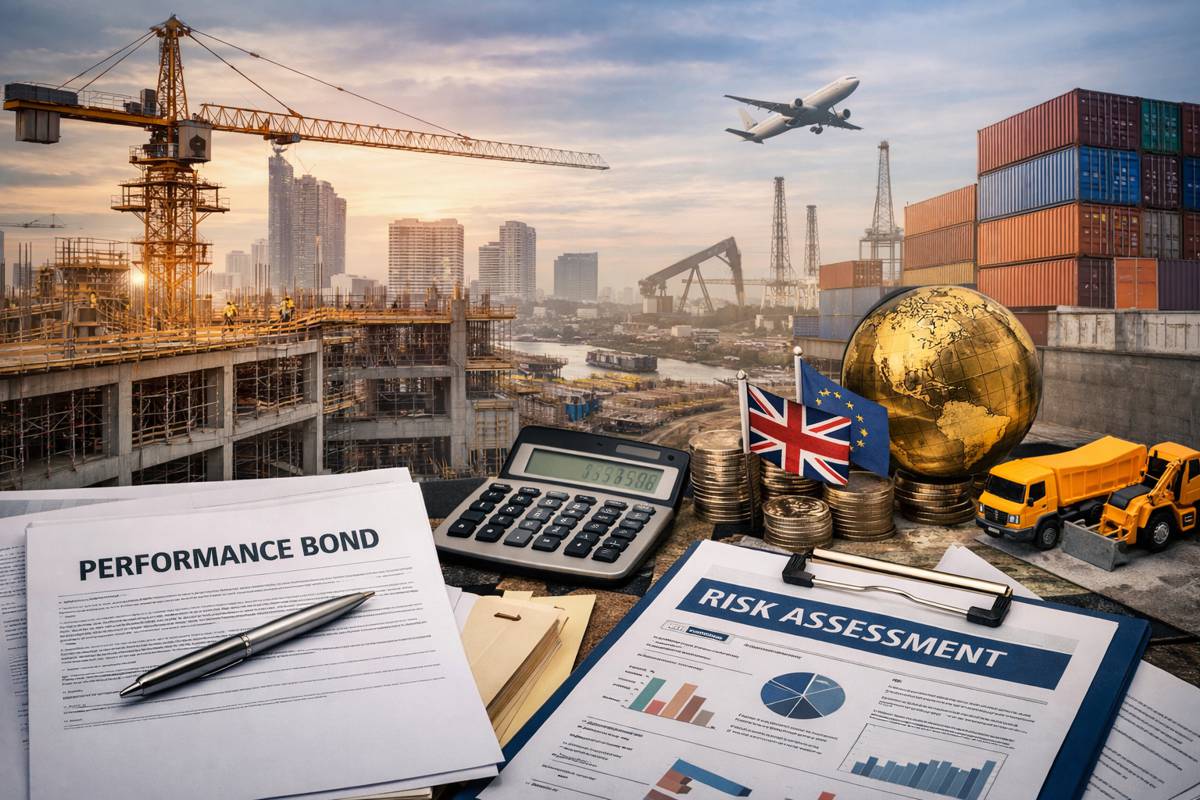
As a result, governments across Asia and the Pacific are exploring alternative financing mechanisms. Public private partnerships, infrastructure bonds, multilateral development financing, and blended finance structures are becoming increasingly important tools.
Institutions such as the Asian Development Bank play a key role in mobilising capital by reducing project risk and attracting private sector participation. By combining concessional finance, technical support, and policy guidance, these institutions help create investment environments that are more attractive to global investors.
The forum provides an opportunity to examine successful financing models and discuss how they can be adapted to different national contexts. Lessons learned from projects already delivered across the region can help accelerate future investments.
Building Institutional Capacity for Infrastructure Delivery
Infrastructure development requires more than financial capital and technical expertise. Institutional capacity plays an equally critical role in determining whether projects succeed or stall.
Many governments across the region are strengthening project preparation units, procurement systems, and regulatory frameworks to ensure infrastructure investments are delivered efficiently. Improving transparency and accountability in project management also helps build investor confidence and public trust.
Knowledge exchange platforms such as the Asia and the Pacific Transport Forum can support these efforts by enabling countries to learn from one another’s experiences. Practical insights into project delivery, stakeholder engagement, and regulatory reform often prove just as valuable as financial investment.
Collaboration Driving the Future of Regional Connectivity
Transport infrastructure has always been a powerful enabler of economic development, but in today’s interconnected world its importance is even greater. Efficient mobility networks underpin trade, support regional integration, and improve access to opportunity for millions of people.
The Asia and the Pacific Transport Forum 2026 highlights the importance of collaboration in addressing shared challenges. By bringing together policymakers, practitioners, and development partners, the event creates space for open dialogue and practical knowledge exchange.
As the region enters the United Nations Decade of Sustainable Transport, the focus is shifting decisively towards implementation. Infrastructure priorities have been identified. Financing frameworks are evolving. Technology solutions are emerging.
The task ahead is to translate these elements into projects that deliver reliable, resilient, and sustainable transport systems across one of the world’s most dynamic regions.