Bishkek moves Towards Cleaner Mobility with new CNG Bus Fleet
Cities across Central Asia are under growing pressure to modernise ageing transport networks while improving air quality and accessibility. In the Kyrgyz capital of Bishkek, a major investment supported by the European Bank for Reconstruction and Development is beginning to reshape how residents move around the city.
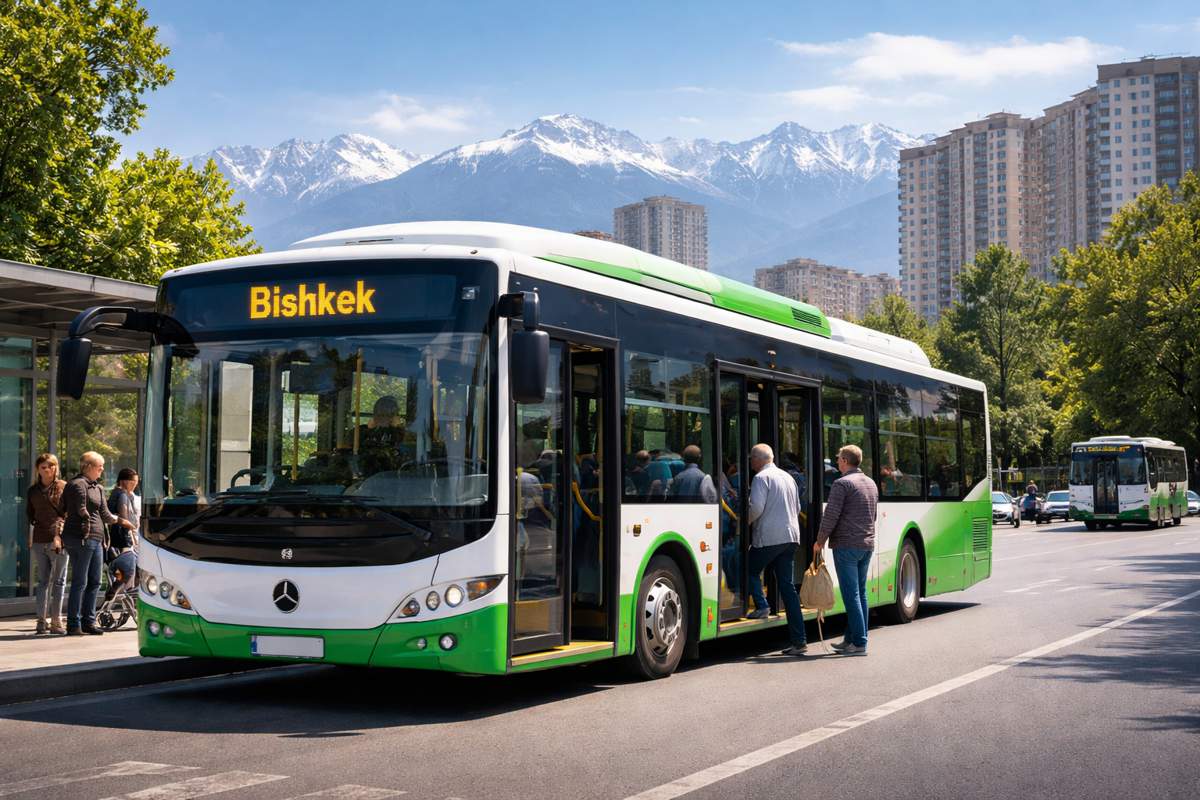
The arrival of 95 compressed natural gas buses represents the latest stage in a broader modernisation programme designed to improve public transport reliability, passenger comfort and environmental performance. The initiative forms part of a €33 million financing package that will ultimately deliver 219 new buses to the city’s transport system, replacing ageing diesel vehicles that have long struggled to meet the demands of a growing urban population.
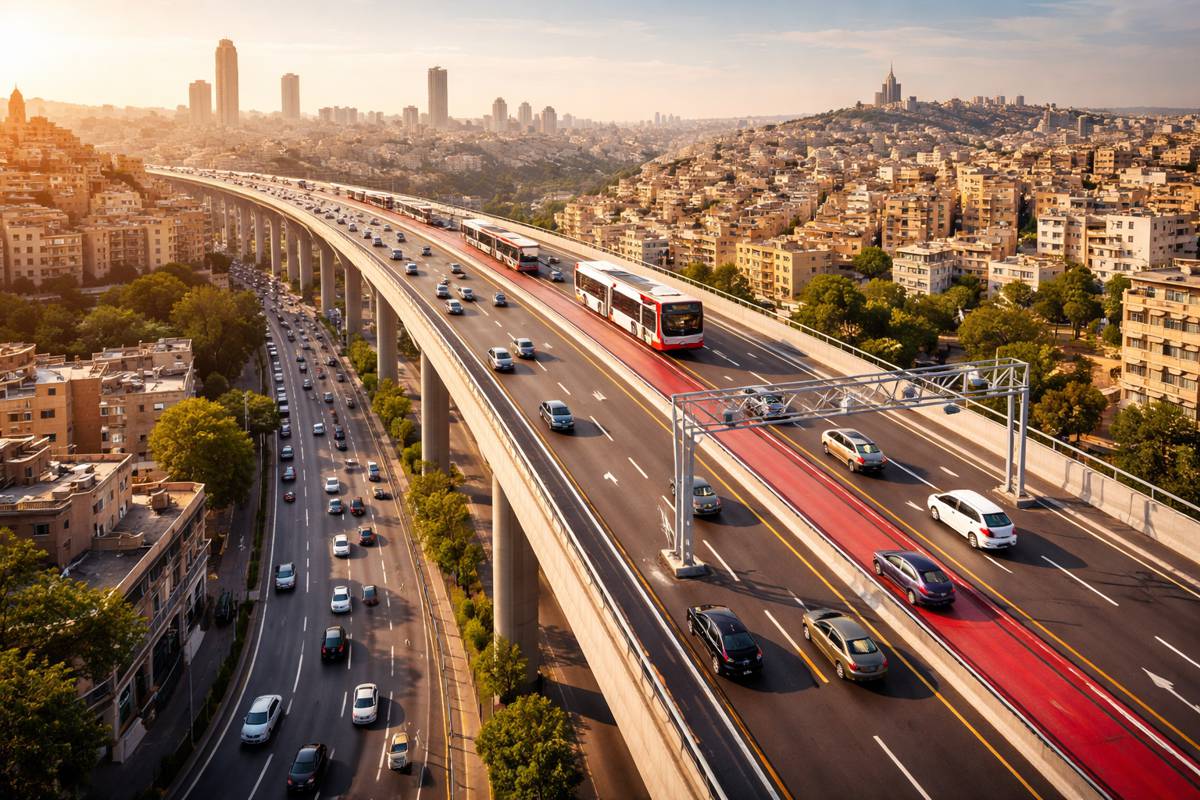
For Bishkek, where private cars and informal minibuses have dominated the streets for decades, this investment signals a shift toward a more structured, efficient and sustainable public transport network. The introduction of modern buses is not simply a fleet upgrade. It reflects a broader effort to strengthen urban mobility planning and align the city with international standards for public transport accessibility and emissions reduction.
Cleaner Buses for Central Asian Cities
Urban air pollution has become an increasingly serious issue across Central Asia. In cities like Bishkek, winter smog often intensifies as vehicle emissions combine with coal heating and geographical factors that trap polluted air within mountain valleys.
Transport plays a significant role in this challenge. Older diesel buses and informal minibuses typically lack modern emissions controls, contributing to particulate pollution and nitrogen oxide levels that can exceed recommended health limits. According to the World Health Organization, air pollution remains one of the leading environmental health risks globally, contributing to millions of premature deaths each year.
Compressed natural gas vehicles offer a practical transitional solution for cities that need immediate emissions improvements but may not yet have the infrastructure required for fully electric fleets. CNG buses typically produce significantly lower particulate emissions than diesel vehicles and can also reduce nitrogen oxides and carbon dioxide output depending on engine technology.
While electric buses often dominate discussions around clean transport, many cities in emerging economies continue to favour CNG because the infrastructure costs are more manageable and the technology is well established. For Bishkek, where municipal budgets and technical capacity are still developing, CNG provides a realistic pathway toward cleaner urban mobility.
Designing Buses for Real City Life
Beyond environmental improvements, the new vehicles have been designed to address long-standing challenges within Bishkek’s public transport system. Many existing buses and minibuses are difficult to board, uncomfortable during peak hours and poorly suited to passengers with mobility challenges.
The incoming buses are 12 metres long and built with low-entry floors that allow easier boarding from street level. This design dramatically improves accessibility for elderly passengers, parents with prams and people using wheelchairs.
Wide interiors and three double-wing doors are expected to reduce dwell times at stops, enabling passengers to board and exit more efficiently. Each bus can accommodate up to 90 passengers, which will help relieve pressure on busy routes where overcrowding has often been a persistent issue.
Accessibility features have been built into the design from the outset. Dedicated wheelchair spaces, securing straps, handrails and manual ramps ensure that passengers with disabilities can travel safely and independently. Inclusive transport design has become a key benchmark for modern urban mobility systems, and Bishkek’s new buses represent a meaningful step toward meeting those expectations.
Technology Bringing Public Transport Up to Date
Modern passengers increasingly expect public transport to offer the same connectivity and convenience as other parts of daily life. The new buses incorporate a range of onboard systems aimed at improving both the passenger experience and operational oversight.
Digital LED displays and audio announcements will provide clear route information and stop notifications. These features are particularly important for passengers with visual or hearing impairments and help reduce confusion for visitors unfamiliar with the city’s transport network.
Connectivity has also been considered. Wi-Fi access and USB charging ports will allow passengers to remain connected during their journeys, reflecting a shift toward public transport as a space where commuters can work, communicate or simply stay informed while travelling.
Safety systems have been strengthened as well. Video surveillance installed throughout the buses will improve security for both passengers and drivers, while providing valuable operational data for the city’s transport authority.
Taken together, these features move Bishkek’s bus system closer to the standards found in many European cities. The goal is not simply to provide transportation but to create a reliable, modern service that residents feel confident using every day.
Financing Urban Infrastructure in Emerging Economies
Behind the scenes, projects like this rely heavily on international development finance institutions. The European Bank for Reconstruction and Development has played a long-standing role in supporting infrastructure improvements across the Kyrgyz Republic and the wider Central Asian region.
Since beginning operations in the country in 1992, the bank has invested more than US$1.3 billion in 281 projects. These investments span sectors ranging from energy and transport to financial services and private sector development.
Urban transport modernisation has become a particularly important area of focus. Reliable public transport networks underpin economic activity by connecting workers with jobs, supporting local commerce and improving access to education and services.
For cities undergoing rapid population growth, investment in buses and transit systems often delivers immediate returns. Improved mobility reduces travel times, lowers transport costs for households and encourages more sustainable urban development patterns.
Development banks also provide technical expertise alongside financing. Projects typically include institutional support to help municipal authorities strengthen planning, procurement and operational management capabilities. These capacity-building elements are crucial for ensuring that infrastructure investments deliver lasting benefits.
Linking Transport Reform With Climate Policy
The Bishkek bus programme is closely connected to the city’s participation in the Green Cities initiative, a framework designed to help municipalities identify and address environmental challenges through targeted investments.
Under this programme, Bishkek is developing a comprehensive action plan that will guide the city’s environmental and sustainability strategy. The process is supported by €950,000 in grant funding provided by Japan, which helps cover the costs of technical analysis, policy development and implementation planning.
Green Cities programmes typically examine a wide range of urban challenges including transport emissions, energy efficiency, waste management and air quality. By integrating these issues into a single planning framework, cities can prioritise investments that deliver the greatest environmental and economic impact.
Public transport improvements frequently emerge as a central pillar of these strategies. Modern buses, cleaner fuels and better route planning can significantly reduce emissions while improving quality of life for residents.
In Bishkek’s case, the bus modernisation programme provides a tangible example of how climate policy and infrastructure development can reinforce one another. Cleaner buses reduce emissions today while laying the groundwork for future transitions to even lower-carbon technologies.
Strengthening Bishkek’s Municipal Transport System
Infrastructure projects often succeed or fail based on the strength of the institutions responsible for operating them. Recognising this, the programme includes support aimed at strengthening the municipal public transport company responsible for running the city’s bus network.
Institutional capacity building may involve improvements in fleet management systems, maintenance planning, staff training and financial oversight. These elements are less visible than the arrival of new vehicles but play a crucial role in ensuring that the buses remain reliable throughout their operational life.
Efficient management can extend vehicle lifespans, reduce maintenance costs and improve service reliability. For passengers, that translates into buses arriving on time, cleaner vehicles and fewer service disruptions.
By combining new assets with institutional reforms, the project aims to create a transport system capable of adapting to Bishkek’s long-term growth.
A Foundation for the Future of Public Transport
Bishkek’s new fleet of compressed natural gas buses represents more than a procurement exercise. It reflects a broader transformation taking place across many emerging cities as governments and development partners work together to modernise essential infrastructure.
Cleaner buses reduce emissions and improve air quality. Accessible vehicles open public transport to a wider range of passengers. Modern information systems bring greater convenience and safety to daily journeys.
Equally important, the project strengthens the institutional and planning frameworks needed to sustain these improvements over time. By integrating financing, technical expertise and environmental strategy, the initiative sets the stage for continued upgrades to the city’s transport network.
For Bishkek’s residents, the immediate benefits will be visible on the streets as new buses begin carrying passengers across the capital. For policymakers and investors watching the region, the project illustrates how targeted infrastructure investments can deliver practical solutions to urban mobility challenges while advancing broader environmental goals.