Graco Brings Digital Fluid Management to the Field with Pulse Mobile
Across the global construction, mining and heavy equipment sectors, maintenance operations rarely happen under ideal workshop conditions. Machines working on road projects, quarry benches, forestry sites and remote infrastructure developments are typically serviced wherever they stand. For decades, however, one critical aspect of field servicing has remained surprisingly analogue: tracking the fluids used during maintenance.
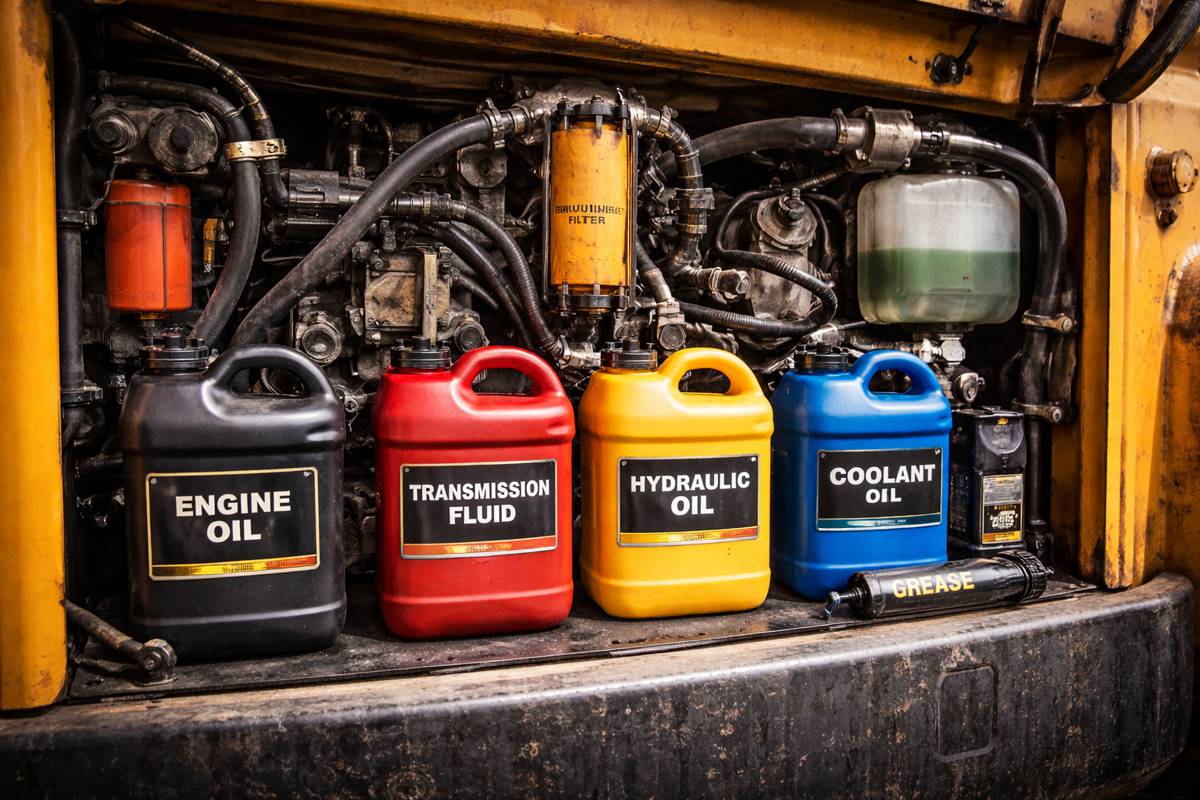
From engine oil and hydraulic fluid to grease and coolant, these consumables are essential to equipment performance and longevity. Yet on many service trucks today, technicians still record fluid usage manually on paper forms or spreadsheets. The result is often inconsistent inventory tracking, billing discrepancies and a lack of visibility into how much product is actually being consumed.
Graco Inc. has now introduced a new technology designed to bring digital accountability to field maintenance operations. Unveiled at the CONEXPO 2026 exhibition in Las Vegas, the company’s Pulse® Mobile™ fluid management system aims to automate how fluid dispensing is tracked and reported directly from service vehicles operating on active job sites.
The development reflects a broader industry push towards data-driven maintenance practices across construction and heavy industry, where equipment uptime and operational transparency are increasingly tied to digital tools.
The Hidden Cost of Manual Fluid Tracking
Heavy equipment maintenance depends heavily on fluids. Engine oils, hydraulic oils, transmission fluids and lubricants form the backbone of preventative maintenance programmes that keep fleets operating safely and efficiently.
Yet while the machines themselves have become increasingly sophisticated, the process used to track the fluids that keep them running has often lagged behind. In many field service operations, technicians manually log how much fluid they dispense while performing maintenance. Those notes are later transferred to billing systems or inventory records.
This approach introduces several operational challenges.
Firstly, manual recording increases the likelihood of human error. Technicians working under time pressure in remote environments may misreport quantities or skip entries entirely. Over time, these inaccuracies accumulate and lead to mismatches between inventory levels and actual consumption.
Secondly, fluid costs can be difficult to recover accurately when billing customers or internal departments. When service trucks are responsible for maintaining dozens or even hundreds of machines across multiple sites, precise tracking becomes essential for fair and transparent cost allocation.
Finally, poor visibility into fluid usage can obscure broader operational insights. Without accurate data, fleet managers may struggle to identify maintenance trends, detect potential leaks or optimise inventory management.
According to research from the International Council on Clean Transportation and various fleet management studies, improved maintenance data collection can significantly enhance equipment efficiency and reduce operating costs across heavy industrial fleets.
A Digital Approach to Field Service
Graco’s new Pulse Mobile system aims to tackle these long-standing challenges by automating fluid tracking at the point of dispensing.
Installed on a service truck’s fluid handling equipment, the system wirelessly records each dispensing event and transmits the data to a cloud platform. Every ounce of fluid delivered during maintenance can be logged automatically and assigned to a specific machine, technician and work order.
This shift removes the need for manual data entry during field maintenance activities, reducing the risk of errors while simultaneously creating a comprehensive digital record of fluid usage.
Jake Elmer, Global Category Lead for Service and Repair at Graco, explained the concept behind the system during the product’s introduction: “Pulse Mobile extends the capabilities to the field that our trusted Pulse Pro platform delivers in the shop.
“Now, service technicians can have confidence that every ounce of fluid dispensed for field equipment maintenance can be captured, accounted for, and tied to work performed, with no manual data recording required.”
By bringing automated data capture to service trucks, the system effectively bridges the information gap between workshop-based maintenance operations and field servicing.
Bringing Fleet Visibility into a Single Platform
One of the central goals behind the system is to create a unified view of fluid usage across an organisation’s entire maintenance network.
Pulse Mobile uploads dispensing data to a cloud-based database where it can be combined with information collected by Graco’s existing Pulse Pro fluid management platform used in workshops and service bays. The result is a consolidated dataset that reflects fluid usage both inside the maintenance facility and out in the field.
For fleet operators managing large numbers of machines across multiple job sites, this level of visibility can offer meaningful operational advantages.
Maintenance managers gain a clearer understanding of fluid consumption patterns, helping them anticipate supply needs and reduce the risk of shortages. Equipment owners can also track maintenance costs more precisely, ensuring that fluid usage is correctly assigned to individual machines or projects.
From a financial standpoint, improved tracking supports more accurate billing and cost recovery. When contractors service equipment belonging to customers or rental fleets, precise fluid accounting helps eliminate disputes over maintenance charges.
At scale, these improvements contribute to better operational efficiency across construction and resource extraction sectors where even small discrepancies in consumables can add up quickly.
Built for Harsh Job Site Conditions
Unlike workshop equipment, service trucks often operate in some of the toughest environments in the industrial world.
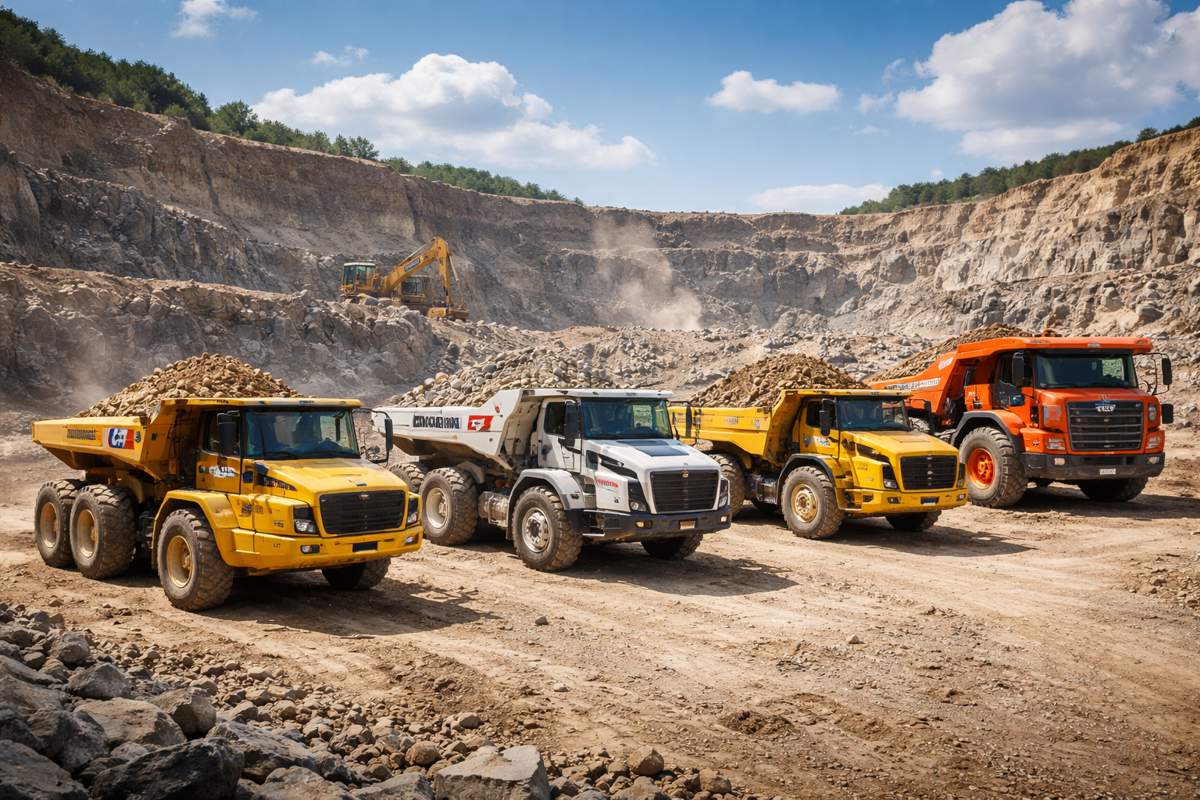
Mining operations expose maintenance vehicles to vibration, dust and extreme temperatures. Forestry sites may involve mud, moisture and unpredictable terrain. Infrastructure projects frequently require service crews to travel long distances between machines scattered across large worksites.
To address these realities, the Pulse Mobile system uses a ruggedised fluid meter rated to the IP69K standard. This rating represents one of the highest levels of protection against dust and high-pressure water ingress available for industrial equipment.
Such durability is critical for technologies intended to operate reliably in remote maintenance scenarios where downtime or equipment failure could disrupt essential servicing activities.
The rugged meter is designed to withstand vibration, weather exposure and heavy-duty usage typical of service trucks working in construction, mining and logging operations.
Fast Deployment for Service Teams
Another factor influencing adoption of digital maintenance systems is how easily they can be integrated into existing workflows.
Large fleet operators are often hesitant to introduce technologies that require extensive downtime or complex installation procedures. Service vehicles need to remain operational, and technicians must be able to adapt to new tools without lengthy training programmes.
Graco designed Pulse Mobile with rapid deployment in mind. According to the company, the system can be installed and configured in a single day.
Once deployed, technicians interact with the system through simple authentication methods such as entering a PIN or scanning an NFC tag. This approach allows service teams to begin recording fluid dispensing events immediately without adding complexity to routine maintenance tasks.
Ease of use remains a crucial factor in ensuring that digital solutions are adopted successfully across operational teams that may already be working under demanding conditions.
Fluid Management as a Data Asset
The introduction of digital fluid management systems reflects a broader transformation underway across the heavy equipment industry.
Fleet operators are increasingly adopting technologies that convert routine operational activities into valuable data streams. Telematics platforms, predictive maintenance systems and remote monitoring tools have already begun reshaping how equipment performance is tracked and optimised.
Fluid management represents a logical extension of this trend.
When fluid usage data is captured accurately and consistently, it can provide insights beyond simple inventory control. Patterns in consumption may reveal early warning signs of mechanical issues such as leaks or excessive wear. Maintenance schedules can be adjusted based on actual usage rather than fixed intervals.
Over time, these data-driven insights can support more proactive maintenance strategies, helping equipment owners extend machine lifespans while reducing unexpected downtime.
As digital transformation continues across the construction and mining sectors, technologies that integrate seamlessly with existing maintenance processes will likely play an increasingly important role.
A Century of Industrial Fluid Technology
The introduction of Pulse Mobile also coincides with a significant milestone for the manufacturer behind the technology.
Graco is marking its 100th anniversary, a century after its founding in Minneapolis. Over that period, the company has built a global presence in fluid and coating management technologies used across a wide range of industries.
Its equipment is designed to move, measure, control and dispense fluids and powders in applications ranging from industrial manufacturing and processing to construction maintenance and protective coatings.
While fluid handling may not always attract the spotlight in discussions about industrial innovation, the reliability and efficiency of these systems remain essential to countless operations across the global infrastructure economy.
From lubrication systems that keep heavy machinery running to coating technologies used in infrastructure protection, fluid management solutions play a quiet but critical role in the longevity and performance of industrial assets.
Digital Maintenance Enters a New Phase
The launch of Pulse Mobile highlights an important shift in how maintenance data is collected across industries that rely heavily on mobile equipment fleets.
As construction projects become larger and more complex, and as mining operations extend deeper into remote environments, the ability to monitor and manage maintenance activities in real time becomes increasingly valuable.
Automated fluid tracking may seem like a small piece of the digital transformation puzzle, but it addresses a persistent operational blind spot that has existed for decades.
By capturing accurate data directly at the point of dispensing, technologies like Pulse Mobile bring greater transparency to maintenance operations that have traditionally relied on manual processes.
For equipment owners, dealers and service providers, that improved visibility could translate into better inventory control, clearer billing records and more informed maintenance decisions across entire fleets.
In an industry where efficiency gains often come from incremental improvements rather than dramatic breakthroughs, even modest innovations in everyday processes can deliver significant long-term benefits.
As the global infrastructure sector continues to modernise, the quiet evolution of maintenance technologies may prove just as important as advances in machinery itself.