Robots Step Onto the Industrial Front Line With Noble Machines
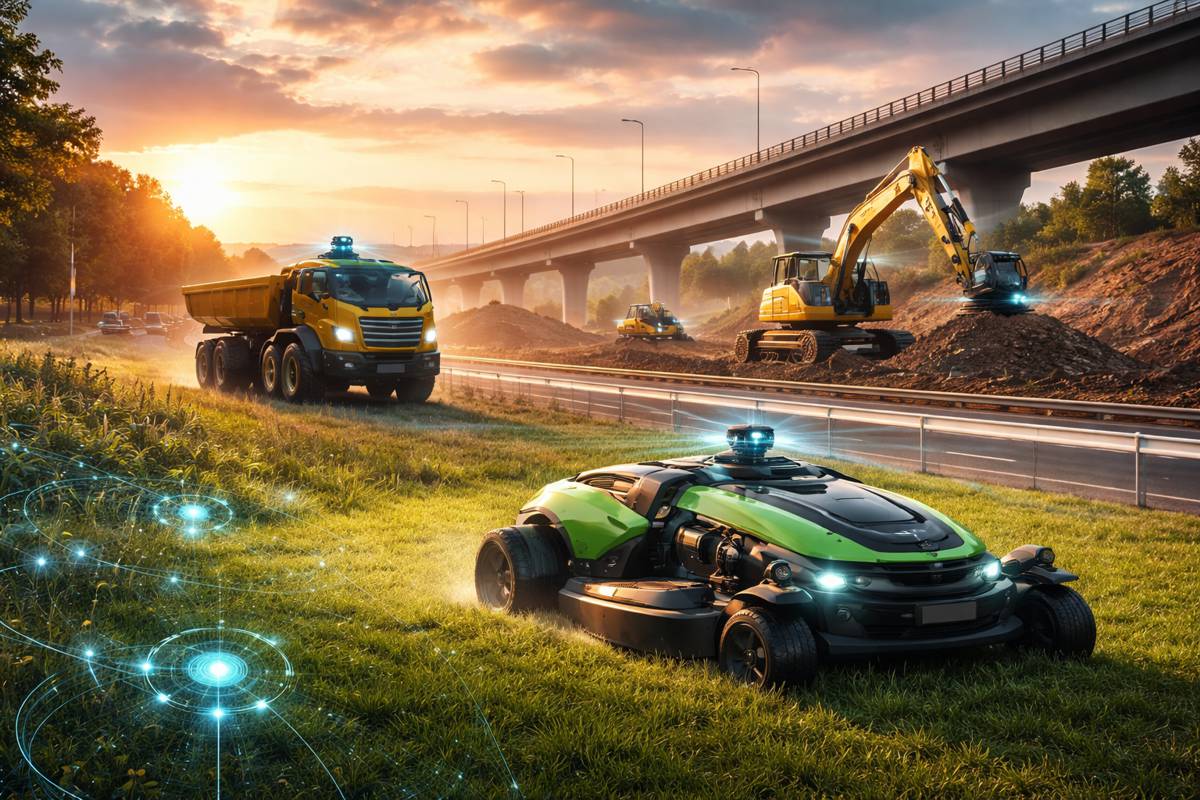
Across construction sites, factories, logistics depots and energy facilities, the pressure to maintain productivity while protecting workers has never been greater. Labour shortages, stricter safety regulations and increasingly complex infrastructure projects are pushing industries to rethink how hazardous and physically demanding tasks are performed.
Into this evolving landscape steps Noble Machines Inc., a young robotics company that has quietly emerged from stealth with its first deployment of industrial general-purpose robots to a Fortune Global 500 customer less than two years after being founded. While robotics has long been discussed as the future of industry, Noble Machines is attempting something more ambitious. Rather than developing narrowly specialised machines, the company is focused on creating adaptable robots capable of performing a wide range of tasks across multiple sectors.
Founded in 2024 by engineers with backgrounds at Apple, SpaceX, NASA and Caltech, the company has built its technology around the idea that artificial intelligence must prove its value in real operational environments rather than controlled laboratory settings. By working directly alongside industrial customers, the company aims to refine robotic capabilities through continuous iteration and real-world deployment.
The result is an approach that reflects a growing trend in industrial technology: shifting from theoretical AI development to systems that deliver practical value on factory floors, construction sites and critical infrastructure environments.
The Growing Demand for Industrial Robotics
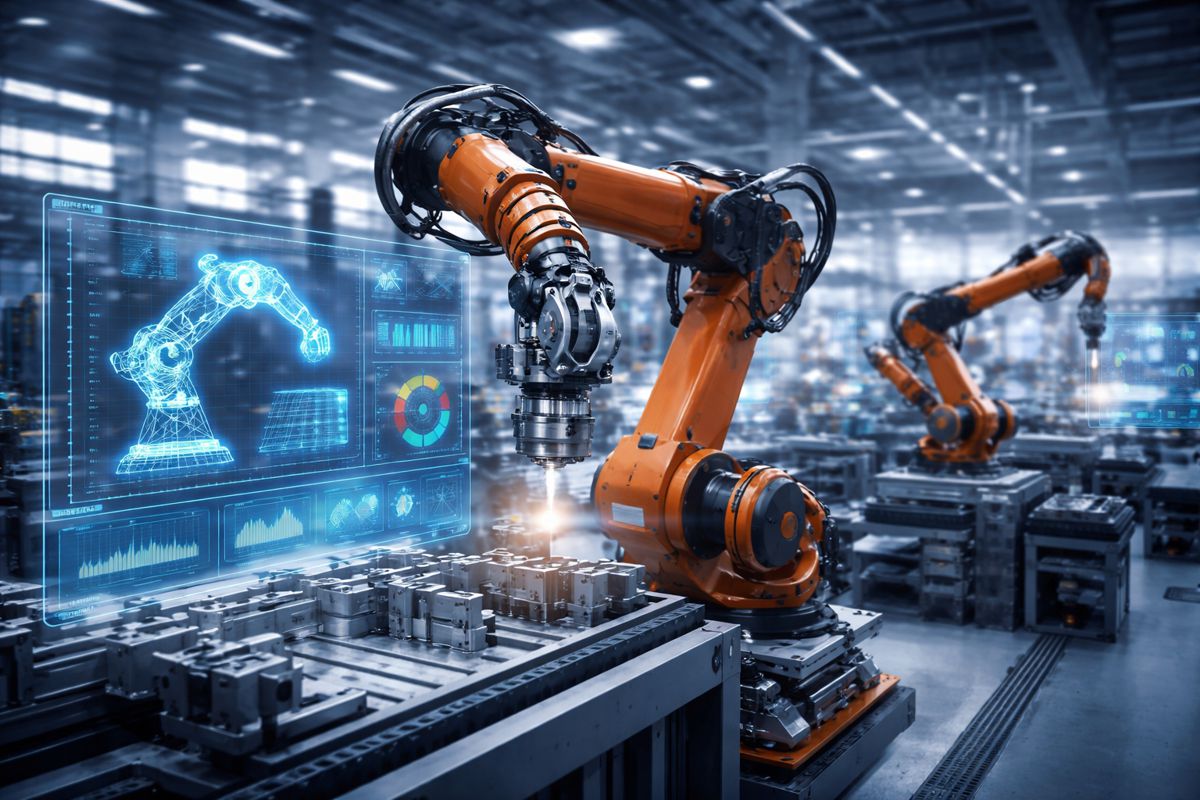
Industrial automation is no longer confined to automotive assembly lines or semiconductor manufacturing. According to the International Federation of Robotics, global installations of industrial robots reached more than 550,000 units in recent years, with demand expanding rapidly beyond traditional manufacturing sectors. Construction, logistics, mining and energy are increasingly exploring automation to address labour shortages and improve safety.
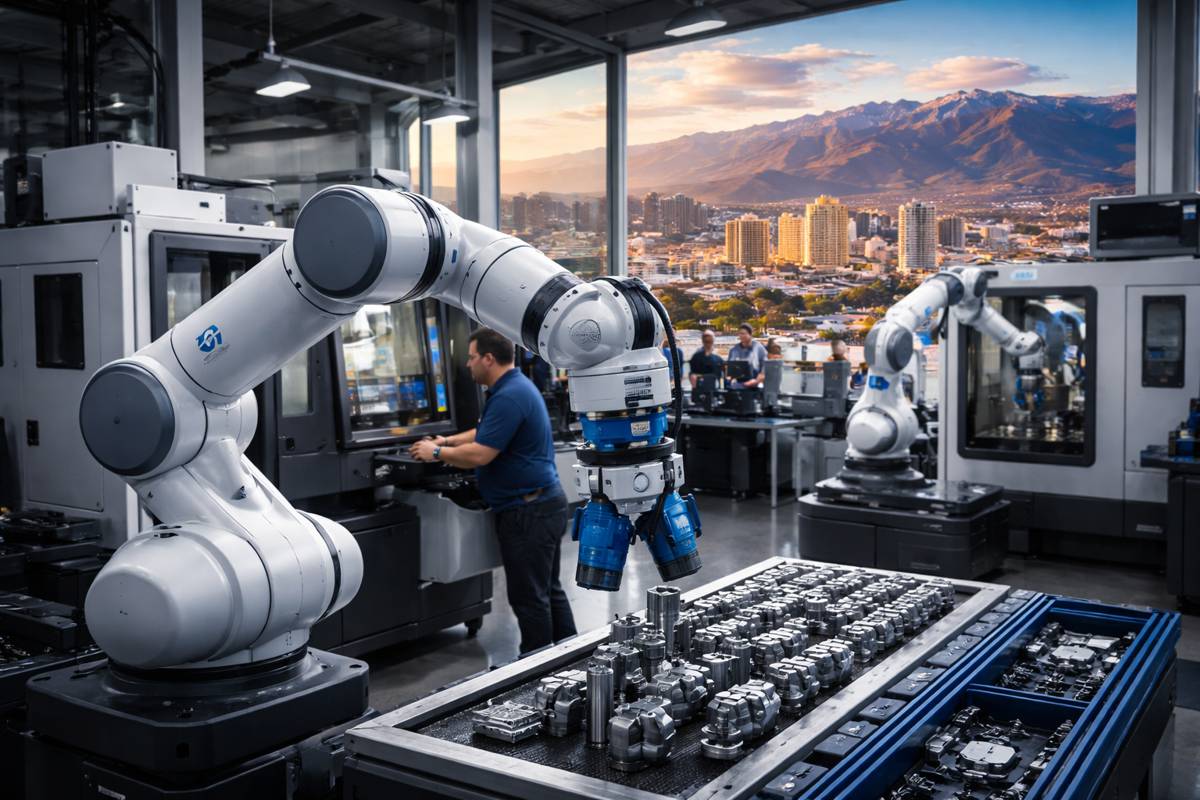
These industries face a particular challenge. Many tasks involve heavy payloads, unpredictable environments and complex physical interactions that traditional industrial robots struggle to manage. Unlike factory robots operating within fixed cages, machines working in construction or logistics must deal with uneven terrain, changing layouts and human workers moving around them.
This is where the concept of general-purpose robotics becomes especially compelling. Instead of building machines designed for one specific operation, developers are working towards adaptable robotic platforms capable of learning new tasks through software updates or training.
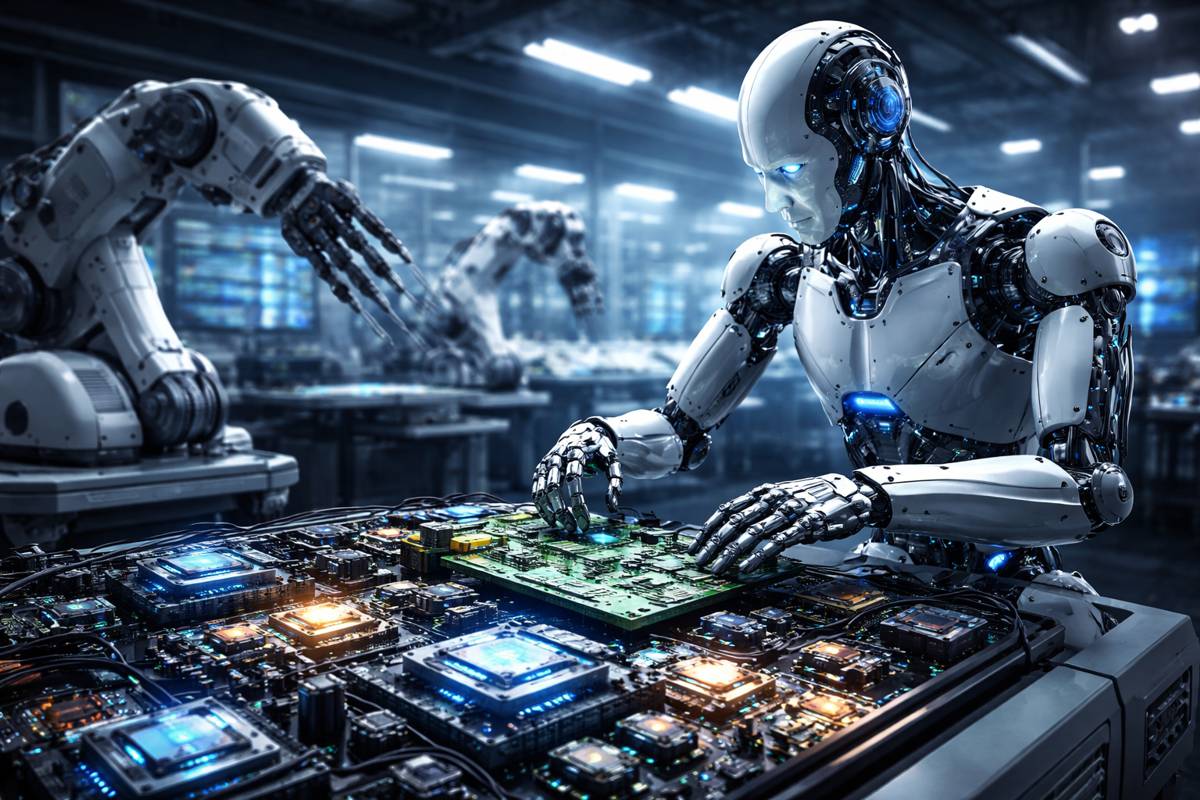
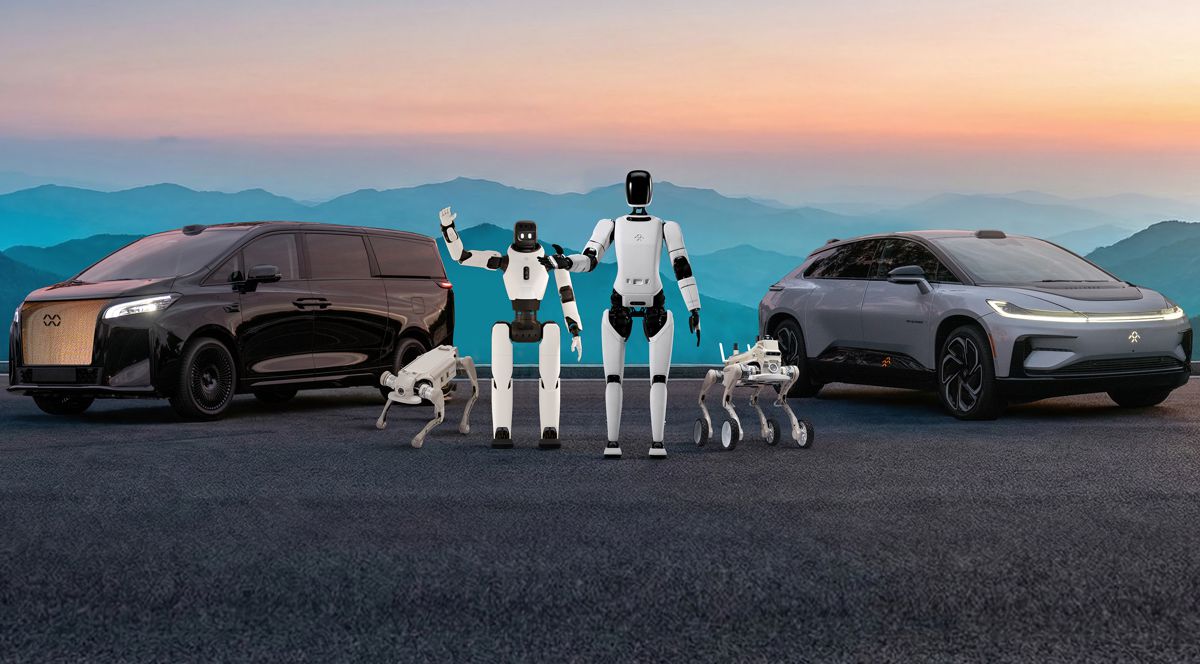
Noble Machines is positioning itself squarely within this emerging category. Its robots are designed to handle hazardous and physically demanding operations across sectors including manufacturing, construction, logistics, energy and semiconductor production.
AI Meets Hardware In a New Robotics Architecture
At the heart of Noble Machines’ technology is an integrated approach combining artificial intelligence with robotic hardware design. Rather than treating software and machines as separate components, the company has built what it describes as a fully integrated technology stack.
This includes AI-driven whole-body control systems and end-to-end autonomous operation, paired with hardware designed to be cost-effective for industrial deployment. In practice, this means robots capable of coordinating movement, perception and manipulation simultaneously while interacting with complex environments.
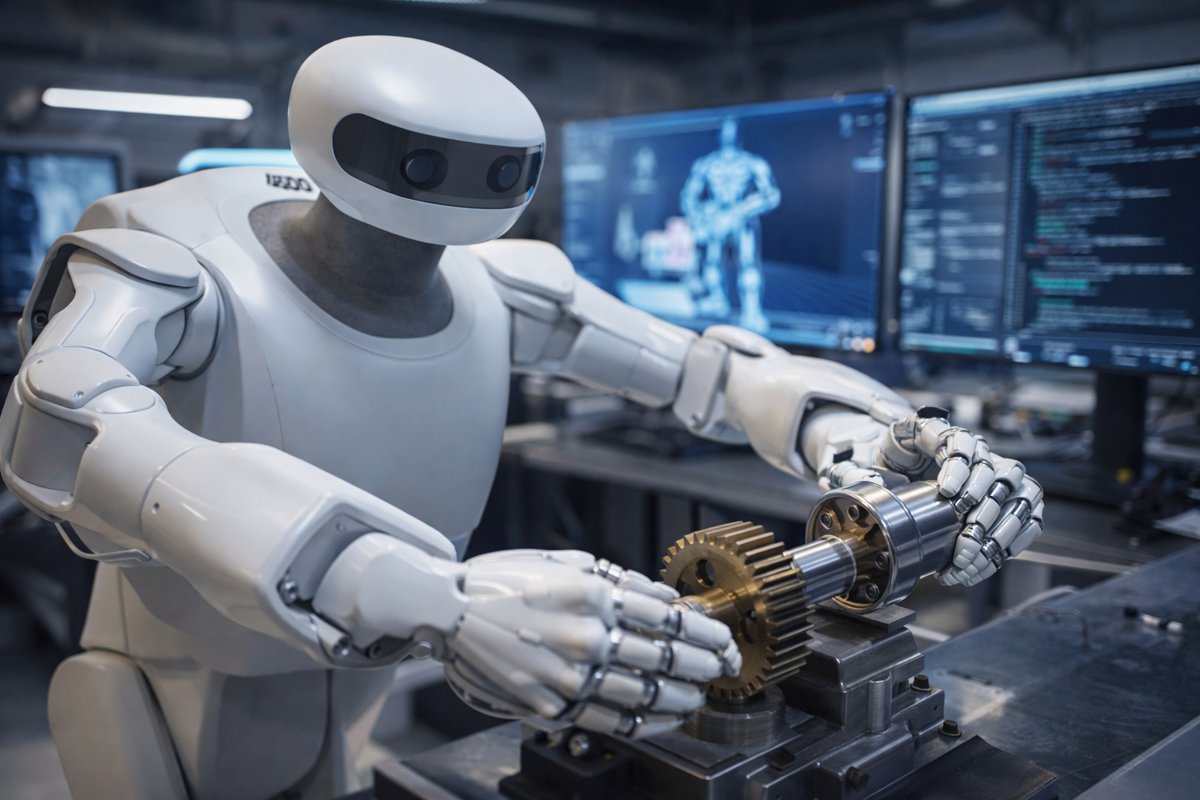
A key feature of the system is its learning model. The robots can acquire new physical skills through language instructions, demonstrations or gestures. That approach reflects a broader shift in robotics research, where large language models and machine learning techniques are being used to teach robots tasks without requiring extensive manual programming.
The practical benefit is speed. Instead of taking months to train machines for new operations, the company claims robots can learn real-world skills in hours. For industries that regularly adapt workflows or introduce new processes, that flexibility could significantly reduce deployment times.
Rapid skill acquisition is particularly valuable in sectors such as construction, where every project site presents unique conditions. A robot capable of quickly adapting to different layouts or materials could potentially perform multiple roles across a project lifecycle.
Real World Deployment Before Scaling
Unlike many technology start-ups that pursue large-scale rollouts before operational testing, Noble Machines has taken a more measured approach. The company works directly with customers to validate performance in operational environments before expanding deployments.
That strategy reflects lessons learned from earlier waves of automation. Many ambitious robotics projects have struggled when technologies developed in controlled environments were exposed to the unpredictability of real industrial settings.
By embedding its systems within customer operations early in development, the company aims to gather practical data about performance, reliability and integration with existing workflows. Only once those systems prove their value does the company expand deployments.
This approach also helps address a common barrier to automation adoption. Industrial operators tend to be cautious when introducing new technologies that could disrupt production or safety procedures. Demonstrating reliability in real environments builds the confidence required for broader adoption.
Partnerships Driving Industrial Integration
To bring its robotics platform into complex industrial ecosystems, Noble Machines has partnered with several established technology and engineering companies.
Among them is ADLINK, a global provider of edge computing platforms. Industrial robots increasingly rely on powerful computing systems capable of processing sensor data, controlling motion and running AI algorithms in real time.
Ethan Chen, General Manager of ADLINK’s Edge Computing Platforms Business Unit, highlighted the technical significance of the partnership: “Noble Machines’ leadership in the field of fully integrated AI-Driven Whole-Body Control and autonomy is undeniable.
“We are committed to providing a long-term, scalable computing architecture for the most challenging applications, accelerating Noble Machines’ entry into high-value, heavy industry markets.”
Edge computing plays a critical role in robotics, particularly in environments where cloud connectivity cannot guarantee low latency or reliability. Processing data locally allows robots to respond instantly to changing conditions.
Another partner is Schaeffler, a company known for its expertise in motion technology and precision mechanical components. Robotics platforms require highly reliable mechanical systems capable of handling heavy loads while maintaining precise control.
Al Makke, Head of Humanoid Robotics Americas at Schaeffler, described the collaboration as part of a broader push towards advanced robotic systems: “As the Motion Technology Company, Schaeffler works with organizations that are meeting the demand for general purpose robots which can handle high payloads and be seamlessly implemented.
“Collaborating with Noble Machines strengthens our ability to drive innovation in the field of humanoid robotics, while also enhancing safety by taking on physically demanding operations.”
The company has also partnered with Solomon, a provider of industrial automation and machine vision technologies.
Johnny Chen, Chairman and CEO of Solomon, emphasised the practical focus of the collaboration: “This collaboration is about learning what works on the factory floor and finding realistic ways to apply AI-driven robots alongside existing systems that deliver value for customers.”
Addressing Hazardous Industrial Work
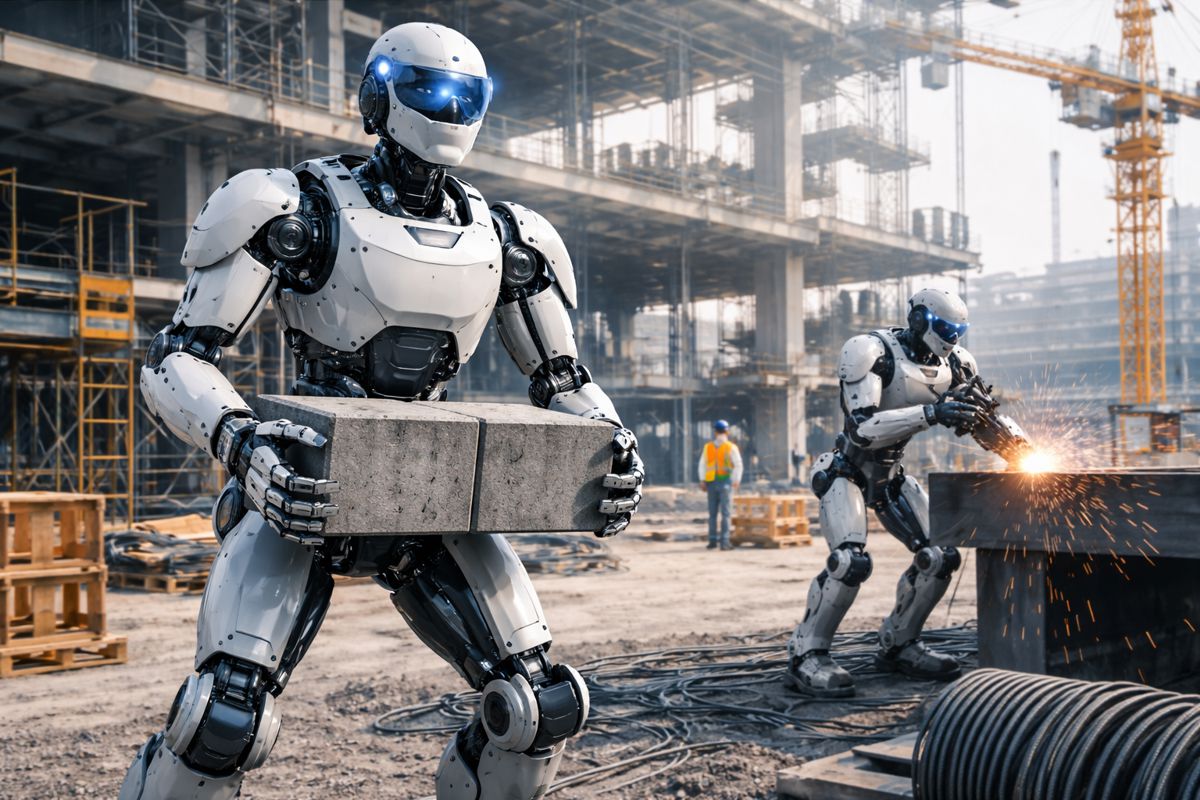
A central focus of Noble Machines is the replacement or augmentation of dangerous manual labour. Many industries still rely heavily on workers to perform tasks that involve heavy lifting, exposure to hazardous materials or operation in extreme environments.
Construction, for example, remains one of the most dangerous industries globally. According to the International Labour Organization, construction accounts for a disproportionate share of workplace fatalities due to falls, equipment accidents and structural hazards.
Robotic systems capable of handling heavy loads, performing repetitive lifting or operating in confined spaces could significantly reduce these risks. In energy infrastructure, robots may eventually be deployed in environments such as offshore platforms or power plants where safety risks are high.
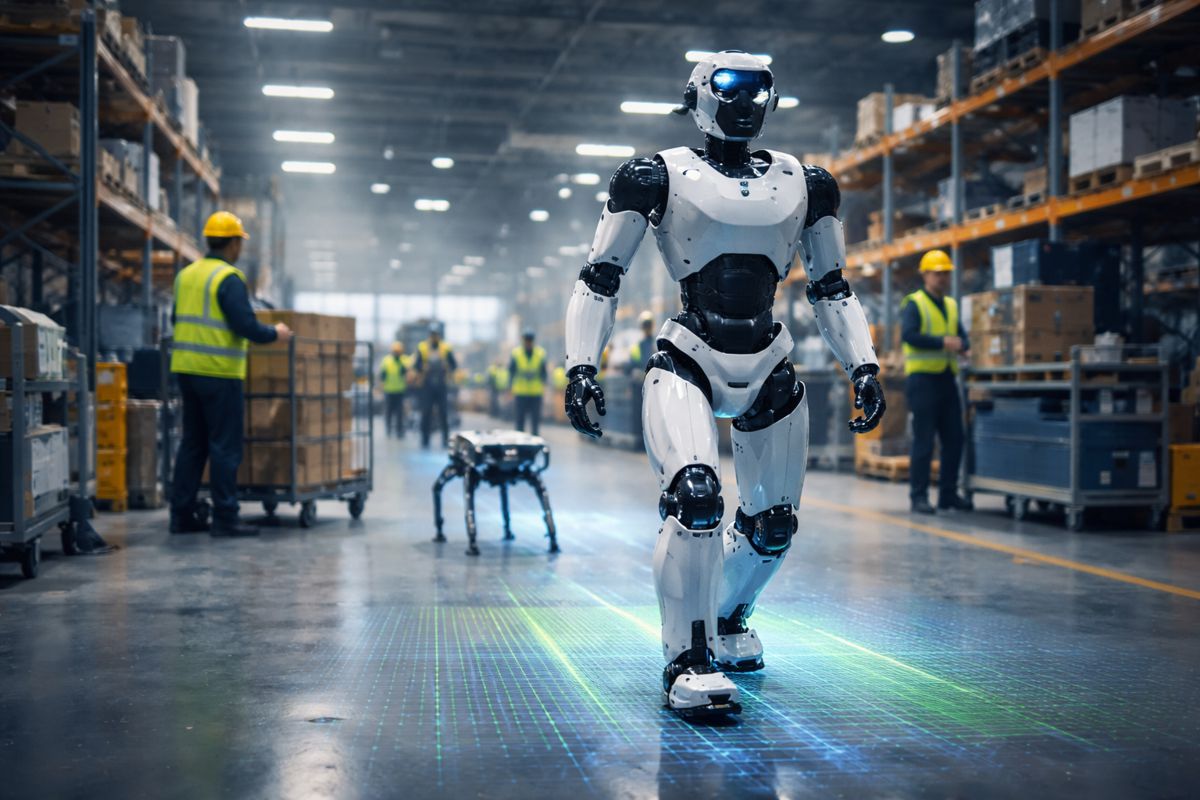
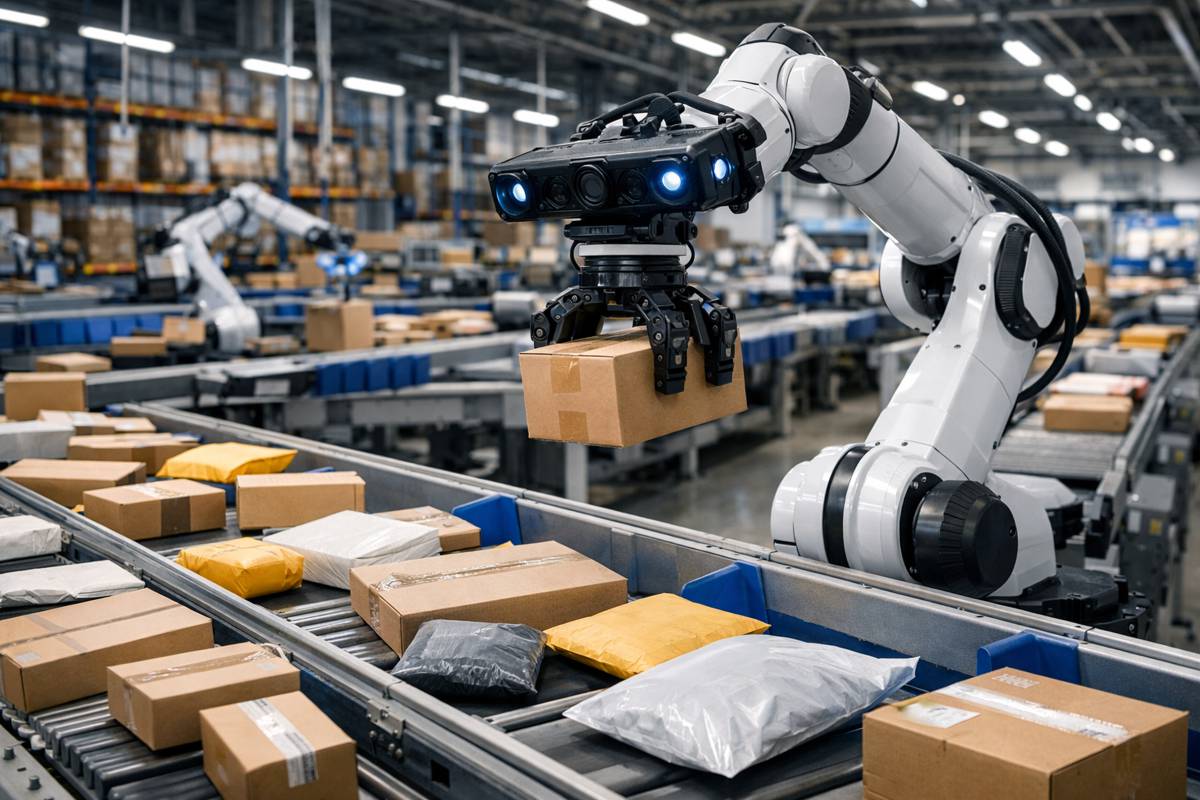
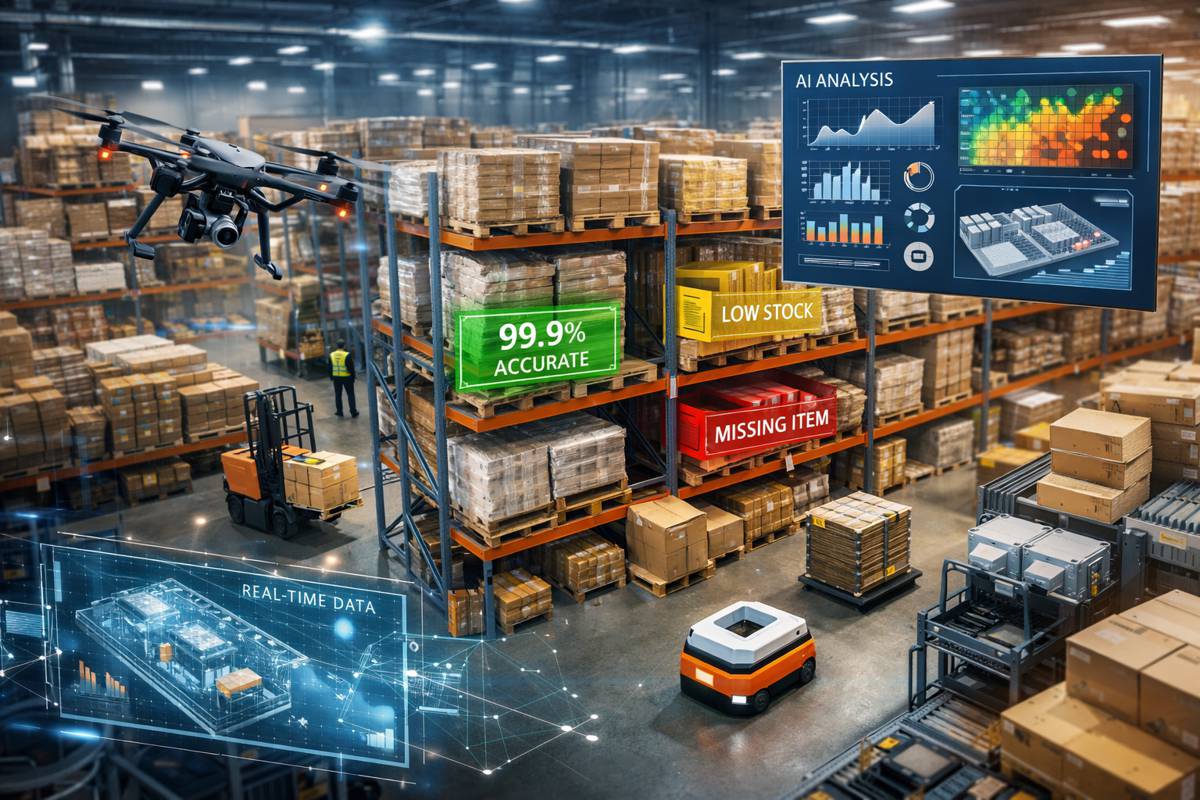
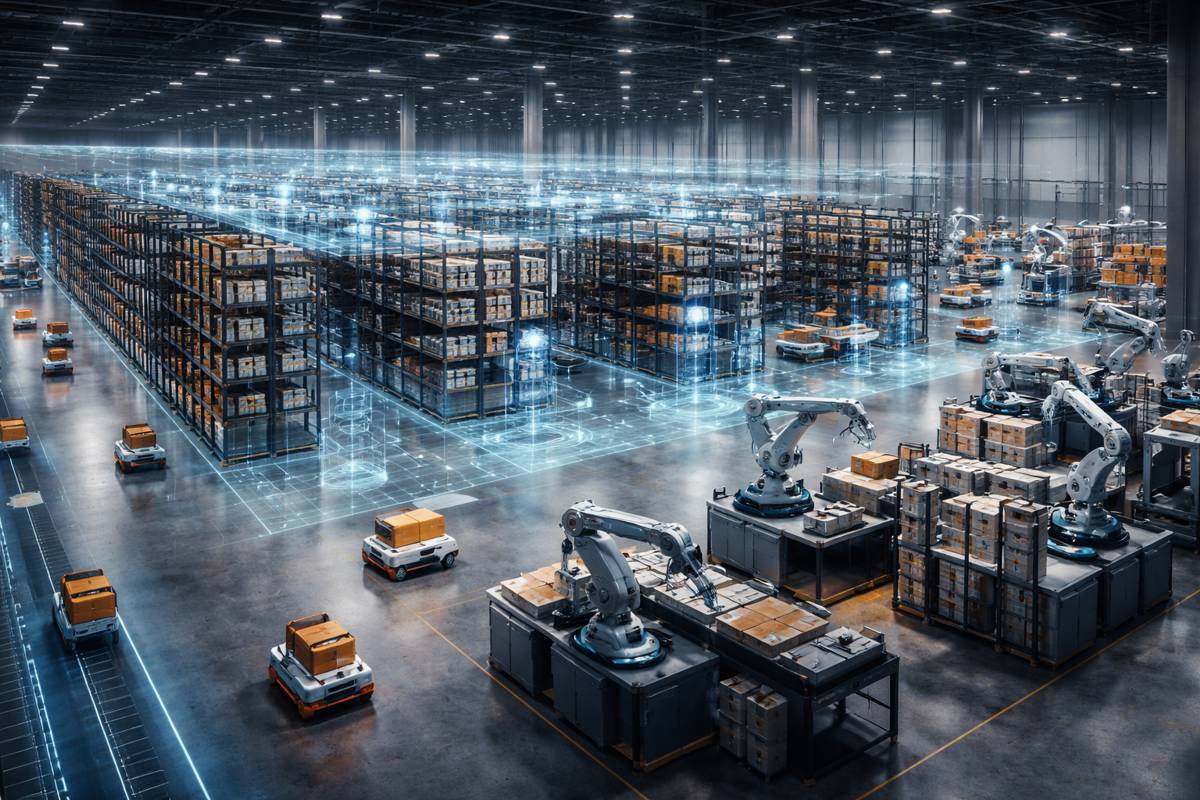
Logistics operations also present opportunities for automation. Warehouses increasingly rely on robotic systems to move goods and manage inventory, particularly as e-commerce drives higher volumes and faster fulfilment expectations.
By focusing on hazardous and physically demanding tasks, Noble Machines is targeting areas where automation can deliver clear safety and productivity benefits.
The Rise of General Purpose Robots
The concept of general-purpose robotics has gained considerable momentum in recent years. Companies across the technology sector are investing heavily in humanoid and multipurpose robotic platforms designed to perform a variety of tasks rather than specialising in a single function.
Major technology firms and robotics start-ups are exploring systems that combine advanced perception, dexterity and artificial intelligence. These machines are intended to operate in human environments without requiring specialised infrastructure.
For industries such as construction and infrastructure maintenance, this flexibility could be transformative. Instead of deploying separate machines for each operation, a single robotic platform could be trained to perform multiple tasks depending on project requirements.
Noble Machines’ focus on learning through language instructions and demonstrations aligns with this broader trend. By allowing robots to acquire new capabilities through software training rather than mechanical redesign, developers can extend their usefulness across a wider range of applications.
Engineering Talent From Leading Technology Institutions
Another notable aspect of the company is the technical background of its founding team. Engineers involved in the company’s development previously worked at organisations including Apple, SpaceX, NASA and the California Institute of Technology.
These institutions are known for pioneering work in robotics, aerospace systems and advanced computing. Bringing expertise from these fields into industrial automation reflects a broader convergence between aerospace engineering, artificial intelligence and manufacturing technology.
Such interdisciplinary knowledge is increasingly important in robotics development. Building machines capable of operating in complex environments requires expertise in mechanical engineering, computer vision, AI algorithms and control systems.
Start-ups drawing talent from aerospace and advanced technology sectors are helping accelerate innovation in industrial robotics, particularly as machine learning techniques evolve.
A New Era for Human Robot Collaboration
For Noble Machines, the long-term vision centres on collaboration between people and intelligent machines rather than the complete replacement of human labour.
Wei Ding, Co-founder and CEO of Noble Machines, outlined the company’s mission: “Noble Machines’ mission is to tackle all the hazardous, physically demanding industrial tasks that keep the world moving.
“Our customers are rethinking their operations in this new era enabled by AI and general-purpose robots that can collaborate with people.
“We are accelerating this transformation, making industries safer, more efficient, and more resilient.”
Human-robot collaboration is expected to play an increasingly important role in future industrial environments. Instead of isolating robots behind safety cages, newer systems are designed to operate alongside workers, assisting with lifting, handling materials or performing repetitive tasks.
This model allows companies to improve productivity while retaining human oversight and expertise.
Automation Moving From Concept to Industrial Reality
The emergence of Noble Machines highlights a broader shift in the robotics sector. For years, industrial automation has been dominated by highly specialised machines designed for repetitive manufacturing processes. Today, developers are pushing towards flexible systems capable of adapting to diverse industrial tasks.
If companies can successfully deliver reliable general-purpose robots, the implications could be significant for construction, logistics, energy and infrastructure sectors.
The challenge lies not only in technological capability but also in integration with existing industrial workflows. Robots must operate safely alongside workers, communicate with other systems and withstand harsh operating environments.
By focusing on real-world deployment and iterative development, Noble Machines is attempting to bridge the gap between laboratory innovation and operational technology.
Whether general-purpose robotics becomes a mainstream industrial tool remains to be seen. Yet as labour shortages intensify and safety requirements become more stringent, the incentive to automate hazardous work continues to grow.
If these technologies prove reliable at scale, robots may soon become a familiar presence on factory floors, construction sites and logistics hubs across the global infrastructure economy.