Serbia Accelerates Road Modernisation with European Investment
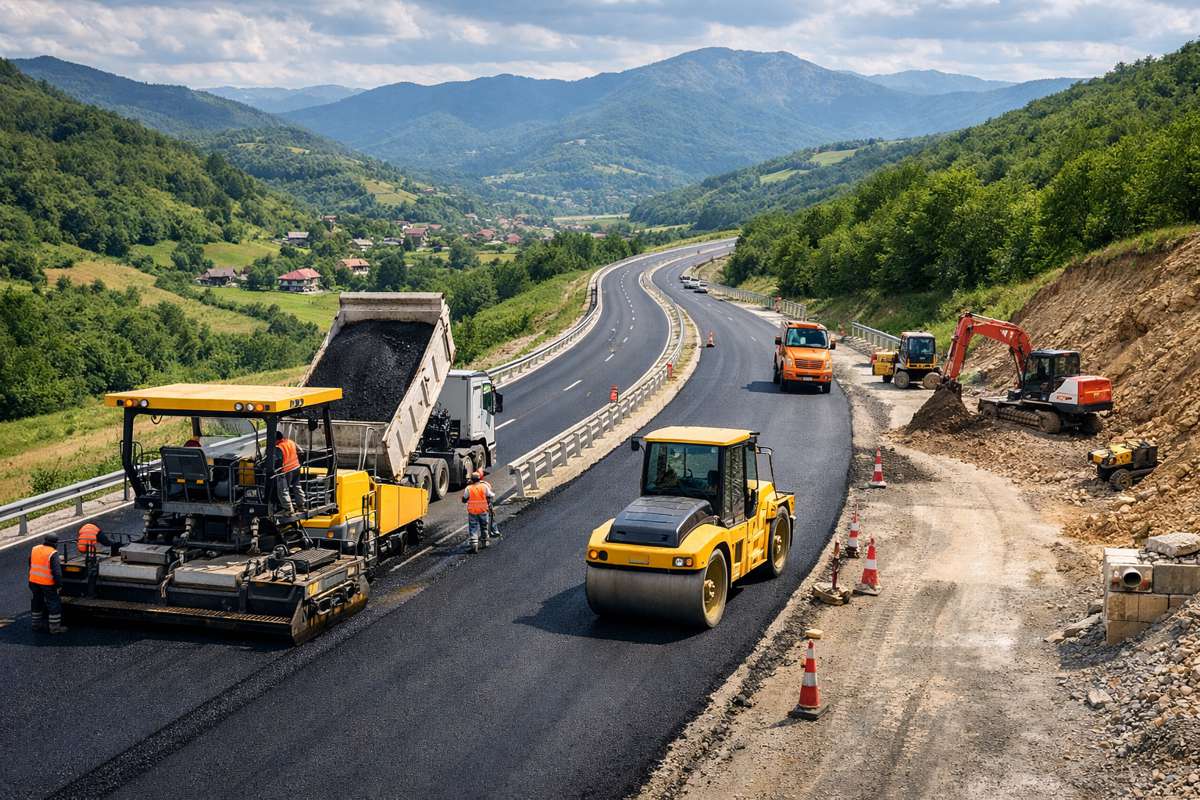
Serbia is preparing for a significant upgrade to its transport infrastructure following a €150 million loan from the European Investment Bank’s global development arm, EIB Global. The project finance will support the reconstruction and modernisation of approximately 540 kilometres of local and national roads, reinforcing the country’s role as a strategic transport gateway between Central Europe, the Balkans and the wider Eurasian corridor.
Road networks remain the backbone of economic activity across Southeast Europe, and Serbia sits at the crossroads of several critical regional transport routes. Key corridors linking Western Europe with Greece, Turkey and the Middle East pass through the country, meaning that the condition and efficiency of its road network directly influence trade flows across the region. Upgrading these routes therefore carries implications far beyond national borders.
The investment focuses on improving road quality, reducing travel times and enhancing safety standards. At the same time, the programme aims to increase climate resilience and reduce the environmental footprint of road transport infrastructure. By bringing large sections of the network closer to European Union technical and safety standards, Serbia is positioning itself for deeper integration with continental logistics systems and supply chains.
A Strategic Investment in Infrastructure Resilience
Across Europe, transport infrastructure faces mounting pressure from climate change, ageing assets and growing traffic volumes. Roads built decades ago are often ill-equipped to handle extreme weather, heavier freight vehicles and rising demand for mobility. Serbia’s modernisation programme therefore emphasises resilience as a core objective.
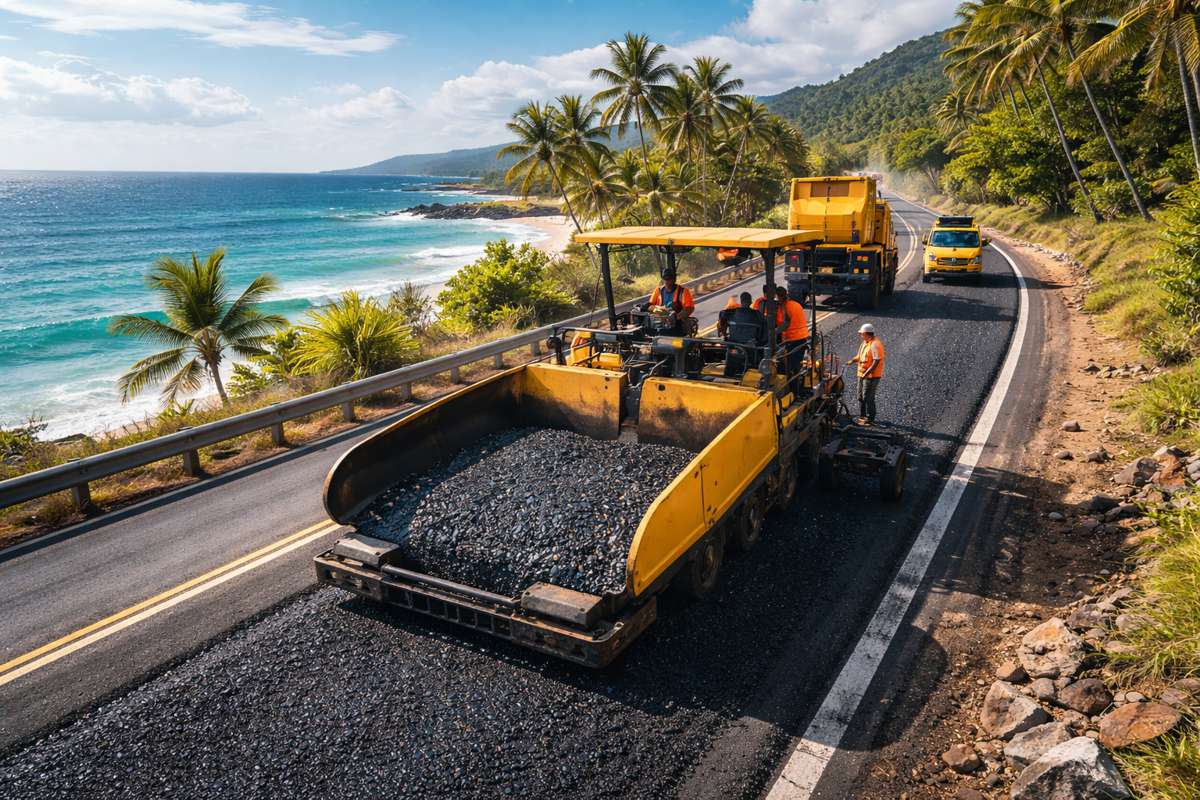
The reconstruction works will include improvements to drainage systems, road foundations and surface materials designed to better withstand flooding, heatwaves and other climate-related stresses. These upgrades are intended to extend the operational lifespan of road assets while reducing long-term maintenance costs.
The European Investment Bank has increasingly prioritised climate-resilient infrastructure in its financing programmes. The bank describes such investments as essential for protecting public assets and ensuring continuity in transport services. Serbia’s programme fits squarely within this strategy, combining rehabilitation with forward-looking engineering standards that anticipate future climate challenges.
Boosting Economic Growth Through Better Transport
Transport infrastructure is often described as the circulatory system of an economy. Efficient road networks allow goods to move quickly between manufacturers, ports and markets while enabling workers to access employment centres. For emerging European economies, road quality can be a decisive factor in attracting investment.
Damien Sorrell, Head of the Regional Hub for the Western Balkans at the European Investment Bank, highlighted the wider economic implications of the project: “The project supports smart, sustainable and safe transport, removes bottlenecks, and integrates Serbia’s network into regional and EU corridors. These improvements will boost socioeconomic development by increasing accessibility, facilitating trade, and supporting businesses nationwide.”
Better connectivity between cities, industrial zones and rural areas can stimulate development in regions that have historically struggled with limited infrastructure. Improved roads lower logistics costs, shorten delivery times and make it easier for businesses to reach customers. For Serbia, which has been positioning itself as a manufacturing and logistics hub in Southeast Europe, the benefits could be substantial.
Safety Improvements for Communities and Road Users
Road safety remains a major concern throughout the Western Balkans. While progress has been made in recent years, traffic accident rates in several countries still exceed the European Union average. Infrastructure design plays a significant role in reducing risks, particularly in areas where vehicles interact with pedestrians and cyclists.
The Serbian road modernisation programme includes a range of safety measures aimed at protecting vulnerable road users. These improvements will be particularly visible on local roads that pass through towns and villages where pedestrians, cyclists and vehicles frequently share limited space.
Planned upgrades include:
- New pedestrian crossings and safer road junction layouts
- Protective barriers in areas near schools and public facilities
- Improved road signage and visibility markings
- Construction of sidewalks along key sections
- Development of dedicated cycling lanes where appropriate
Such interventions may appear modest individually, but collectively they can significantly reduce accident risks. Studies conducted across Europe have shown that well-designed pedestrian crossings, traffic calming measures and dedicated cycling infrastructure can dramatically improve road safety outcomes.
Building on Previous Road Rehabilitation Success
The new programme builds on earlier transport investments supported by the European Investment Bank in Serbia. A previous initiative financed by EIB Global focused on road rehabilitation and safety improvements across the national network, modernising more than 900 kilometres of roads.
Those earlier upgrades provided valuable experience in managing large-scale rehabilitation programmes, including project planning, procurement and engineering design. The new investment therefore represents both a continuation and expansion of those efforts.
By targeting an additional 540 kilometres of roads, Serbian authorities aim to address remaining sections of the network that require urgent upgrades. The approach prioritises routes that carry significant traffic volumes or play key roles in connecting regional economic centres.
Government Strategy for Infrastructure Development
Serbia has been pursuing an ambitious infrastructure agenda in recent years, focusing on both road and rail networks. Major highway and expressway projects are underway across the country, designed to strengthen connections between the capital Belgrade and neighbouring countries.
The government views transport infrastructure as a cornerstone of economic development and regional competitiveness. According to Serbian officials, improved connectivity can stimulate investment, support industrial growth and encourage tourism.
Serbian First Deputy Prime Minister and Minister of Finance Siniša Mali emphasised the broader economic strategy behind the investment: “We continue to build and improve transportation infrastructure in the Republic of Serbia. In addition to highways and express roads, of which ten are currently under construction, we are also upgrading local road infrastructure, because we want to have safer and more modern roads in all parts of Serbia, in every town. The construction of transport infrastructure, roads and railways has a positive impact on economic activity, and through the efficient implementation of such projects, we are recording faster economic growth. In this way, we also attract new investors, create new industrial zones, and Serbia becomes an even more attractive investment destination.”
This combination of national investment and international financing reflects a broader trend across Southeast Europe, where governments are working with development banks to accelerate infrastructure modernisation.
European Union Support and Technical Expertise
The road rehabilitation programme is supported not only through financing but also through technical expertise and advisory services from European institutions. As part of the region’s Economic and Investment Plan, the project will receive a €1.4 million grant under the Economic Resilience Initiative.
This funding will support project preparation, implementation and technical studies that ensure the upgrades meet modern engineering standards. Such grants often play a crucial role in complex infrastructure projects by funding feasibility studies, environmental assessments and design work.
The project also benefits from advisory support through the JASPERS programme. JASPERS, which stands for Joint Assistance to Support Projects in European Regions, helps governments prepare high-quality infrastructure investments that meet EU standards.
In Serbia’s case, the programme conducted assessments of the national road network to determine which sections should be prioritised for upgrades. Particular attention was given to climate resilience, ensuring that the selected road segments are strengthened against extreme weather and environmental risks.
Aligning Infrastructure With European Standards
Although Serbia is not yet a member of the European Union, the country has been aligning its infrastructure policies with EU standards for several years. Modernising transport networks plays a key role in this process.
European road design standards emphasise safety, environmental protection and integration with multimodal transport systems. By adopting these standards, Serbia improves compatibility with neighbouring EU transport networks and facilitates smoother cross-border logistics.
EU Ambassador to Serbia Andreas von Beckerath underlined the broader regional significance of the investment: “This project provides a significant upgrade to Serbia’s national and local road infrastructure, with a strong focus on unlocking regional socioeconomic potential and addressing the needs of citizens and businesses. Supported by EU-funded technical assistance, it delivers safer, more resilient and smarter roads, aligned with European standards, benefiting communities and the economy across the country.”
Such alignment is particularly important as Serbia strengthens its role in regional transport corridors connecting Central Europe with the Balkans and beyond.
Supporting Regional Development and Tourism
While national highways often attract the most attention, local road networks play an equally important role in economic development. Rural communities depend on reliable roads for access to markets, healthcare, education and tourism opportunities.
Minister of Construction, Transport and Infrastructure Aleksandra Sofronijević highlighted the importance of rehabilitating local roads alongside major highway projects: “The actual need for the rehabilitation of state and local roads ranges from 500 to 1 000 km, and this project will help achieve that goal. A good road network is key to development, as it contributes to increased population mobility, higher employment, faster flows of goods and passengers, greater attractiveness for business investments, and stimulation of tourism development.”
Improved local infrastructure can transform regional economies. Better roads make it easier for small businesses to reach suppliers and customers, while tourists gain improved access to cultural sites, national parks and rural destinations.
In a country where tourism continues to expand, especially in areas rich in historical and natural attractions, these improvements may help spread economic benefits beyond major cities.
A Broader Shift Toward Sustainable Transport Infrastructure
Across Europe, infrastructure investments increasingly emphasise sustainability and long-term resilience. While road transport still dominates freight and passenger mobility, governments and development banks are pushing for smarter, greener infrastructure systems.
The Serbian road rehabilitation programme reflects this broader shift. Climate resilience measures, improved safety infrastructure and reduced travel times all contribute to lowering the environmental and social costs of transport.
By strengthening existing road assets rather than building entirely new networks, the programme also demonstrates the growing importance of rehabilitation and asset management in modern infrastructure planning. Maintaining and upgrading current infrastructure is often more cost-effective and environmentally responsible than large-scale new construction.
Strengthening the Foundations of Future Growth
For Serbia, the modernisation of more than 500 kilometres of roads represents more than a routine infrastructure upgrade. It forms part of a wider strategy to strengthen the country’s economic foundations and deepen its integration with European transport systems.
Reliable roads improve daily life for citizens, reduce operational costs for businesses and enhance the country’s attractiveness to investors. When combined with broader infrastructure investments in highways, railways and logistics facilities, the improvements help position Serbia as a key regional transport hub.
As construction work progresses over the coming years, the impact of these upgrades will likely extend far beyond smoother journeys. In many respects, the project underscores a simple truth often overlooked in infrastructure debates. Well-designed roads quietly shape economic opportunity, regional development and social mobility for decades to come.