Smart Textiles Could Transform Health and Safety
Across the global construction sector, safety equipment has long been defined by helmets, boots, high visibility jackets and gloves. Yet a new wave of research suggests the next generation of personal protective equipment could look very different. Instead of simply protecting workers from hazards, clothing itself may soon become an active monitoring system capable of detecting health risks, environmental threats and physical strain in real time.
Researchers from the University of Georgia are exploring the potential of so called smart textiles, fabrics embedded with advanced sensing materials that can monitor body functions and environmental conditions. Their research project focuses on a promising class of materials known as MXenes, which could allow clothing to track vital signs, generate energy and even resist bacterial contamination.
For industries where worker safety, fatigue and environmental exposure are constant concerns, including construction, mining and infrastructure development, these developments could represent a significant shift in how safety is managed on site. If successfully commercialised, smart PPE could connect workers, supervisors and digital safety systems in ways that conventional protective gear simply cannot.
The Rise of Smart Textiles in Industrial Safety
Smart textiles have been an emerging area of research for more than a decade, but recent advances in materials science are pushing the technology closer to practical applications. Unlike traditional wearable devices such as smartwatches, which are attached to the body as external gadgets, smart textiles integrate sensors directly into fabrics.
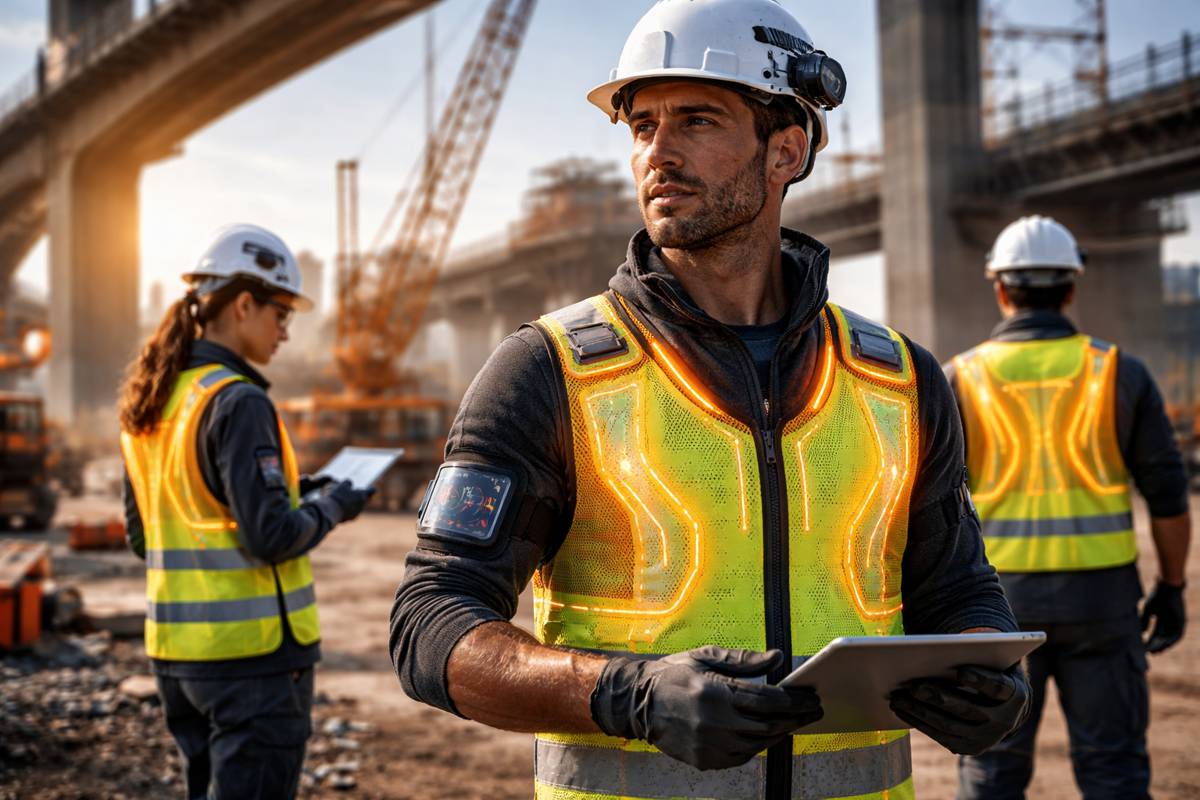
This integration means the technology can be worn naturally as part of everyday clothing. Workers could potentially wear safety vests, jackets or underlayers that continuously monitor physiological conditions while remaining lightweight and flexible enough for demanding physical tasks.
Researchers describe smart textiles as fabrics capable of sensing body temperature, movement and vital signs while transmitting that data to monitoring systems. These textiles may also incorporate energy harvesting components, allowing them to power sensors without relying on bulky batteries.
The concept is attracting growing interest from industries where workforce health monitoring is critical. Construction projects, for example, involve physically demanding tasks performed in unpredictable environments where fatigue, dehydration and heat stress can quickly escalate into safety incidents.
According to the International Labour Organization, construction accounts for roughly 20 percent of global workplace fatalities, despite representing only about 6 percent of the workforce. Technologies that help detect early warning signs of health risks could therefore play a meaningful role in reducing accidents and improving safety outcomes.
MXenes Offer New Possibilities for Wearable Technology
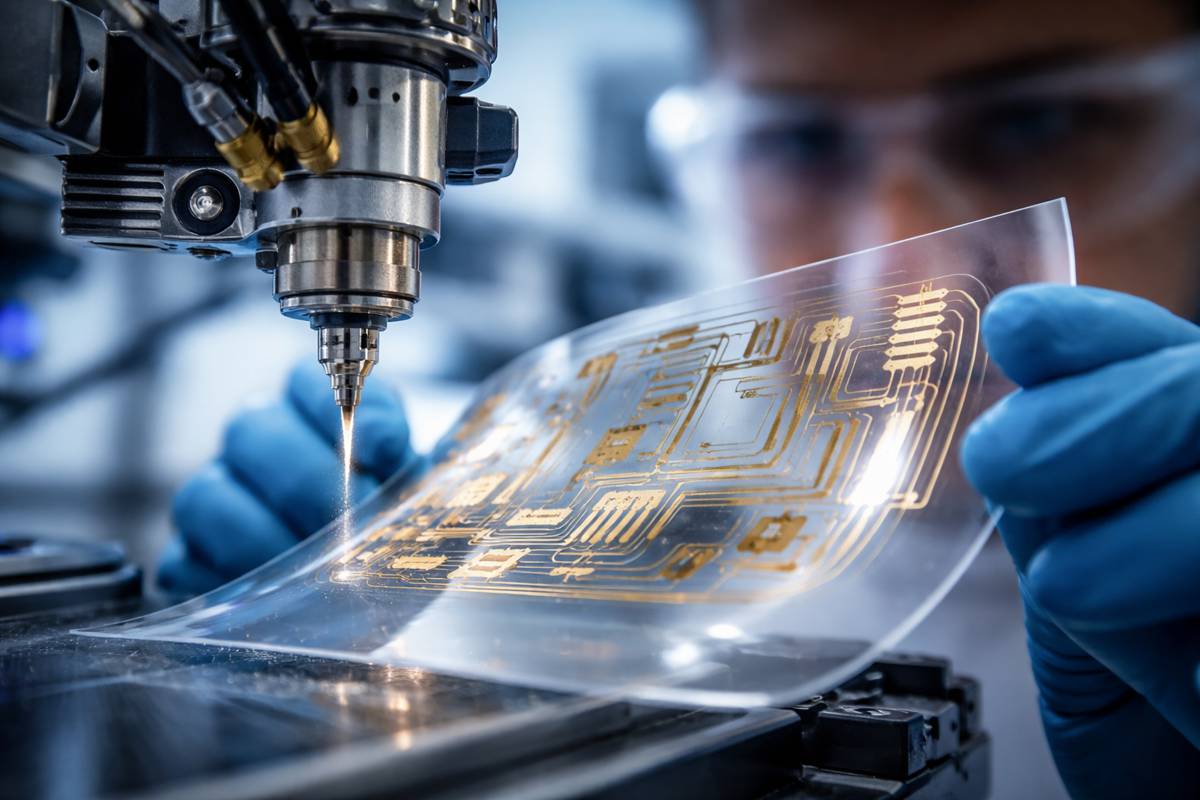
The University of Georgia research focuses on MXenes, a relatively new class of two dimensional materials made from metal based compounds. These microscopic materials can be applied to fabrics through coating or printing techniques, allowing textiles to gain advanced electronic and sensing capabilities.
The research review examined hundreds of previously published studies investigating the potential of MXenes in wearable technology. Among their most notable characteristics are their high electrical conductivity, flexibility and compatibility with textile manufacturing processes.
These properties make them particularly well suited to sensing technologies. MXene coated fabrics can detect changes in body temperature, heart rate and blood pressure, providing a continuous stream of physiological data without the need for rigid electronic components.
For construction workers operating in demanding environments, such monitoring could offer early warnings of fatigue, overheating or cardiovascular strain. Supervisors or safety systems could receive alerts if a worker’s vital signs indicate potential distress.
The potential benefits extend beyond individual workers. When connected to digital safety platforms or site management software, smart PPE could contribute to broader workforce health analytics, helping companies identify patterns in fatigue, workload or environmental stress across large construction projects.
Smart PPE and the Connected Construction Site
The construction industry is already undergoing a digital transformation driven by technologies such as Building Information Modelling, site sensors and connected equipment. Smart textiles could become another layer of data in this expanding digital ecosystem.
On major infrastructure projects, thousands of workers often operate simultaneously across complex and hazardous environments. Monitoring worker safety at scale is challenging, particularly when supervisors must rely on visual observation and periodic safety checks.
Smart garments could potentially provide continuous data streams, feeding into central safety platforms or digital twins of construction sites. This would allow project managers to monitor worker wellbeing in real time and respond quickly to emerging risks.
For example, smart PPE might detect excessive heart rates during strenuous work, prolonged exposure to high temperatures or abnormal body movements indicating a fall or injury. Alerts could be transmitted instantly to safety managers or emergency teams.
Beyond safety, such systems could also support productivity and workforce management. Monitoring physical workload and fatigue levels may help project planners optimise shift patterns, reduce overexertion and maintain consistent productivity across large teams.
This approach aligns with broader trends in connected construction technology, where wearable devices, GPS tracking and environmental sensors are increasingly used to improve operational efficiency and safety performance.
Antimicrobial Fabrics and Hygiene on Worksites
Another important feature of MXene based textiles is their antimicrobial properties. According to the researchers, fabrics coated with these materials may inhibit bacterial growth, which has important implications not only for healthcare but also for industrial work environments.
Although antimicrobial fabrics are often associated with hospitals, construction environments can also benefit from improved hygiene. Workers frequently operate in dusty, muddy or contaminated conditions where clothing may be exposed to bacteria and pollutants.
Protective garments that resist microbial growth could improve hygiene and reduce the risk of skin infections or contamination. This may be particularly valuable in sectors such as tunnelling, wastewater infrastructure projects or demolition sites where biological hazards can be present.
Additionally, antimicrobial PPE could help extend the lifespan of workwear by reducing odour and degradation caused by bacteria. For companies managing large workforces, longer lasting garments may also reduce replacement costs and maintenance requirements.
Solar Powered Clothing and Energy Harvesting
One of the more intriguing aspects of MXene based textiles lies in their ability to harvest and store energy. According to the researchers, smart fabrics could incorporate thin solar energy layers capable of powering embedded electronics.
This capability could eliminate the need for traditional batteries in wearable sensors. Instead, clothing itself could function as a small energy generator and storage system, powering health monitoring devices or communication tools.
For construction workers operating in remote or large scale infrastructure projects, energy harvesting clothing could provide practical advantages. Devices such as communication systems, environmental sensors or wearable displays could draw power directly from integrated fabrics.
The researchers suggest that future developments may allow garments to function as flexible power banks capable of charging personal electronics. While that concept remains experimental, it illustrates the potential versatility of energy generating textiles.
In industries where workers often rely on multiple electronic tools and safety devices, integrating energy systems directly into clothing could simplify equipment management and reduce reliance on external power sources.
Durability Challenges and the Path to Commercialisation
Despite their promise, MXene based textiles still face several technical hurdles before they can be widely adopted in industrial environments. One of the main challenges identified in the research review relates to material durability.
MXenes are vulnerable to degradation when exposed to oxygen or moisture. Over time, these conditions can reduce their effectiveness, particularly when fabrics are washed repeatedly or exposed to harsh environmental conditions.
Construction PPE must endure demanding use. Garments are subjected to abrasion, dirt, water and frequent washing cycles. Any smart textile technology intended for this sector will therefore need to demonstrate exceptional durability.
The research team is working on solutions to improve material stability and sustainability. Ghosh emphasised the importance of addressing both challenges as the technology evolves.
Another issue involves the manufacturing process itself. MXenes are currently produced through energy intensive methods involving metal based compounds. Researchers are exploring ways to create biodegradable or more environmentally sustainable alternatives.
If these challenges can be addressed, smart textiles could become viable for large scale industrial use.
A New Era for Protective Equipment
The development of smart textiles reflects a broader shift in how safety technologies are evolving across heavy industries. Personal protective equipment is no longer seen solely as passive protection. Instead, it is increasingly viewed as a platform for data, connectivity and intelligent monitoring.
Construction companies are already adopting wearable sensors, connected helmets and location tracking systems to improve worker safety. Integrating these capabilities directly into clothing would represent the next logical step.
Smart PPE could transform safety management by moving from reactive responses to proactive prevention. Instead of investigating incidents after they occur, construction teams could detect warning signs before accidents happen.
From heat stress monitoring on highway projects to fatigue detection on major infrastructure sites, the applications are extensive. As digital technologies continue to reshape construction, smart textiles may soon join the growing toolkit of connected safety solutions.
For now, the technology remains in the research phase. Yet the work being undertaken by materials scientists and engineers suggests that the clothing worn on construction sites could soon play a far more active role in protecting the workforce.
If that future arrives, the humble safety vest may evolve into something far more sophisticated, a connected garment capable of safeguarding workers while feeding valuable insights into the digital infrastructure of modern construction.