Tadano Strengthens Crane Support Network Across the United States
The cranes that shape modern skylines, assemble bridges, and lift the heavy components of power plants rarely receive the spotlight. Yet behind every successful lift lies a critical support network of technicians, parts suppliers, and distributors working quietly to keep machines running. Recognising the growing importance of that support ecosystem, Tadano America Corporation has expanded its distributor network across several key U.S. regions.
The move targets three strategically important markets. Enhanced coverage in Maryland and Delaware, new distribution capabilities in Nebraska, and broader support across Texas aim to improve equipment availability, shorten parts delivery times and strengthen service support for crane operators. While on the surface the announcement centres on dealership appointments, its implications run deeper. In an industry where downtime can halt multi-million-dollar infrastructure projects, responsive local support can be just as valuable as the machines themselves.
The timing also reflects broader trends in the lifting sector. Demand for cranes in North America has remained strong, driven by major infrastructure programmes, expanding energy projects, and large-scale industrial developments. In that environment, equipment manufacturers are increasingly judged not only on engineering capability but on how effectively they support fleets throughout their operational lifecycle.
The Importance of Distributor Networks in Heavy Equipment
Unlike consumer goods, cranes and other heavy construction machines rely on close, long-term relationships between manufacturers, distributors and contractors. These machines operate in harsh conditions, often on remote construction sites where mechanical failures can cause immediate delays to complex projects.
A well-structured distributor network helps bridge the gap between manufacturer expertise and field operations. Local distributors provide critical services including:
- Equipment sales and fleet planning
- Spare parts supply and logistics
- Preventive maintenance and emergency repairs
- Technical training and operational support
- Rental and fleet expansion services
Industry research from organisations such as the Association of Equipment Manufacturers highlights how after-sales service increasingly drives equipment purchasing decisions. Contractors frequently prioritise brands that offer reliable service coverage, especially in sectors such as energy infrastructure, heavy civil engineering and industrial construction where crane utilisation rates are extremely high.
Against that backdrop, strengthening regional distribution networks is not simply a logistical adjustment. It forms part of a wider strategy to maintain fleet uptime and reinforce long-term customer relationships.
Strengthening Crane Support in Maryland and Delaware
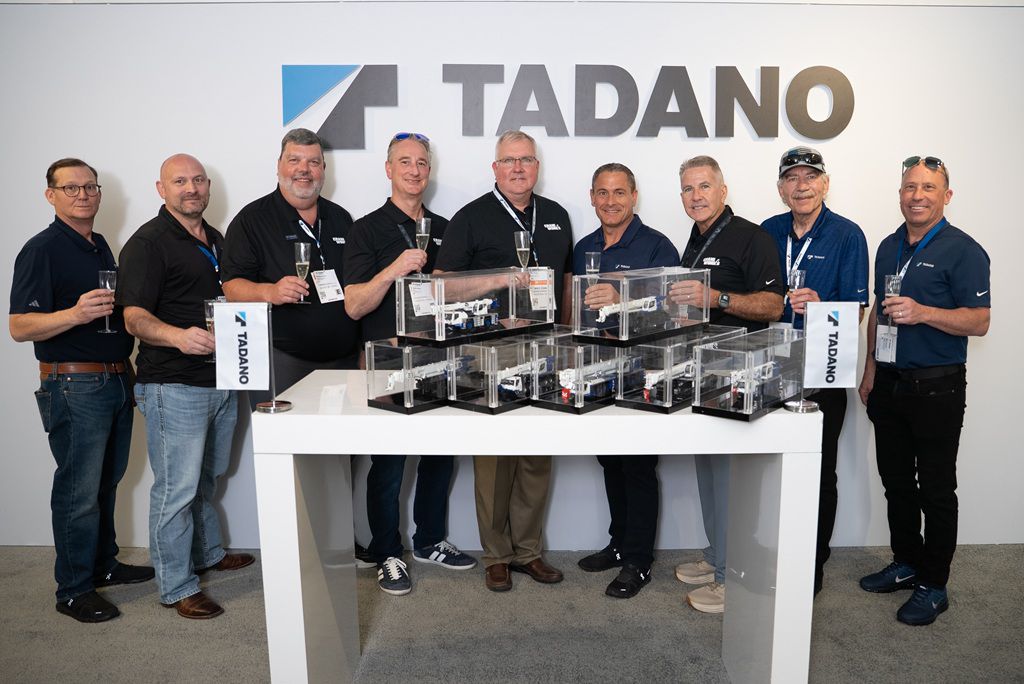
The first major development centres on the Mid-Atlantic region, where Select Crane Sales has expanded its role as a full service distributor for Tadano equipment in Maryland and Delaware.
Select Crane Sales already maintains a longstanding partnership with Tadano, and its expanded responsibilities now include full sales, parts and service support across the region. The company will provide customers with access to Tadano’s complete lifting portfolio, ranging from rough terrain cranes to truck mounted lifting solutions.
The practical benefits for contractors are straightforward but significant. Greater equipment inventory within the region means customers can source machines more quickly when projects require additional lifting capacity. At the same time, local parts availability allows maintenance teams to resolve technical issues faster, reducing downtime for cranes operating on active construction sites.
Factory-trained technicians will also play an important role. Modern cranes are increasingly sophisticated machines equipped with advanced electronic control systems, load monitoring technologies and digital diagnostics. Servicing them requires specialised training, which manufacturers often provide directly to authorised distributors. By expanding Select Crane Sales’ capabilities, Tadano aims to ensure Mid-Atlantic contractors can access that expertise without lengthy delays.
New Territory Coverage Brings Dedicated Support to Nebraska
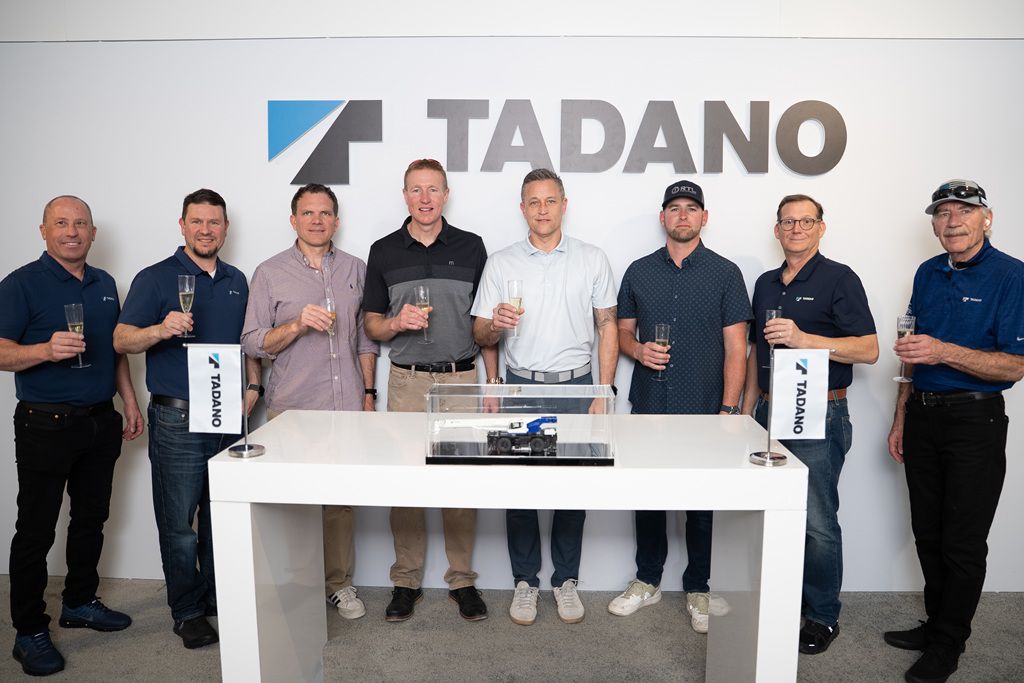
Further west, Tadano has strengthened its presence in the American Midwest through an expanded partnership with RTL Equipment. The company has extended its distribution territory to include Nebraska, bringing dedicated local support to crane operators in the state.
RTL Equipment already serves contractors across Iowa, Minnesota and the Dakotas. By adding Nebraska to its coverage area, the distributor creates a more cohesive regional service network. A new facility near Omaha will act as a central hub for equipment deliveries, spare parts logistics and maintenance services.
For contractors working in the Midwest, geographic distance has traditionally posed challenges for equipment support. Construction sites can be spread across vast rural areas, particularly in sectors such as wind energy development, pipeline construction and agricultural infrastructure. The presence of a local service centre significantly improves response times when technical assistance is required.
This regional strengthening also reflects broader investment trends. Nebraska and neighbouring states have seen growing activity in renewable energy infrastructure, particularly wind farms across the Great Plains. Large wind turbine components often require specialised lifting equipment, including telescopic boom crawler cranes capable of assembling towers that can exceed 100 metres in height.
With a stronger distribution presence in the region, Tadano aims to position its crane portfolio closer to those emerging project pipelines.
Expanding Coverage in the Largest U.S. Crane Market
Perhaps the most strategically significant development lies in Texas, widely recognised as the largest crane market in the United States. The scale of construction activity in the state spans oil and gas infrastructure, petrochemical facilities, large transportation projects and rapidly expanding urban development.
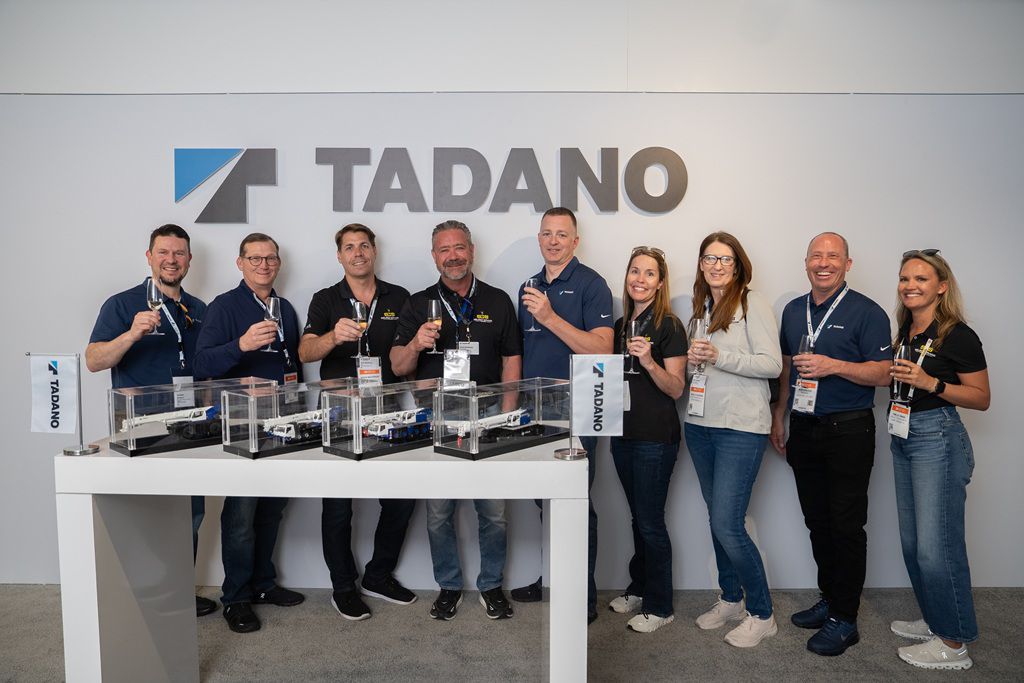
To reinforce its position in this market, Tadano has expanded its Texas distributor network by adding CraneWorks in Houston as a full-line distributor. The company will work alongside the long-established distributor Scott-Macon Equipment.
Scott-Macon has maintained a strong presence in the Texas lifting market for decades, building relationships with contractors and crane owners across the state. By complementing that network with CraneWorks Houston, Tadano aims to extend its service reach and increase equipment availability.
The collaborative model effectively doubles the distribution strength available to customers. Contractors gain access to a broader pool of technical personnel, expanded parts inventories and additional equipment resources. For crane operators managing large fleets, such redundancy in support infrastructure can make a considerable difference when responding to tight project schedules.
Texas also plays an outsized role in the North American energy sector. Large petrochemical facilities along the Gulf Coast frequently require complex lifting operations involving heavy industrial modules, reactors and refinery components. These tasks rely on specialised cranes and precise operational planning. Having reliable service partners close to project sites helps ensure those lifts proceed safely and on schedule.
The Role of Tadano in the Global Crane Industry
Founded in Japan in 1948, Tadano Ltd. has grown into one of the world’s leading manufacturers of mobile lifting equipment. The company produces a wide range of cranes including rough terrain models, all terrain cranes, telescopic boom crawlers and truck mounted units.
The firm has also expanded through strategic acquisitions, including the integration of the former Demag mobile crane business, which strengthened Tadano’s presence in the global all-terrain crane segment. Today its equipment is used across construction, infrastructure development, energy projects and industrial manufacturing.
The United States represents one of Tadano’s most important markets. Major federal initiatives such as the Infrastructure Investment and Jobs Act are expected to generate hundreds of billions of dollars in spending on roads, bridges, ports and energy infrastructure over the coming decade. Large construction programmes inevitably translate into increased demand for lifting equipment.
However, the cranes themselves are only part of the equation. Maintaining high utilisation rates requires efficient service networks capable of supporting machines throughout their lifecycle. That reality is increasingly shaping how manufacturers approach regional distribution strategies.
Supporting Contractors Facing Complex Infrastructure Projects
Modern construction projects are becoming larger and more technically demanding. Bridge replacements often involve lifting massive prefabricated segments. Offshore wind farms require complex assembly procedures. Urban megaprojects rely on tightly coordinated crane operations within confined city environments.
In such conditions, downtime can quickly escalate into project delays and financial penalties. A crane awaiting spare parts or specialist service support can hold up entire construction schedules.
By expanding its distributor network, Tadano is effectively investing in the operational resilience of its customers. Faster access to equipment allows contractors to scale fleets when projects intensify. Improved parts logistics shorten maintenance cycles. And local service teams provide technical assistance when machines encounter unexpected challenges.
For construction firms navigating tight margins and complex schedules, these practical advantages can significantly influence equipment selection decisions.
Strengthening Partnerships for Long Term Fleet Performance
The expansion of Tadano’s U.S. distributor network reflects a broader shift within the heavy equipment industry. Manufacturers increasingly recognise that long-term customer relationships depend on comprehensive support infrastructure rather than product sales alone.
Reliable equipment performance requires a partnership between manufacturers, distributors and contractors. Each plays a role in ensuring cranes operate safely, efficiently and productively over many years of service.
By reinforcing its regional distribution capabilities in Maryland, Delaware, Nebraska and Texas, Tadano is strengthening that partnership framework. The strategy positions local service teams closer to crane fleets while expanding access to equipment inventory and technical expertise.
In an industry where every lift carries operational risk and significant financial stakes, that kind of support network is often the difference between projects that stall and those that move ahead smoothly.