Building Trust Across the Internet Of Vehicles
Connected vehicles are rapidly transforming how transport systems operate. Modern cars, trucks and buses now collect and transmit an extraordinary range of information, from speed and braking patterns to engine diagnostics, route choices and travel times. In theory, this stream of real time data promises safer roads, more efficient logistics, smarter public transport networks and more accurate insurance pricing.
Yet the promise of data driven mobility comes with a problem that the transport industry is only beginning to confront. Data is useful only when it can be trusted. Without verification and governance, vehicle data risks becoming fragmented, unreliable or even manipulated. For infrastructure planners, fleet managers and transport authorities, the consequences can be significant. Decisions based on flawed data can undermine safety strategies, distort policy planning and weaken confidence in intelligent transport systems.
Research led by Professor Chen Shi-Huang tackles this challenge from an unusual perspective. Instead of focusing on a new sensor or communication standard, his work addresses the deeper question of how society can ensure the integrity of the vehicle data already being generated every second on the world’s roads.
His approach reframes connected vehicle data as something closer to a shared public record. Like a collective diary of mobility, the value of the information depends on whether each entry is accurate, verifiable and protected from tampering. That shift in thinking highlights a fundamental issue at the heart of digital transport infrastructure. Data is not merely a technical asset. It is a foundation of trust.
The Rise of the Internet of Vehicles
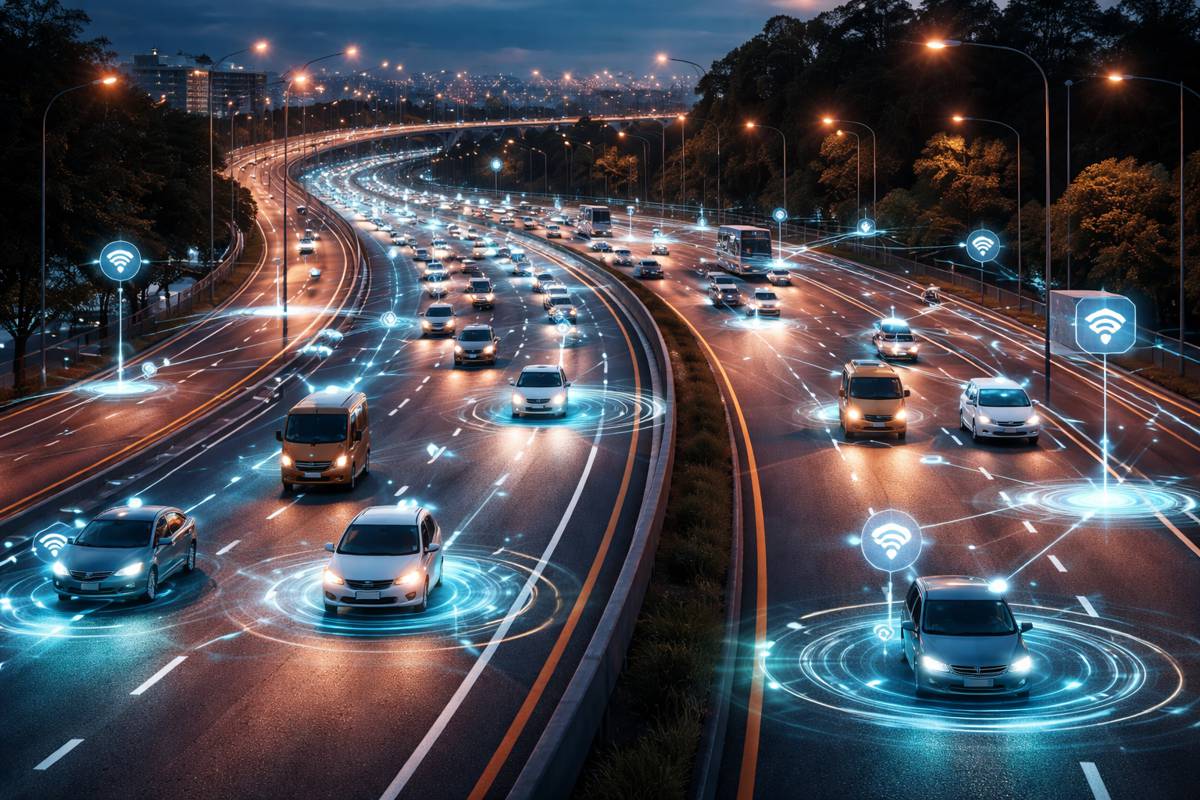
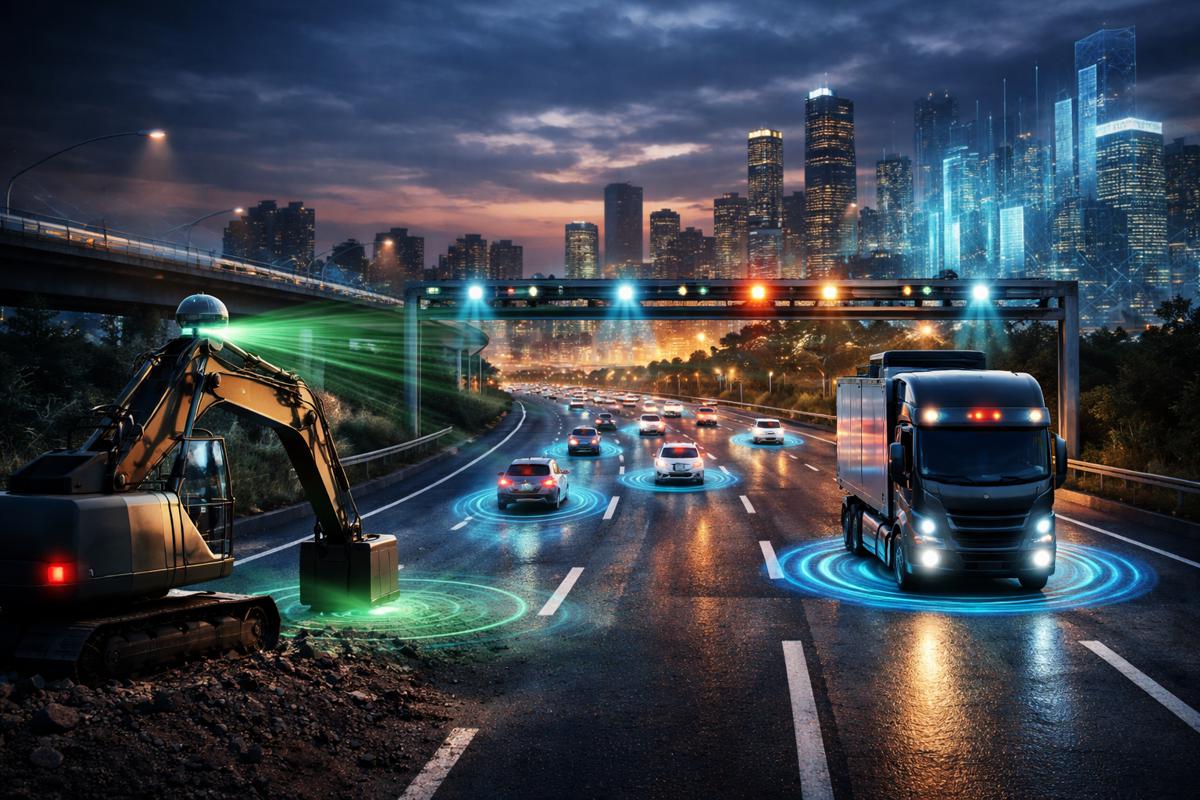
The emergence of connected mobility is closely tied to the development of the Internet of Vehicles, often referred to as IoV. This concept expands on the broader Internet of Things by linking vehicles, roadside infrastructure, cloud platforms and mobile networks into a single digital ecosystem.
Vehicles equipped with telematics systems and on board diagnostics continuously monitor operational conditions. At the same time, vehicle to infrastructure and vehicle to vehicle communications enable real time exchanges of traffic and safety information. According to industry research from organisations such as the International Transport Forum and the European Commission, connected vehicle technology is expected to play a central role in reducing congestion, improving road safety and supporting the transition toward automated transport.
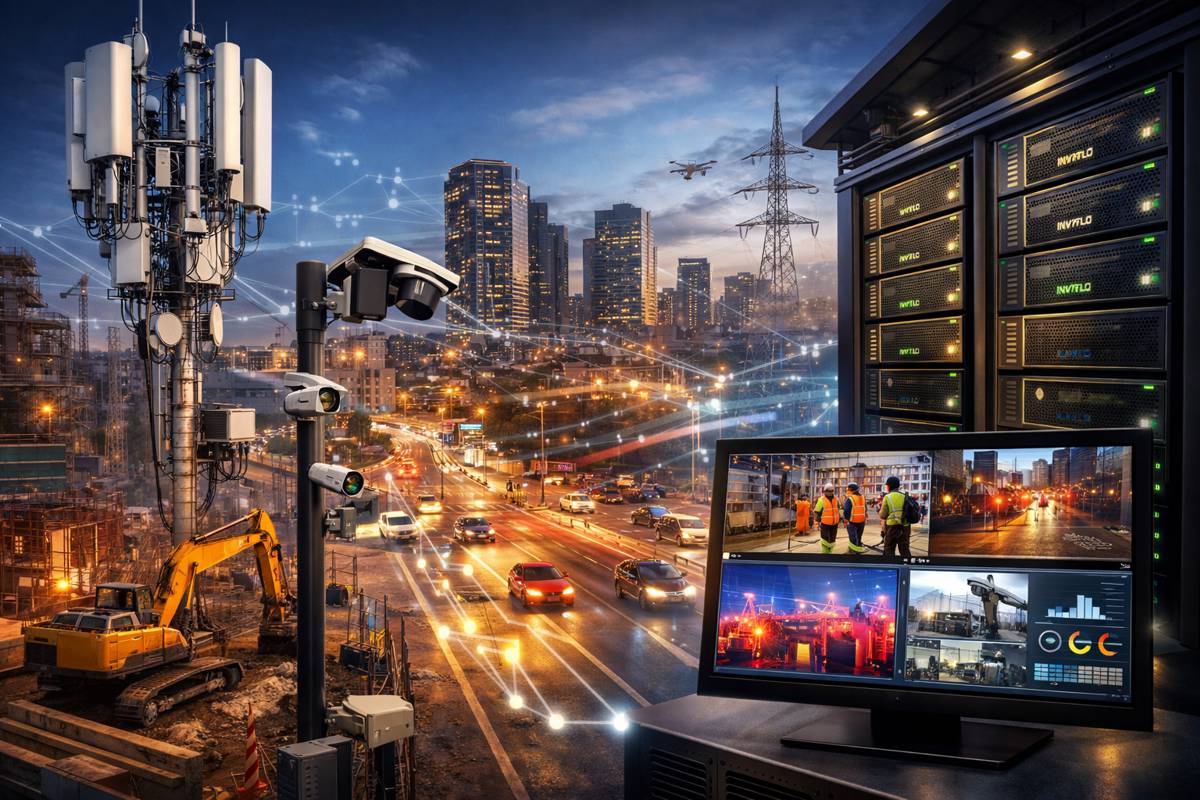
In practice, however, the ecosystem is complex. Vehicle data originates from multiple manufacturers, software systems and network platforms. It passes through different service providers before reaching the agencies or companies that use it for analysis. Each stage introduces the possibility of inconsistency, error or even deliberate manipulation.
For transport authorities attempting to analyse road safety trends or for logistics operators managing thousands of vehicles, uncertainty about the reliability of data can limit its practical value. Professor Chen’s work addresses this challenge by exploring how verification mechanisms can be integrated directly into vehicle data systems.
A Shared Diary of Mobility
Professor Chen describes connected vehicle records as a “shared diary” of mobility. The metaphor is a useful one. Every journey adds a new entry to a collective dataset describing how vehicles move, how drivers behave and how infrastructure performs.
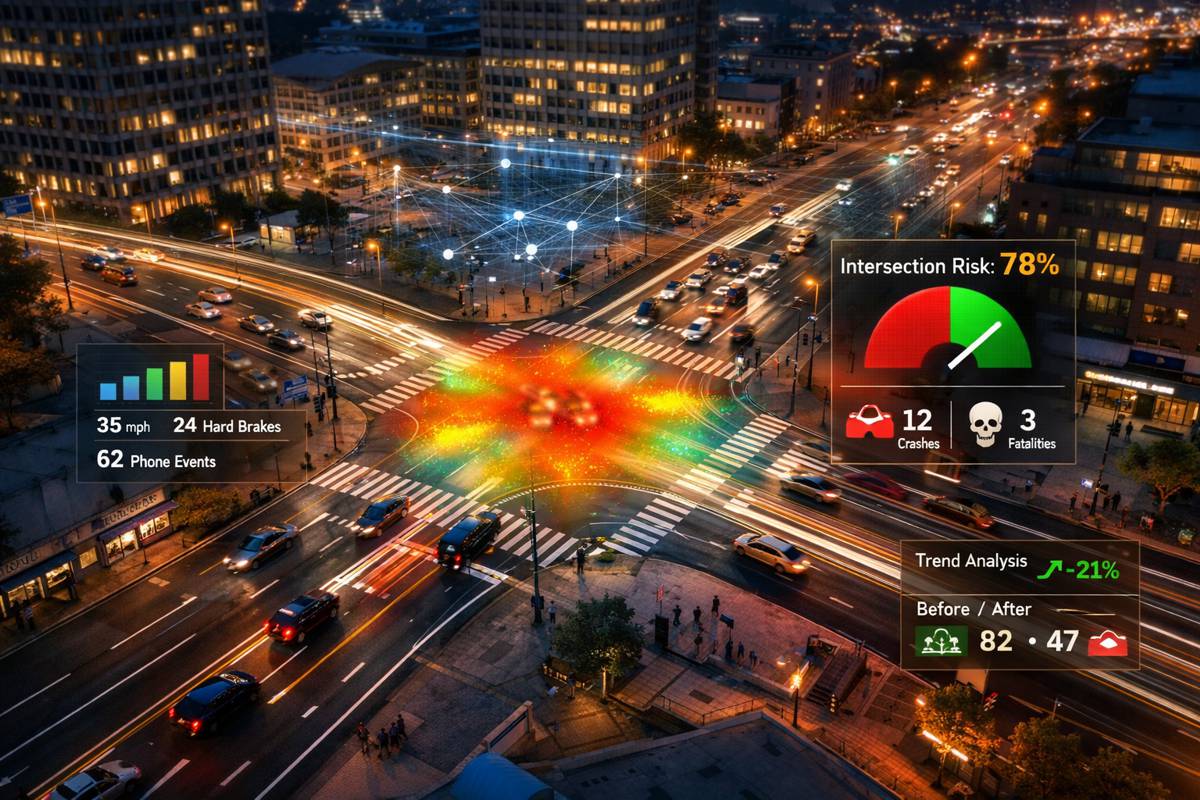
When this diary is reliable, it can provide powerful insights. Transport planners can identify hazardous road sections by analysing braking patterns and collision risks. Public transport operators can optimise routes and schedules using real time travel data. Fleet managers can monitor vehicle performance and driver behaviour to improve efficiency and safety.
However, if entries are incomplete or inaccurate, the entire record becomes less useful. A single corrupted dataset can distort analysis across an entire transport network. This is particularly important as cities increasingly rely on digital platforms to guide traffic management, infrastructure maintenance and environmental policy.
Professor Chen’s research proposes systems that embed validation mechanisms within the data collection process itself. Rather than assuming that every data point is accurate, the system evaluates the credibility of records before they are accepted into the shared dataset.
Detecting Errors Before They Spread
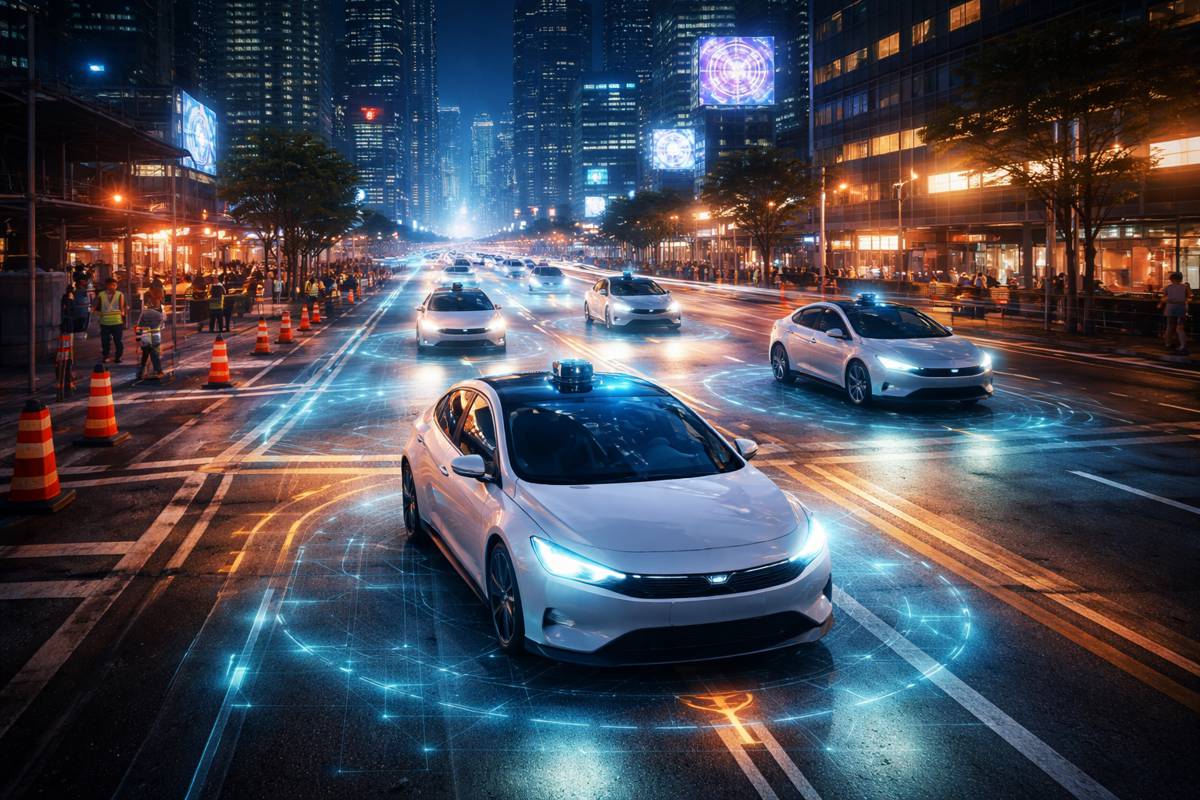
One of the central ideas behind the research is the use of artificial intelligence to detect abnormal or suspicious driving records. Machine learning models can analyse patterns in vehicle behaviour and identify data that deviates significantly from expected norms.
For instance, if a vehicle suddenly reports impossible speed changes or inconsistent sensor readings, the system can flag the record as unreliable. Instead of entering the shared data pool automatically, questionable entries are either corrected or isolated for further review.
This approach reflects a broader trend in intelligent transport systems. As data volumes grow, manual verification becomes impractical. Automated systems capable of identifying anomalies in real time are becoming essential for maintaining reliable transport datasets.
In fleet management and insurance applications, similar technologies are already used to analyse driver behaviour. Research published in transportation journals has shown that machine learning algorithms can identify aggressive driving patterns, fatigue related risks and mechanical anomalies using telematics data. Integrating such capabilities into broader vehicle data platforms helps ensure that unreliable records are filtered out before they influence operational decisions.
Blockchain as a Trust Mechanism
Another aspect of Professor Chen’s work involves the use of blockchain technology as a tamper resistant record system for mobility data. While blockchain is widely associated with digital currencies, its underlying principle is simple. Information stored on a distributed ledger cannot easily be altered without leaving a trace.
In the context of connected vehicles, blockchain can serve as a secure archive of verified data records. Once a driving record has passed validation checks, it can be stored in a distributed ledger where any subsequent modification would be immediately visible to network participants.
This creates a transparent system in which transport authorities, fleet operators and service providers share a common source of verified information. Instead of relying on isolated databases controlled by individual organisations, stakeholders can access a shared dataset whose integrity is protected by cryptographic verification.
The concept has attracted growing interest within the transport sector. Several pilot projects in Europe and Asia have explored blockchain based platforms for vehicle identity management, charging infrastructure transactions and logistics tracking. Although large scale deployment remains limited, the technology offers a potential framework for maintaining trustworthy mobility data in increasingly complex transport networks.
Practical Implications for Transport Systems
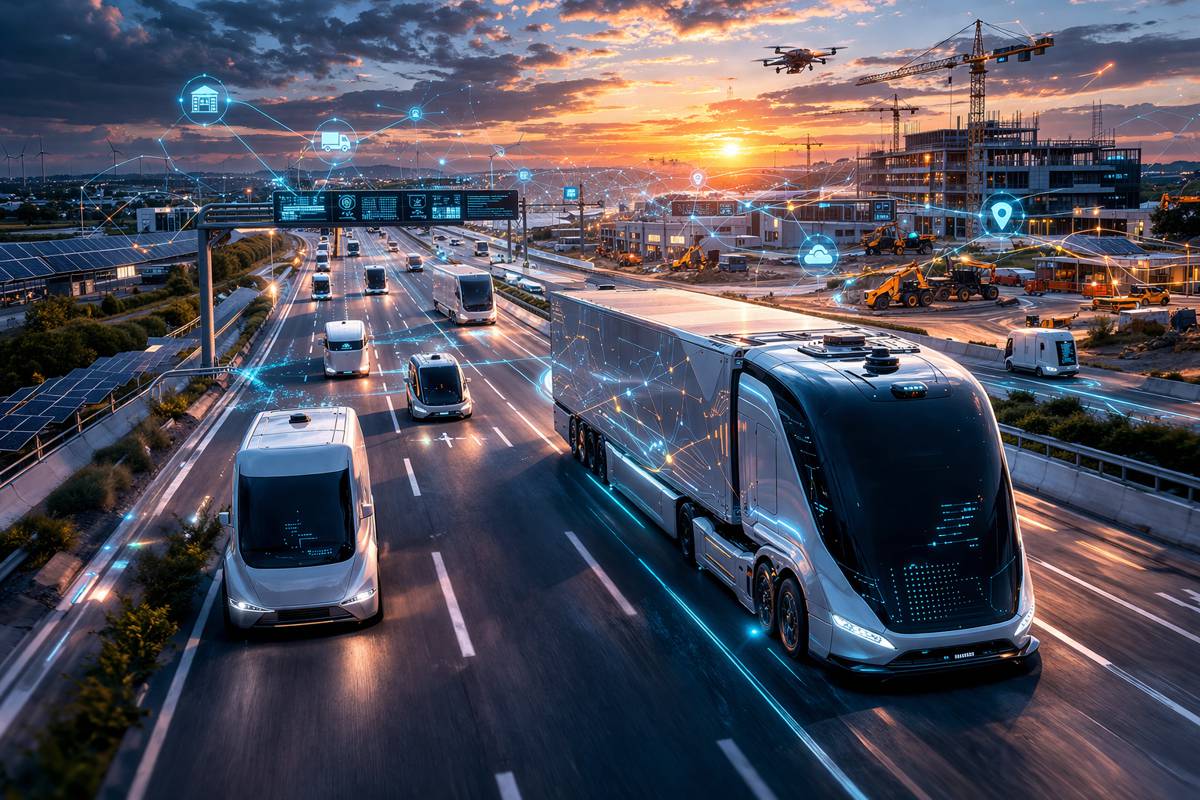
Reliable vehicle data has implications far beyond academic research. Across the global infrastructure sector, transport authorities are investing heavily in digital traffic management systems, connected road infrastructure and autonomous vehicle technologies.
These systems depend on accurate information to function effectively. If data inputs are unreliable, the resulting decisions may be flawed. For example, traffic management platforms rely on vehicle speed and location data to optimise signal timing and reduce congestion. Incorrect data could lead to inefficient traffic flows or even safety risks.
Similarly, usage based insurance models rely on telematics data to assess driving behaviour. Insurers must be confident that the data used to calculate premiums has not been manipulated or corrupted. Verification systems that ensure data integrity could therefore play a critical role in maintaining public confidence in such programmes.
For fleet operators, trusted data enables more effective predictive maintenance and operational planning. Telematics systems can monitor engine performance, fuel consumption and driving patterns to identify potential mechanical issues before they lead to costly breakdowns. When the underlying data is reliable, these insights become far more valuable.
Education and Skills for Digital Transport
Beyond technological innovation, Professor Chen’s work also contributes to the development of skills needed for the next generation of transport professionals. Intelligent transport systems combine elements of computer science, data analytics, telecommunications and civil engineering. As a result, education programmes must adapt to prepare students for this interdisciplinary environment.
By translating complex concepts such as vehicle networking, distributed ledgers and machine learning into practical training programmes, the research supports capacity building across the transport sector. Students and practitioners gain the ability to understand how connected vehicle systems operate and how they can be implemented responsibly.
This educational dimension is particularly important as governments and infrastructure operators invest in digital mobility platforms. The effectiveness of these systems depends not only on technology but also on the expertise of the people responsible for deploying and managing them.
Data Integrity as the Foundation of Smart Mobility
The development of connected and automated vehicles often captures headlines with promises of futuristic mobility. Yet beneath these ambitions lies a more fundamental requirement. Transport systems must be able to trust the data they rely upon.
Professor Chen’s research highlights that building this trust is not simply a matter of installing new sensors or faster networks. It requires frameworks that verify, protect and manage the information flowing through connected mobility ecosystems.
By combining artificial intelligence for anomaly detection with blockchain based verification mechanisms, the work demonstrates how existing technologies can strengthen the integrity of vehicle data. The result is a more reliable foundation for the digital transformation of transport.
As cities and infrastructure operators continue to embrace smart mobility, the ability to ensure trustworthy data will become increasingly important. After all, in a world where vehicles continuously record the story of how people move, the value of that story depends on whether every entry can be believed.