What to Do If Your Key Won’t Turn in the Ignition?
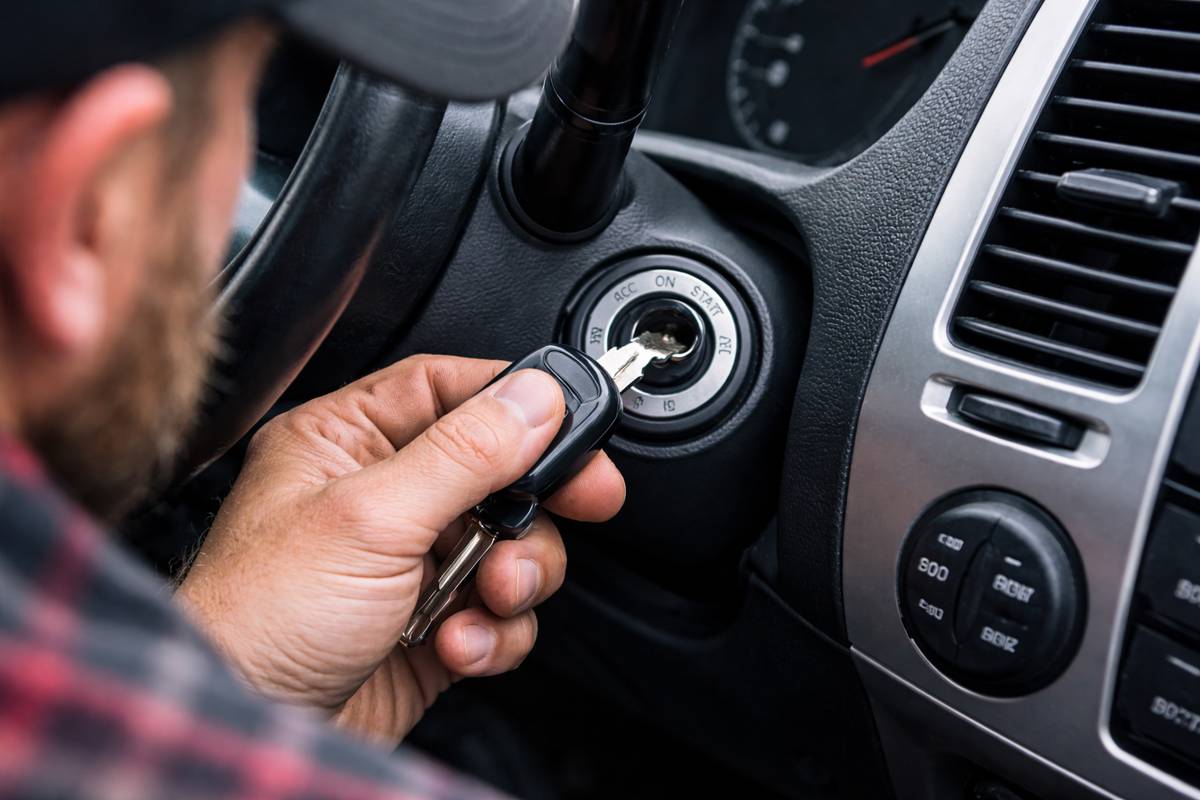
It’s a frustrating situation many drivers experience at least once. You get into your car, insert the key into the ignition, and… nothing happens. The car key refuses to turn. No matter how carefully you try, the ignition remains stuck.
In many cases, the problem isn’t as serious as it first appears. However, forcing the key or attempting random fixes can sometimes make things worse. Understanding the possible causes can help you resolve the issue safely — and avoid unnecessary damage to your vehicle.
Check the Steering Wheel Lock
One of the most common reasons a key won’t turn is the steering wheel lock. Modern vehicles include this feature as an anti-theft measure. When the steering wheel is turned slightly after removing the key, it can lock into position.
If the steering wheel is under tension, the ignition cylinder may not allow the key to rotate.
Try the following:
- Insert the key into the ignition.
- Gently move the steering wheel left and right.
- At the same time, try turning the key.
Often the wheel will release slightly, allowing the key to turn normally. The important thing here is to apply gentle pressure rather than force.

Inspect the Key Itself
Sometimes the issue lies with the key rather than the ignition. Over time, keys can become worn, bent, or slightly damaged. Even small imperfections can prevent the key from aligning correctly with the internal pins of the ignition lock.
Take a moment to check the key for:
- Visible bending
- Rounded or worn edges
- Cracks in the metal or plastic head
If you have a spare key, try using it. If the spare works without any problems, the original key is likely the cause.
Dirt or Debris Inside the Ignition
Ignition cylinders can accumulate dirt, dust, or small particles over time. This is particularly common in vehicles that are used frequently in dusty environments or where keys are often kept loose in pockets or bags.
Debris inside the lock can prevent the internal pins from moving freely.
In some cases, a specialist lock lubricant can help. A small amount applied carefully into the ignition may loosen the mechanism. However, oil-based products should be avoided, as they can attract more dirt and make the situation worse over time.
A Worn or Damaged Ignition Cylinder
If the problem occurs regularly, the ignition cylinder itself may be worn. Inside the lock are small mechanical components that align with the shape of your key. After years of use, these parts can begin to wear down.
Signs of a failing ignition cylinder include:
- The key sticking intermittently
- Difficulty inserting or removing the key
- The key turning only after repeated attempts
When this happens, professional repair is usually required. Continuing to force the ignition can lead to a complete lock failure.
Avoid Forcing the Key
One of the worst things you can do in this situation is apply excessive force. It may be tempting to twist the key harder or use tools to try and turn it, but this can easily break the key inside the ignition.
A broken key stuck in the ignition creates a far more complicated problem, often requiring specialised extraction tools.
If the key refuses to move after basic checks, it is usually best to stop and seek professional assistance.
When to Contact an Auto Locksmith
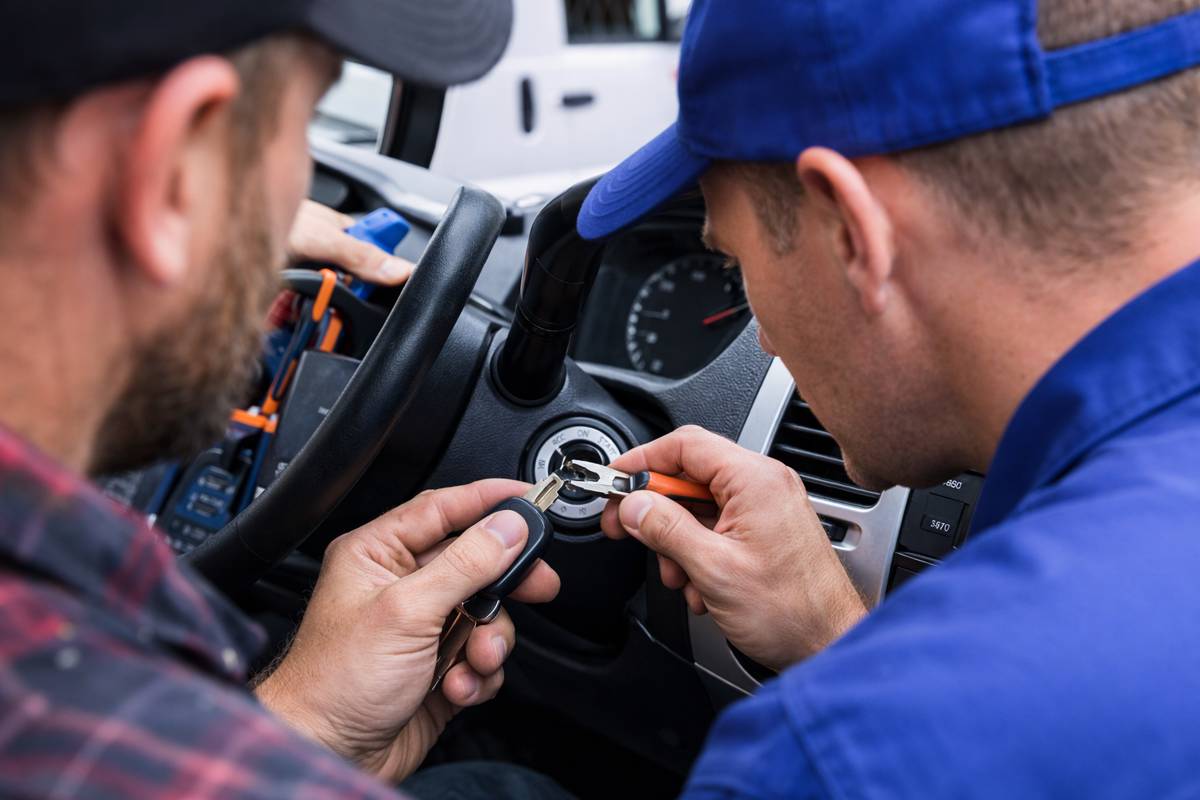
If simple solutions do not resolve the issue, an experienced auto locksmith can diagnose the problem quickly. They have specialised tools designed to work with vehicle locks without causing further damage.
A professional locksmith may be able to:
- Repair or replace a worn ignition cylinder
- Extract a stuck or broken key
- Cut and programme a replacement key
- Diagnose mechanical issues within the lock
In many cases, these services can be performed on-site, saving the need to tow the vehicle to a garage.
Preventing Future Ignition Problems
Although some wear is unavoidable, a few small habits can help reduce the chances of ignition issues in the future.
Avoid carrying heavy keychains, as the extra weight can strain the ignition mechanism over time. It’s also a good idea to keep keys clean and dry, as dirt and moisture can accelerate wear inside the lock.
If you begin to notice the key sticking occasionally, addressing the problem early can prevent a more serious failure later.
When a key won’t turn in the ignition, the problem can feel urgent and stressful — especially if you’re trying to start your car in a hurry. Fortunately, many cases have simple explanations, such as steering wheel tension or a worn key.
The most important thing is to avoid forcing the lock. A calm, careful approach can often solve the issue quickly and prevent unnecessary damage.
And if the problem persists, professional help from an auto locksmith can usually restore normal operation far more quickly than expected.