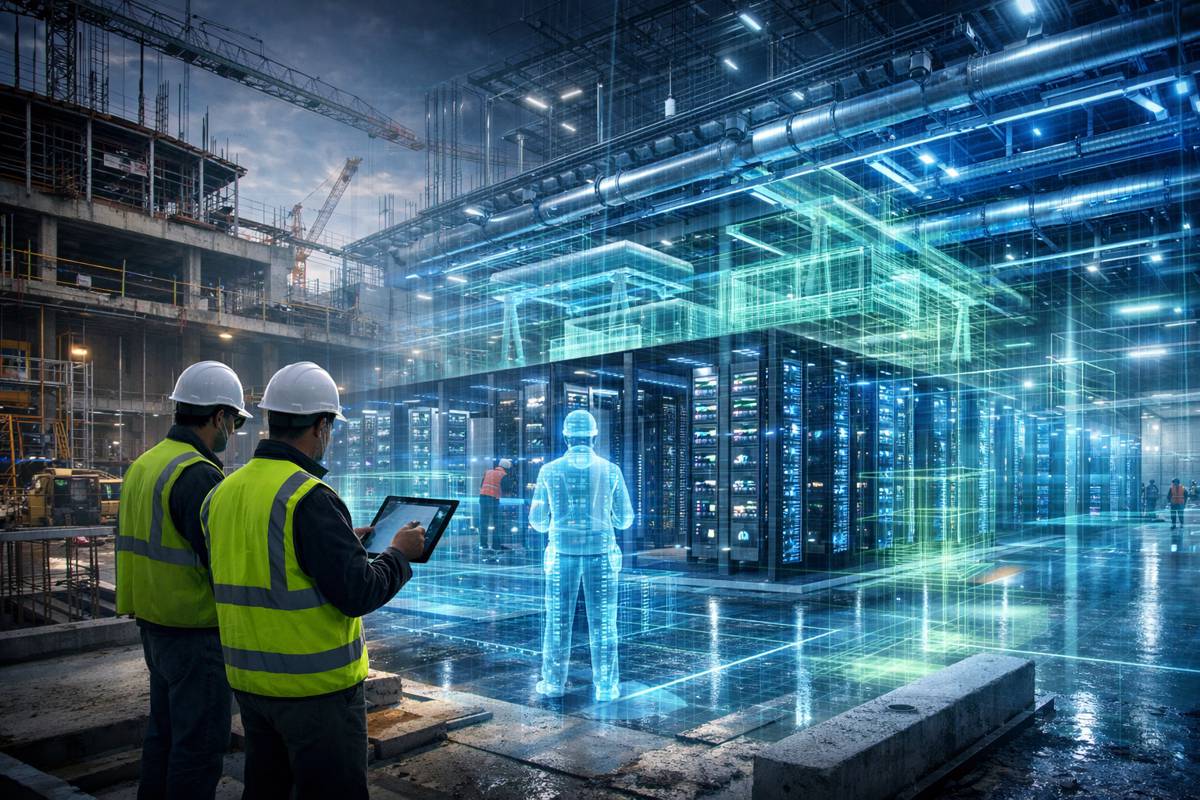
AI Powered Engineering Drives Global Industrial Transformation
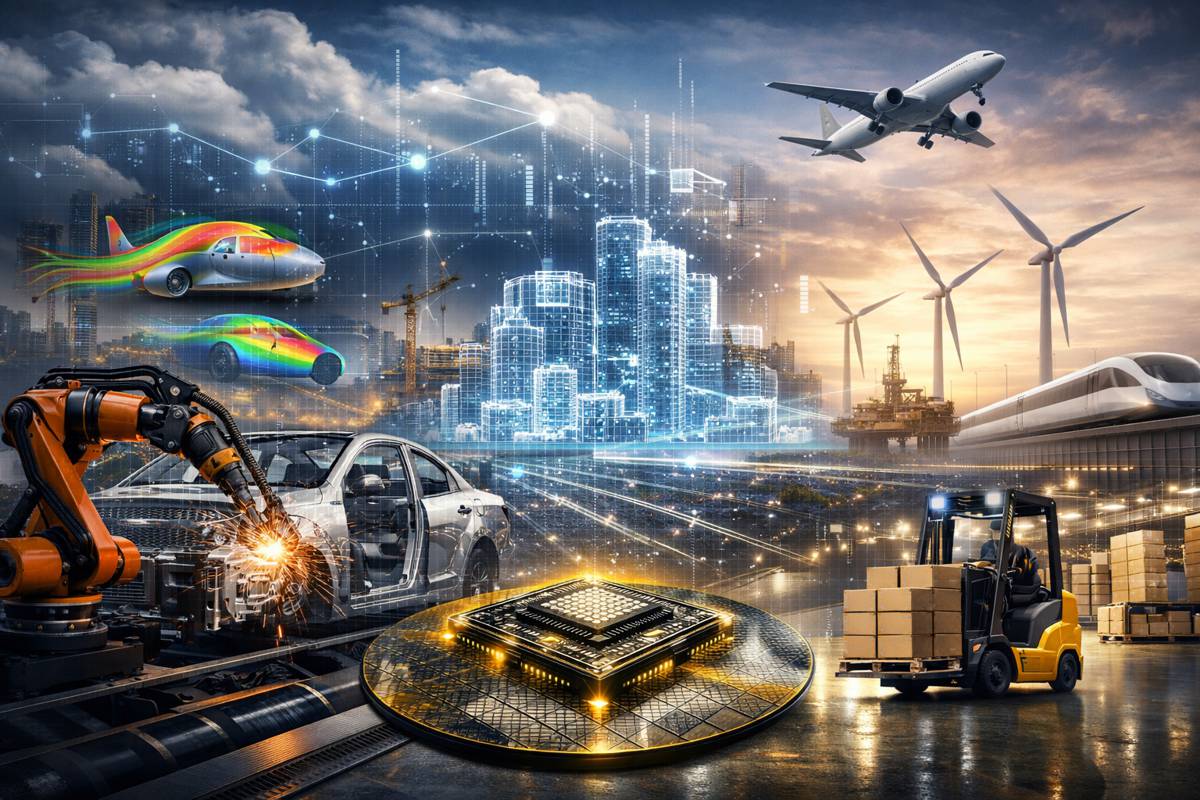
The industrial world is undergoing a profound shift, and it is not incremental. The convergence of accelerated computing, agentic AI and digital twin technologies is redefining how infrastructure, vehicles, energy systems and semiconductor devices are conceived, tested and delivered. At the centre of this transformation sits NVIDIA, working in concert with some of the most influential industrial software companies and global manufacturers to rewire the foundations of design, engineering and production.
What is unfolding is not simply another wave of digitalisation. It is the emergence of a new operational model where simulation, automation and real-time data converge, enabling decisions to be made faster, with greater precision and at unprecedented scale. For construction professionals, infrastructure planners and industrial investors, the implications are far-reaching.
A Full Stack Industrial AI Ecosystem Takes Shape
The scale of NVIDIA’s collaboration signals a decisive moment for the industrial sector. By aligning with major software developers such as Cadence, Dassault Systèmes, Siemens, Synopsys and PTC, alongside cloud hyperscalers and hardware manufacturers, the company is effectively stitching together a complete AI-driven ecosystem for engineering and manufacturing.
This ecosystem spans everything from chip design and product engineering to factory operations and logistics. It is underpinned by GPU-accelerated computing, AI frameworks such as CUDA-X and Omniverse, and increasingly, agentic AI systems capable of orchestrating complex workflows with minimal human intervention.
Jensen Huang, founder and CEO of NVIDIA, framed the moment: “The dawn of a new industrial revolution has arrived, where physical AI and autonomous AI agents are fundamentally reinventing how the world designs, engineers and manufactures.”
That statement carries weight. Historically, industrial innovation has been constrained by compute limitations, fragmented workflows and lengthy validation cycles. By integrating AI across the entire stack, NVIDIA and its partners are attempting to remove those bottlenecks altogether.
Agentic AI Moves Into Core Engineering Workflows
Perhaps the most significant development is the rise of agentic AI in engineering environments. Unlike traditional automation tools, these AI agents are designed to operate autonomously across entire workflows, handling tasks such as design generation, simulation setup, verification and optimisation.
Cadence, Dassault Systèmes, Siemens and Synopsys are embedding these capabilities directly into their platforms. The result is a new class of engineering tools where AI is not simply assisting engineers but actively managing complex processes.
Cadence’s ChipStack AI SuperAgent, for example, integrates electronic design automation with AI-driven orchestration, handling everything from test planning to debugging. Siemens’ Fuse EDA AI Agent extends this concept further, coordinating multiple agents across semiconductor and PCB design workflows from concept through to manufacturing sign-off.
Dassault Systèmes is introducing role-based “Virtual Companions” within its 3DEXPERIENCE platform, effectively creating AI counterparts for engineers, designers and project managers. Meanwhile, Synopsys is building multi-agent frameworks that allow different AI systems to collaborate on semiconductor design tasks.
This shift matters because engineering complexity has reached a point where manual processes are no longer sustainable. Modern infrastructure projects, autonomous vehicles and advanced manufacturing systems involve millions of interdependent variables. Agentic AI offers a way to manage that complexity without sacrificing speed or accuracy.
GPU Acceleration Redefines Simulation and Testing
Simulation has long been the backbone of engineering, but it has also been one of its biggest constraints. Traditional CPU-based simulations can take days or even weeks to complete, slowing down innovation and increasing costs.
GPU acceleration is changing that equation. By leveraging NVIDIA’s computing platforms, companies are now achieving dramatic reductions in simulation time while improving fidelity.
Honda, for instance, is using GPU-accelerated computational fluid dynamics to run aerodynamic simulations up to 34 times faster than CPU-based approaches. This allows engineers to iterate designs far more rapidly, shortening development cycles and reducing time to market.
Similarly, Jaguar Land Rover and Mercedes-Benz are using advanced simulation tools to refine vehicle aerodynamics and performance. Dassault Systèmes’ simulation software is supporting electric vehicle manufacturers such as Rivian, enabling more accurate virtual testing before physical prototypes are built.
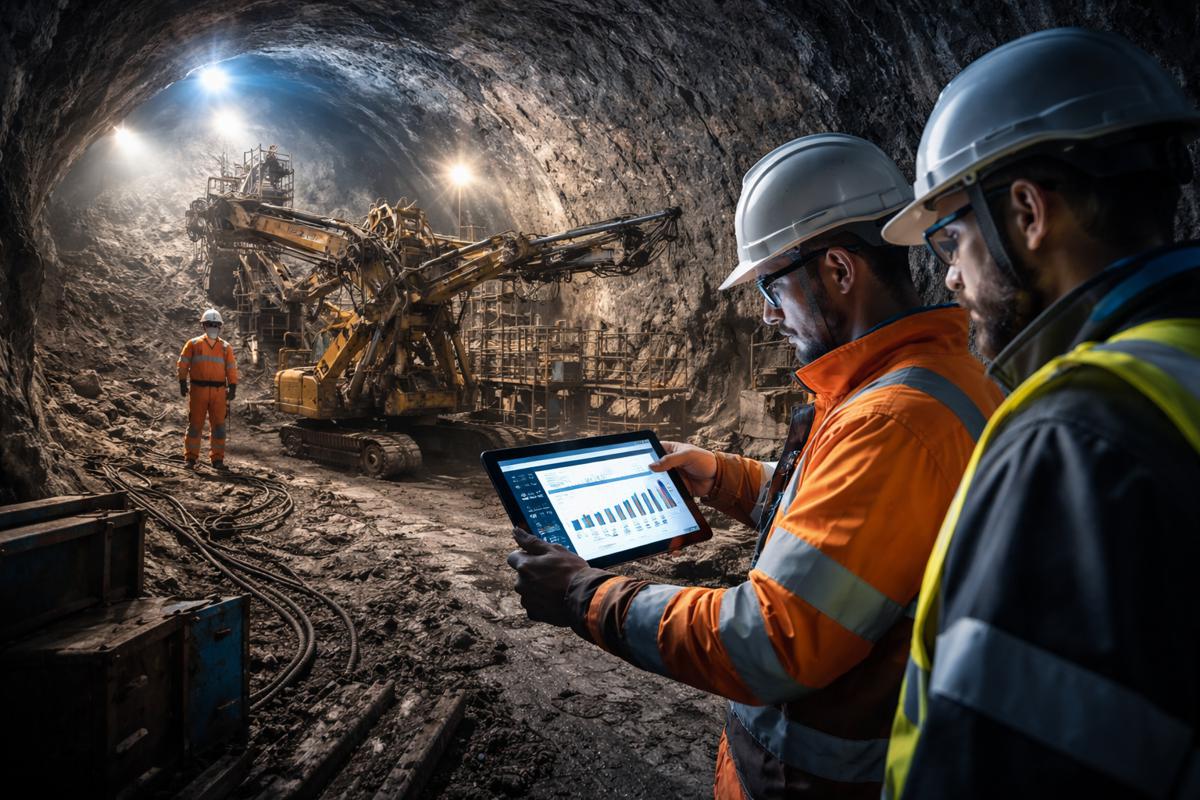
For the construction and infrastructure sectors, the implications are clear. Faster simulation means better project planning, more accurate risk assessment and improved asset performance. Whether modelling bridge stress, traffic flow or energy systems, the ability to simulate complex scenarios in near real time could fundamentally improve project outcomes.
Digital Twins Bridge the Gap Between Design and Reality
Digital twin technology is emerging as a critical link between virtual design and real-world execution. By creating high-fidelity virtual replicas of physical assets, organisations can test, optimise and manage systems before and during operation.
NVIDIA’s Omniverse platform is playing a central role in this evolution, enabling large-scale, physics-accurate simulations that integrate real-time data. Industrial partners are using this capability to model entire factories, logistics networks and infrastructure systems.
Siemens’ Digital Twin Composer, built on Omniverse, allows companies such as HD Hyundai, PepsiCo and KION to simulate complex industrial environments. These digital twins are not static models but dynamic systems that evolve with real-world data, enabling continuous optimisation.
KION’s work in warehouse automation highlights the potential. By combining digital twins with AI and robotics, engineers can simulate and train fleets of autonomous forklifts before deploying them in live environments. This reduces risk, improves efficiency and accelerates implementation.
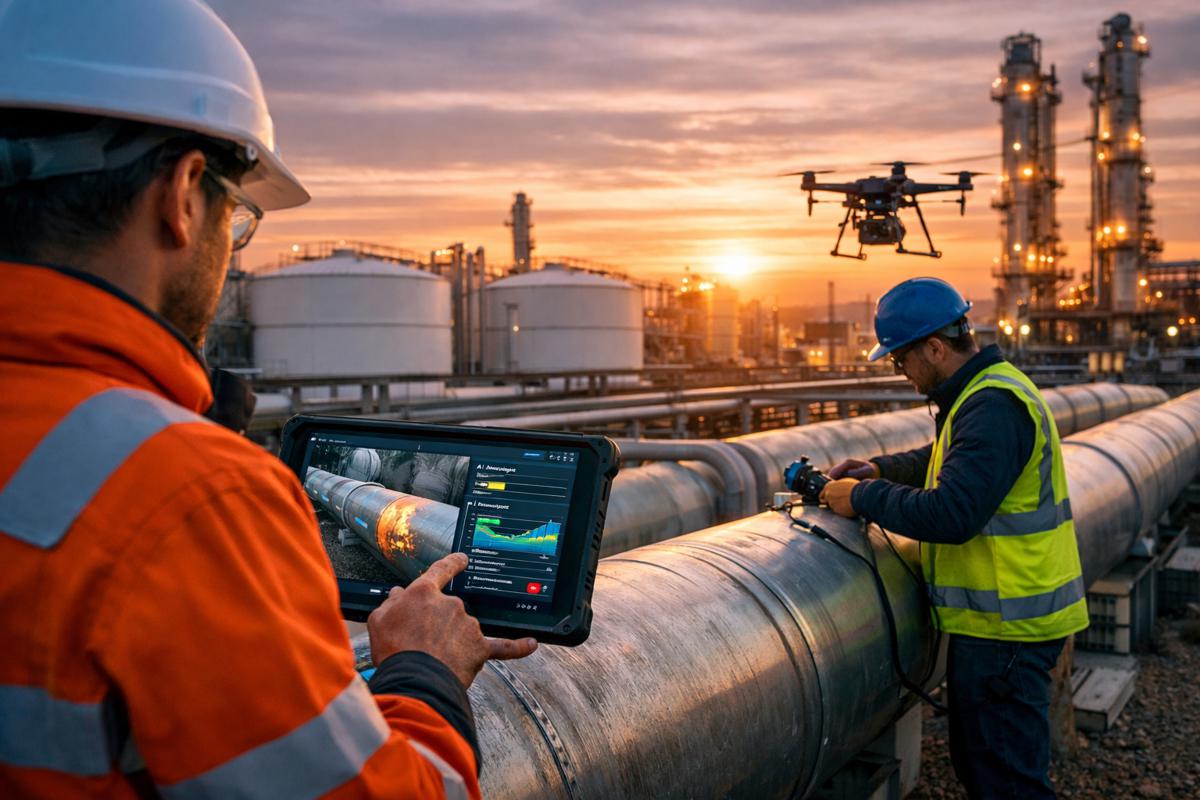
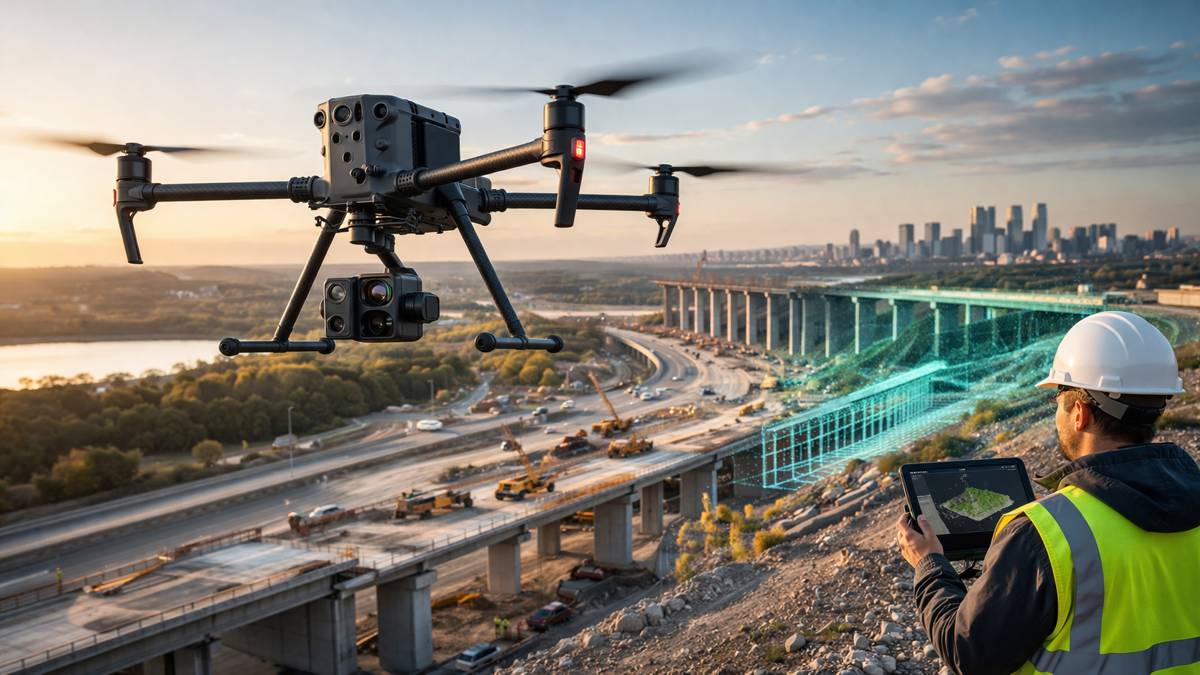
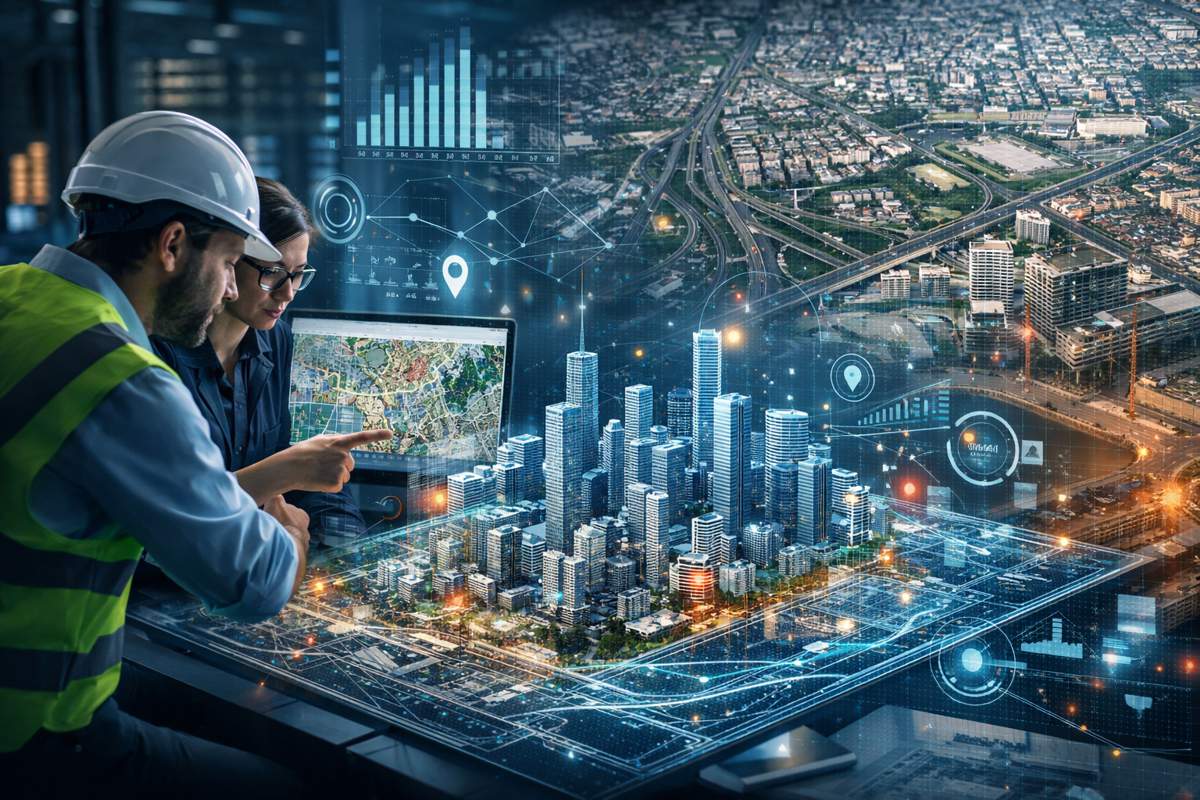
In the construction sector, digital twins are already being used to manage large infrastructure projects and smart cities. The integration of AI and real-time simulation could take this further, enabling predictive maintenance, automated decision-making and more resilient infrastructure systems.
Semiconductor Innovation Enters a New Phase
Behind every AI-driven system lies a semiconductor, and the demand for more powerful chips is driving a new wave of innovation. As designs move beyond traditional scaling limits, the complexity of semiconductor development is increasing exponentially.
GPU-accelerated tools are becoming essential in this environment. Companies such as Samsung, SK hynix and TSMC are using advanced design and verification software powered by NVIDIA infrastructure to accelerate production and improve yield.
MediaTek is leveraging GPU acceleration to significantly speed up circuit simulation, while Astera Labs is using cloud-based GPU platforms to reduce chip design times by several multiples. These gains are not incremental; they are transformative, enabling faster innovation cycles and more advanced chip architectures.
This matters for infrastructure because semiconductors underpin everything from smart traffic systems to autonomous vehicles and energy grids. Faster chip development translates directly into faster deployment of next-generation technologies across the built environment.
Energy and Aerospace Benefit From High Fidelity Simulation
Beyond automotive and semiconductors, GPU-accelerated simulation is unlocking new possibilities in energy and aerospace. These sectors require extremely detailed modelling, often involving billions of data points and complex physical interactions.
Solar Turbines, for example, is using GPU-based simulation to complete large-scale combustor analyses in a fraction of the time previously required. Argonne National Laboratory is applying similar techniques to advanced energy research, enabling more accurate modelling of combustion processes.
In aerospace, companies are using high-fidelity simulation to explore new aircraft designs, including hybrid electric propulsion and vertical take-off systems. These simulations allow engineers to test scenarios that would be impractical or prohibitively expensive in the real world.
For infrastructure professionals, these advancements signal a broader trend. As simulation becomes faster and more accessible, it will play a larger role in project design, risk management and sustainability planning.
Cloud and Hybrid Infrastructure Enable Industrial Scale
The deployment of these technologies at scale would not be possible without robust infrastructure. Cloud providers such as AWS, Google Cloud, Microsoft Azure and Oracle Cloud Infrastructure are delivering GPU-accelerated environments capable of handling massive computational workloads.
At the same time, hardware manufacturers including Dell Technologies, HPE and Supermicro are enabling on-premises and hybrid deployments. This flexibility allows organisations to choose the most appropriate model for their needs, balancing performance, cost and data security.
For many industrial players, hybrid infrastructure will become the norm. Sensitive data and mission-critical operations can remain on-site, while large-scale simulations and AI training can be offloaded to the cloud. This approach provides both scalability and control, which are essential in complex engineering environments.
Construction and Infrastructure
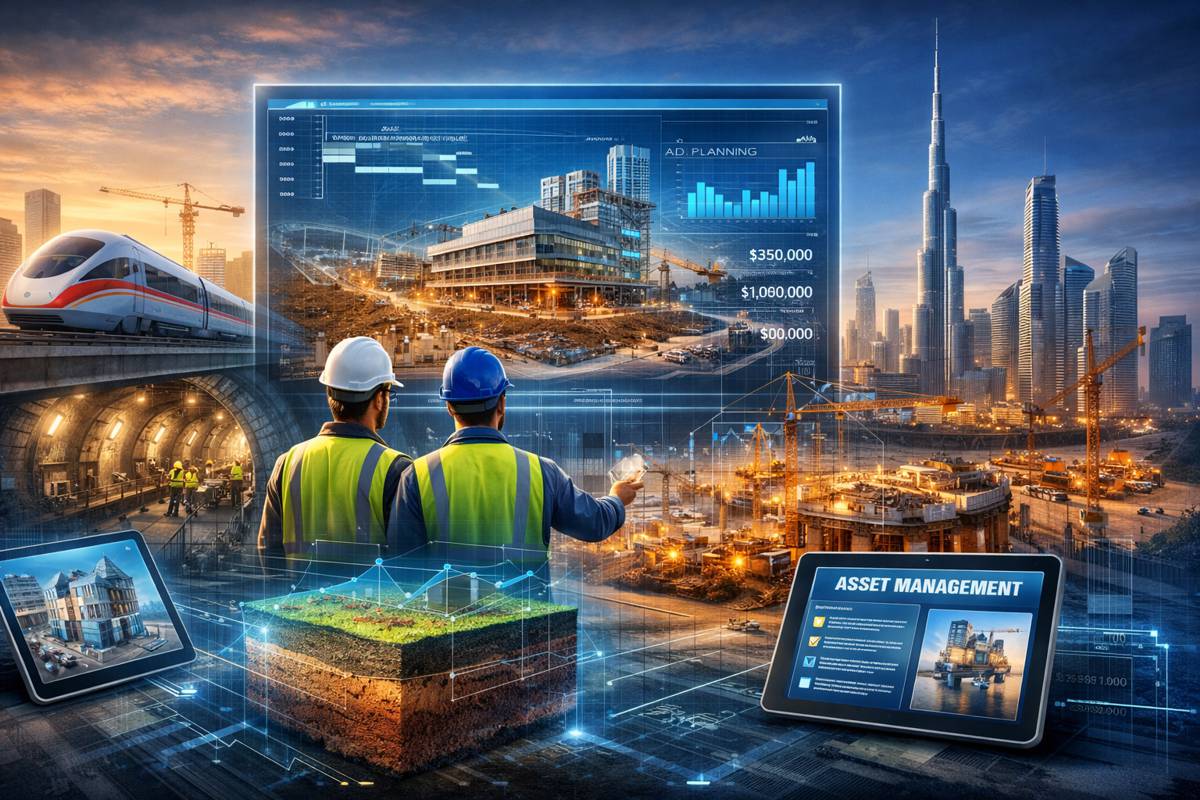
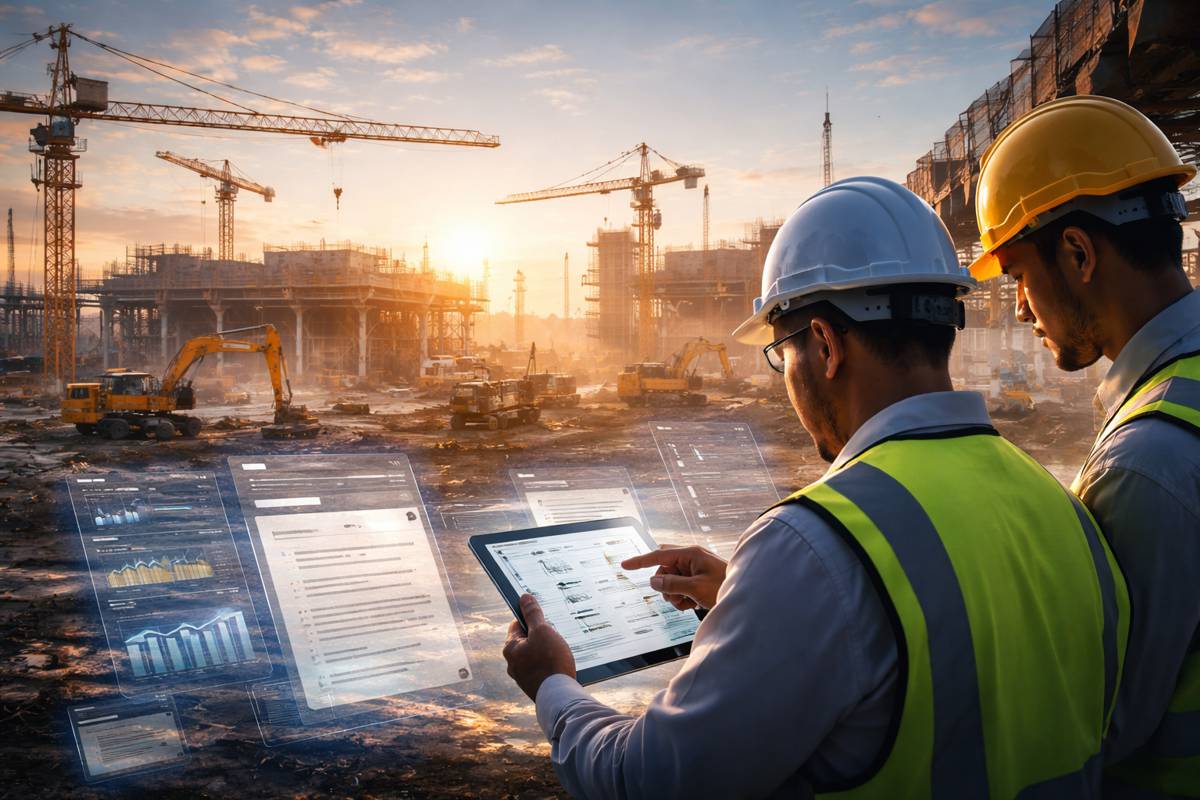
The convergence of AI, simulation and digital twins is not confined to high-tech industries. It is directly relevant to construction and infrastructure, where projects are becoming larger, more complex and more data-driven.
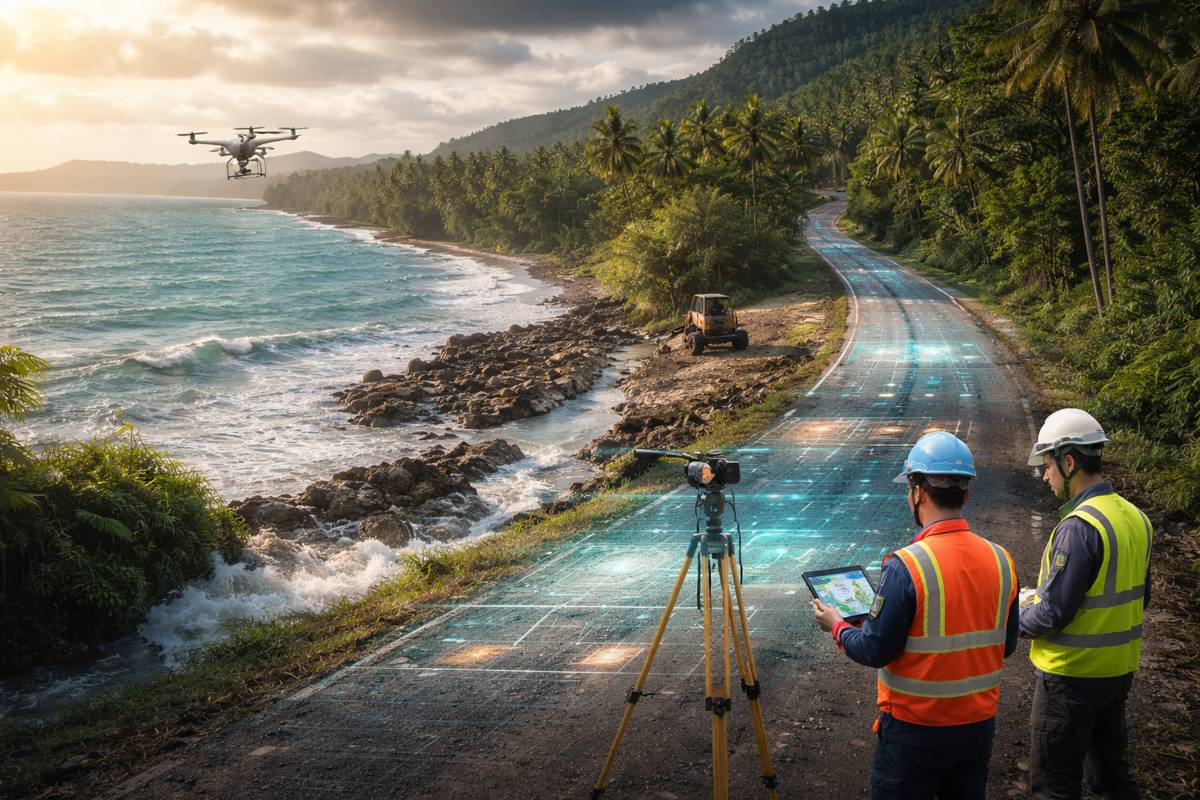
From smart highways and autonomous transport systems to energy-efficient buildings and resilient urban infrastructure, the ability to model, optimise and manage systems in real time will be a defining factor in project success.
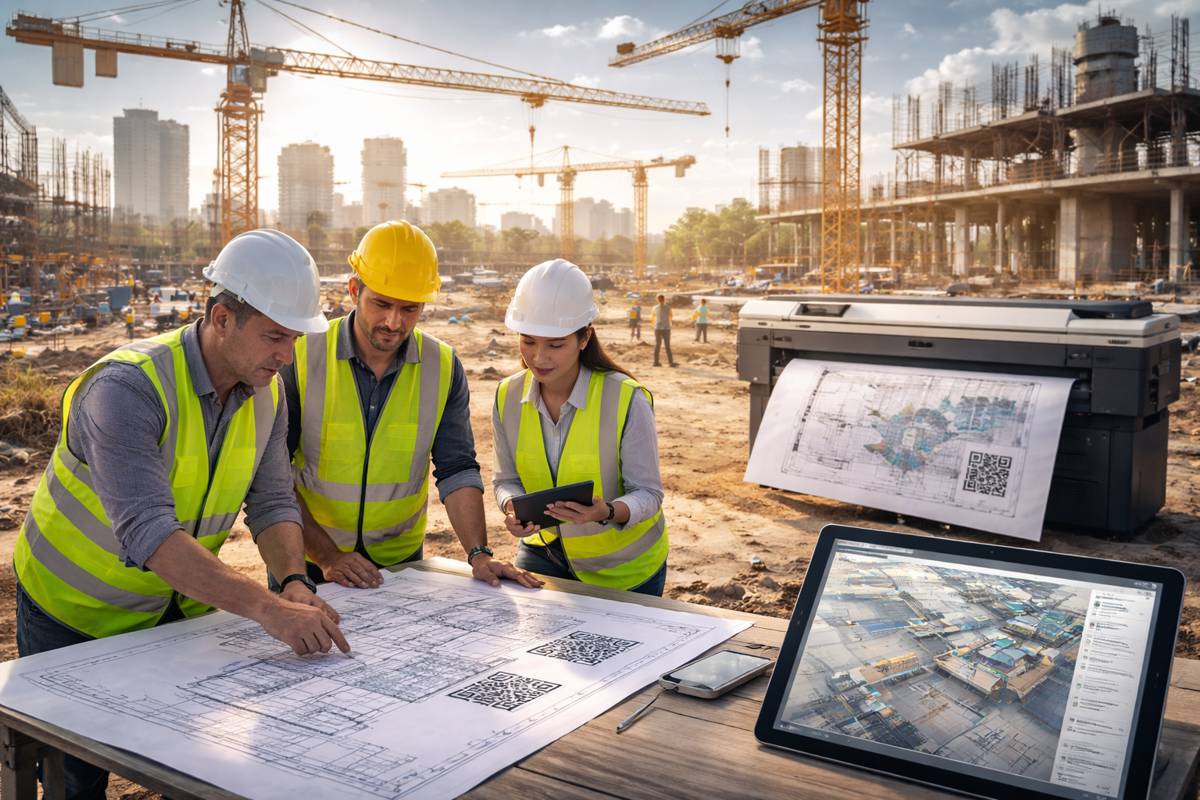
AI-driven workflows could streamline everything from design approvals to construction sequencing. Digital twins could enable continuous monitoring and optimisation of infrastructure assets. GPU-accelerated simulation could improve safety, reduce costs and enhance sustainability outcomes.
In short, the tools being developed today are laying the groundwork for a more intelligent, responsive and efficient built environment.
A Defining Moment for Industrial Transformation
What sets this development apart is its breadth. It is not a single product or platform but a coordinated effort across software, hardware and cloud infrastructure to redefine how industries operate.
The integration of agentic AI, accelerated computing and digital twins represents a fundamental shift in industrial capability. It moves the sector from reactive processes to proactive, data-driven decision-making at scale.
For industry leaders, the message is clear. Those who adopt these technologies early will gain a significant competitive advantage, while those who hesitate risk falling behind in an increasingly complex and fast-moving landscape.
The industrial world has always evolved in waves, from mechanisation to electrification to digitalisation. The next wave is already here, and it is being built on AI.