Rewiring the Grid at Speed with Drone Powered Transmission Construction
Electricity demand is accelerating at a pace that few national grids were designed to accommodate. From hyperscale data centres powering artificial intelligence to the steady electrification of transport and industry, the strain on transmission infrastructure is becoming increasingly visible. While power generation capacity continues to expand across renewables, nuclear and conventional sources, the networks required to move that energy are lagging behind.
Infravision’s inclusion in Fast Company’s World’s Most Innovative Companies of 2026 list carries weight beyond recognition alone. Ranking fourth in the Robotics and Engineering category, the company’s work speaks directly to one of the most pressing challenges in global infrastructure. Transmission capacity is now widely acknowledged as a limiting factor in energy transition strategies, and any technology capable of accelerating grid build-out has implications far beyond a single project or market.
Briefing
- Infravision ranked No. 4 in Fast Company’s Most Innovative Companies 2026 for Robotics and Engineering.
- Focus on solving global transmission bottlenecks rather than generation shortfalls.
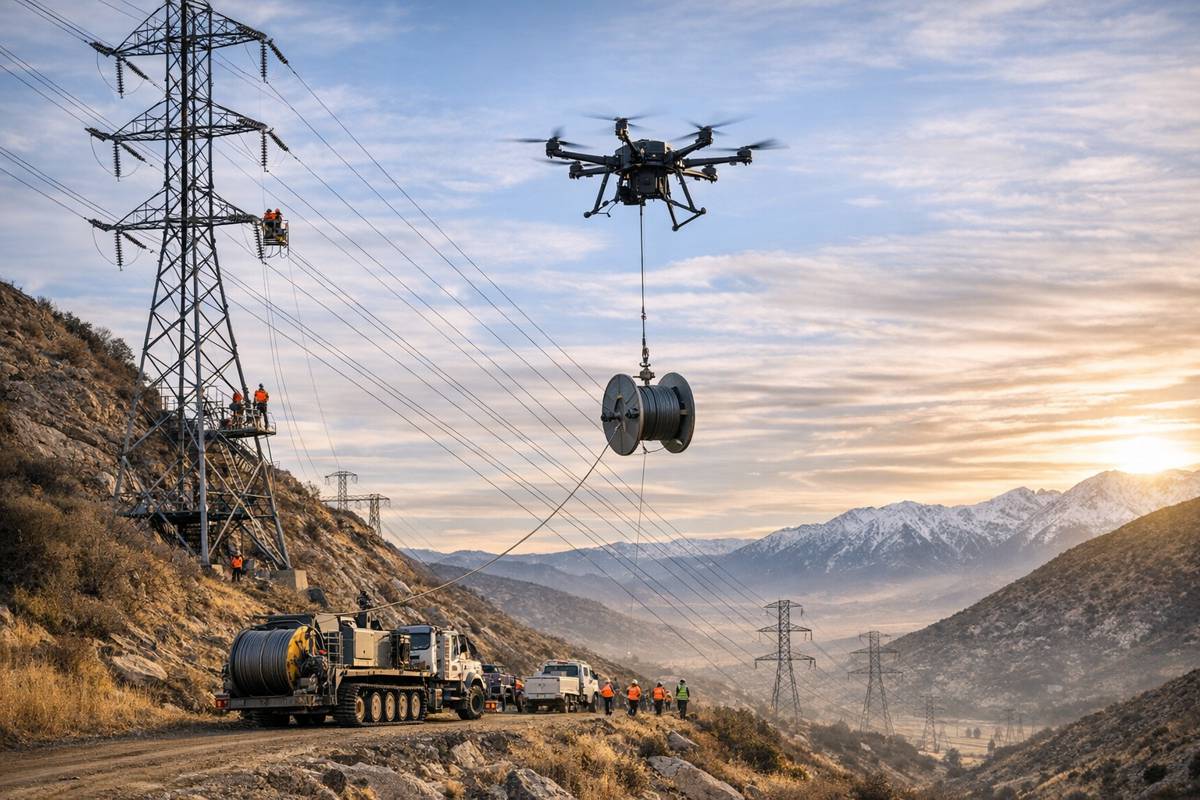
- Drone-enabled TX system replaces helicopters and labour-intensive ground methods.
- Over 2,000 miles of transmission line installed with more than 50,000 miles in backlog.
- Rapid scaling demonstrated with higher US deployment in early 2026 than full-year 2025.
- Addresses global grid expansion needs driven by AI, electrification and industrial growth.
- Supports faster, safer and lower-impact construction of transmission infrastructure.
Transmission Infrastructure Emerges as the Real Bottleneck
For years, energy policy discussions have centred on generation capacity. Yet increasingly, attention has shifted towards the physical limitations of transmission networks. According to the International Energy Agency, global electricity demand is expected to grow at one of its fastest rates in decades, driven by electrification and digital infrastructure. However, grid expansion is struggling to keep pace due to permitting delays, labour shortages and the complexity of construction in remote or sensitive environments.
This imbalance has created a situation where renewable energy projects are often delayed not by their own development timelines, but by the inability to connect to the grid. In the United States alone, interconnection queues for new energy projects have grown significantly, with transmission constraints cited as a primary barrier. Similar trends are emerging across Europe and Asia, where ageing infrastructure must be upgraded alongside new capacity.
Infravision’s approach targets this specific constraint. Rather than focusing on incremental improvements to existing construction practices, it rethinks how transmission lines are installed altogether. That shift from optimisation to transformation is what places the company’s work within a broader infrastructure narrative.
Moving Beyond Helicopters and Traditional Methods
Conventional transmission line construction has long relied on helicopters for stringing lines across difficult terrain. While effective, these methods are expensive, weather-dependent and carry inherent safety risks. Ground-based approaches, meanwhile, are labour-intensive and often constrained by access limitations, particularly in mountainous or environmentally sensitive regions.
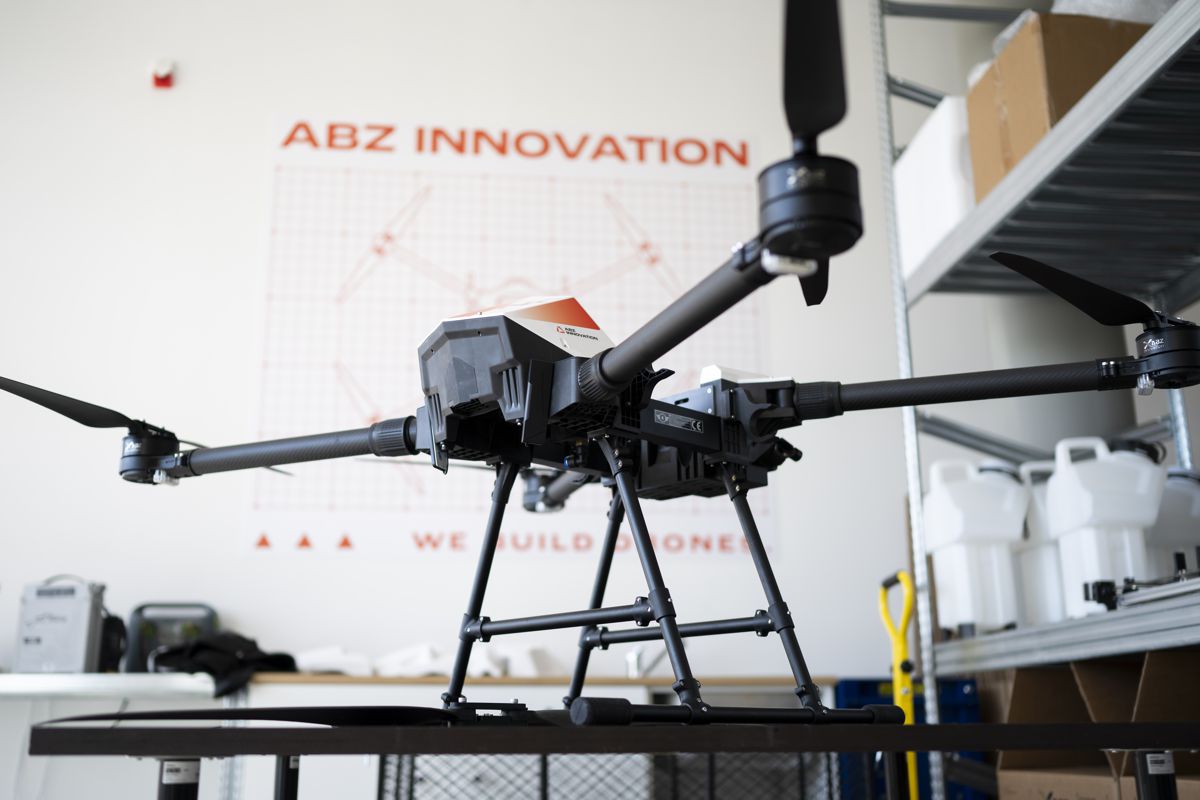
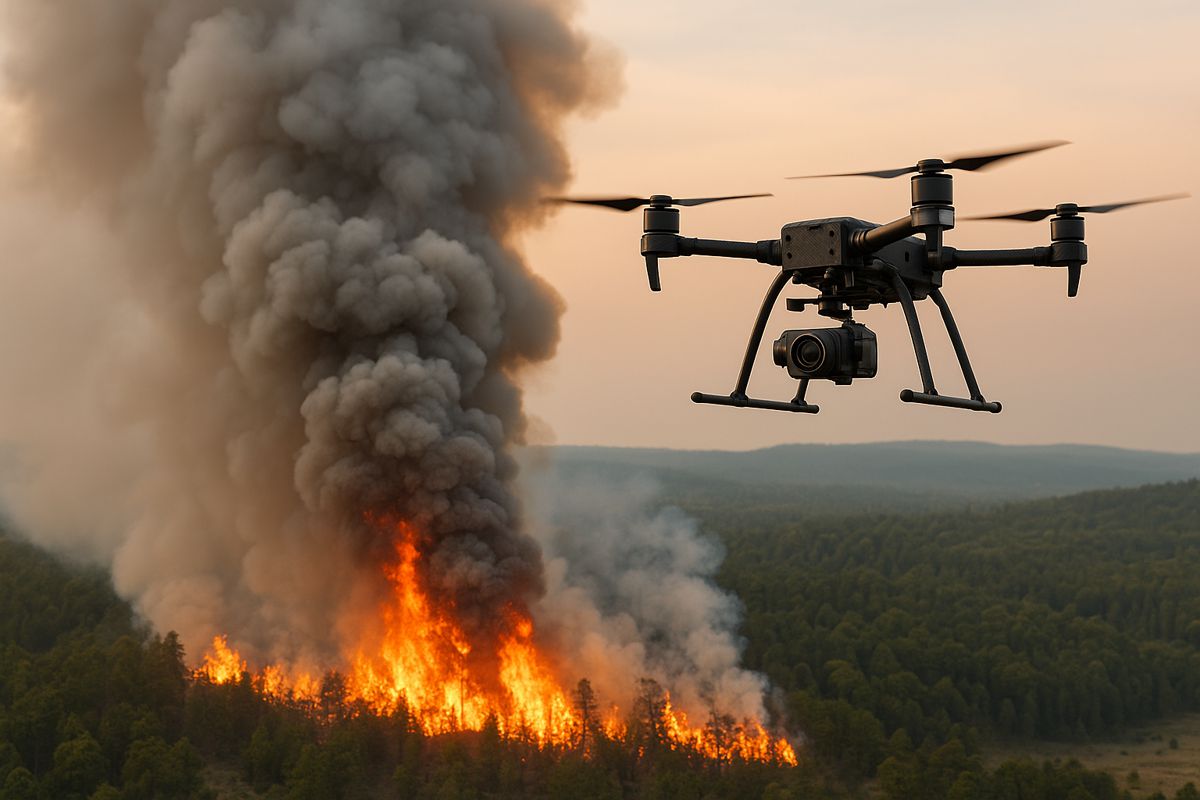
Infravision’s proprietary drone-enabled TX system introduces an alternative model. By integrating heavy-lift drones with intelligent ground equipment and specialised hardware, the system enables transmission lines to be installed with greater precision and reduced logistical complexity. The drones handle tasks traditionally performed by helicopters, while the broader system ensures coordination across the entire installation process.
This integrated approach changes the economics of transmission construction. Reduced reliance on helicopters lowers operational costs, while the ability to work in more varied conditions improves project timelines. Safety considerations also shift, as fewer personnel are exposed to high-risk environments during installation.
Scaling Infrastructure Delivery to Match Demand
One of the defining characteristics of modern infrastructure challenges is scale. It is not simply a question of building more, but of building faster and more consistently across diverse geographies. Transmission networks, often spanning hundreds or thousands of kilometres, require solutions that can be replicated without compromising quality or safety.
Infravision’s deployment figures offer an indication of how this model is scaling. With more than 2,000 miles of transmission line already installed and a backlog exceeding 50,000 miles, the company is operating at a level that suggests growing confidence from utilities and developers. The acceleration seen in early 2026, where more miles were installed in the United States in a single quarter than in the entirety of the previous year, points to increasing adoption.
This shift towards repeatable, system-driven construction mirrors broader trends in infrastructure delivery. Standardisation and modularity are becoming central themes, particularly in sectors where traditional bespoke approaches have struggled to keep pace with demand. Transmission construction is now entering that phase of industrialisation.
Environmental and Community Considerations in Grid Expansion
Large-scale infrastructure projects often face resistance due to their environmental and social impacts. Transmission lines, in particular, can be contentious due to land use, visual impact and ecological disruption. These factors can delay projects and increase costs, further exacerbating the gap between demand and delivery.
By reducing the need for extensive ground access and heavy equipment movement, drone-enabled construction methods have the potential to mitigate some of these concerns. Fewer access roads, reduced vegetation clearance and lower noise levels compared to helicopters contribute to a smaller environmental footprint. While not eliminating the challenges associated with transmission infrastructure, such approaches can ease the path through permitting and community engagement processes.
The ability to construct lines with less disruption also aligns with broader sustainability goals within the construction and energy sectors. As infrastructure projects are increasingly evaluated not only on cost and performance but also on environmental impact, methods that reduce footprint without compromising delivery are likely to gain traction.
Industry Recognition Reflects Broader Technological Momentum
Fast Company’s annual list of the World’s Most Innovative Companies highlights organisations that demonstrate both originality and measurable impact. In 2026, the list includes 720 companies across 59 sectors, reflecting the breadth of innovation occurring across industries. Within this context, Infravision’s ranking in the Robotics and Engineering category places it among a group of companies redefining how physical infrastructure is delivered.
“This recognition is a testament to the team behind Infravision and the work they’ve done to challenge one of the biggest bottlenecks in global infrastructure,” said Cameron Van Der Berg, founder and CEO of Infravision. “The world doesn’t have a power generation problem; it has a transmission problem. We’re fundamentally rethinking how the grid is constructed – faster, safer, and at lower cost than ever before. The grid is the largest machine in the world, and rebuilding it at unprecedented speed and scale is no longer optional. We’re proving that’s possible.”
The statement reflects a broader shift in how infrastructure challenges are being framed. Rather than incremental efficiency gains, there is increasing emphasis on systemic change, supported by advances in robotics, automation and data integration. Transmission construction, traditionally resistant to rapid innovation, is now becoming part of that transformation.
Robotics and Automation in Infrastructure Construction
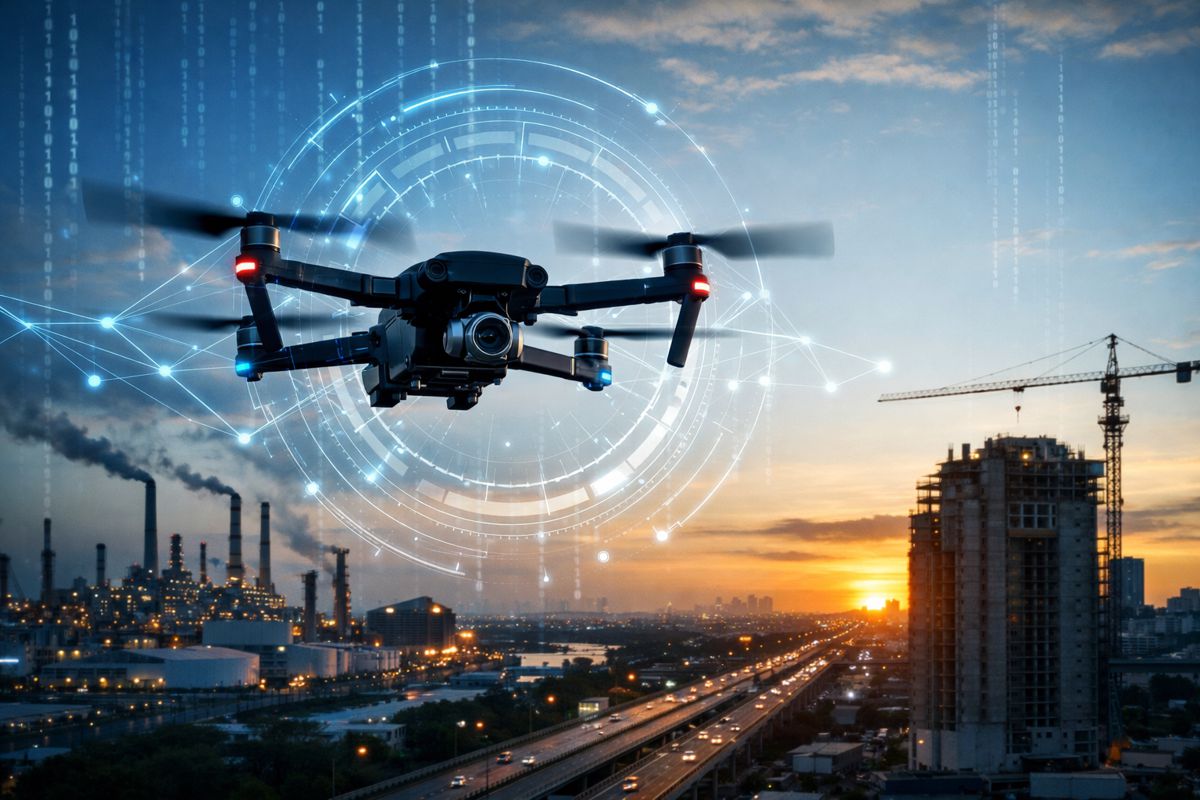
The use of drones in construction is not new, but their role has largely been confined to surveying, inspection and monitoring. The move into active construction tasks represents a significant evolution. Heavy-lift capabilities, combined with precise control systems, are enabling drones to perform tasks that were previously considered impractical outside of manned aviation.
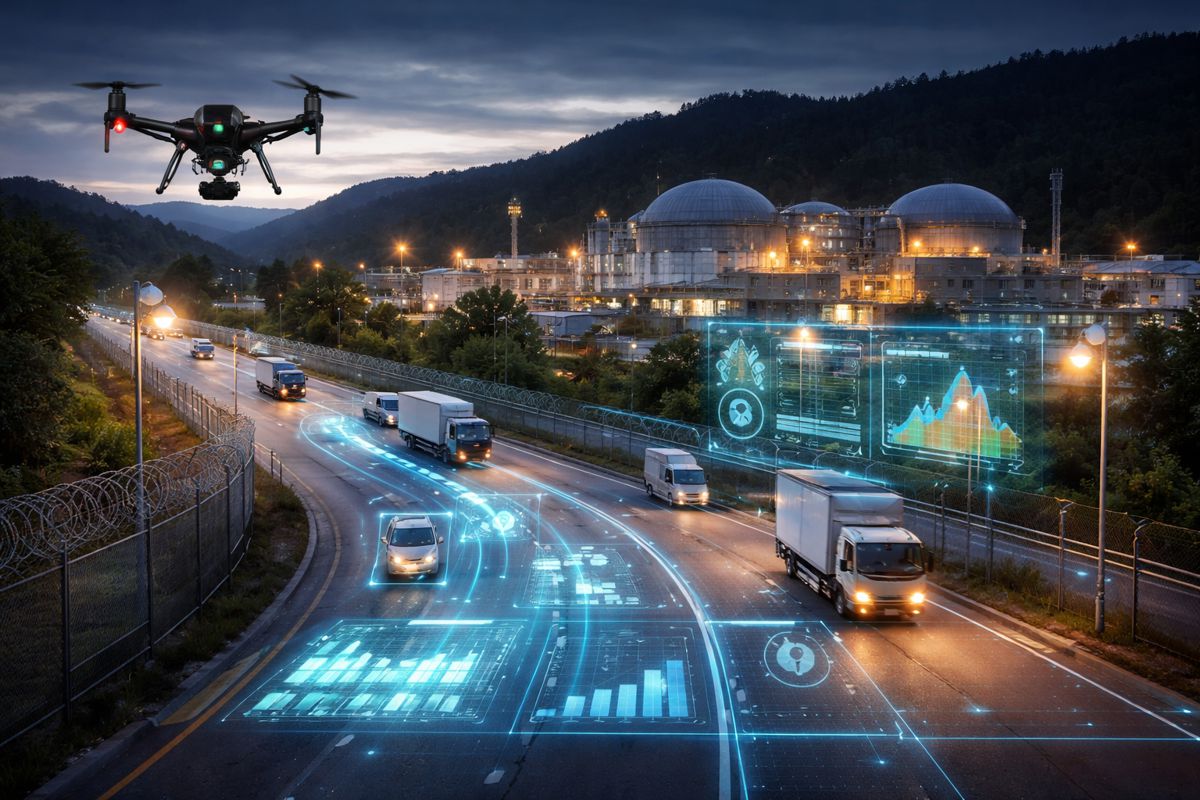
This development sits within a wider trend towards automation in construction. Labour shortages, safety concerns and the need for greater productivity are driving investment in robotics across multiple sectors. From autonomous earthmoving equipment to robotic fabrication, the industry is gradually shifting towards more technology-driven delivery models.
In transmission construction, the benefits of such technologies are particularly pronounced. Projects often take place in challenging environments, where traditional methods are both costly and risky. By introducing automation into these processes, companies can improve both efficiency and safety, while also addressing some of the workforce constraints facing the sector.
A Shift Towards Industrialised Grid Construction
Perhaps the most significant implication of Infravision’s approach is the move towards treating transmission construction as an industrial process rather than a series of bespoke projects. This shift has parallels in other areas of construction, where prefabrication and modular techniques have transformed delivery models.
By standardising equipment, processes and workflows, the drone-enabled system allows for more predictable outcomes. Projects can be planned and executed with greater consistency, reducing the variability that often leads to delays and cost overruns. This level of predictability is particularly valuable in large-scale infrastructure programmes, where coordination across multiple stakeholders is essential.
For utilities and developers, the ability to deliver transmission infrastructure more reliably and at scale has direct commercial implications. Faster project completion means earlier revenue generation and improved return on investment. In an environment where energy demand is rising rapidly, these factors are becoming increasingly important.
Setting the Pace for Infrastructure Innovation
Recognition from Fast Company serves as a marker of progress, but the underlying significance lies in what it represents for the future of infrastructure delivery. As energy systems evolve and demand continues to rise, the ability to build and upgrade transmission networks efficiently will be a defining factor in economic and industrial development.
Infravision’s work illustrates how targeted innovation can address specific bottlenecks within complex systems. By focusing on transmission construction, the company is contributing to a broader effort to modernise the grid and support the transition to more sustainable energy systems. The combination of robotics, integrated systems and scalable processes offers a glimpse of how infrastructure might be delivered in the years ahead.