Bishkek Accelerates Sustainable Mobility with New CNG Bus Fleet
The modernisation of urban transport systems rarely grabs headlines in the same way as megaprojects or high-speed rail corridors. Yet, in cities where population growth is outpacing infrastructure investment, the introduction of reliable, clean, and accessible public transport can be transformative.
In the Kyrgyz Republic, the European Bank for Reconstruction and Development is taking a pragmatic step in that direction, backing the deployment of a new fleet of compressed natural gas buses in the capital, Bishkek.
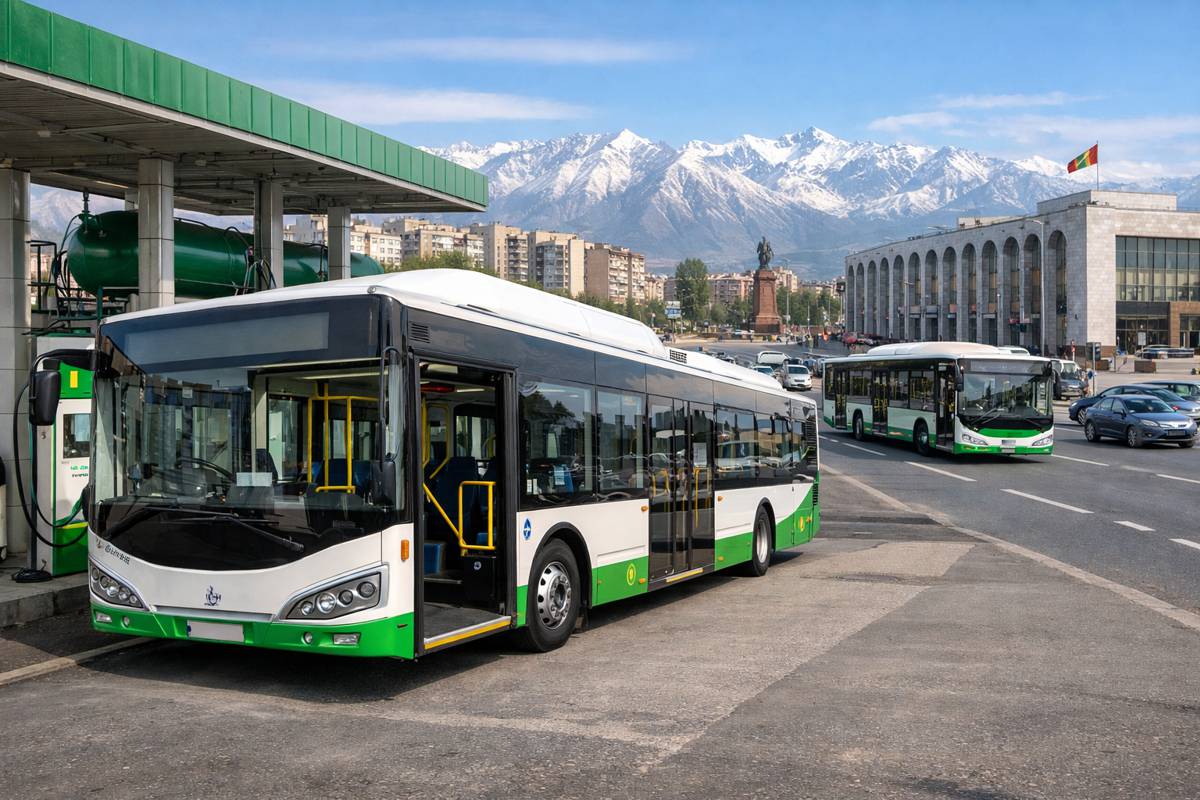
The delivery of 95 modern buses marks the second phase of a broader fleet renewal programme supported by the European Bank for Reconstruction and Development. With a total of 219 vehicles planned under a €33 million financing package, the initiative reflects a wider shift among emerging economies to prioritise urban mobility upgrades that deliver both environmental and social returns. While modest in scale compared to flagship infrastructure schemes, projects like this tend to have immediate and visible impacts on daily life.
For Bishkek, where ageing diesel fleets and informal transport networks have long struggled to meet demand, the introduction of modern vehicles signals a move towards a more structured and service-oriented transport system. It also underscores the growing role of development finance institutions in shaping not just infrastructure delivery, but the operational standards and long-term sustainability of urban mobility.
Briefing
- EBRD is financing 219 CNG buses for Bishkek, with 95 vehicles delivered in phase two
- The €33 million programme focuses on cleaner, more accessible urban transport
- New buses feature low-entry access, modern passenger systems and improved safety
- Project aligns with Bishkek’s Green Cities action plan supported by Japan
- Initiative strengthens institutional capacity of the city’s public transport operator
A Practical Shift Towards Cleaner Urban Transport
Compressed natural gas has emerged as a transitional fuel in urban transport, particularly in cities where electrification infrastructure is still developing. While not emissions-free, CNG offers a measurable reduction in particulate matter, nitrogen oxides and carbon dioxide compared to older diesel engines. For Bishkek, where air quality concerns have been mounting, the shift to gas-powered buses represents a tangible improvement.
The adoption of CNG buses also reflects broader regional trends across Central Asia, where governments are balancing environmental ambitions with practical constraints. Electric buses, though increasingly viable, require significant investment in charging infrastructure and grid capacity. By contrast, CNG systems can often be integrated more quickly into existing fuel supply chains, allowing cities to deliver environmental gains without waiting for full electrification.
From an operational standpoint, the new fleet is expected to reduce maintenance costs and improve service reliability. Older buses, often operating beyond their intended lifecycle, tend to suffer frequent breakdowns, contributing to delays and passenger dissatisfaction. Modern vehicles, built to current standards, bring not only efficiency but also predictability, a key factor in encouraging public transport use.
Designing for Accessibility and Passenger Experience
One of the more significant aspects of the Bishkek programme lies in its focus on accessibility. The new 12-metre buses are designed with low-entry configurations, making boarding easier for passengers with reduced mobility, parents with prams and elderly users. This marks a notable shift from older high-floor vehicles, which often posed barriers to access.
Inside, the buses are configured to handle up to 90 passengers, with wide interiors and three double-wing doors designed to speed up boarding and alighting. In busy urban corridors, where dwell times at stops can significantly affect overall journey times, these design features can have a measurable impact on network efficiency.
Accessibility features extend beyond physical design. Each vehicle includes designated wheelchair spaces, securing systems, handrails and manual ramps. These elements, often overlooked in legacy fleets, are increasingly recognised as essential components of inclusive transport systems. By embedding these features from the outset, the project aligns with international best practice and reflects a broader shift towards universal design principles in public infrastructure.
Digital Systems and Onboard Technology
Passenger expectations have evolved, and public transport operators are under growing pressure to deliver services that match the convenience of private mobility options. In this context, the inclusion of digital systems within the new fleet is more than a cosmetic upgrade. It represents a step towards a more connected and user-friendly transport experience.
The buses are equipped with LED information displays and audio announcement systems, improving wayfinding and accessibility for visually and hearing-impaired passengers. Wi-Fi connectivity and USB charging points cater to the increasing demand for digital connectivity, particularly among younger users and commuters who rely on mobile devices throughout their journeys.
Safety has also been addressed through enhanced video surveillance systems. While such measures are becoming standard in many cities, their introduction in Bishkek reflects an effort to improve passenger confidence and reduce incidents on public transport. Over time, the integration of these systems could support broader data-driven approaches to network management and security.
Linking Investment to Urban Sustainability Strategies
The bus acquisition programme is not an isolated intervention. It forms part of a wider framework under the EBRD Green Cities initiative, which supports cities in identifying and addressing their most pressing environmental challenges. In Bishkek’s case, this includes air pollution, traffic congestion and the overall efficiency of the transport network.
Supported by €950,000 in grant funding from Japan, the city is developing a comprehensive action plan aimed at revitalising its environmental agenda. Such plans typically combine infrastructure investment with policy measures, institutional reforms and capacity-building efforts, creating a more holistic approach to urban sustainability.
For municipal transport operators, this often means adapting to new standards of service delivery and governance. The EBRD’s involvement extends beyond financing, providing technical assistance and advisory support to strengthen institutional capacity. In practical terms, this can translate into improved maintenance regimes, better route planning and more transparent operational practices.
The Broader Role of Development Finance in Urban Mobility
The EBRD has been active in the Kyrgyz Republic since 1992, with investments exceeding US$1.3 billion across 281 projects. While much of this has focused on private-sector development, urban infrastructure has become an increasingly important area of engagement. Transport projects, in particular, offer a direct link between economic development and quality of life.
In many emerging markets, municipal budgets alone are insufficient to fund large-scale infrastructure upgrades. Development banks fill this gap, providing not only capital but also expertise and a framework for sustainable investment. By setting standards for environmental performance, accessibility and governance, they help to shape the direction of urban development.
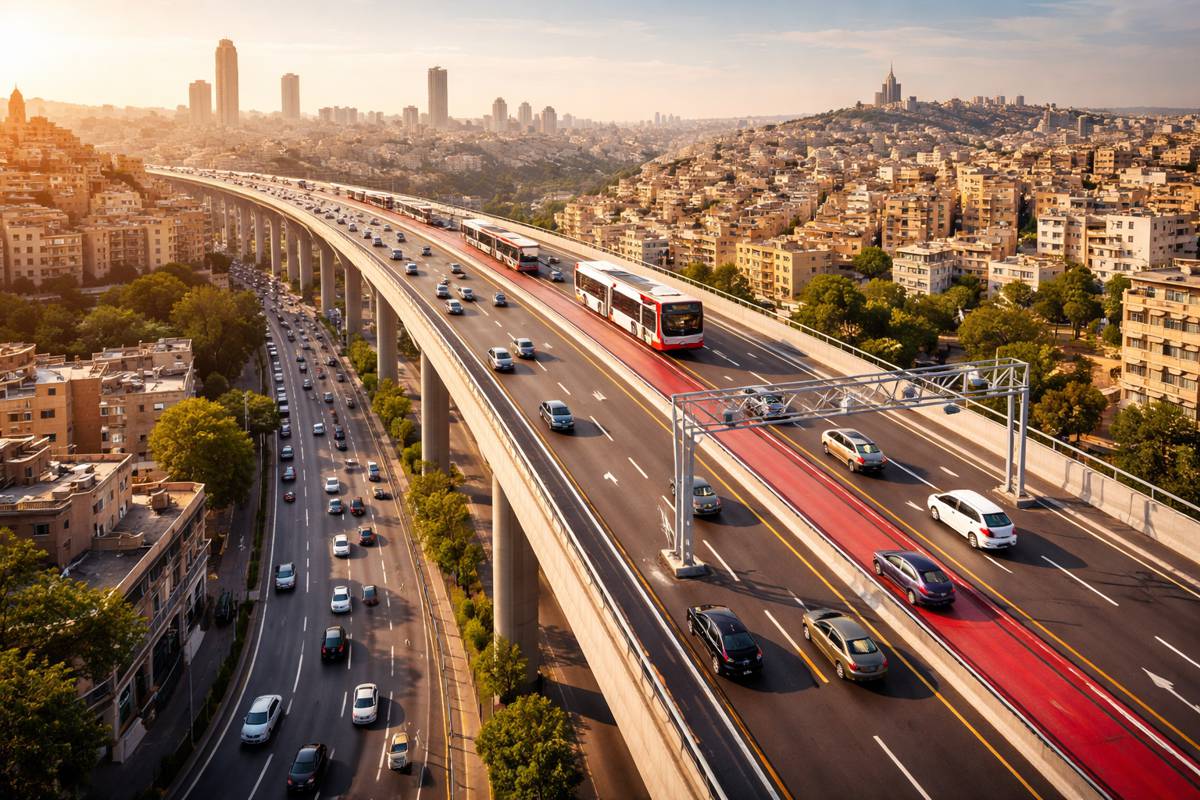
The Bishkek bus programme illustrates how relatively modest investments can deliver wide-ranging benefits. Improved public transport can reduce reliance on private vehicles, easing congestion and lowering emissions. It can also enhance social inclusion by providing affordable and accessible mobility options for all segments of the population.
Building Momentum for Future Transport Upgrades
While the introduction of 219 CNG buses will not solve all of Bishkek’s transport challenges, it establishes a foundation for further improvements. Fleet renewal is often the first step in a longer journey towards modern, integrated transport systems. Once reliability and service quality improve, cities are better positioned to implement complementary measures such as dedicated bus lanes, integrated ticketing systems and, eventually, electrification.
The experience gained through this programme could also inform similar initiatives in other cities across Central Asia. As urban populations continue to grow, the demand for efficient and sustainable transport solutions will only increase. Projects that demonstrate practical, scalable approaches are likely to attract further investment and replication.
In that sense, the significance of the Bishkek initiative extends beyond the immediate benefits to passengers. It highlights a pathway for cities facing similar constraints, showing that incremental improvements, when well-designed and properly financed, can deliver meaningful progress towards cleaner, more inclusive urban mobility.