Future of Electrification Conference Explores Scalable Industrial Electrification
Future of Electrification Conference 2026 is set to take place online, on April 21–22, 2026, marking its fifth edition at a time when electrification is no longer a concept under evaluation but a working reality across industrial sectors. As construction, logistics, manufacturing and off-highway equipment industries face mounting pressure to reduce emissions while maintaining productivity, the conversation has shifted decisively towards implementation, integration and measurable performance.
What sets this event apart is its focus on operational experience rather than theoretical ambition. Electrification is now embedded in warehouses, job sites and industrial fleets, where uptime, reliability and cost control are non-negotiable. The conference positions itself as a forum where lessons learned in real environments are shared openly, offering insight into how electric systems are being deployed, scaled and refined. For construction professionals, investors and policymakers, this reflects a broader transition taking place across the infrastructure ecosystem, where electrification is becoming a core component of asset strategy rather than a peripheral sustainability initiative.
At the centre of this effort is ZAPI GROUP, the organiser behind the event. The company has built its position through a combination of power electronics, electric drivetrains and integrated system solutions, supporting both full-electric and hybrid platforms. With more than 1,700 employees and annual revenues exceeding $700 million, its role reflects the growing industrial scale of electrification technologies. The company’s involvement underscores the shift from fragmented innovation towards coordinated system-level deployment across multiple industries.
Briefing Summary
- The conference highlights the transition of electrification from pilot projects to operational deployment
- Focus is placed on real-world applications across construction, logistics, manufacturing and fleets
- Key stakeholders include OEMs, regulators, robotics specialists and industry media leaders
- Policy developments, particularly from California Air Resources Board, are shaping electrification adoption
- Integration of electrification with automation and AI is emerging as a defining industry trend
From Demonstration Projects to Daily Operations
Electrification in heavy industry has moved well beyond early-stage trials. Over the past decade, advances in battery energy density, power electronics and charging infrastructure have made electric systems viable for increasingly demanding applications. According to the International Energy Agency, electrification is now one of the primary pathways for decarbonising transport and industry, particularly when combined with renewable energy sources.
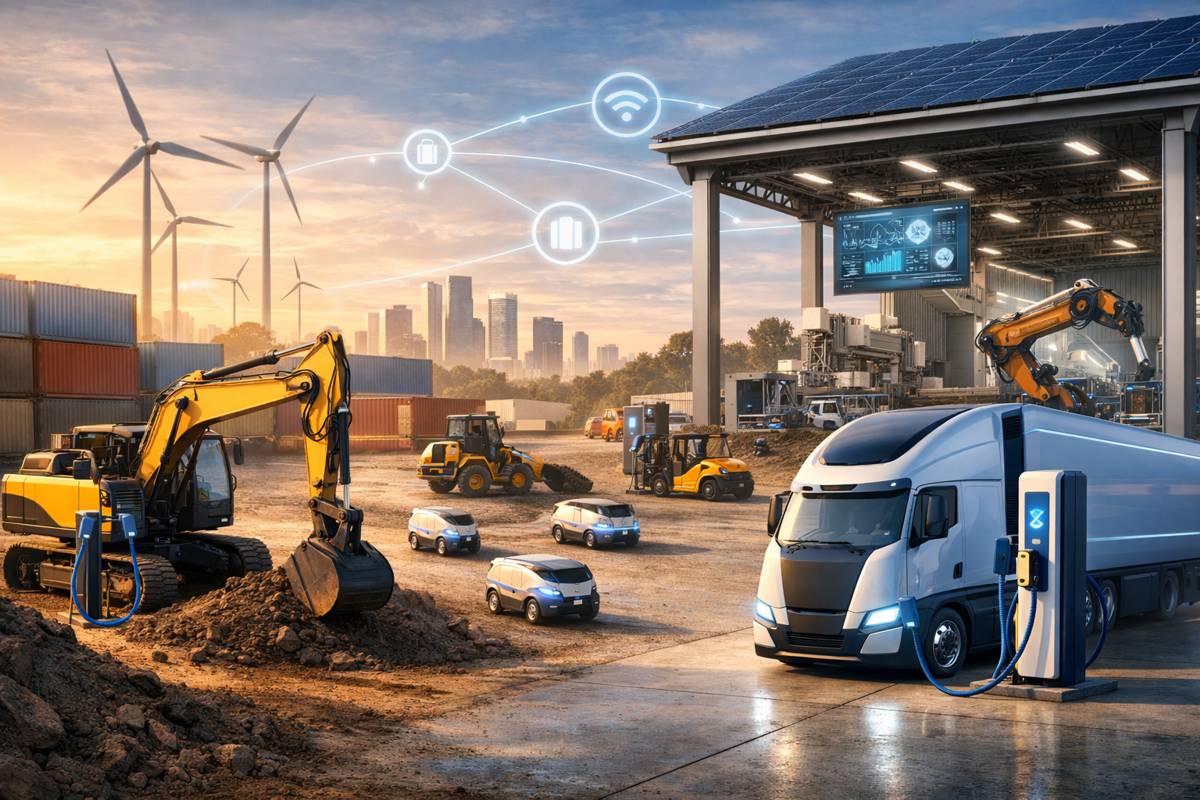
For construction and industrial operators, the implications are practical rather than theoretical. Electric equipment is being deployed on urban construction sites to meet emissions regulations and noise restrictions, while logistics operators are transitioning warehouse fleets to electric drivetrains to improve efficiency and reduce operating costs. These changes are not uniform, however. The real challenge lies in integrating electric systems into existing workflows without disrupting productivity, a theme that sits at the heart of this year’s conference.
The event’s structure reflects this reality. Rather than focusing solely on technology, it brings together OEMs, suppliers and end-users to discuss how electrification performs under real operating conditions. Issues such as charging logistics, battery lifecycle management and system interoperability are given equal weight to innovation, reflecting the maturity of the sector.
Policy Pressure and Regulatory Momentum
Regulation continues to play a decisive role in accelerating electrification. The participation of Matthew Diener from the California Air Resources Board highlights the influence of policy frameworks in shaping industry direction. CARB has been at the forefront of zero-emission vehicle mandates, including regulations targeting off-road equipment, which are directly relevant to construction and industrial sectors.
These regulatory developments are not confined to California. Similar policies are emerging across Europe and Asia, driven by climate targets and urban air quality concerns. For global contractors and equipment manufacturers, this creates both a challenge and an opportunity. Compliance requires investment in new technologies, but it also opens the door to innovation in equipment design, fleet management and energy systems.
The conference provides a platform to examine how these policies translate into operational decisions. It also offers insight into how companies are navigating regulatory complexity, particularly in markets where standards and timelines vary significantly. For policymakers, the event serves as a feedback loop, highlighting the practical implications of regulation on industry operations.
Electrification Meets Automation and AI
One of the defining themes of industrial transformation is the convergence of electrification with automation and digital technologies. This is reflected in the conference’s keynote by Dr. Michelle Dickinson, who will explore how artificial intelligence and advanced technologies are reshaping business and society.
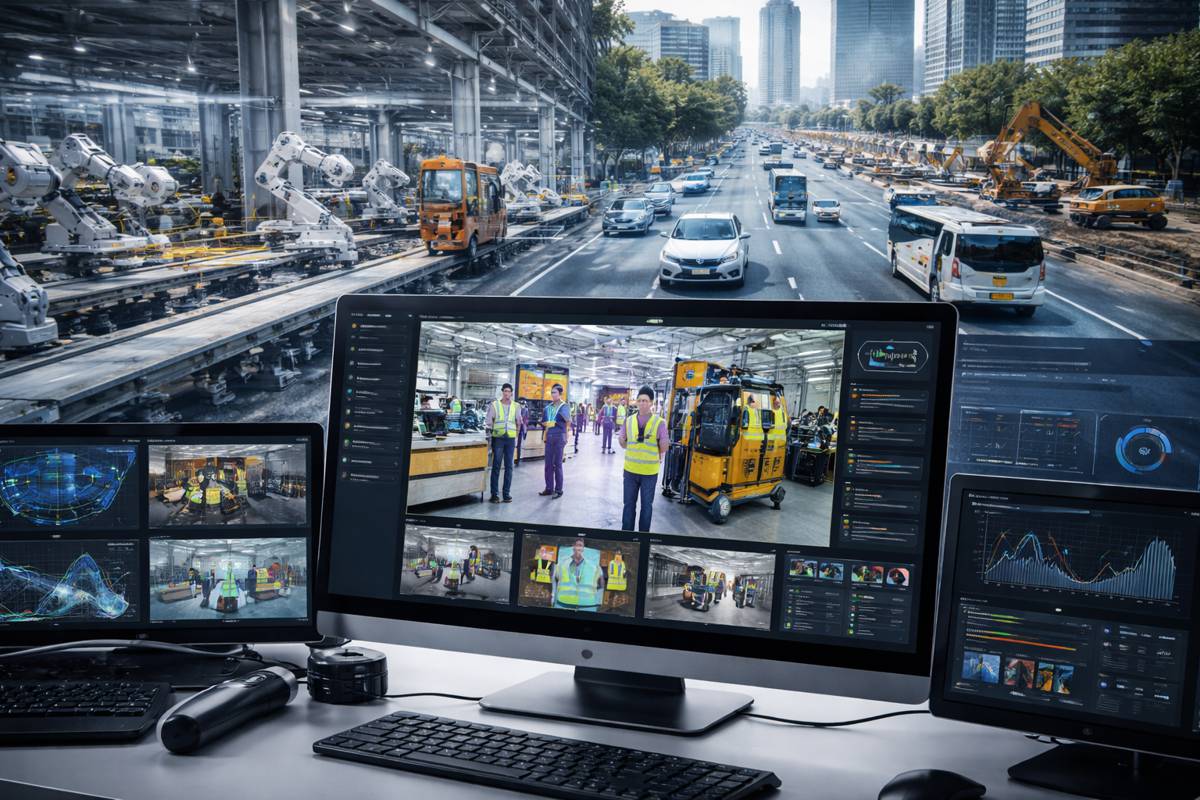
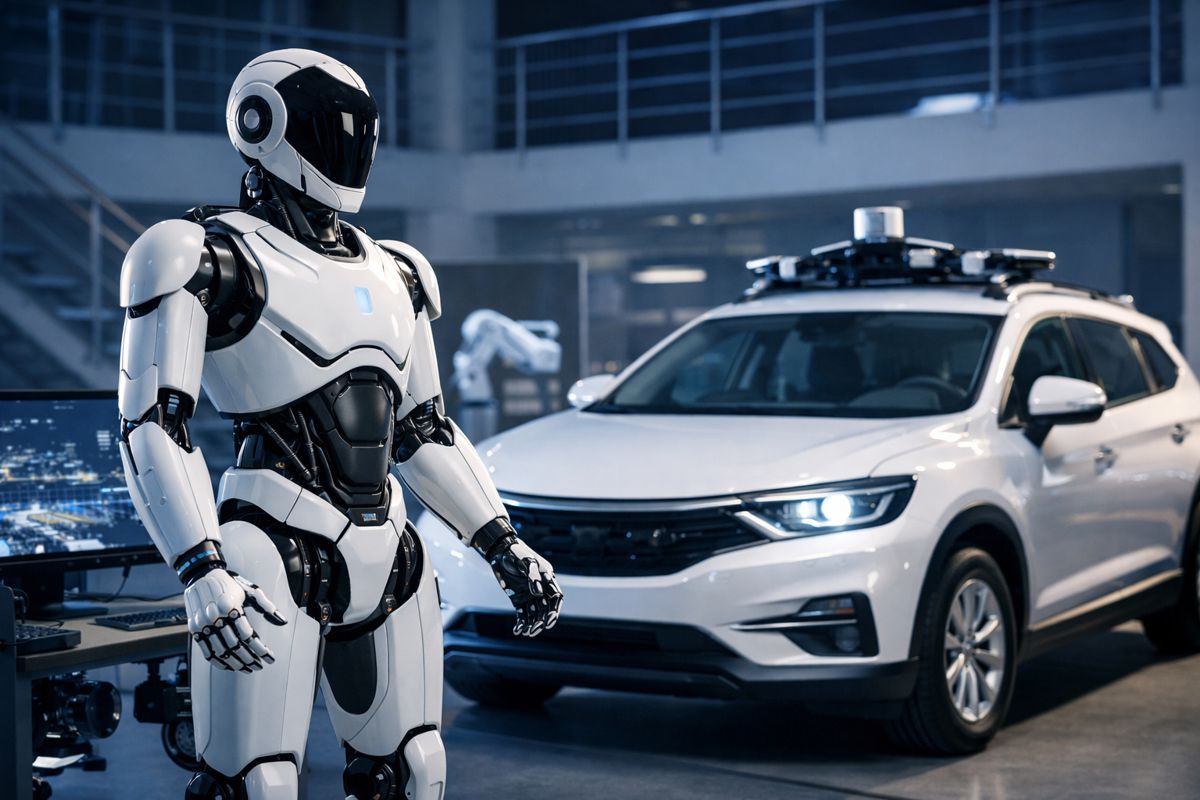
Electrification provides a foundation for automation by enabling precise control of machinery through electric drivetrains and digital interfaces. In turn, automation enhances the efficiency and productivity of electric systems. This synergy is particularly evident in sectors such as warehousing and logistics, where autonomous mobile robots and electric vehicles are increasingly deployed in tandem.
Insights from Javier Miguelez are expected to focus on this intersection. As automation becomes more widespread, the integration of electric systems with robotics platforms is becoming a critical area of development. This has implications not only for efficiency but also for safety, maintenance and workforce dynamics.
The broader context is clear. Electrification is not an isolated trend but part of a wider shift towards digitally enabled, low-emission industrial systems. Understanding how these elements interact is essential for organisations seeking to remain competitive in a rapidly evolving market.
Building a Collaborative Electrification Ecosystem
The conference’s format reflects the complexity of the electrification landscape. Moderated discussions led by industry media figures such as Becky Schultz, Sara Jensen and Kathy Wells aim to bring diverse perspectives into a single conversation. This includes input from equipment manufacturers, technology providers, regulators and end-users.
Such collaboration is increasingly necessary. Electrification is not a single technology but a system involving batteries, power electronics, charging infrastructure, software and operational processes. Successful deployment requires coordination across these elements, as well as alignment between different stakeholders.
This ecosystem approach is evident in the portfolio of ZAPI GROUP, which spans motion controllers, electric motors, battery chargers and software solutions. By integrating these components, the company reflects the broader industry trend towards turnkey systems rather than standalone products. For operators, this reduces complexity and improves reliability, both of which are critical in industrial environments.
Practical Knowledge Driving Industry Progress
“As electrification becomes an everyday reality for industries worldwide, our focus remains on sharing the practical lessons and real-world results that drive progress,” said Claes Avasjo, Executive Director for ZAPI GROUP. “Now in its fifth year, ZAPI GROUP’s Future of Electrification conference has become a trusted forum for practical knowledge and shared learning, bringing leaders together to exchange insights and inspire one another as we collectively shape a more sustainable and innovative future.”
This emphasis on practical knowledge reflects a broader shift in how innovation is approached within the construction and industrial sectors. Rather than focusing solely on breakthrough technologies, the industry is increasingly concerned with how those technologies perform in real-world conditions. Reliability, cost-effectiveness and scalability are now the benchmarks against which innovation is measured.
For attendees, the value of the conference lies in its ability to translate theory into practice. Case studies, operational insights and peer-to-peer discussions provide a level of detail that is often missing from more traditional industry events. This is particularly relevant for decision-makers tasked with implementing electrification strategies within their organisations.
Electrification as a Strategic Imperative
Electrification is no longer a niche consideration within the infrastructure sector. It is becoming a central element of how projects are designed, delivered and operated. From urban construction sites to large-scale logistics networks, the adoption of electric systems is reshaping industry practices.
The Future of Electrification Conference 2026 arrives at a moment when this transformation is accelerating. By focusing on real-world applications and practical outcomes, it provides a clear view of where the industry stands and where it is heading. For construction professionals, investors and policymakers, the message is straightforward. Electrification is not simply about reducing emissions. It is about redefining how industrial systems operate in a low-carbon, digitally connected world.