Birmingham Gears Up as ITS World Congress 2027 Gains Momentum
Momentum is quietly building behind the 2027 Intelligent Transport Systems World Congress in Birmingham, and if early signals are anything to go by, the event is shaping up to be one of the most consequential gatherings in the global mobility calendar. Industry response at the recent Intertraffic Amsterdam has been described by organisers as overwhelmingly positive, reflecting both the United Kingdom’s standing in transport innovation and the growing urgency around digital mobility transformation.
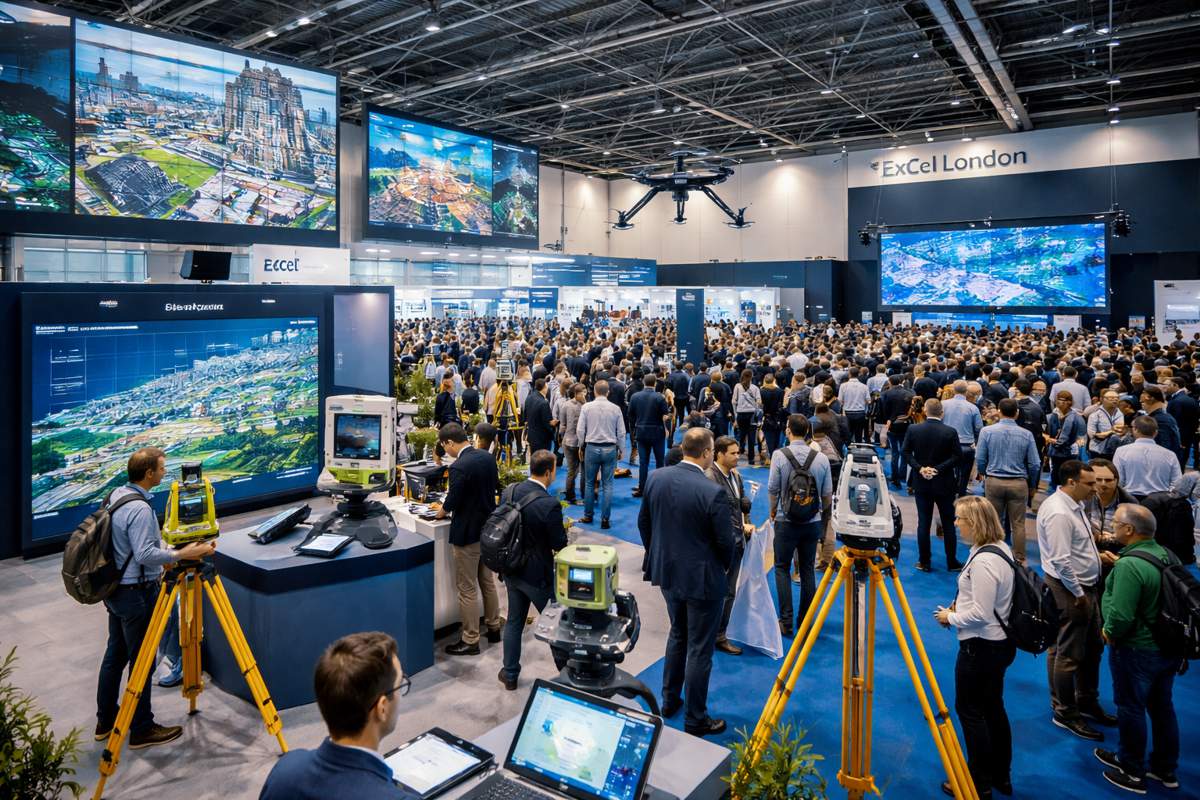
Hosted at the National Exhibition Centre, the Congress arrives at a time when transport systems are under increasing pressure to deliver safer, cleaner and more efficient outcomes. With cities and regions grappling with congestion, emissions targets and ageing infrastructure, intelligent transport systems have moved from niche innovation to critical enabler. Against that backdrop, the return of the ITS World Congress to the UK after more than two decades carries clear strategic weight.
The event is being organised by ERTICO – ITS Europe, with hosting support from Transport for West Midlands and Intelligent Transport Systems UK. Together, they are positioning Birmingham not just as a venue, but as a demonstration of integrated, real-world mobility systems in action. That shift from theory to deployment is precisely what the industry is now demanding.
Briefing
- The ITS World Congress 2027 will take place in Birmingham, marking the UK’s first time hosting the event since 2006
- Around 15,000 global participants are expected, spanning public authorities, industry and research
- Strong early interest was recorded during Intertraffic Amsterdam, reflecting demand for ITS collaboration
- The event will focus on safety, decarbonisation and operational efficiency across transport systems
- Organisers are actively seeking private sector partners to shape future mobility frameworks
A Strategic Moment for Intelligent Transport Systems
The transport sector is undergoing a structural shift. Digitalisation, automation and data-driven decision making are no longer optional upgrades but core requirements for modern infrastructure. Intelligent transport systems sit at the centre of that transition, linking vehicles, networks and users through real-time data flows and predictive analytics.
In the UK, this shift is already visible. Programmes around connected and autonomous vehicles, smart motorways and urban mobility platforms have placed the country among the leading testbeds for ITS deployment. Birmingham, in particular, has emerged as a focal point through initiatives led by Transport for West Midlands, integrating public transport, traffic management and emerging technologies into a unified regional strategy.
Max Sugarman, Chief Executive of Intelligent Transport Systems UK, highlighted the level of industry engagement, stating: “People know that the UK is one of the critical hubs for transport technology innovation, so we’re receiving a lot of excitement around next year’s event. Everywhere we discuss the Congress, we get an overwhelmingly positive response, with people from across different nations, markets and industries telling us that this is a key date in their diary.”
Birmingham as a Living Mobility Laboratory
Hosting the Congress in Birmingham is not a coincidence. The West Midlands has spent the past decade developing a reputation as a proving ground for integrated mobility solutions, supported by national policy frameworks and targeted investment. From real-time traffic control systems to trials of connected vehicle technologies, the region offers a tangible demonstration of how ITS can operate at scale.
Jordan Cowley of Transport for West Midlands underscored the collaborative ambition behind the event, noting: “The reception at Intertraffic has been incredible. It’s clear that while our geographies differ, we are all navigating the same complex challenges in safety, decarbonisation, and efficiency. With the full backing of central government, our ambition is to showcase a truly integrated transport strategy that transcends borders. There is real excitement about connecting the wider ITS ecosystem – bringing together people, businesses, and technology in a way that hasn’t been seen before. We know that to deliver this vision for 2027, the private sector is essential. We aren’t just looking for exhibitors; we’re looking for partners to help us build a roadmap for the future of global mobility.”
That emphasis on partnership reflects a broader industry reality. Delivering intelligent transport systems at scale requires coordination across public authorities, technology providers, infrastructure operators and investors. Events such as the ITS World Congress are increasingly acting as platforms to align those interests and accelerate deployment.
Global Collaboration Driving the Agenda
The ITS World Congress has long served as a convergence point for the international mobility community, and the 2027 edition is expected to reinforce that role. With around 15,000 participants anticipated, the event will bring together policymakers, engineers, data scientists and business leaders from across continents.
This global perspective is essential. Transport challenges are rarely confined to national boundaries, and solutions developed in one region often inform approaches elsewhere. Whether it is congestion pricing in urban centres, digital tolling systems or autonomous freight corridors, the exchange of knowledge remains central to progress.
ITS America and ITS Asia-Pacific are both represented on the International Programme Committee, ensuring that the Congress programme reflects a genuinely international outlook. That breadth of input will shape technical sessions, policy discussions and demonstration projects throughout the five-day event.
Joost Vantomme, CEO of ERTICO, reinforced the importance of this collaborative approach: “The week at Intertraffic is not only about promoting the ITS Congresses, but also about gaining fresh inspiration. Intertraffic Amsterdam 2026 is giving a strong impetus to the traffic and road sector, and the technology agenda starts to shine here. With the ITS European Congress 2026 in Istanbul at the end of April and the ITS World Congress 2027 in Birmingham next year, we demonstrate what makes the ITS community unique: we focus on thought leadership, connecting the research and innovation community with public authorities, policymakers, and industry. These events offer a week-long experience of innovation in mobility and policy.”
Industry Participation and Commercial Opportunity
Beyond its role as a knowledge-sharing platform, the ITS World Congress is also a significant commercial opportunity. The exhibition floor is expected to host a wide range of technology providers, from established engineering firms to emerging data analytics and AI companies. Demonstrations, pilot projects and live showcases will provide a direct link between innovation and implementation.
At Intertraffic Amsterdam, a joint UK pavilion featured companies such as AECOM, Navtech Radar and TRL, alongside a broader cohort of technology specialists. Their presence highlighted the depth of the UK’s ITS ecosystem and its export potential in global markets.
For businesses, the Congress offers more than visibility. It provides access to decision-makers, project pipelines and partnership opportunities that can translate into long-term commercial relationships. Organisers have made it clear that participation is not limited to exhibition space, with partnership models designed to integrate private sector expertise into the programme itself.
Technology Themes Shaping the Congress
The overarching theme, “Connect Ideas. Transform Transport.”, reflects the convergence of several technology trends that are reshaping the sector. These include connected vehicle ecosystems, digital twins for infrastructure management, AI-driven traffic optimisation and integrated mobility platforms that combine multiple transport modes.
Decarbonisation remains a central driver. With governments worldwide setting ambitious net zero targets, transport systems are under pressure to reduce emissions without compromising performance. Intelligent transport systems contribute by optimising traffic flow, reducing congestion and enabling more efficient use of infrastructure.
Safety is another critical focus area. Advanced sensing technologies, predictive analytics and automated systems are being deployed to reduce accidents and improve network reliability. As these technologies mature, the challenge shifts from pilot projects to large-scale implementation, a transition that will be a key topic at the Congress.
Building Towards 2027 and Beyond
With the call for technical papers and special interest sessions expected to launch in late 2026, the programme for the Congress is already beginning to take shape. Industry stakeholders are being encouraged to contribute not just research, but practical case studies that demonstrate real-world impact.
The return of the ITS World Congress to the UK after its last appearance in London in 2006 highlights how much the sector has evolved. Back then, many of today’s technologies were still conceptual. Today, they are being deployed at scale, supported by advances in computing power, connectivity and data analytics.
Looking ahead, the Birmingham event will serve as both a snapshot of current capability and a marker of where the industry is heading next. As transport systems become increasingly interconnected and data-driven, the need for coordinated, global approaches will only intensify.
A Platform for the Next Phase of Mobility
By the time delegates gather in Birmingham in October 2027, the conversation around intelligent transport systems will have moved further towards implementation and integration. The Congress is set to capture that transition, bringing together the ideas, technologies and partnerships needed to deliver the next phase of mobility.
For the construction and infrastructure sectors, the implications are significant. Intelligent transport systems are no longer an add-on but a core component of modern infrastructure projects. From design and planning through to operation and maintenance, digital technologies are reshaping how transport networks are built and managed.
Birmingham’s role as host city places it at the centre of that transformation, offering a platform to demonstrate how integrated, data-driven transport systems can be delivered in practice. If early industry sentiment is any indication, the 2027 ITS World Congress will be more than just another event. It will be a milestone in the ongoing evolution of global mobility.