Sea Breeze Digital Twin Sets New Benchmark for Real Estate Visualisation
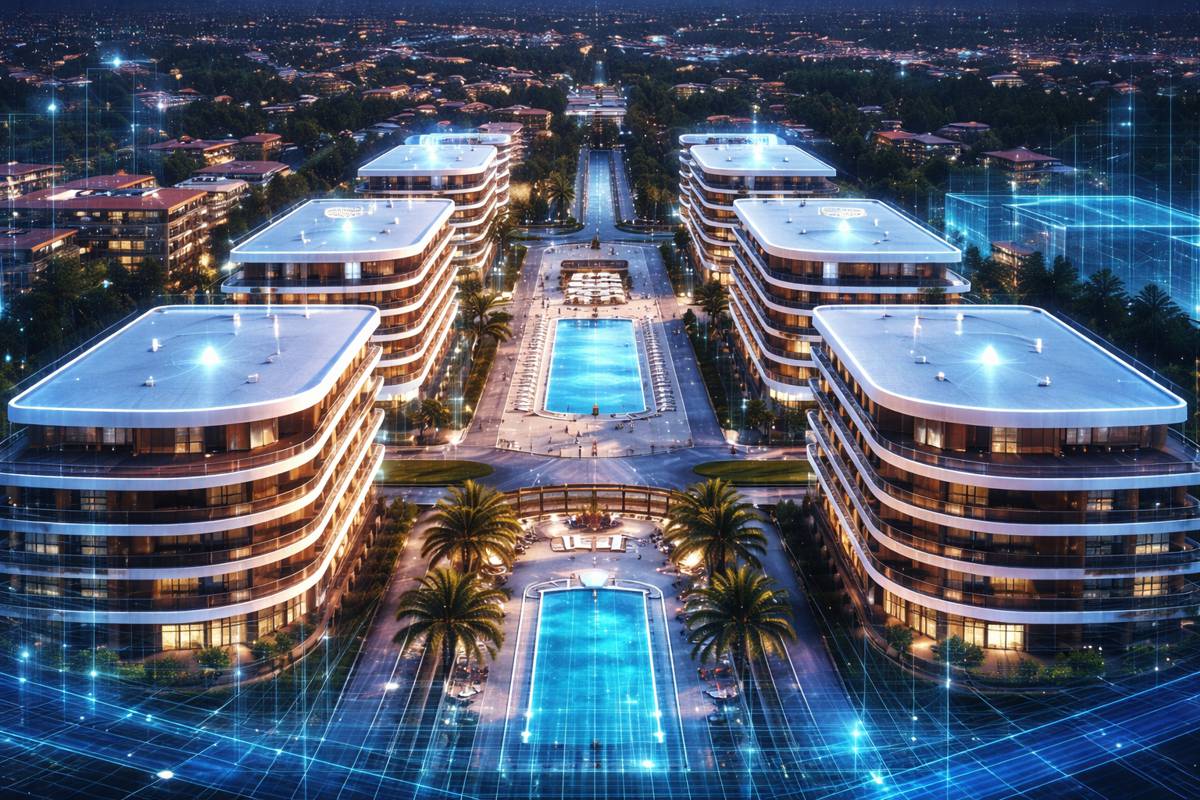
In an industry where scale is often difficult to communicate and even harder to fully comprehend, the unveiling of a vast real estate digital twin at MIPIM 2026 signals a notable shift in how complex developments are presented, analysed and ultimately delivered. The collaboration between Sea Breeze and Fortes Vision has produced what is described as the largest digital twin ever created for a single real estate project, bringing together more than 100 buildings and over 11,000 residential units within a unified, real-time environment.
Set in the prestigious French city of Cannes, where global developers, investors and urban planners gather annually to assess the direction of the property market, the announcement carries weight beyond its immediate technical achievement. It reflects a broader transition underway across construction and infrastructure, where static visuals are steadily being replaced by immersive, data-rich environments that allow stakeholders to engage with projects long before ground is broken.
At the centre of this development is a fundamental challenge. As projects grow in size and complexity, traditional tools such as renderings, animations and brochures begin to fall short. They offer snapshots rather than systems, fragments rather than context. For a development spanning 1,750 hectares on the Caspian coast, that limitation becomes impossible to ignore.
Briefing
- Largest single-development real estate digital twin unveiled at MIPIM 2026
- Covers over 100 buildings and 11,000 residential units in one environment
- Built using Unreal Engine for full real-time navigation
- Enables exploration from city scale down to individual apartments
- Reflects wider adoption of digital twins across construction and infrastructure
From Visualisation to Immersive Infrastructure Intelligence
The Sea Breeze development itself is not a conventional real estate scheme. Located along the Caspian coastline in Azerbaijan, it has evolved over nearly two decades into a master-planned city resort combining residential districts, hospitality assets, leisure facilities and marine infrastructure. With such diversity embedded into a single masterplan, communicating its full scope becomes a logistical and conceptual challenge.
This is precisely where the digital twin comes into play. Rather than presenting individual components in isolation, the model integrates every element into a continuous, navigable environment. Streets connect seamlessly to waterfronts, residential clusters transition into hospitality zones, and public spaces emerge as part of a coherent urban fabric.
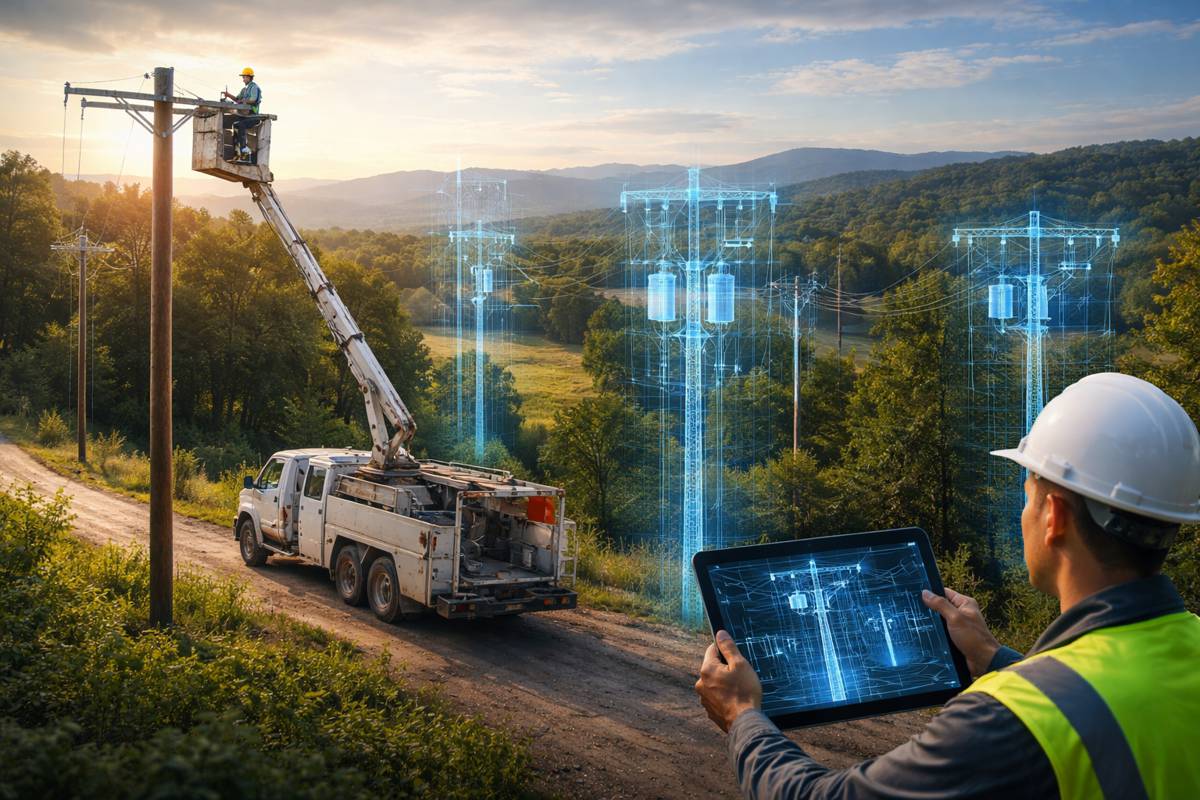
What makes this particularly relevant for infrastructure professionals is not simply the visual fidelity, but the spatial coherence. Projects of this magnitude depend on how systems interact. Transport access, pedestrian flow, utilities and land use planning all intersect. A digital twin provides a framework where these relationships can be explored intuitively, not just analysed abstractly.
Built on Real Time Engines Driving Industry Change
At the technical core of the project sits Unreal Engine 5, a platform increasingly adopted beyond gaming into architecture, engineering and construction. Its ability to render photorealistic environments in real time allows users to move freely through large-scale models without pre-rendered constraints.
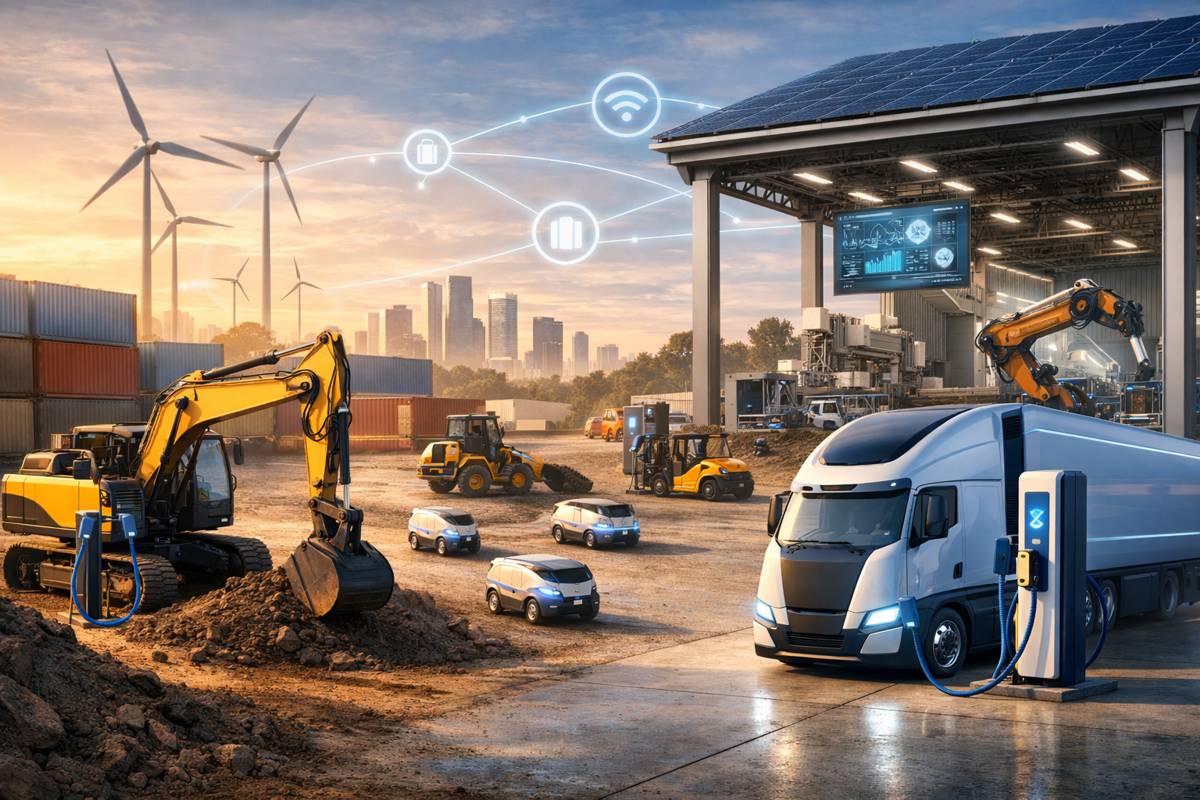
This shift towards real-time engines is not happening in isolation. Across the construction sector, digital twins are becoming integral to project planning, asset management and stakeholder engagement. According to research from organisations such as McKinsey & Company, digital twin technologies have the potential to reduce project costs and improve delivery timelines by enabling better decision-making earlier in the lifecycle.
In practice, that means fewer surprises during construction, improved coordination between disciplines and clearer communication with investors and regulators. For developers, it also opens up new ways to market projects, allowing prospective buyers to experience properties before they exist physically.
Navigating a City Before It Exists
One of the defining features of the Sea Breeze digital twin is its ability to operate across multiple scales. Users can transition from an aerial overview of the entire development down to street-level exploration, and even into individual apartments.
This level of accessibility changes how different stakeholders interact with the project. Investors can assess overall layout and density, urban planners can evaluate spatial relationships, and potential residents can understand the experience of living within the development. It effectively collapses the gap between concept and reality.
The ability to explore individual units is particularly noteworthy. Users can examine layouts, understand sightlines and evaluate how apartments relate to surrounding spaces. In traditional sales processes, this would require multiple layers of drawings, renderings and physical showrooms. Here, it is delivered through a single, unified interface.
A Response to Scale and Complexity
Oleh Bushanskyi, Co-Founder of Fortes Vision, captures the underlying rationale succinctly. “At a certain scale, you can no longer explain a project through separate images — you need an environment people can actually move through. That’s where the digital twin becomes essential.”
That statement reflects a wider reality facing the construction and real estate sectors. As developments become larger and more integrated, communication tools must evolve accordingly. The industry is no longer dealing with isolated buildings but with interconnected ecosystems.
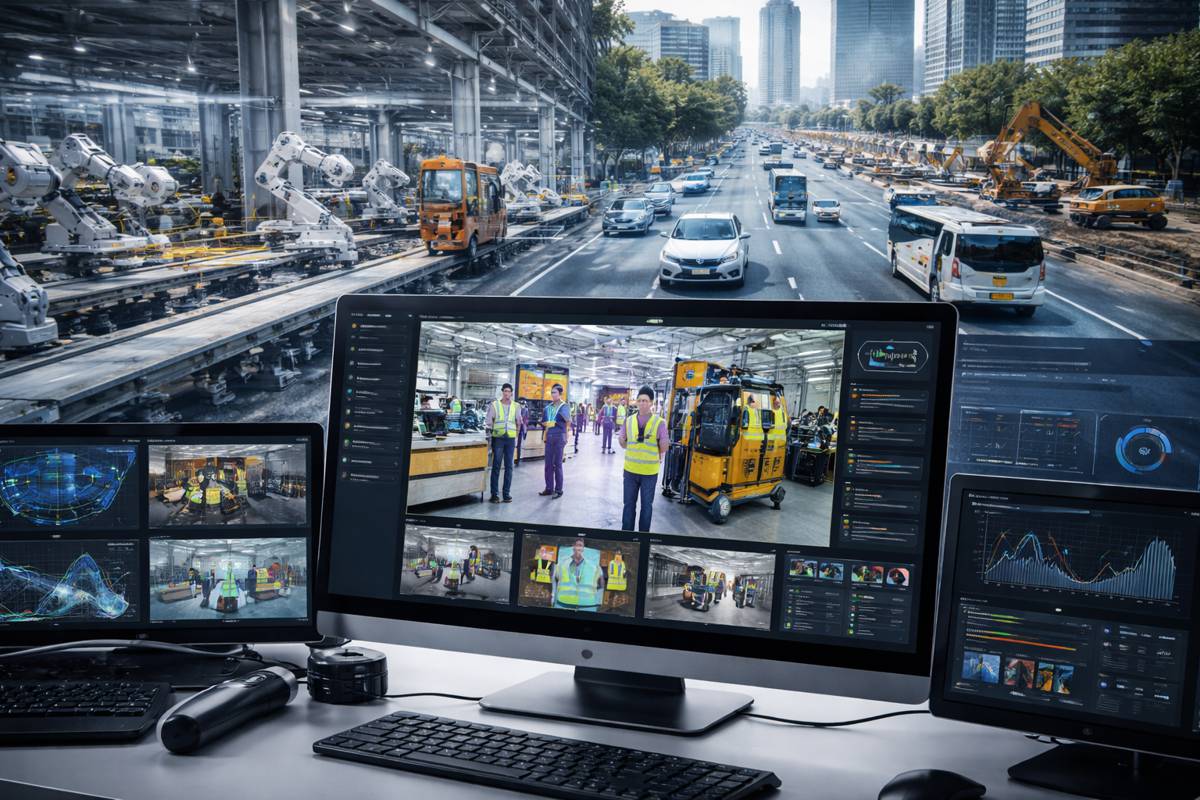
In this context, digital twins are not merely visualisation tools. They are becoming operational platforms that support planning, coordination and long-term asset management. While the Sea Breeze model is currently positioned as a marketing and presentation tool, the same underlying technology could be extended into construction monitoring, facility management and urban analytics.
Implications for Global Construction and Investment
The emergence of large-scale digital twins introduces new dimensions to project evaluation. Being able to experience a development spatially allows for more informed decisions around viability, design quality and user experience.
This is particularly relevant in emerging markets and large master-planned developments, where projects often involve significant capital investment and long delivery timelines. Reducing uncertainty at the early stages can have a meaningful impact on financing structures and risk assessment.
From a construction perspective, the integration of digital twins aligns closely with broader trends such as Building Information Modelling, smart infrastructure and data-driven asset management. While BIM focuses on detailed design and engineering data, digital twins extend that concept into a fully interactive environment that can evolve throughout the lifecycle of the asset.
Bridging Real Estate, Technology and Urban Planning
The collaboration between Sea Breeze and Fortes Vision also highlights a growing convergence between real estate development and advanced technology platforms. What was once the domain of architects and planners is now increasingly influenced by software developers, game engines and data specialists.
This convergence is reshaping expectations across the industry. Stakeholders are no longer satisfied with static representations. They expect dynamic, interactive environments that provide deeper insight into how projects will function in reality.
For regions such as the Caspian corridor, where large-scale developments are part of broader economic diversification strategies, this approach offers a competitive advantage. It enables projects to be communicated more effectively on the global stage, attracting international investors and partners.
Towards a More Transparent Built Environment
As digital twins become more prevalent, they may also contribute to greater transparency within the construction and real estate sectors. By making projects more accessible and understandable, they reduce the information gap between developers, investors and end users.
This has potential implications for public engagement as well. Large developments often face scrutiny around environmental impact, urban integration and social value. Providing an interactive model allows stakeholders to engage with proposals in a more meaningful way, potentially improving trust and collaboration.
At the same time, the technology raises new questions around data integration, standardisation and long-term maintenance of digital assets. As models become more detailed and interconnected, ensuring their accuracy and relevance over time will be critical.
Digital Twins Move From Concept to Industry Standard
What Sea Breeze and Fortes Vision have demonstrated is not simply a technical milestone, but a glimpse into how large-scale developments may be conceived, communicated and managed in the years ahead. The scale of the model underscores how far digital twin technology has progressed, moving from experimental applications into practical, industry-ready solutions.
For construction professionals, the message is clear. The tools used to design and deliver infrastructure are evolving rapidly, and those who adopt them early will be better positioned to navigate increasingly complex projects. For investors, the ability to experience developments before they are built offers a new layer of confidence in decision-making.
As the industry continues to embrace digital transformation, the line between physical and virtual environments will become increasingly blurred. Projects will be built twice, first in a digital space where they can be tested and refined, and then in the real world.