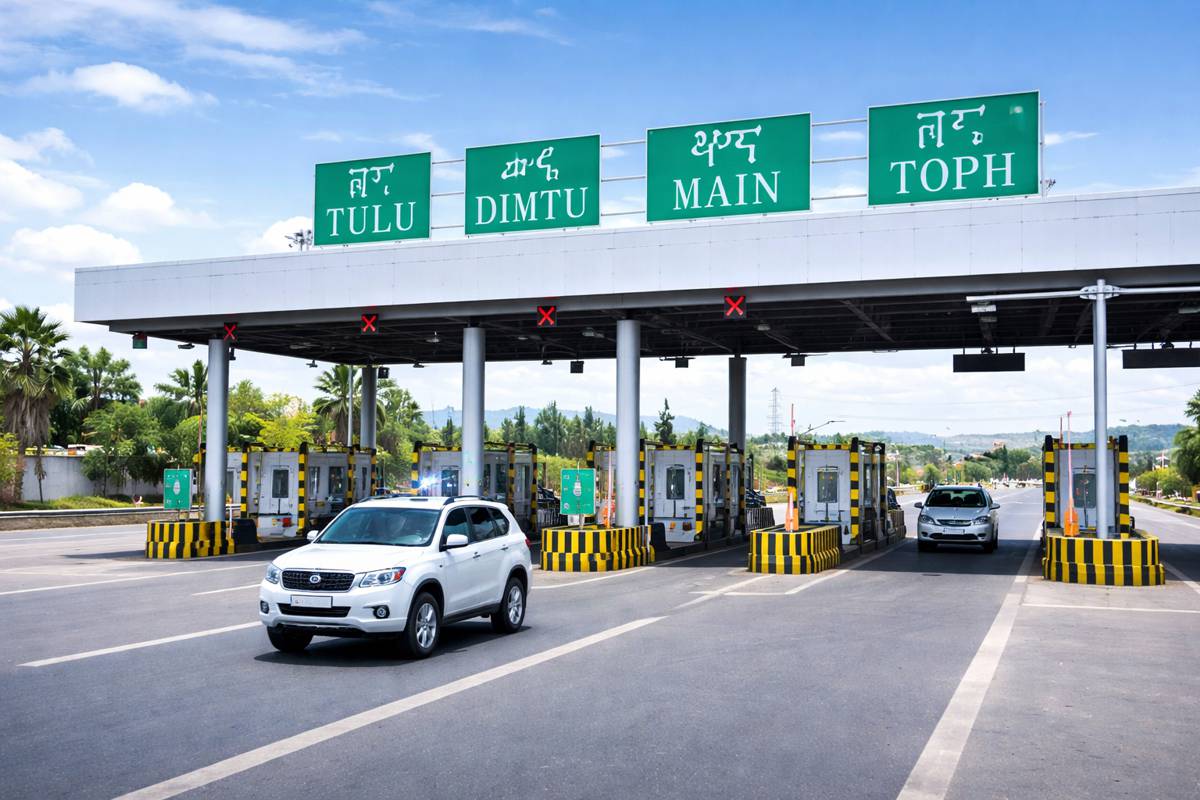
Ethiopia Accelerates Smart Tolling with telebirr Digital Payments Integration
Ethiopia’s push towards digitised infrastructure has taken a decisive step forward as Ethio telecom and Ethiopian Toll Roads Enterprise roll out an integrated toll payment and service platform powered by telebirr. Anchored on the strategically vital Addis Ababa-Adama Expressway, the initiative signals a broader shift in how transport infrastructure is financed, managed and experienced across emerging economies.
At its core, the system combines RFID-enabled tolling with a mobile financial ecosystem, bringing together road user payments, enforcement penalties and operational services into a single digital framework. While the technology itself isn’t new globally, its implementation in Ethiopia reflects a growing trend: infrastructure operators are no longer just building roads, they are building integrated digital platforms around them.
This development lands at a time when African economies are accelerating investment in smart mobility solutions. With urbanisation rising and freight corridors becoming increasingly critical to trade, the efficiency of toll roads directly affects logistics performance, economic productivity and investor confidence. In that sense, Ethiopia’s move is less about convenience and more about reshaping how infrastructure supports national growth.
Briefing
- Ethiopia launches RFID-based tolling and digital payment ecosystem on a key expressway
- telebirr platform integrates toll payments, penalties and road services into one system
- Manual processes replaced by automation, improving efficiency and transparency
- Real-time revenue tracking and reduced leakage strengthen infrastructure financing
- Initiative aligns with Digital Ethiopia 2030 roadmap
A Strategic Shift in Infrastructure Management
The integration of digital payments into tolling operations marks a structural change in how transport infrastructure is managed. Traditionally, toll roads in many developing markets have relied heavily on cash-based systems, manual reconciliation and fragmented enforcement mechanisms. These inefficiencies have long undermined revenue collection and operational transparency.
By introducing a centralised digital ecosystem, Ethiopia is effectively closing those gaps. The new system consolidates toll payments, traffic violation penalties and auxiliary road services into a unified platform. This approach not only simplifies user interaction but also creates a reliable data backbone for operators.
Globally, this aligns with a wider industry shift towards intelligent transport systems. Countries such as India and China have already demonstrated the impact of RFID-based tolling. India’s FASTag programme, for instance, has significantly reduced congestion while boosting toll revenues through improved compliance. Ethiopia appears to be following a similar trajectory, albeit tailored to its domestic digital ecosystem.
telebirr as a Financial Backbone for Mobility
The role of telebirr in this transformation cannot be overstated. As a rapidly growing mobile financial platform in Ethiopia, it provides the transactional infrastructure needed to support high-frequency, low-value payments such as tolls and service fees. Embedding tolling within a widely used digital wallet increases adoption and reduces friction for users.
From a systems perspective, this integration does more than enable payments. It creates interoperability between financial services and physical infrastructure. Drivers can manage accounts, top up balances and pay penalties without interacting with multiple agencies or platforms. That consolidation reduces administrative overhead while improving user experience.
For policymakers, this model offers a blueprint for linking infrastructure services with digital finance ecosystems. It demonstrates how telecom-led financial platforms can play a central role in infrastructure modernisation, particularly in markets where traditional banking penetration remains limited.
RFID Technology Driving Non-Stop Mobility
The introduction of RFID-enabled tolling represents a significant operational upgrade for Ethiopia’s expressway network. Vehicles equipped with RFID tags are automatically detected at toll points, allowing fees to be deducted without requiring drivers to stop.
This “non-stop” model has been proven globally to reduce congestion, lower fuel consumption and cut emissions caused by idling vehicles. On busy corridors such as the Addis Ababa-Adama Expressway, even marginal reductions in delay can translate into significant economic gains.
Beyond efficiency, RFID systems also enhance enforcement. By linking vehicle identification with payment accounts and registration data, operators gain greater control over compliance. This reduces the likelihood of toll evasion and strengthens revenue assurance mechanisms.
Eliminating Bottlenecks in Toll Operations
Before the introduction of this digital platform, toll operations and associated payments were largely manual. Cash handling, physical receipts and delayed reconciliation processes created multiple points of failure. These inefficiencies often resulted in long queues, reporting delays and potential revenue leakage.
The new system addresses these challenges head-on by automating key workflows. Payments for road services such as towing, parking and damage compensation are now processed digitally. Traffic penalties, including violations related to overweight vehicles or unauthorised access, are integrated into the same platform.
From an operational standpoint, automation reduces human error and improves consistency. It also enables real-time reporting, giving operators immediate visibility into revenue streams and system performance. That level of insight is essential for managing modern infrastructure assets.
Data, Transparency and Revenue Assurance
One of the most significant advantages of digitised tolling systems lies in data generation. Every transaction creates a digital record, forming a comprehensive dataset that can be analysed to improve operations and planning.
For the Ethiopian Toll Roads Enterprise, this translates into better financial oversight. Real-time dashboards allow for continuous monitoring of revenue flows, helping to identify anomalies and prevent leakage. Role-Based Access Control further strengthens governance by ensuring that only authorised personnel can access sensitive information.
Internationally, such systems have been shown to improve investor confidence in infrastructure projects. Transparent and predictable revenue streams are a key factor in attracting private sector participation, particularly in public-private partnership models. Ethiopia’s move towards digital tolling could therefore have implications beyond operational efficiency, influencing how future infrastructure projects are financed.
Enhancing User Experience and Accessibility
From the user’s perspective, the shift to digital tolling simplifies what has traditionally been a cumbersome process. Drivers no longer need to carry cash, wait in queues or navigate multiple payment channels. Instead, they can manage everything through a single mobile interface.
The system also introduces flexibility for fleet operators. With the ability to manage multiple vehicles under a single account, logistics companies can streamline their operations and reduce administrative burdens. This is particularly relevant in a market where road transport plays a dominant role in freight movement.
Accessibility is another important factor. By leveraging a widely adopted mobile platform, the system ensures that digital tolling is not limited to a narrow segment of users. Instead, it becomes part of a broader ecosystem that supports financial inclusion.
Aligning with National Digital Transformation Goals
Ethiopia’s investment in digital tolling aligns closely with its long-term development strategy. The Digital Ethiopia 2030 roadmap emphasises the integration of technology across public services, aiming to create a more efficient and inclusive economy.
Transport infrastructure is a natural starting point for such initiatives. Roads are not just physical assets, they are economic enablers. Improving their efficiency has a multiplier effect across sectors, from agriculture and manufacturing to trade and logistics.
By embedding digital capabilities into its expressway network, Ethiopia is effectively future-proofing its infrastructure. It is creating a platform that can support additional services over time, from traffic management systems to data-driven planning tools.
Setting a Template for Emerging Markets
Ethiopia’s approach offers valuable lessons for other countries facing similar challenges. Many emerging economies struggle with outdated tolling systems, fragmented payment processes and limited financial transparency. Integrating digital payments with RFID technology provides a scalable solution to these issues.
What stands out is the emphasis on ecosystem thinking. Rather than treating tolling as a standalone function, the initiative integrates it into a broader digital framework. This creates opportunities for cross-sector collaboration and innovation.
As infrastructure investment continues to rise across Africa and other developing regions, such models are likely to gain traction. They offer a way to maximise the value of existing assets while laying the groundwork for smarter, more connected transport systems.
Building a Digitally Enabled Transport Future
The collaboration between Ethio telecom and the Ethiopian Toll Roads Enterprise reflects a broader shift in how infrastructure is conceived and delivered. It is no longer sufficient to build roads that simply move vehicles from one point to another. The focus is shifting towards creating intelligent systems that enhance efficiency, transparency and user experience.
By combining RFID technology with a mobile financial platform, Ethiopia has taken a meaningful step in that direction. The initiative demonstrates how digital tools can address long-standing operational challenges while opening new avenues for growth and innovation.
As the system matures, its impact will likely extend beyond the Addis Ababa-Adama Expressway. It could influence how other infrastructure projects are designed and managed, both within Ethiopia and across the region. For industry stakeholders, it serves as a reminder that the future of infrastructure lies at the intersection of physical assets and digital ecosystems.