Electric Pick-Up Economics Take Centre Stage with KGM Musso EV Debut
The arrival of a fully electric pick-up that undercuts traditional cost structures is more than a product launch. It signals a shift in how commercial vehicle operators evaluate fleets. At the 2026 Commercial Vehicle Show 2026, KGM Motors UK has placed that shift front and centre with the debut of the Musso EV, a vehicle that blends electrification with working utility in a segment long dominated by diesel.
With a confirmed price of £39,995 including VAT and eligibility for the UK’s Plug-in Van Grant, the Musso EV enters the market at a point that challenges long-standing assumptions about electric commercial vehicles being a premium proposition. More significantly, its 4% Benefit-in-Kind rate for the 2026 to 2027 tax year places it among the lowest personal tax burdens in the sector, reshaping the economics for company vehicle users and fleet managers alike.
Briefing
- Fully electric pick-up priced at £39,995 including VAT with £5,000 Plug-in Van Grant applied
- 4% Benefit-in-Kind rate delivers one of the lowest tax costs in the commercial vehicle segment
- 80.6 kWh battery offering up to 240 miles of range with rapid charging capability
- Payload of 690 kg and towing capacity of 2.3 tonnes retains core utility credentials
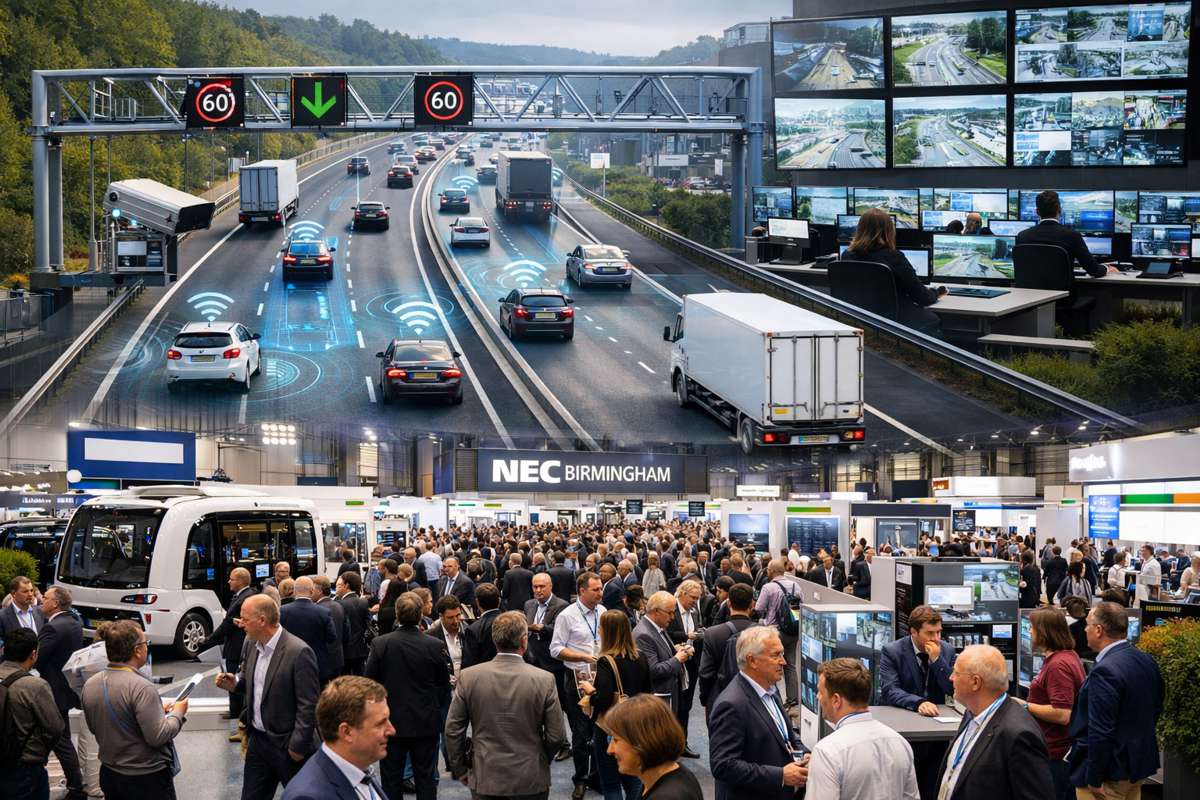
- Debuts alongside established diesel models at the NEC Birmingham event
Redefining Cost Structures in the Pick-Up Segment
Electric vans have already made inroads into urban logistics, yet pick-ups have remained one of the last strongholds of diesel. That’s largely due to the need for towing capacity, payload strength and reliability in demanding environments such as construction, utilities and agriculture. The Musso EV enters this space with a proposition that attempts to close that gap without inflating cost.
The significance lies not just in the list price but in the total cost of ownership. The combination of government incentives, lower taxation and reduced running costs alters the financial equation. Electricity remains cheaper per mile than diesel in most UK operating conditions, and maintenance requirements are typically lower due to fewer moving parts. For fleet operators managing dozens or hundreds of vehicles, these incremental savings compound quickly.
Across Europe, tightening emissions regulations and low-emission zones are accelerating the transition away from internal combustion engines. The UK’s Plug-in Van Grant, currently offering up to £5,000 support, is part of a broader policy framework designed to reduce fleet emissions. Against this backdrop, a competitively priced electric pick-up is less a novelty and more a strategic response to regulatory and economic pressure.
Balancing Utility With Electrification
A common criticism of electric commercial vehicles is that capability often takes a back seat to efficiency. The Musso EV attempts to counter that perception by retaining core working attributes expected of a pick-up. With a payload of 690 kg and towing capacity of 2.3 tonnes, it aligns with the operational requirements of many site-based roles, from materials transport to light equipment hauling.
Under the surface, the vehicle is built around an 80.6 kWh lithium iron phosphate battery supplied by BYD. LFP chemistry is increasingly favoured in commercial applications due to its durability, thermal stability and longer lifecycle compared to nickel-based alternatives. These characteristics matter in fleet environments where vehicles are expected to operate intensively over extended periods.
Range is quoted at up to 240 miles, which positions the vehicle for daily site-to-site operations without requiring frequent charging. Rapid charging capability, allowing a 20% to 80% recharge in around 31 minutes, provides operational flexibility, particularly for businesses with access to depot-based fast charging infrastructure.
Performance and Drivetrain Considerations
Electric drivetrains offer inherent advantages in torque delivery, and the Musso EV capitalises on this with 339 Nm available from the outset. This translates into smoother acceleration under load and improved drivability in stop-start conditions, which are typical of urban construction environments.
The inclusion of a full-time all-wheel-drive system reflects the continued importance of traction and stability in off-road or uneven terrain. Combined with load-sensitive and self-levelling rear suspension, the vehicle is engineered to maintain performance consistency whether carrying materials or operating unladen.
These engineering choices suggest a deliberate effort to ensure that electrification does not compromise the practical expectations placed on a working vehicle. For contractors and operators, reliability and predictability remain paramount, regardless of powertrain.
Market Context and Competitive Landscape
The introduction of an electric pick-up into the UK market comes at a time when manufacturers are gradually expanding their electrified commercial offerings. While electric vans have become more commonplace, the pick-up category has lagged behind, with only a limited number of entrants globally.
This creates both an opportunity and a challenge. Early adopters may benefit from lower operating costs and favourable tax treatment, but they also face considerations around charging infrastructure and residual values. The Musso EV’s pricing strategy and tax advantages aim to mitigate these concerns, positioning it as an accessible entry point rather than a speculative investment.
From a policy perspective, governments are increasingly focused on decarbonising commercial transport. The UK’s broader net zero targets, alongside similar initiatives across Europe, are likely to drive further incentives and regulatory changes. Vehicles such as the Musso EV align with this trajectory, offering a practical pathway for businesses to reduce emissions without sacrificing operational capability.
A Broader Line-Up Reflecting Transition
While the spotlight is firmly on electrification, KGM’s presence at the event also highlights the continued relevance of conventional powertrains. Alongside the Musso EV, the company is showcasing the Musso Saracen and Rexton Commercial models, both of which remain rooted in diesel performance.
This dual offering reflects the reality of a transitional market. Not all operators are ready or able to switch to electric vehicles immediately, particularly those operating in regions with limited charging infrastructure or requiring higher towing capacities.
By presenting both electric and diesel options, the company acknowledges the diverse needs of its customer base: “The Commercial Vehicle Show is the perfect stage for Musso EV and for our wider commercial vehicle line-up. Musso EV brings something genuinely distinctive to the market, combining usable electric range with serious capability, and the addition of the £5,000 Plug-in Van Grant makes it an even more compelling option for businesses. We look forward to welcoming visitors to stand 5C30 to experience Musso EV in person, alongside Musso Saracen and the Rexton Commercial Vehicle.”
Industrial Heritage and Strategic Direction
The vehicle’s development sits within the broader evolution of KG Mobility, a manufacturer with roots dating back to 1954. Historically focused on rugged utility vehicles, the company has built its reputation on durability and off-road capability, attributes that remain relevant in its current portfolio.
Recent investments in electric and hybrid vehicle production facilities indicate a shift towards electrification as a core strategic pillar. The development of dedicated manufacturing capacity for EVs and HEVs suggests a long-term commitment rather than a short-term experiment. For industry observers, this transition mirrors a wider trend among established manufacturers adapting to new regulatory and market realities.
In the UK, distribution is managed by Bassadone Automotive Group, which has overseen the brand’s transformation and network expansion. A planned dealer network of around 80 locations by 2025 provides the infrastructure needed to support new product introductions and aftersales services, both of which are critical for fleet adoption.
Infrastructure Implications for Construction and Fleet Operators
For construction firms and infrastructure operators, vehicle selection is rarely about headline figures alone. It involves a balance of cost, capability, reliability and logistical considerations. The introduction of an electric pick-up at this price point adds a new variable into that equation.
Charging infrastructure remains a key factor. While depot-based charging is increasingly viable for larger operators, smaller businesses may face constraints. However, the expansion of public and private charging networks across the UK and Europe is gradually reducing these barriers. In parallel, improvements in battery technology and charging speeds continue to enhance the practicality of electric vehicles.
From a sustainability perspective, the adoption of electric commercial vehicles contributes to emissions reduction targets and can support environmental, social and governance objectives. For companies involved in publicly funded infrastructure projects, demonstrating progress in these areas is becoming increasingly important.
A Shift That Extends Beyond a Single Vehicle
The debut of the Musso EV at the NEC is less about a single model and more about the direction of travel for the commercial vehicle sector. Electrification is moving beyond urban vans into heavier and more specialised vehicle categories, driven by a combination of policy, economics and technological advancement.
For fleet managers, the decision to adopt electric vehicles will depend on operational fit as much as financial incentives. Yet the presence of a viable electric pick-up at a competitive price suggests that the transition is accelerating. As more manufacturers enter the segment and infrastructure continues to improve, the barriers to adoption are likely to diminish.
In that sense, the Musso EV represents an early step in a broader transformation. It offers a glimpse of how traditional vehicle categories can evolve without losing their core purpose, aligning with the changing demands of the construction and infrastructure industries.