Mobilising Finance for Maharashtra’s Low Carbon Road Transformation
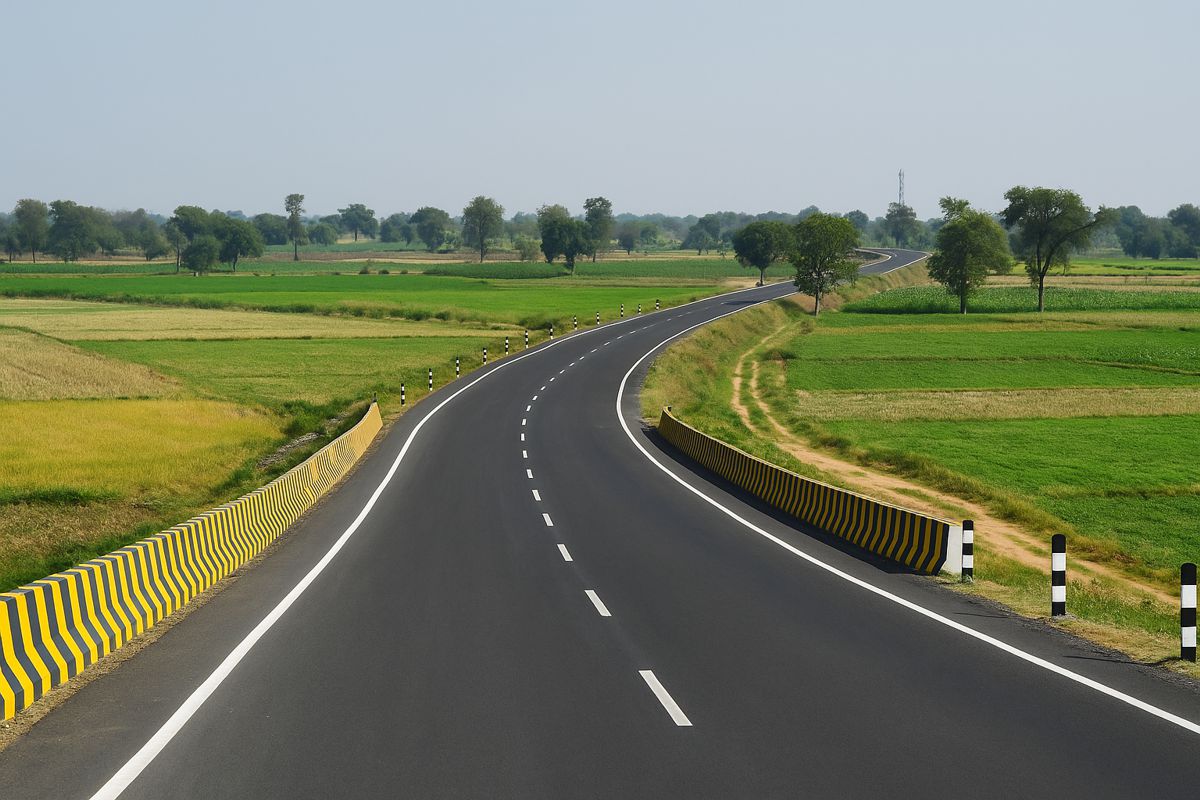
The Asian Development Bank has approved a substantial results-based project finance lending programme valued at $400 million to accelerate Maharashtra’s transition toward climate-resilient, low-carbon and inclusive road networks. This major investment prioritises rural connectivity, particularly in regions that have historically struggled with economic stagnation and climate vulnerability.
At the centre of the effort is the Maharashtra Roads Connectivity for Inclusive Growth Program. The initiative aims to transform access to essential services across 34 districts, improving all-weather links between rural communities, markets, logistics hubs and social infrastructure. More than 1.7 million people living within walking distance of the upgraded routes are expected to benefit.
Building Inclusive Corridors for Rural Development
The programme places particular emphasis on the Marathwada and Vidarbha regions, which have long faced economic challenges compounded by erratic weather and water stress. Upgrades will span nearly 350 kilometres of state highways and more than 2,500 kilometres of rural roads, connecting 410 rural communities and at least 80 villages.
ADB’s Country Director for India Mio Oka noted the programme’s broad development ambition: “The programme seeks to foster balanced and inclusive economic growth in Maharashtra by improving road connectivity to rural villages, post-harvest centres and essential social services.” She added that lessons from previous ADB-supported road projects in the state shaped its design, ensuring stronger maintenance provisions and advanced resilience strategies.
The initiative therefore acts as a catalyst for rural prosperity by enabling farmers, small businesses and essential services to reach wider markets more efficiently. Improved roads also help reduce travel time for schoolchildren, healthcare workers and emergency responders, offering safer and more reliable access.
Infrastructure Designed for Climate and Disaster Resilience
With Maharashtra experiencing increasingly unpredictable weather patterns, climate adaptation sits at the core of the development agenda. The project integrates climate- and disaster-resilient engineering across the upgraded roads, building capacities to withstand flooding, heat stress and extreme rainfall.
Advanced planning techniques ensure that each asset is assessed for multi-hazard exposure. Updated design standards consider lifecycle durability, making sure infrastructure remains reliable for decades despite evolving climatic pressures.
The programme also incorporates global best practice in climate-informed planning, reflecting the growing role of multilateral banks in supporting adaptation. ADB’s broader climate agenda aims to ensure transport networks remain operational during severe events, protecting communities from isolation.
Stronger Road Safety Through International Standards
The initiative places road safety high on the priority list. Using the International Road Assessment Programme methodology and the safe systems approach, the state aims to reduce fatalities and improve the safety profile of rural corridors.
This includes safer intersection layouts, shoulder improvements, traffic-calming measures and the introduction of village and school gateway treatments. These improvements are critical in rural districts, where vulnerable road users such as pedestrians, cyclists and schoolchildren often commute along busy road segments.
To support this, at least 120 engineers will receive targeted road safety training. Strengthening institutional expertise will help embed safety principles across future projects, reducing long-term risks.
Empowering Women and Strengthening Social Inclusion
Gender equality forms a significant pillar of the programme. Dedicated gender and safeguards units will be set up across implementing agencies, establishing a more inclusive governance framework.
Women will have access to business spaces, targeted training and non-traditional skills development. The programme also funds stipend-supported internships for at least 100 young women, helping them enter technical and managerial roles within the road sector.
These initiatives align with ADB’s gender mainstreaming commitments, which seek to ensure infrastructure investments create equitable opportunities. Previous infrastructure programmes supported by ADB have shown that increasing women’s participation in transport improves both social outcomes and economic resilience.
Modernising Maharashtra’s Transport Asset Management
One of the programme’s long-term strengths lies in its technology-driven approach to road and bridge management. Modern information systems will be introduced to consolidate data, monitor conditions and guide efficient resource allocation.
These systems incorporate detailed climate and disaster risk assessments, enabling agencies to adopt lifecycle-based maintenance strategies. This shift from reactive repairs to proactive asset management is expected to improve cost efficiency, reduce failures and enhance long-term sustainability.
The RBL framework encourages collaboration between state departments, allowing them to pool resources and align targets. This approach simplifies implementation, enhances institutional coordination and supports consistent monitoring.
ADB’s Broader Mission in the Region
ADB remains a major force in sustainable development across Asia and the Pacific. Since its establishment in 1966, the institution has supported infrastructure modernisation, climate resilience and social inclusion across its 69-member community, including 50 regional members.
Through investments such as Maharashtra’s inclusive road programme, ADB continues to drive partnerships that uplift vulnerable communities, strengthen climate defences and deliver long-term economic opportunities.
Well-planned Infrastructure
The Maharashtra Roads Connectivity for Inclusive Growth Program offers a transformative step toward a more resilient, inclusive and connected state. By combining climate-smart engineering, rigorous safety measures, gender inclusion and institutional strengthening, the initiative lays a strong foundation for long-term prosperity.
Communities that once faced isolation during extreme weather will soon benefit from dependable access to markets, education and healthcare. As Maharashtra moves forward, the programme showcases how well-planned infrastructure can support regional development, deliver social value and prepare populations for the challenges of a changing climate.