The Urgent Skills Shift in Global Construction
Across the world, the construction industry is undergoing a fundamental transformation. While machinery and methods are evolving, it is the workforce that faces the most disruptive change. As highways, tunnels, runways, and heavy infrastructure become smarter and more connected, the demand for digital skills has shifted from desirable to indispensable.
Governments are pouring trillions into mega-projects with built-in digital systems, BIM-integrated roads, AI-powered safety controls, and IoT-linked equipment. Yet a looming digital skills gap threatens to derail these investments. According to the World Economic Forum, over 50% of all construction employees globally will require some form of digital reskilling by 2027.
“Digital skills are now a matter of operational continuity, not just innovation,” said Henrik Kjellberg, Director of Workforce Strategy at Skanska Group. “Without a digitally fluent workforce, infrastructure delivery is compromised, budgets suffer, timelines extend, and safety becomes guesswork.”
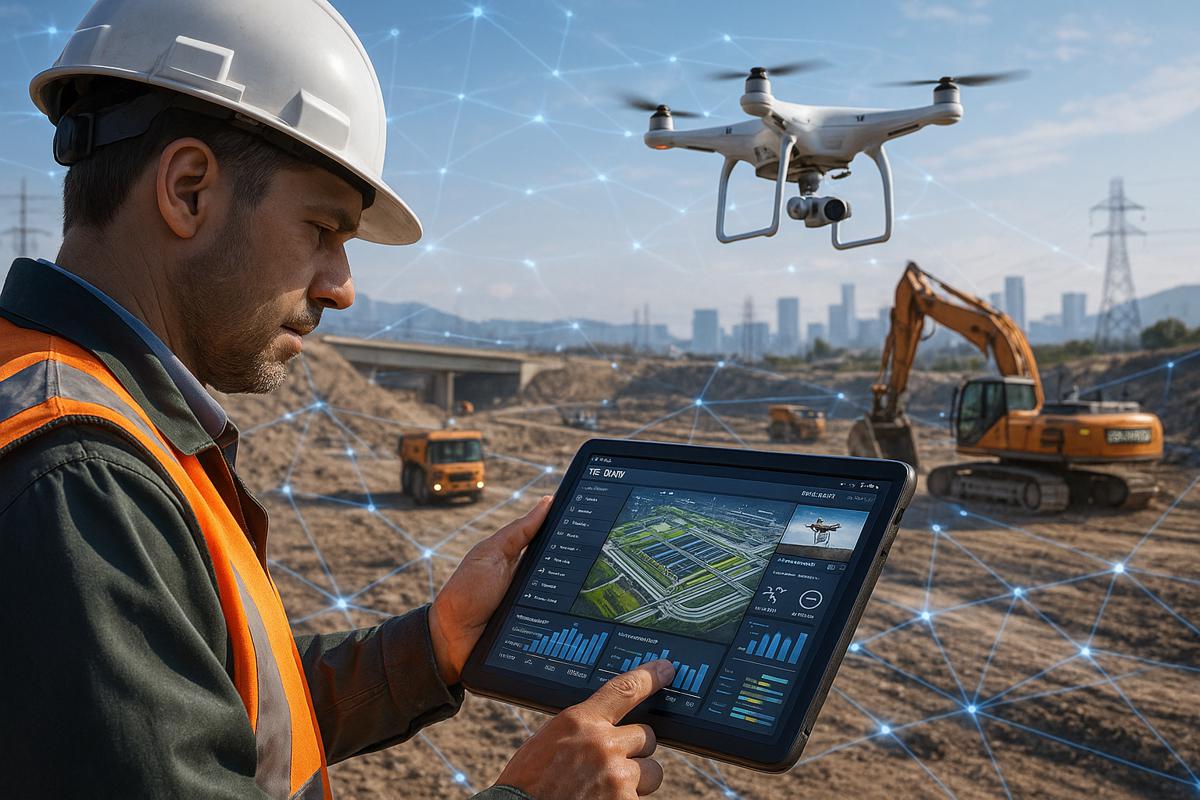
The Global Construction Skills Gap
This growing gap is no longer confined to emerging markets or specific trades. It spans site operatives, design teams, supervisors, and logistics coordinators. A 2024 McKinsey report on infrastructure productivity notes that digital proficiency has become a top-three skills bottleneck in the US, UK, UAE, and China.
In the UK alone, the Construction Industry Training Board (CITB) forecasts a shortfall of 225,000 workers by 2027. This skills gap extends beyond groundworks and structural trades to specialist interior fit-out sectors, where expertise in installing systems like floating ceilings requires a combination of technical knowledge and precision craftsmanship that takes years to develop. Of those, nearly half will require hybrid technical roles, site managers trained in BIM, digger operators capable of interfacing with autonomous machinery, and health & safety officers versed in data analytics and AI surveillance tools.
The United Arab Emirates, despite rapid infrastructure expansion, reports similar constraints. A 2023 white paper by the Dubai Future Foundation warned that “digital illiteracy among project staff could cost the sector billions in rework, delays and underperformance.”
“It’s not just about new recruits,” added Zainab Al-Kuwaiti, Learning & Development Manager at UAE-based contractor Trojan. “Our existing workforce, many of whom are highly experienced, need entirely new skillsets if we’re to maintain delivery speed and quality.”
In the US, the Associated General Contractors of America (AGC) reported in 2024 that 72% of construction firms were struggling to fill roles that required even basic digital fluency, particularly in civil and infrastructure sectors.
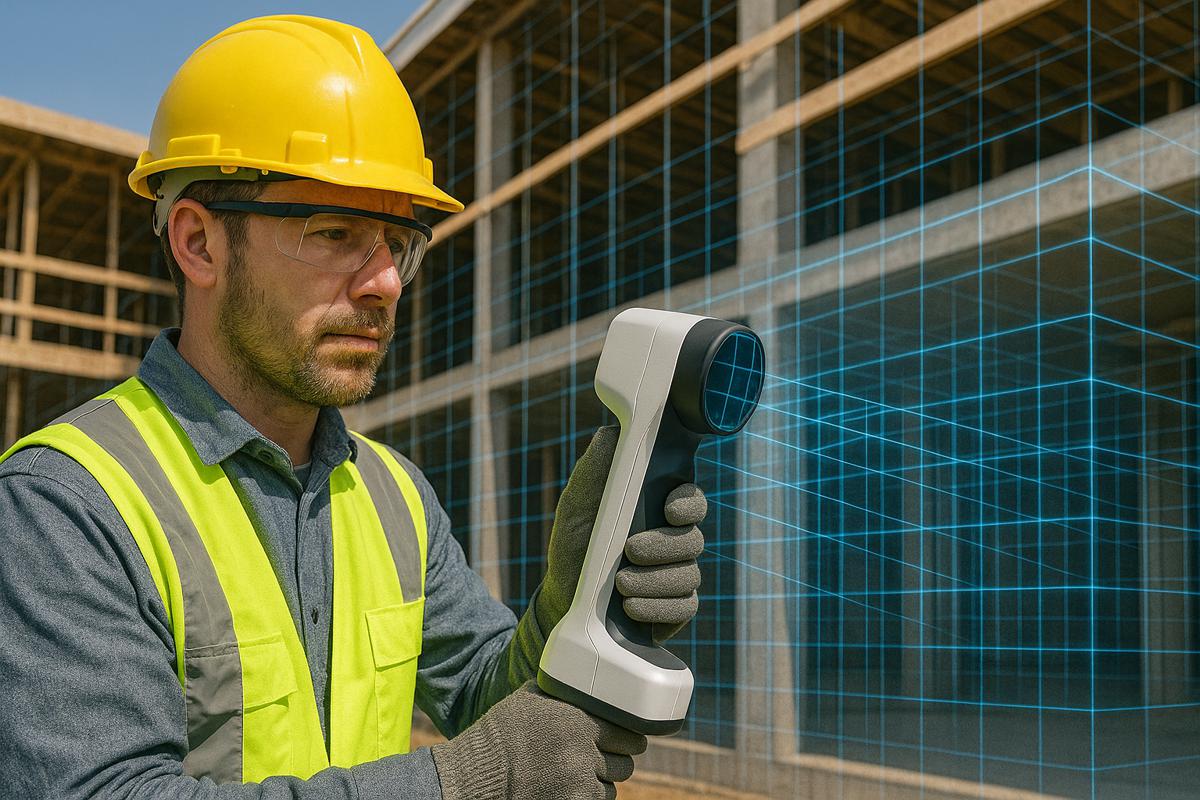
Digital Skills Now Considered Core Infrastructure
What exactly are these new skills? At the core is a rising demand for:
- BIM (Building Information Modelling): 3D data-rich models used throughout design, construction and maintenance
- GIS (Geographic Information Systems): Spatial data analytics essential for route planning, environmental compliance and land management
- Drone Operations and Surveying: High-resolution site mapping and real-time inspection
- AI & IoT Integration: Machine learning systems that detect safety risks or equipment failures
- Digital Twin Coordination: Real-time virtual replicas of physical assets
- Data Analytics and Dashboards: Interpreting site data to drive efficiency and safety decisions
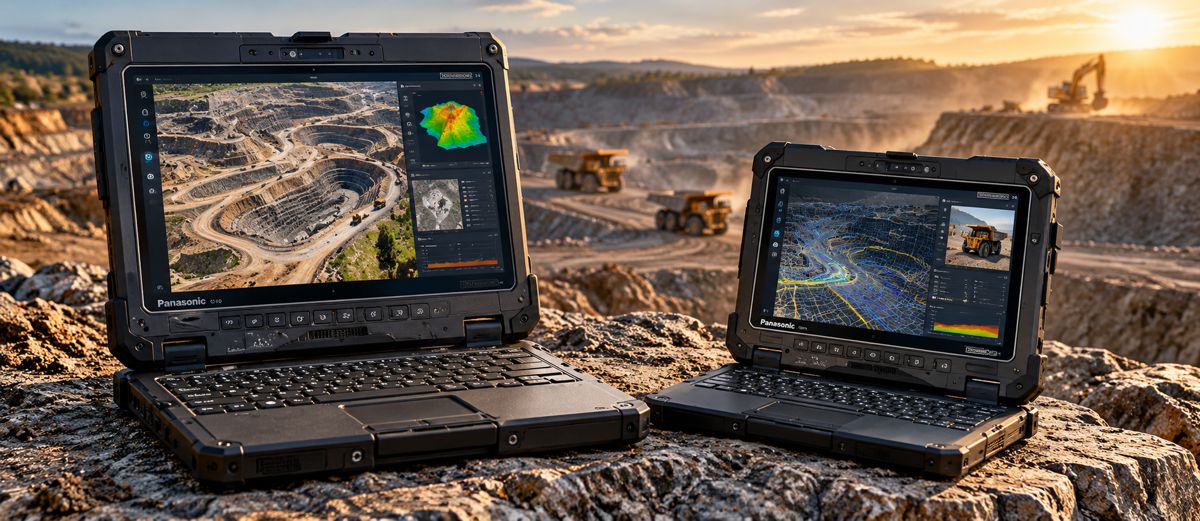
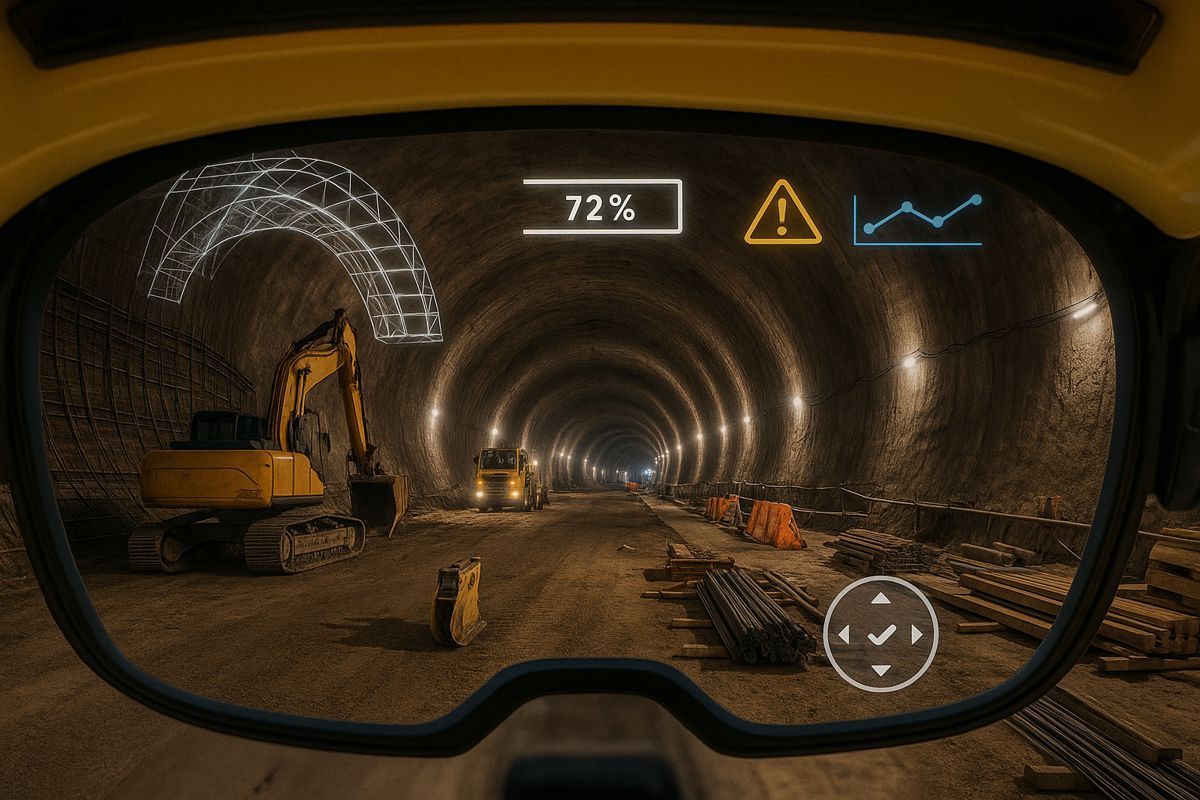
These tools are no longer relegated to office environments. Field crews increasingly interact with tablets, wearable tech, digital dashboards and automated guidance systems. In Scandinavia, where firms like Veidekke and NCC lead in digital site implementation, field operatives routinely interact with BIM models through rugged tablets or smart helmets.
“We see productivity gains of 10 to 15% on projects where BIM is used on-site, not just in design,” said Lars Erik Lund, EVP of Strategy at Veidekke ASA. “But it only works if your workforce is confident using the tech. That’s the catch.”

From Classrooms to Smart Training Sites
In response, training methods are evolving as fast as the tools themselves. Traditional lecture-based learning is giving way to immersive, on-demand, and site-integrated formats:
1. AR and VR Simulation
Augmented and virtual reality now play a central role in technical training. In Norway, the National Construction Academy uses VR headsets to train workers in bridge maintenance procedures, while China’s CREC Group runs simulation domes where tunnelling crews practise operating TBMs in virtual environments.
In the UK, the CITB is supporting pilot programmes that train apprentices on simulated job sites through platforms like VIRTEX. These immersive experiences drastically reduce the learning curve for complex environments.
2. Gamified Microlearning
Companies like BuildWitt in the US and Constructivist in the UK offer app-based training modules that mix quizzes, roleplay, and real-time feedback. Microlearning enables frontline staff to absorb and retain concepts without long periods off-site.
A notable programme in the UAE, driven by ALEC Engineering, rewards workers with micro-credentials as they complete each digital training module, improving both engagement and on-site performance.
3. Live Digital Sandpits
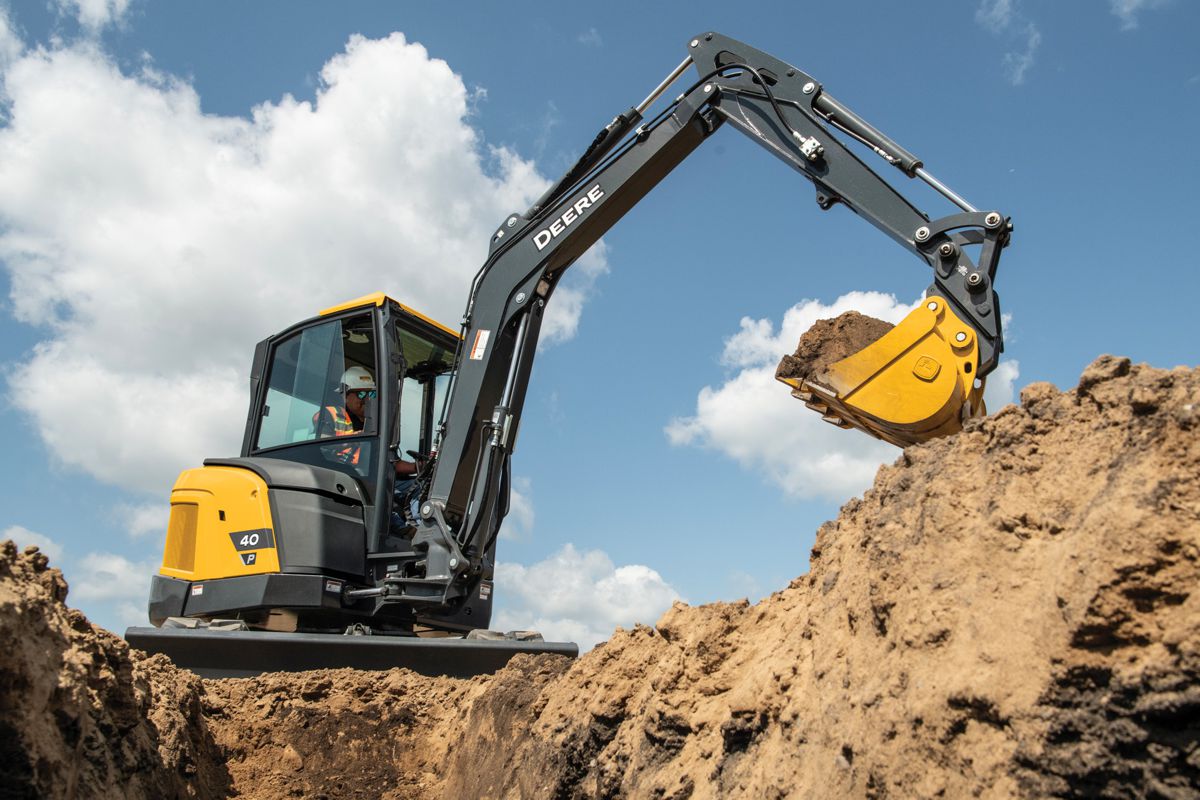
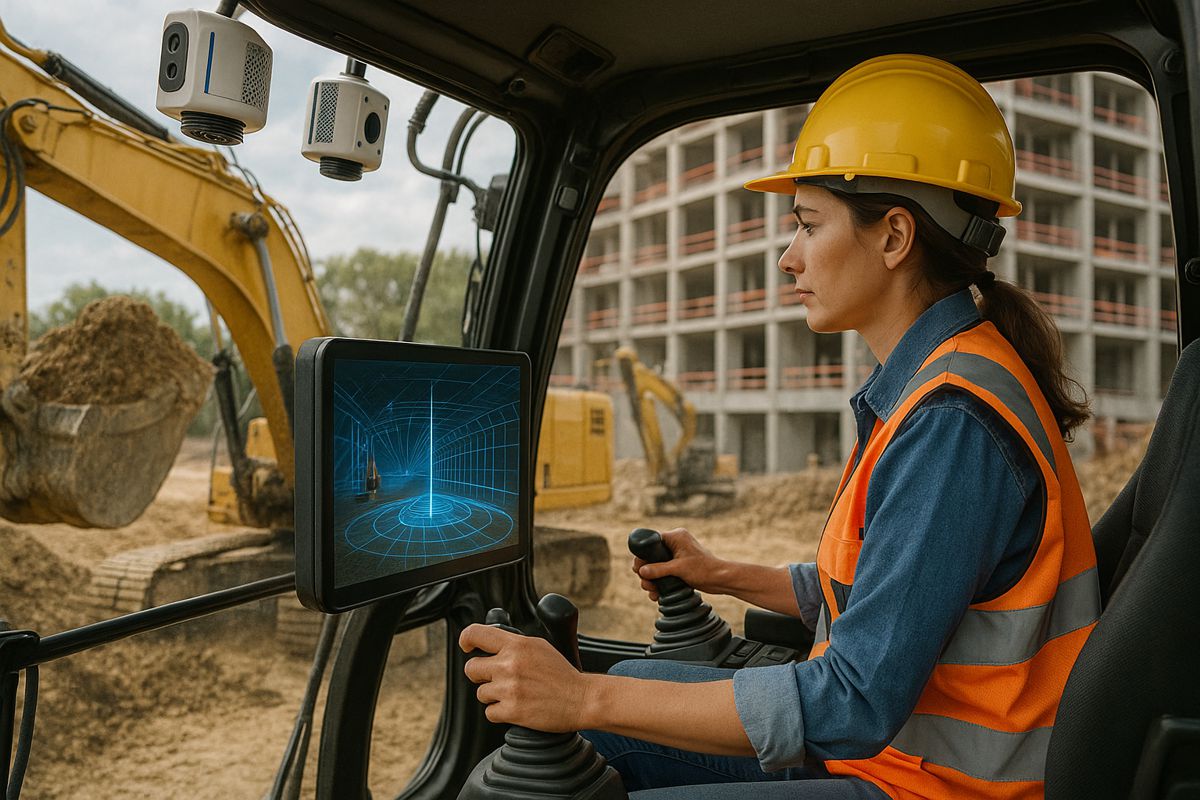
Digital training yards are becoming standard. In Queensland, Australia, the Civil Contractors Federation operates a digital sandpit where trainees control semi-autonomous excavators and drones in live mock-ups of real project scenarios. The UK’s National Highways is trialling similar hubs with its supply chain partners.
“Simulation is a safe space to fail,” explained Dr Lucy Barrow, Head of Learning Technologies at National Highways. “You can train crane operators to respond to emergencies without risk or downtime. That’s revolutionary for safety and confidence.”
Certification Catches Up
Industry certifications are also shifting focus. The UK’s Construction Skills Certification Scheme (CSCS) has integrated BIM literacy into several supervisory and managerial cards. In the US, NCCER and AGC have launched digital construction credentials, while the UAE’s Ministry of Infrastructure Development now mandates drone surveying skills on large-scale earthworks tenders.
Micro-credentials are gaining traction too. In Scandinavia, Kunnskapsdepartementet (Norwegian Ministry of Education) funds modular training blocks through local colleges, allowing mid-career workers to upskill in AI safety or digital site management without leaving employment.
China has rolled out government-subsidised “smart construction” badges via its Belt and Road workforce initiative. Over 600,000 workers received upskilling in digital plant monitoring or cloud scheduling software in the past three years alone.
Case Studies from Around the Globe
United Kingdom
At the heart of Britain’s new infrastructure push lies the Lower Thames Crossing, an ambitious £8 billion road tunnel project. National Highways mandates that all major contractors adopt integrated BIM platforms throughout the project lifecycle, not just during design. Balfour Beatty, one of the key delivery partners, has introduced an end-to-end VR training regime that begins before workers even reach the jobsite.
Trainees experience a virtual walk-through of site hazards, sequencing and logistics challenges. According to the company, this has reduced first-week on-site incidents by 35%. VR is also used to rehearse emergency protocols and understand complex steelwork assembly before actual execution. The programme is now being expanded to other National Highways projects.
UAE
In Abu Dhabi, Aldar and Trojan Construction have formed a strategic workforce innovation alliance. Their flagship initiative integrates AR overlays with live construction environments using Microsoft’s HoloLens 2. Supervisors are trained to detect structural clashes and misalignments before a single steel beam is lifted. A recent case involved the visualisation of a multi-storey car park’s MEP layout, where several ventilation ducts conflicted with sprinkler lines.
The digital preview led to a redesign that saved three weeks in programme delay. The partnership also includes on-site mobile AR training where operatives learn to operate new tools by interacting with step-by-step virtual guides anchored to real-world environments.
Scandinavia
Sweden’s Skanska is leading Europe in drone-to-dashboard workflows. On major road expansions in Västra Götaland, daily drone flyovers collect geospatial data which is automatically uploaded to cloud-based dashboards accessible to all site leads. These digital twins provide up-to-date as-built progress visualisation and are cross-checked against the planned schedule.
All site forepersons are now certified in both UAV operation and GIS mapping interpretation. Skanska reports a 12% boost in time efficiency since rolling out the programme. Meanwhile in Norway, NCC has begun trialling AI-powered digital twins that allow real-time forecasting of schedule slippage and resource clashes based on drone and equipment data.
United States
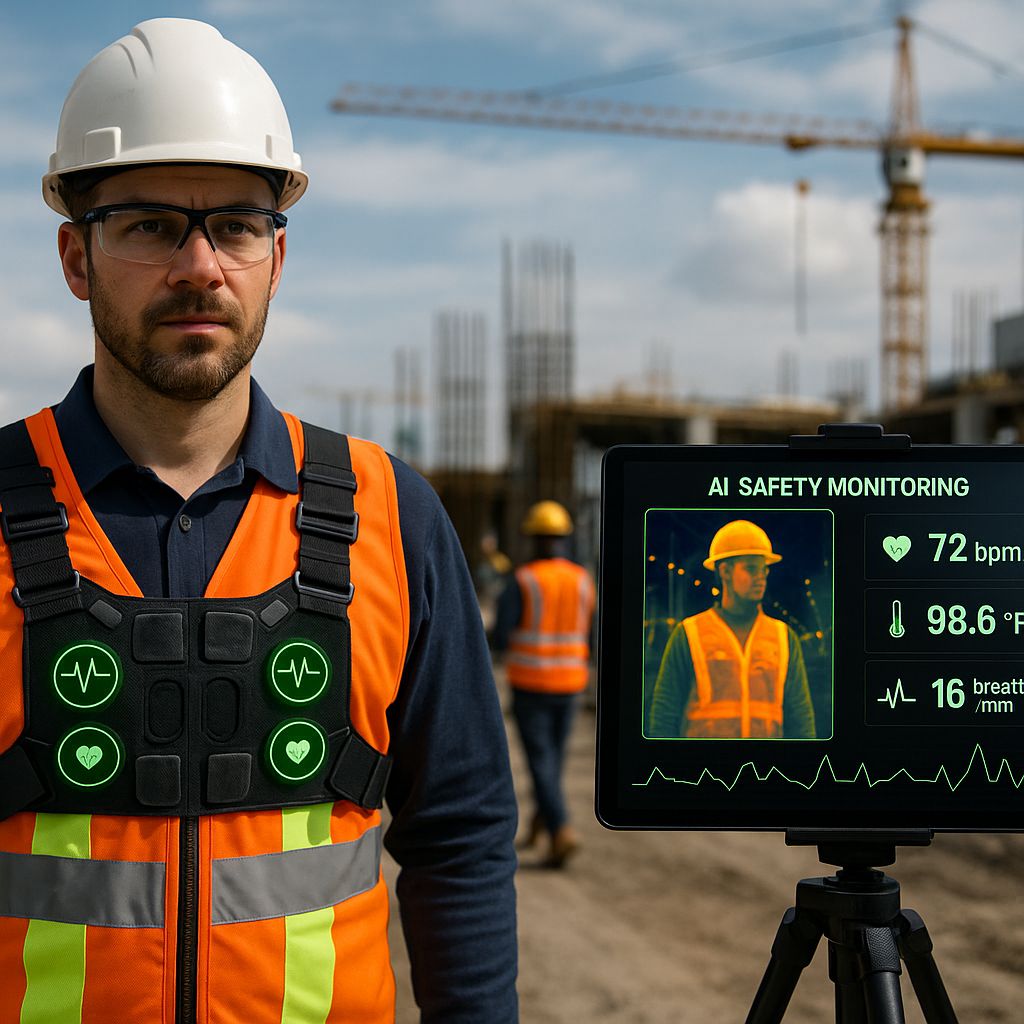
Bechtel’s implementation of AI-assisted safety systems has drawn attention across North America. On highway and rail megaprojects in California and Texas, they use wearable devices and embedded sensors to monitor worker movement, heat stress, and equipment proximity. This feeds into predictive safety dashboards that alert supervisors to potential red-zone breaches before they happen.
On the high-speed rail line in Central California, digital twin replicas of the corridor are used to rehearse complex access planning and plant movement scenarios. A six-month internal study showed near-miss incidents fell by 41% on digitally supported sites. Bechtel has since formalised a digital safety training academy in Virginia for foremen and safety managers.
China
In a country with over 50 million construction workers, standardisation of digital practices is a monumental task. Yet China State Construction Engineering Corporation (CSCEC) and CREC have made significant progress. On smart expressway developments in Hubei and Guangdong provinces, workers use jobsite QR codes affixed to equipment and zones to access mobile safety briefings and task plans.
These are updated in real time by centralised scheduling teams. The platforms also allow real-time feedback loops, workers can flag unsafe conditions or faulty plant immediately. The Ministry of Housing and Urban-Rural Development (MOHURD) estimates that these measures have improved compliance reporting accuracy by 70% in pilot regions.
Germany
HOCHTIEF’s Autobahn expansion projects in Bavaria feature a forward-thinking apprenticeship model. Each new hire goes through a dual-track curriculum, one stream on traditional construction skills, another focused on digital tools including BIM navigation, automated machine control interfaces, and schedule analytics.
The programme, developed with the Bavarian Chamber of Industry, has seen graduation rates increase by 24%. HOCHTIEF also equips apprentices with rugged tablets from day one, encouraging digital literacy at every career stage.
India
L&T Construction’s “Smart Site Academy” is redefining career paths for young engineers. Located across major cities such as Chennai, Mumbai and Bengaluru, the academy delivers an intensive three-month digital upskilling bootcamp. The curriculum, designed with the Indian Institute of Technology (IIT) Madras, includes hands-on modules in BIM coordination, sensor-based concrete curing monitoring, IoT-linked safety gear, and AI-assisted scheduling.
Upon completion, participants are fast-tracked into site coordinator roles. L&T reports that teams with Smart Site-certified personnel complete early project milestones up to 18% faster. The model is being studied by the National Skill Development Corporation for wider adoption.
Risks of Falling Behind
The cost of inaction is rising. A 2023 study by the Global Infrastructure Hub found that infrastructure projects without digital capabilities face a 20–25% higher risk of budget overruns and delivery delays.
“Legacy skills are no longer enough,” said Deborah Okonkwo, Senior Analyst at the International Labour Organisation. “When construction projects lack digital coordination, they suffer from inefficiencies that multiply rapidly across supply chains.”
Beyond economics, the human cost is stark. Without digital safety systems, manual hazard checks miss critical risks. Without real-time data, response times falter. And without digitally literate teams, innovations simply gather dust on the shelf.
New Roles, New Routes
The upside is significant. The digital shift opens new roles for young talent, from data engineers and drone pilots to AI safety coordinators and digital logistics managers. It also allows career-changers from other industries to transition into the connected construction realm with shorter, skill-specific retraining.
Organisations such as Women into Construction and BuildForce UK are leveraging digital roles to attract underrepresented groups. Flexible, modular learning also suits neurodiverse and disabled candidates who may have been excluded by traditional, physically demanding trades.
“Digital construction roles are more inclusive by design,” said Nigel Telford of BuildForce. “You don’t need to be lifting concrete blocks to be part of the team. We’re seeing ex-RAF drone operators and ex-retail workers thrive.”
Construction companies are also using digital upskilling to reduce turnover. Turner Construction in the US reported a 17% boost in retention among mid-level supervisors after introducing a six-month digital leadership programme.

Reskilling the Workforce at Scale and at Speed
Construction stands at a crossroads. The tools to deliver smarter, safer, faster projects already exist. The bottleneck is not innovation, it’s adoption. And that means reskilling the workforce at scale and at speed.
Countries that act decisively can reap productivity dividends and build stronger, more inclusive industries. Those that delay may find that even the best technology is useless without human hands capable of wielding it.
“We have to train for the jobs that are coming, not the ones we’ve already done,” concluded Skanska’s Henrik Kjellberg. “It’s not optional. It’s survival.”