The High-Tech Construction Safety Revolution
Construction sites are inherently dangerous places, but a wave of smart safety technologies is helping turn them into smarter, safer workplaces. From AI-enabled hard hats that never “blink” to wearable sensors that act like a 24/7 safety net, the construction industry is undergoing a quiet revolution in how it protects its workers. Traditional personal protective equipment (PPE), the hard hats, high-vis vests, steel-toe boots of old, is no longer just passive gear. It’s becoming smart, connected, and proactive. In an industry that still accounts for nearly one-fifth of all workplace fatalities, these innovations are more than gizmos; they are life-savers changing the game on site.
Today’s emphasis on safety tech coincides with broader workforce initiatives to modernise construction. Industry leaders are pushing for a “smart workforce” ethos where technology augments human vigilance. The result is an array of new tools: helmets that detect falls or fatigue, exoskeleton suits that reduce strain injuries, geo-fenced zones for autonomous vehicles, and data dashboards that flag risks before an accident occurs. Highways.Today and other forward-looking publications have been charting this evolution, showcasing how beyond PPE, the standard gloves and goggles, a new generation of high-tech safety systems is emerging to save lives.
From Passive PPE to Active Protection
Smart PPE uses chips and sensors to transform hard hats and other gear from passive protection into active, connected safety systems. Not long ago, PPE meant a hard hat, some ear plugs, maybe a safety harness, important but inert items that relied on the worker to use them properly. Over the decades these basics improved incrementally (think lighter hard-hat materials or more comfortable earmuffs), but they remained fundamentally passive. Now, that’s changing. Personal protective equipment is stepping into the digital age, becoming “smart” PPE with built-in intelligence that actively assists and monitors the wearer.
Veteran highway engineers recall when thermoplastic hard hats with simple suspension straps were the norm. Those old yellow or white helmets did one job, protect against impact, and not much else. Fast forward to today, and construction helmets are practically unrecognisable. Modern hard hats use advanced impact-absorbing materials and often include integrated face shields and ventilation for comfort. More impressively, many are embedded with microchips and sensors. A helmet might contain a near-field communication (NFC) chip carrying the wearer’s ID, medical information, and training certifications. Instead of stuffing a paper medical card in your pocket, a supervisor can now scan your helmet to instantly access critical health info like allergies or emergency contacts. In effect, each piece of PPE becomes a digital repository of safety data.
This digitisation of PPE isn’t just for show, it’s closing long-standing gaps in safety compliance. By linking gear to databases, companies can track whether equipment is up to date on inspections, whether a worker is due for a training refresher, or if a safety harness has been involved in a fall and needs replacing. Smart PPE also streamlines inventory management. Rather than manual logbooks, some contractors use mobile apps to scan gear in and out on site, with software automatically alerting when a hard hat is due for retirement or if stocks of ear defenders are running low. All of this reduces the chances of worn-out or inadequate equipment slipping through the cracks, creating a more reliable safety net across the workforce.
Just as importantly, connected PPE can improve emergency response. If an accident does happen, a worker’s smart helmet or vest can provide rescuers with instant information. For example, a digital hard hat could not only send an alert that someone fell, but also broadcast who it is and where exactly on the site they are located. In those critical minutes after an incident, that kind of information can save lives. It’s a far cry from the days of shouting “Man down!” and scrambling to figure out who is hurt. The industry is gradually entering an era where every hard hat and safety vest is an active guardian, not just a static piece of kit.
Wearables That Detect and Protect
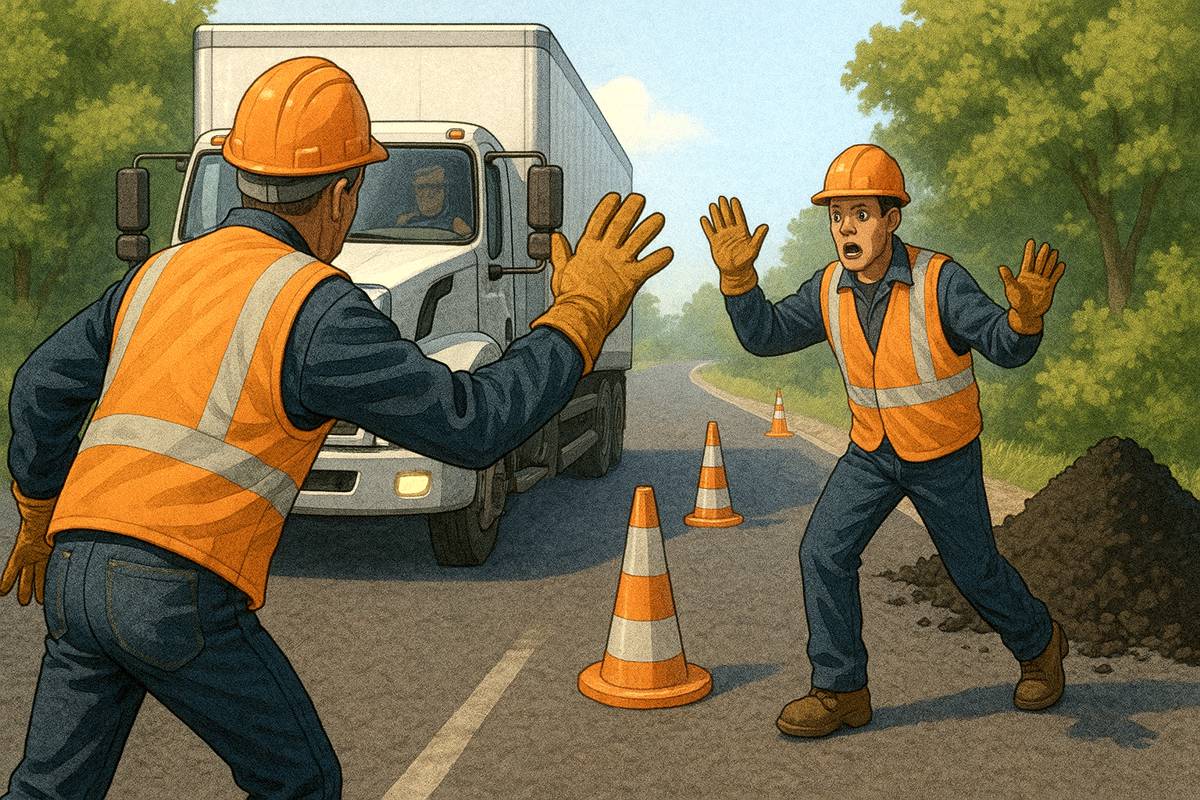
Perhaps the most visible change on modern sites is the rise of wearable safety tech. These are devices and garments that continuously monitor conditions and worker well-being, effectively acting as an ever-vigilant sentry. It’s often said that this isn’t your grandfather’s hard hat and boots, and indeed, today’s “smart” wearables can do things construction veterans only dreamed of.
Take the new generation of safety helmets. Many come outfitted with accelerometers and gyroscopes, so they know if you’ve suffered a sudden impact or a fall. If a worker slips from scaffolding or is struck by something, the helmet’s sensors will detect the jolt. Instantly, a distress signal can be sent out, pinpointing the worker’s location to the site office and emergency teams. In the frantic moments after an accident, this automatic alert spares precious time when every second counts. Some high-tech helmets even go a step further: they have brainwave sensors to monitor fatigue. If the system detects the subtle brain patterns of a microsleep, those split-second lapses in alertness when someone is about to nod off, it can trigger a vibration or alarm to wake the worker up. Falling asleep on the job at height or around moving machinery can be deadly, so a smart hard hat that nudges you awake could literally be a lifesaver.
It’s not just the helmets getting smarter. Wearable vests and harnesses now double as health monitors, and even environmental sentinels. Equipping workers with vest-integrated sensors allows for real-time tracking of vital signs like heart rate, core temperature and even hydration levels. Some high-tech vests also include gas detectors and noise dosimeters, effectively turning the worker into a walking environmental monitor. Step into a pocket of toxic fumes or a zone where jackhammer noise exceeds safe decibel levels, and the vest will warn you to ventilate the area or don hearing protection immediately. If a crew member is overheating on a 35°C summer afternoon, the vest can warn of heat stress before collapse occurs. Likewise, a rapid heart rate paired with sluggish movement might indicate the onset of a fainting spell, triggering an alert for others to check in on that person. For instance, one popular system, the SmartCap Life band, monitors brainwaves for early signs of fatigue and has been successful in prompting timely rest, a crucial safeguard considering fatigue may contribute to roughly 13% of workplace injuries.
Safety footwear is getting an upgrade too. There are “smart boots” on the market that contain pressure sensors and RFID tags. These boots can tell if you’ve taken an unusual stumble or heavy fall (for instance, by sensing a sudden impact on the sole) and send out an emergency signal similar to the helmets. They can also communicate with nearby equipment: if a loader or truck equipped with a corresponding sensor comes too close to a worker’s boots, the boots will start to vibrate or beep, effectively shouting “Watch out!” to both worker and machine operator. In an environment where blind spots abound, such proximity warnings can prevent deadly run-overs.
These wearable technologies essentially wrap each worker in an invisible safety bubble. As civil engineering professor SangHyun Lee puts it: “Wearable sensors can improve construction worker safety and also reduce costs by providing better data on worker health.” He notes that insurers are taking notice as well, with some now offering premium discounts to firms using verified smart PPE (after all, fewer accidents and real-time monitoring ultimately mean fewer claims). The impact of these wearables is already being felt. A few years ago, only about 13% of contractors were using wearable tech on the jobsite, but of those early adopters, 82% reported improvements in safety and productivity. The data streaming from these devices not only prevents incidents in the moment, it also helps spot patterns over time. For example, if site managers see that most near-misses and flagging vitals occur around 4:00 PM, when fatigue typically peaks, they can schedule extra breaks or rotate tasks to reduce risk. In this way, wearables feed into a larger predictive safety effort (more on that later). The bottom line is that gear like smart helmets, vests and boots aren’t gimmicks; they’re proven tools that make a dangerous job markedly safer.
Augmenting Human Strength
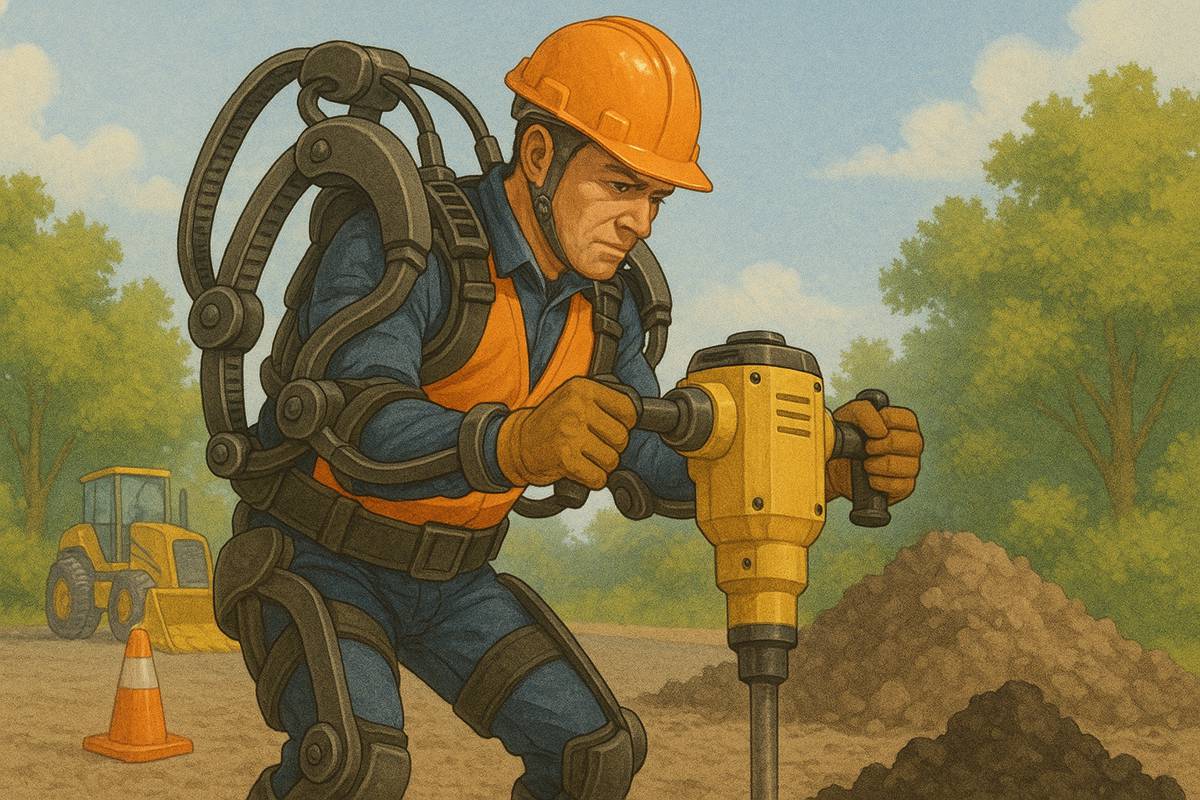
Not all construction injuries come from sudden accidents, many build up over years from strain and overexertion. Enter the exoskeleton, a technology that sounds like science fiction but is increasingly commonplace on worksites. These wearable support suits are designed to augment human strength and reduce the physical toll on workers’ bodies. They can be as simple as a spring-loaded shoulder harness that takes the weight when you hold something overhead, or as complex as a battery-powered suit that gives your arms and back extra lifting power. Either way, exoskeletons are proving their worth in preventing injuries and reducing fatigue.
Wearable exoskeletons generally come in two flavours: passive and powered. Passive exoskeletons rely on clever mechanical design, things like springs, counterbalances, and lever arms, to redistribute weight and relieve strain without any motors or batteries. Powered exoskeletons add electric motors and sensors into the mix to actively boost a worker’s movements. Both types have found a home in construction. For instance, Hilti has developed a shoulder-support exoskeleton called the EXO-O1 for workers who spend hours drilling or fixing overhead. It’s a lightweight vest-like device with attachments on the arms. Without needing any external power, it can reduce shoulder muscle strain by nearly 50% during overhead tasks. Less fatigue in the shoulders and neck means lower risk of repetitive strain injuries over time.
Real-world trials have been encouraging. In the United States, a major construction insurer, Pinnacol Assurance, partnered with contractors in Colorado to pilot test exoskeletons on job sites. Early results showed that these suits can significantly cut down injury rates and improve worker well-being, people simply aren’t getting as hurt or as tired when the exoskeleton takes some of the load. Up in Canada, a masonry firm, Atwill-Morin, outfitted its crews with back and leg support exoskeletons for heavy material handling. The company reported that the devices reduced the physical load on workers by up to 70%, drastically decreasing fatigue among bricklayers and labourers. Think about that: lifting blocks or tools with 70% less strain on your body. For an older workforce especially, that’s transformative. Workers have said it makes the difference between going home with aching joints versus feeling normal at day’s end.
Site managers are finding exoskeletons don’t just prevent injuries, they can also boost productivity. If workers are less fatigued and pained, they can maintain a steadier work pace with fewer breaks. One tunnelling project in Australia demonstrated a clear double benefit. Crews on Sydney’s massive M4-M5 Link tunnels began using a novel “off-body” exoskeletal arm mounted on work platforms to handle heavy power tools. Before, the team avoided using a heavy rotary hammer drill because it was so exhausting; they’d opt for a lighter tool and take much longer on the task. After introducing the support arm technology, they could use the optimal heavy drill with almost no effort, getting the job done faster and with far less physical stress. John Wither, the project’s senior safety manager, observed: “With the introduction of this new technology, the crew is now able to effortlessly operate the heavier tool, reducing their exposure to fatigue and injuries and at the same time, increasing productivity.” In short, exoskeleton assistance turned a formerly dreaded, injury-prone task into routine work.
Of course, bringing in exoskeletons requires some adjustment. Workers need training to use them correctly and to trust that the devices will support them. There can be an initial “RoboCop” novelty factor to overcome, some crew members might eye the suits with scepticism or humour until they actually try them on. But as the technology improves and success stories spread, exoskeletons are increasingly seen as just another tool in the safety toolkit. They’re even helping extend careers: veteran workers with decades of experience can keep working safely a bit longer thanks to the strain reduction, rather than retiring early due to worn-out backs or shoulders. In an industry facing skilled labour shortages, that added longevity is no small benefit.
AI Eyes and Smart Machines
On a busy construction site, danger often comes from movement, the swing of a crane, the quick reversing of a dump truck, the live current in a cable that wasn’t there an hour ago. Humans are pretty good at spotting hazards, but we have limits: we get distracted, we have blind spots, we can’t be everywhere at once. That’s where artificial intelligence and smart machines are stepping in as tireless extra eyes and ears, constantly scanning for threats and enforcing safety rules.
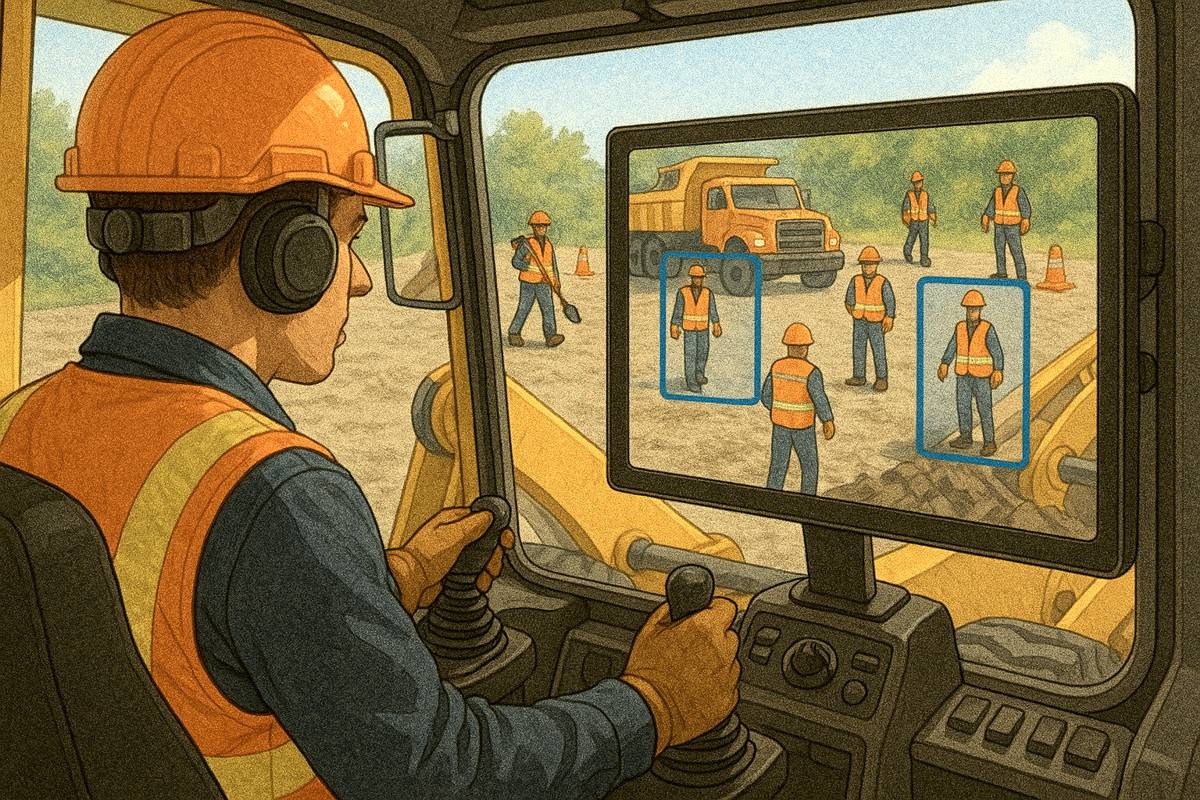
One of the most game-changing applications of AI on sites is in computer vision for hazard detection. Essentially, these are smart cameras linked to AI algorithms that can recognize when something’s wrong, much like a supervisor watching everything at high speed. Companies are installing AI cameras around sites or on equipment to monitor conditions in real time. For example, vision systems can automatically check if everyone is wearing their required PPE. If someone walks by without a hard hat or reflective vest, the system flags it immediately. Early implementations of this tech have yielded eye-opening results: one automated hard-hat and vest detection setup cut workplace accidents by up to 50% by catching non-compliance instantly and preventing hazards before they escalated. Instead of finding out after an injury that a worker wasn’t properly geared up, supervisors get an alert the moment a rule is broken and can intervene.
These “AI safety inspectors” never get tired and never look away. They can monitor for the subtle near-misses humans overlook, an unnoticed slip, a tool dropped from a height, a vehicle coming in a bit too fast. Over time, the AI can even learn patterns. Imagine reviewing weeks of footage and discovering that almost every day around 3 PM, multiple workers trip on the same cluttered spot or that a particular forklift driver frequently comes within inches of hitting people. AI analytics can pick up those patterns and suggest changes, whether it’s rearranging a messy area or retraining a driver. As one industry report summed it up: “AI-powered vision systems operate continuously, detecting PPE non-compliance instantly with consistent accuracy throughout all operational hours.” By acting as an ever-vigilant safety officer that never blinks, AI helps catch what humans might miss.
Heavy equipment manufacturers are also embedding AI and sensors into machinery to make them safer co-workers. Modern excavators, loaders and trucks can be fitted with 360° cameras and radar that feed into an AI system acting as a second set of eyes for the operator. If a person or another vehicle comes into the machine’s path, the system can trigger loud alarms or even automatically brake to avoid a collision. Crucially, these systems often know exactly where the hazard is, highlighting to the operator that, say, a worker is 5 metres to your rear-left. This is a huge advantage given that the top causes of construction vehicle accidents are human factors like blind spots, speed and distraction. An AI co-pilot that never glances at its phone or feels drowsy can compensate for those human lapses. As Neil Williams, president of a machine control technology firm, explains: “With our partner, we’ve developed an intelligent, adaptive system that enhances safety in the present with instant alerts and shapes future safety strategies through comprehensive reports.” Every near-miss that these smart machines detect gets logged to the cloud, turning into valuable data. Fleet managers can then review dashboards of all these incidents and adjust training or site layouts accordingly, effectively using each “almost accident” as a lesson to prevent the next one.
This approach is starting to pay dividends, especially in high-risk zones like highway work areas. Road construction sites now deploy smart CCTV that can monitor live traffic approaching and warn crews if an oncoming driver isn’t slowing down or has veered toward the cones. It’s a vital development at a time when nearly 900 people were killed in work zone crashes in the U.S. in a single year. By giving an early heads-up of danger, lights flashing, sirens wailing, these intelligent surveillance systems aim to get workers out of harm’s way in time. All told, AI and machine learning are becoming the guardian angels of jobsites, identifying risks, enforcing PPE rules, and preventing accidents before they happen.
Geofencing and Safe Zones
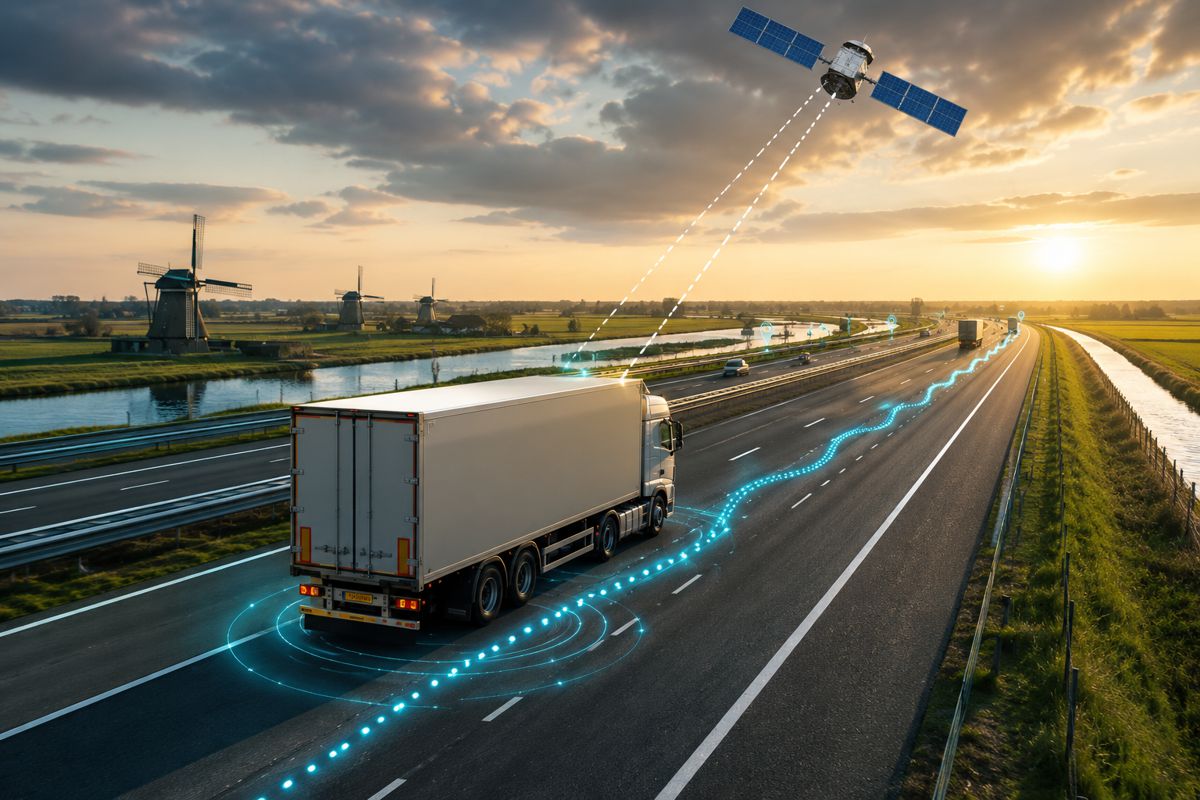
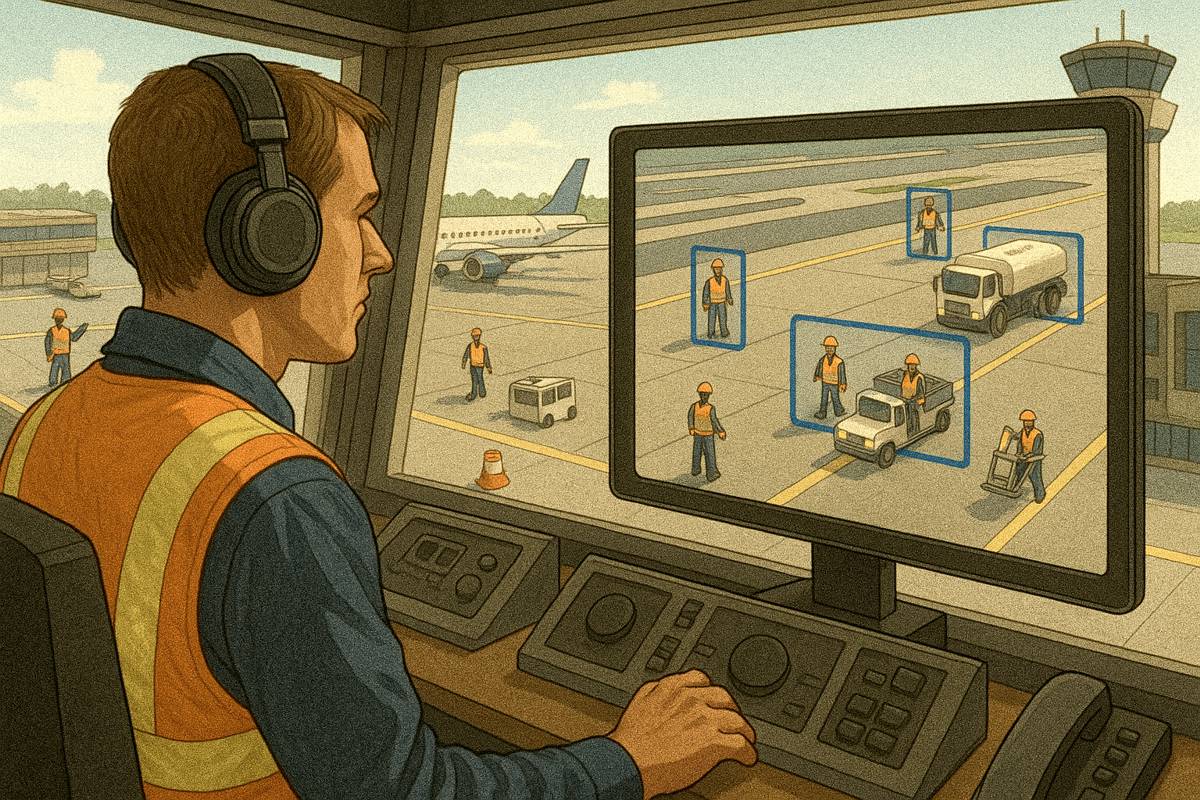
Hand-in-hand with AI monitoring comes the concept of geofencing, creating virtual boundaries to keep people and machines where they should be. On advanced projects, especially those experimenting with autonomous or remotely operated equipment, geofencing is increasingly used to separate man and machine. The idea is simple: using GPS or other location trackers, you set up defined zones on a digital map of the site. If a person or a piece of gear crosses a boundary they’re not supposed to, the system triggers an alert or takes action.
Consider an airport runway maintenance project, a scenario with lots of vehicles, workers, and live aircraft operations nearby. Here, geofencing tech can literally draw invisible lines that nobody should cross without authorization. One major U.S. airport recently deployed a system with credit-card sized GPS locators on all vehicles and worker badges. It tracks every moving piece on the airfield within about a meter accuracy. If a contractor’s truck strays from the approved path into a restricted zone, an alert pops up naming the vehicle and its location. It’s like a digital tripwire that instantly yells “Stop! You’re off course!” This not only prevents dangerous incursions (say, a mower wandering onto an active taxiway), but it also provides a record of who was where if an incident does occur. For highly regulated environments like airports, now required by authorities to improve incident detection and data reporting, such omnipresent awareness is becoming indispensable.
On construction sites, geofencing typically ties into wearable tags and machine controls. Workers might have a small beacon in their vest, and excavators or robots have geofence sensors. If a person wanders too close to an active autonomous bulldozer, the bulldozer can automatically slow down or shut off until the person backs away. Likewise, the worker’s wearable might vibrate or beep a warning that they’ve entered a danger zone. Some companies geofence exclusion zones around crane operations or blasting areas, areas that are dynamically marked “no-go” during certain operations, with technology enforcing the rules when human vigilance might slip.
Geofencing is also a management boon. It can ensure that third-party contractors stick to approved routes on big sites (no more shortcutting through hazardous areas), and it automates certain safety protocols. For instance, if only certified personnel are allowed in a high-voltage substation, the geofence system can immediately notify security or supervisors if an unauthorized badge signal appears in that zone. It’s much less labour-intensive than having a human monitor or physically escort all visitors. And beyond safety, the location data collected has side benefits: managers can visualize how people and machines move through the site to identify inefficient traffic patterns or excessive idling, then improve layouts or schedules.
In tunnelling and mining, where unseen dangers abound underground, geofences are used in tandem with other systems. A miner’s wearable tag might automatically trigger a ventilation fan when entering a deep tunnel section, or heavy trucks in a mine pit might brake if a worker’s GPS signal is detected too near. Mines have been early adopters, large open-pit operations often use geofencing to keep haul trucks and personnel separated, sometimes even halting a truck’s movement if a person’s tracker pings inside a restricted radius. It’s all about establishing safe zones and no-go zones in a fluid, digital way, rather than relying purely on signs, cones, or memory. With geofencing, the moment someone crosses from safe to unsafe territory, alarms sound and sometimes equipment reacts. It adds a hard technological backstop to the soft rules that we’ve always had.
Training Goes High-Tech
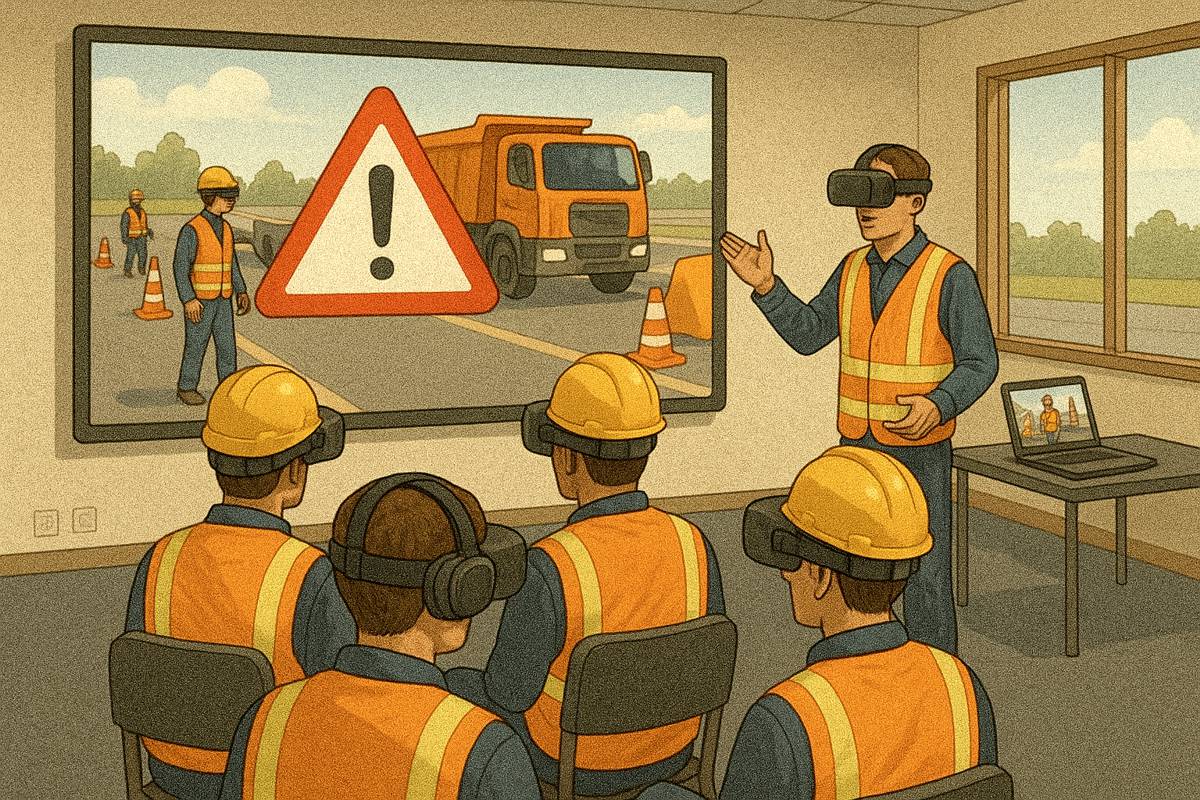
High-tech gear and AI are powerful, but safety also depends on people knowing what to do, and that’s where training comes in. Traditional safety training, while essential, has its limitations. Let’s face it, slideshow presentations and lengthy manuals about hazard protocols can only engage workers so much. The new generation entering construction grew up on video games and interactive tech; a dry lecture on ladder safety might not resonate. This is why many firms are turning to augmented reality (AR) and virtual reality (VR) to revolutionise how safety lessons are taught.
Virtual reality safety training places workers in realistic scenarios without the real-world consequences. With a VR headset, a trainee can “experience” a fall from a height or a machinery malfunction in a simulated environment. If they make a mistake, nobody gets hurt, the program just resets. One safety manager quipped that virtual accidents result in app resets rather than real injuries. Studies have shown that this kind of interactive simulation leads to better knowledge retention than conventional classroom training. It’s one thing to read about an electrical fire and another entirely to virtually navigate through a flaming corridor to find the shutoff. VR essentially allows workers to practice worst-case scenarios safely until they get it right. So when a similar situation (or any emergency) happens on an actual site, it’s not the first time they’re dealing with it, they’ve been there in VR and know how to react under pressure.
AR, on the other hand, layers safety information onto the real world. Imagine wearing smart glasses or holding up a tablet that displays your jobsite with digital markers. An inexperienced crew member pointing a tablet at an excavator might see red virtual cones projected around the machine, showing its swing radius, a graphic reminder of where not to stand. Supervisors have used AR during safety orientations so new workers can literally see danger zones and assembly instructions overlaid on actual equipment. AR helmets are being developed that will warn a worker in real time: for example, if you’re about to open the wrong valve or cut the wrong conduit, the helmet could flash a warning in your visor. It’s like having a mentor looking over your shoulder at all times.
The feedback from crews has been positive. Younger workers especially appreciate that training feels more like an immersive challenge and less like a boring class. Even seasoned pros have been surprised by how effective a vivid simulation can be in refreshing their safety mindset. They might know a trench collapse is dangerous in theory, but after virtually experiencing the chaos of one in VR, they carry a heightened awareness back to the field. According to a Volvo Construction Equipment safety report: “VR has taken safety training to a whole new level. Instead of learning about safety through videos or manuals, workers can now immerse themselves in realistic simulations of construction environments.” The result is not just more engaged trainees, but also crews who feel more prepared and less likely to panic or make mistakes when real hazards strike.
In practice, companies are using VR to train on everything from crane operation to confined-space rescues. It’s far cheaper and safer to let someone virtually crash a crane to learn their lesson than to risk a real crane accident. AR is being used for daily toolbox talks, with workers holding up tablets to see, say, the day’s trenching plan with all hazard zones marked in 3D before they start digging. Together, AR and VR are turning safety training into an active experience. They also foster a stronger safety culture, team members often go through these trainings together and end up discussing “what would you do if…?” scenarios, learning from each other. As the technology becomes more accessible, expect to see even more construction firms adopt a “practice in virtual, perform in reality” approach to high-risk tasks.
Data-Driven Safety and Predictive Analytics
All these new technologies, the wearables, AI monitors, smart PPE, have a bonus effect: they generate a wealth of data that can be harnessed to make construction even safer going forward. We’re now able to capture near-misses, worker health stats, equipment alerts and more in a way that just wasn’t possible when everything was on paper or word of mouth. The industry is increasingly embracing predictive analytics for safety, meaning analysing data trends to predict and prevent incidents before they happen.
Imagine aggregating information from dozens of projects over several years: millions of hours of workers’ vital signs, thousands of alerts from AI cameras, logs of minor incidents and environmental conditions. Patterns start to emerge. Maybe you find that minor scaffold slips tend to spike on Friday afternoons, or that a certain type of mishap correlates with specific weather conditions or project phases. Large contractors and engineering firms are investing in software to crunch these numbers. Machine learning algorithms can sift through historical accident reports and current sensor readings to flag “high-risk” situations in advance. For example, if a project’s profile matches past scenarios that led to, say, formwork collapses, the system might alert safety managers to pay extra attention to that aspect. It’s like having a sixth sense informed by big data.
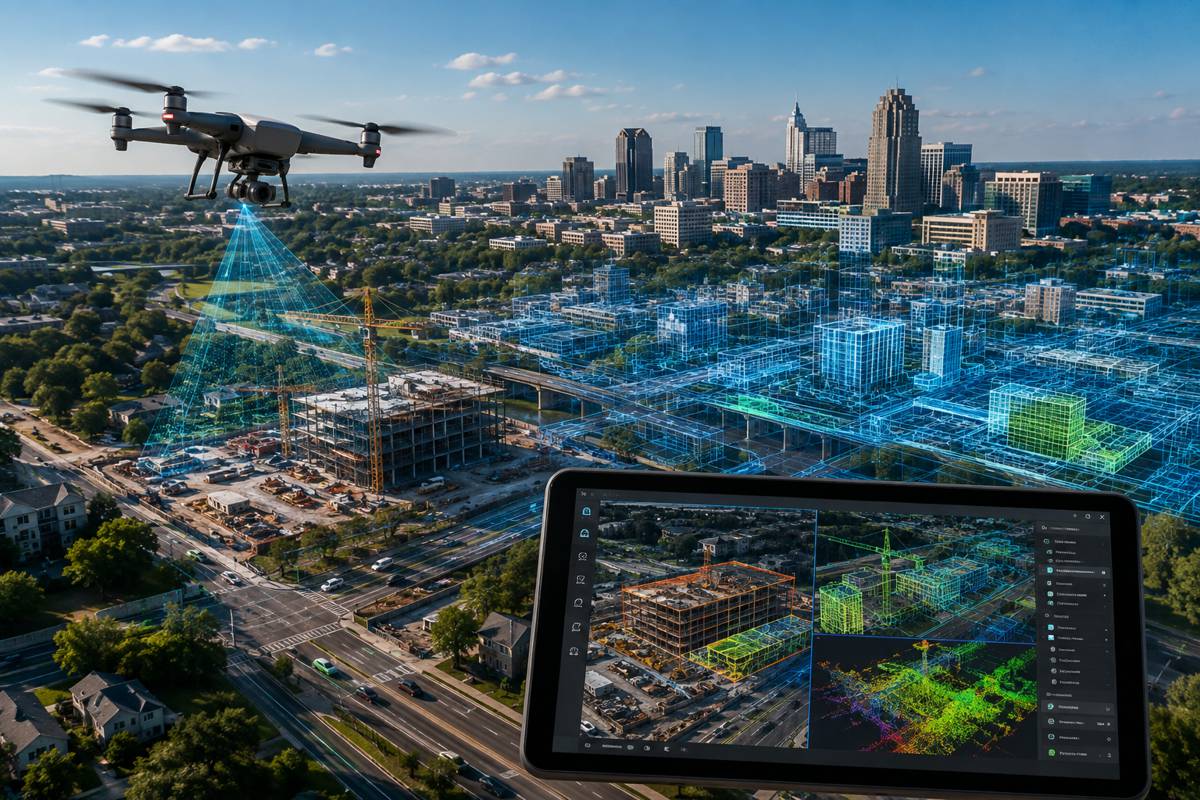
Some companies are even creating digital replicas of their jobsites, live virtual models fed by IoT sensors on the real site. This allows safety teams to simulate changes and see potential impacts in real time. If a certain area is congested with both workers and machines (data showing too many people and vehicles in one spot), the model might predict a higher collision risk. Managers can then adjust the schedule or layout virtually to reduce that overlap and push those changes out to the field. Over time, predictive systems could foresee, for instance, that given next week’s weather and the stage of work, there’s a high likelihood of heat stress incidents on Thursday afternoon, and prompt proactive cooldown breaks before anyone gets sick.
Regulators and clients are happy to see this data-driven approach too. We’re hearing more about “leading indicators” in safety, measurements that hint at trouble before it results in an accident (as opposed to lagging indicators like injury rates that only tell you after the fact). Wearable tech and AI supply plenty of leading indicators: rising near-miss counts in one zone, increasing vehicle-to-worker proximity alerts, workers’ fatigue levels trending upward day by day. Safety managers now walk into daily briefings armed not just with checklists, but with dashboards. It’s a cultural shift from being purely reactive (“let’s investigate why someone got hurt”) to being proactive (“these metrics look worrying, let’s intervene now”). And if something does happen, having data logs can vastly improve incident investigations, no more guessing what a worker’s condition was or who was where at the time, because the devices have the facts.
All of this doesn’t replace the human element, you still need experienced professionals to interpret data and implement solutions. But it gives them much better tools to work with. Predictive analytics in construction safety is still in its early days, yet the potential is enormous. Other high-hazard industries like oil & gas have successfully used such systems to dramatically lower accident rates by acting on small warning signs. Construction is now catching up, harnessing its new connected technologies to forge what could become a virtually pre-emptive safety program.
Policy, Incentives and the Path Ahead
With technology racing ahead, governments and regulatory bodies are starting to play catch-up, and in some cases, give industry a nudge. We’re seeing shifts in regulations and standards aimed at encouraging smarter safety practices. For example, in the United States, OSHA updated its construction PPE rules effective January 2025 to mandate that all personal protective equipment must properly fit each worker. This seemingly simple change has big implications: it pressures employers to invest in a wider range of gear (potentially including advanced designs) so that every worker, regardless of size or gender, has effective protection. It’s part of a broader recognition that one-size-fits-all safety doesn’t cut it anymore.
In Europe, regulators and industry groups are exploring guidelines for wearable tech on sites, balancing the clear safety benefits with considerations like privacy. Some European construction firms have voluntarily adopted a “charter of trust” for wearables, pledging that data from workers’ devices will be used only for safety and health purposes, not for punitive surveillance. This kind of framework might eventually inform formal regulations. Meanwhile, government safety agencies in tech-forward countries such as Singapore and South Korea have launched grant programs to help contractors acquire things like sensor-embedded PPE and automated safety systems. By subsidising early adopters, they aim to jump-start wider use of life-saving tech.
Insurance companies, as mentioned earlier, are another driving force. Workers’ compensation insurers have a vested interest in reducing accidents, and some now offer premium discounts or specialized coverage for companies that implement certified smart safety solutions. Essentially, they are saying: show us that your workers are wearing devices that cut the risk of injuries, and we’ll reward you. This becomes a big carrot for construction firms operating on thin margins, the tech not only prevents tragedies, it could also pay for itself through insurance savings.
Beyond rules and finances, there’s a growing expectation from clients and the public. High-profile projects now often tout their use of advanced safety measures as a selling point. Government tenders might include safety innovation in their scoring criteria. It’s no longer enough to just hand out hard hats and have an emergency plan on paper; firms that embrace AI monitoring or wearables signal that they’re modern, responsible and care about their people. That can influence who wins contracts and attracts investment.
Labour organizations and worker advocates are also weighing in. They generally welcome technologies that genuinely protect workers, but with some caveats. Unions, for example, support fatigue-monitoring wearables as long as they’re used to improve conditions (like mandating more breaks), not to blame workers for slowing down. There’s an ongoing dialogue to ensure that tech is implemented in a worker-centric way. Privacy concerns are real, nobody wants to feel spied on, even if it’s “for your own safety.” Clear policies and transparency about how data will be used go a long way in getting buy-in from the workforce.
Embracing Change, Saving Lives
Construction has a reputation as a traditional industry, sometimes slow to change. But when it comes to safety, a transformation is undeniably underway. The shift is both technological and cultural. You can have all the fancy gadgets in the world, but to truly improve safety, the people on site need to trust and effectively use them. That means training workers not just in how to operate new devices, but in understanding why they’re beneficial. It also means listening to feedback, if an exoskeleton is too uncomfortable or a phone app is too confusing, developers and managers need to know and adjust. The most successful implementations of smart safety tech have happened in companies that foster a culture of safety innovation from the top down. Leaders champion the tools, and workers at all levels are involved in refining how they’re used day-to-day.
There are challenges, of course. High upfront costs can deter smaller contractors from investing in these systems, though prices are gradually coming down. Some firms start with rentals or pilot programs (for example, leasing a few exoskeletons for a big project) to test the waters without a huge commitment. Technical issues can arise, batteries die, sensors give false alarms, so there must be processes to maintain equipment and avoid “alarm fatigue” where workers start tuning out constant beeping. And as mentioned, privacy and data security have to be managed carefully so that workers feel protected, not policed. All of these hurdles are surmountable with the right approach and stakeholder involvement.
What’s becoming clear is that embracing smart safety tech is not just a gimmick or a box-ticking exercise; it yields tangible results. Injuries prevented, lives saved, and also efficiency gains that benefit everyone. A safer site is often a more productive site, less downtime, higher morale, and smoother operations. A new generation of construction professionals is rising who are as comfortable checking a safety app as they are wielding a hammer. They’ll expect these innovations as standard practice.
Looking ahead, the construction safety toolkit will only grow smarter. Emerging ideas include drones that autonomously survey sites for hazards from above, and AI assistants that could talk directly to workers through earpieces to warn of danger in real time. As wearable tech becomes lighter and more unobtrusive, virtually an invisible part of work attire, acceptance and usage will continue to rise. Many experts envision a future where serious jobsite accidents become as rare as plane crashes, thanks to multiple overlapping layers of protection and predictive prevention. What once sounded like science fiction, from self-driving machines that stop for people to hardhats that “sense” trouble, is rapidly becoming standard practice. The trajectory is clear: technology will keep evolving, but the mission remains the same. At the end of each shift, everyone gets home unscathed.
In the end, the goal of all this technology is simple: to ensure that every construction worker goes home safe and healthy at the end of the day. Whether it’s a sensor in a boot preventing a deadly collision or an AI camera averting a fall, each smart solution adds a layer of protection in an industry where the stakes are literally life and death. The construction sector is proving that progress and well-being can indeed go hand in hand. By looking beyond traditional PPE and embracing a smarter, data-informed approach to safety, the industry isn’t just keeping pace with the times, it’s saving lives and shaping a safer future for all on site.