How Often Should Elevators Be Serviced in High-Use Commercial Buildings?
High-use commercial buildings depend on elevators to move people quickly and safely throughout the day. Constant operation places stress on cables, doors, and control systems, which can lead to costly downtime if not properly maintained. Most high-traffic elevators should be serviced at least once a month to keep them safe, efficient, and compliant with local codes.
Regular service checks allow technicians to spot worn parts early and prevent sudden breakdowns during business hours. This approach saves time and money while maintaining a positive experience for everyone who uses the building.
Understanding how often to schedule maintenance and what practices support long-term performance helps building owners protect their investment. The following sections explain recommended servicing intervals and practical steps to keep elevator systems dependable and safe.
Recommended Elevator Servicing Frequency in High-Use Commercial Buildings
Elevators in busy commercial spaces face heavy daily use, which increases wear on mechanical and safety components. Regular inspections, compliance checks, and preventive maintenance keep systems safe, efficient, and legally compliant. Service frequency depends on building type, usage levels, and local codes.
Legal Requirements and Compliance Standards
In many regions, elevator maintenance schedules follow safety regulations set by the government or technical authorities. For example, in Ontario, the Technical Standards and Safety Authority (TSSA) requires licensed contractors to perform regular inspections and document all maintenance work.
High-use commercial buildings often need monthly or biweekly service visits to meet these standards. These visits confirm that brakes, doors, and control systems operate correctly and that emergency systems pass safety tests.
Property owners must also keep maintenance records available for inspection. Failure to comply with these rules can lead to fines or shutdown orders. Partnering with certified providers experienced in maintenance of elevators in Ontario helps building managers meet these legal duties while maintaining safe operation.
Factors Affecting Service Intervals
Several conditions influence how often an elevator requires professional service. Usage volume ranks first. Systems that move hundreds of passengers each day wear out faster than those in smaller offices.
The age of the equipment also matters. Older systems often need more frequent attention to replace worn parts and update safety components. Environmental factors such as dust, humidity, or temperature swings can speed up deterioration.
Building type plays a role as well. Hospitals, shopping centers, and high-rise offices often demand shorter intervals between service visits. In contrast, low-traffic buildings may follow a quarterly schedule. Service contracts should reflect these differences and include preventive inspections to avoid unexpected failures.
Consequences of Inadequate Maintenance
Neglecting elevator maintenance can cause serious problems for property owners and tenants. Equipment that skips scheduled service may develop door faults, uneven leveling, or control errors that disrupt daily operations.
Unplanned shutdowns lead to lost productivity, tenant complaints, and expensive emergency repairs. More importantly, poor maintenance increases safety hazards and liability risks.
Regular service preserves equipment life, reduces downtime, and supports compliance with local safety laws. A consistent maintenance plan protects both users and investments by keeping elevators dependable under heavy use.
Best Practices for Elevator and Building System Maintenance
Regular elevator and building system maintenance helps reduce downtime, prevent safety issues, and maintain smooth operation. Proper scheduling, accurate recordkeeping, and coordination between mechanical and HVAC systems help extend equipment life and support safe building performance.
Routine Inspection Procedures
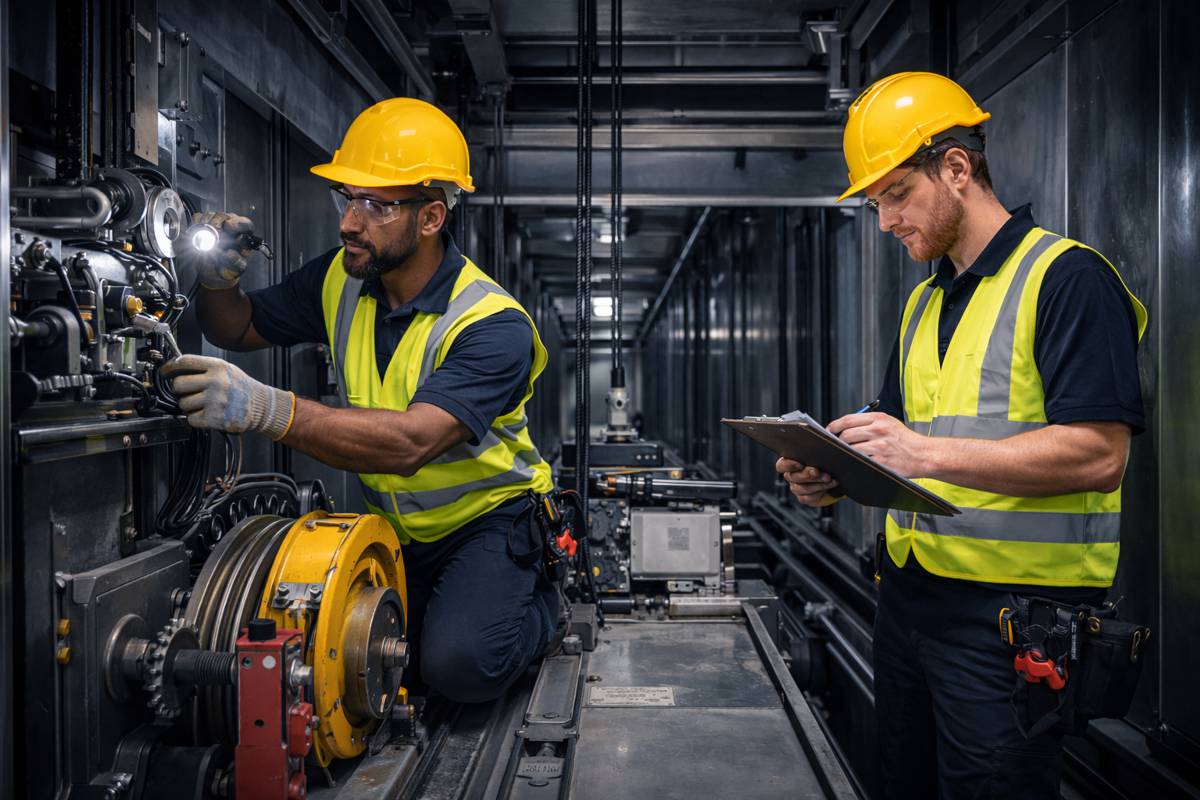
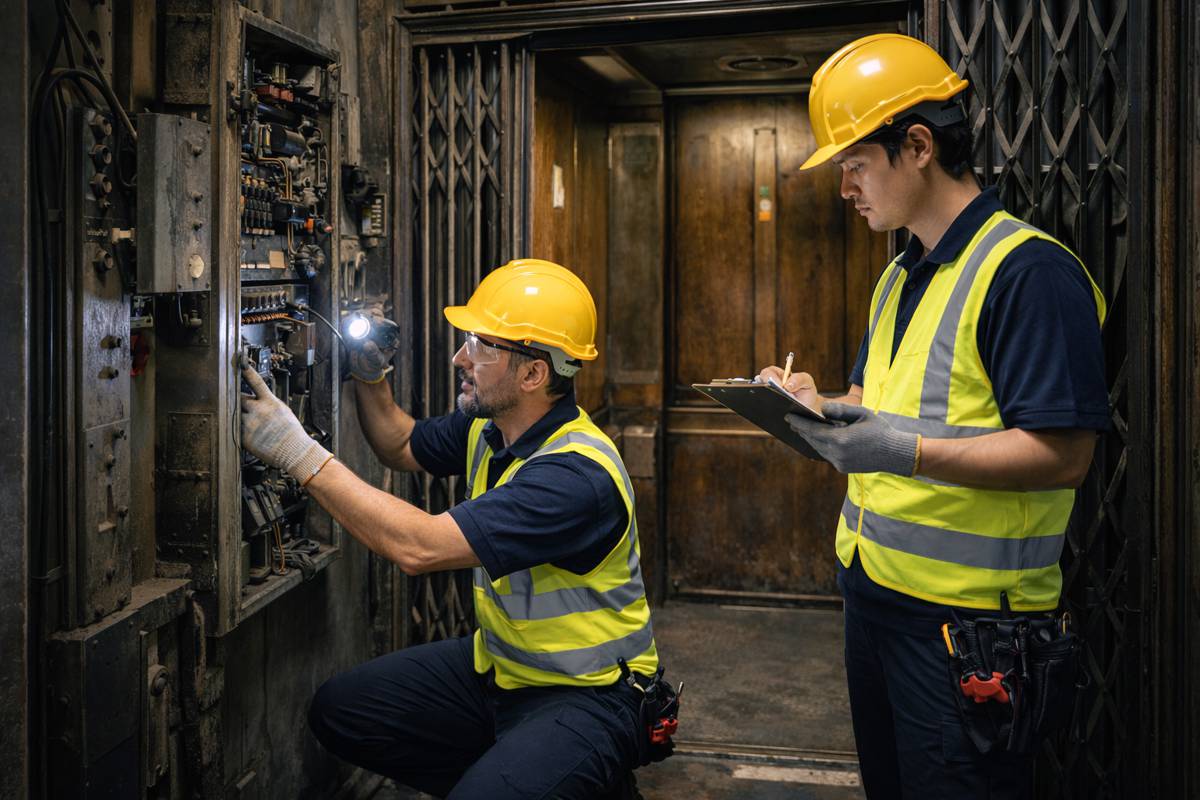
Elevator inspections should follow a consistent schedule based on usage and equipment age. High-use commercial buildings often need monthly or even biweekly checks to prevent mechanical wear. Each visit should include visual assessments, functional tests, and documentation of any irregularities.
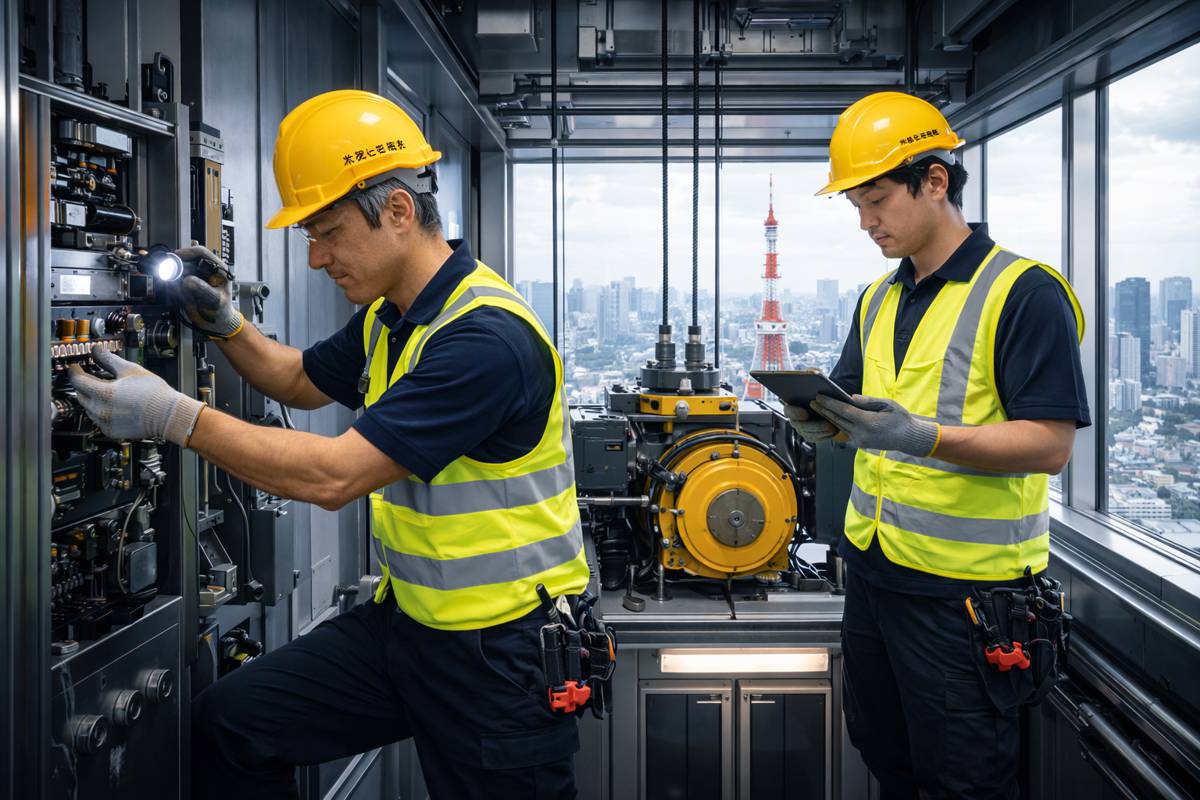
Technicians should review the car’s movement, door operation, and control signals. They should also listen for unusual noises that may indicate friction or misalignment.
Maintenance logs help track trends and identify recurring issues early. Building managers should verify that all inspections meet local safety codes and manufacturer recommendations. Clear communication between maintenance staff and management supports faster response to developing problems.
Key Maintenance Checks for Safety and Performance
A structured maintenance plan focuses on the elevator’s mechanical, electrical, and safety components. Basic checks include:
- Brake and emergency systems
- Door sensors and interlocks
- Cables, pulleys, and hydraulic systems
- Control panels and error diagnostics
Technicians must replace worn parts before failure occurs. They should also calibrate sensors to maintain accurate floor leveling and smooth door movement.
Regular lubrication of moving parts reduces friction and extends component life. Electrical checks confirm that alarms, lights, and communication systems function correctly. These steps help maintain passenger safety and reduce the risk of unexpected shutdowns.
Integrating Elevator and Commercial HVAC Maintenance
Elevator and HVAC systems share similar maintenance goals: consistent performance, energy efficiency, and occupant comfort. Coordinating their service schedules allows technicians to inspect shared spaces such as mechanical rooms or control panels at the same time.
A commercial HVAC system affects elevator performance by influencing temperature and humidity in machine rooms. Excess heat can strain elevator controls or motors. Proper ventilation and temperature control protect sensitive components and improve energy use.
Building managers should align elevator and HVAC maintenance plans under one schedule. This approach simplifies oversight, reduces service interruptions, and supports a balanced building environment.
Keeping Passengers Safe
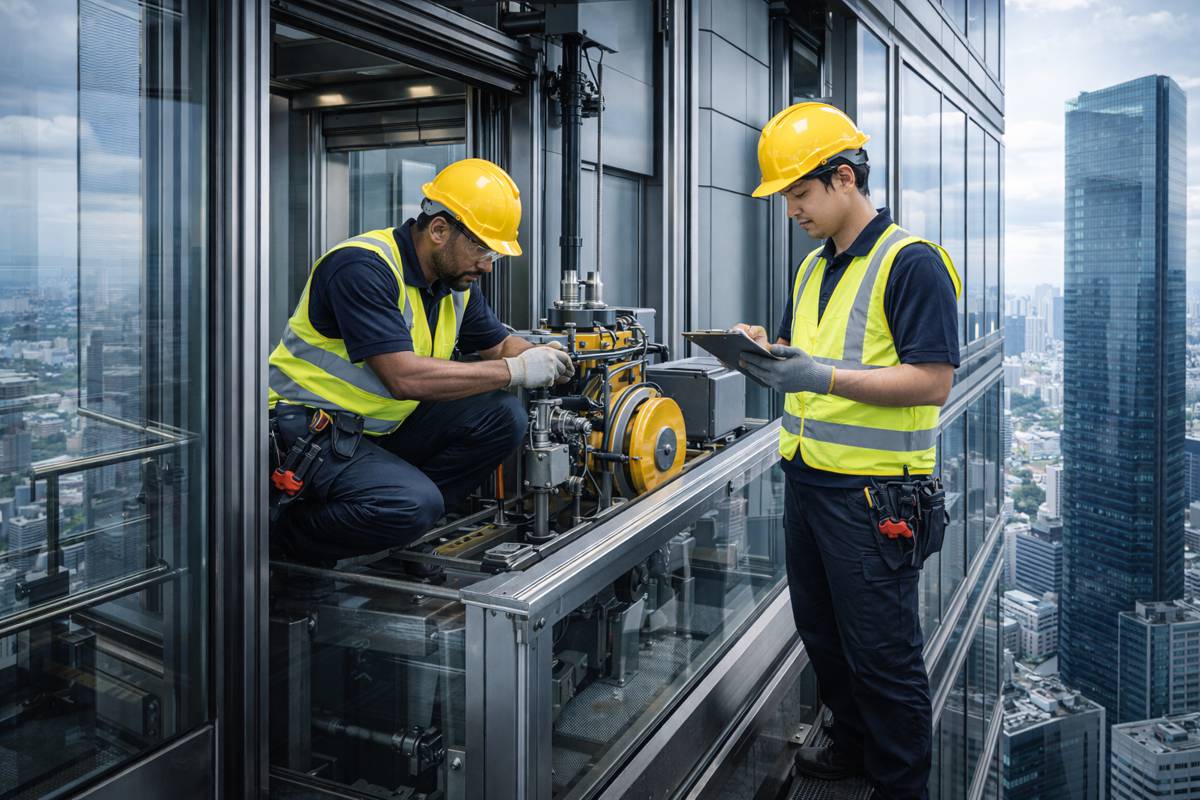
High-use commercial buildings depend on elevators that stay in safe and smooth condition. Regular service helps prevent sudden breakdowns and long downtime that can disrupt daily operations.
Experts recommend monthly maintenance for elevators that experience heavy traffic. Systems in hospitals, offices, and large residential complexes face more wear and therefore need more frequent checks.
A consistent schedule allows technicians to spot small problems before they grow into costly repairs. It also helps building owners meet safety codes and keep passengers safe.
Therefore, property managers should track elevator usage, review service reports, and plan inspections based on actual demand rather than a fixed calendar. This approach keeps elevators dependable and extends their service life.