Reengineering Asphalt Performance with Algae Derived Binders
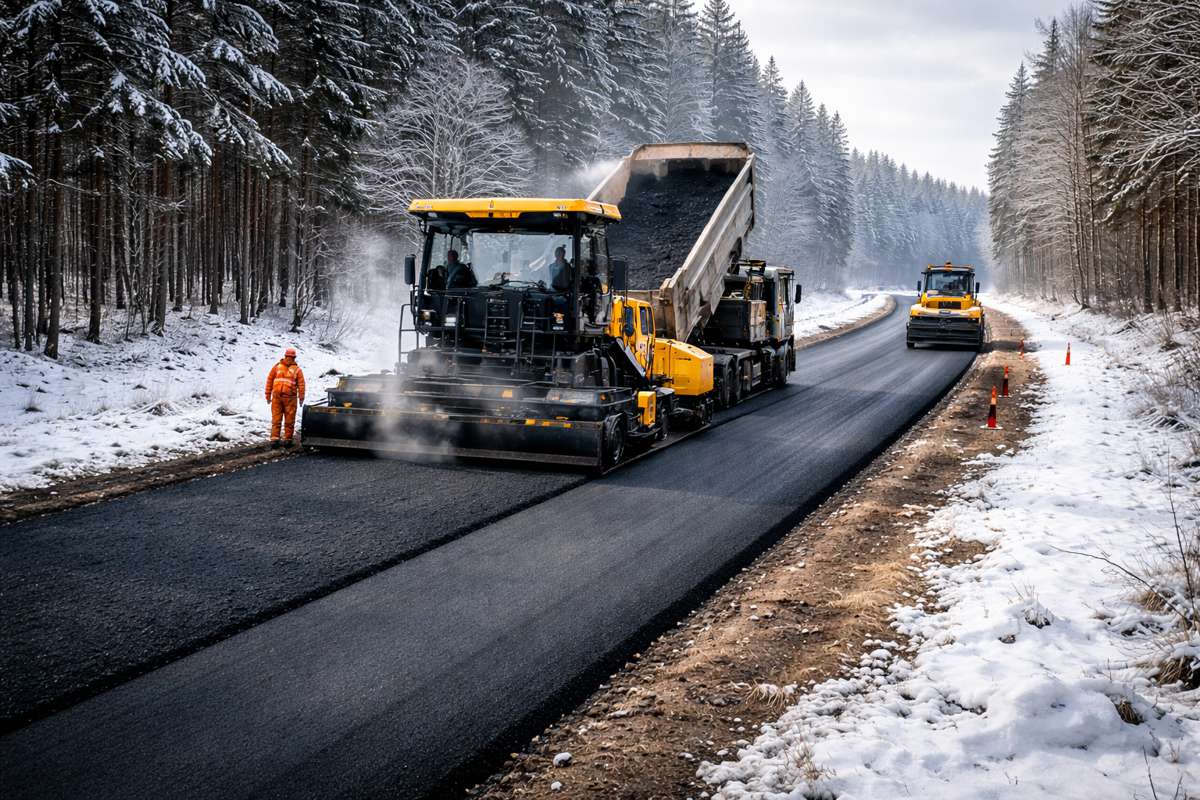
Snow, ice and repeated freeze thaw cycles have a habit of exposing the weakest points in paved infrastructure. Across colder regions, winter often leaves behind cracked surfaces, frost heaves and potholes that frustrate road users and drain maintenance budgets. For asset owners and transport authorities, the pattern is depressingly familiar. Damage appears quickly, repairs are costly, and the carbon footprint of constant resurfacing continues to grow.
Against that backdrop, researchers are exploring materials that can cope better with harsh winter conditions while also reducing reliance on fossil fuels. A recent study published in ACS Sustainable Chemistry & Engineering points towards a solution that is both figurative and literal in its greenness. By replacing part of conventional petroleum based bitumen with an algae derived binder, the researchers report meaningful gains in low temperature performance and durability.
Why Conventional Asphalt Struggles in the Cold
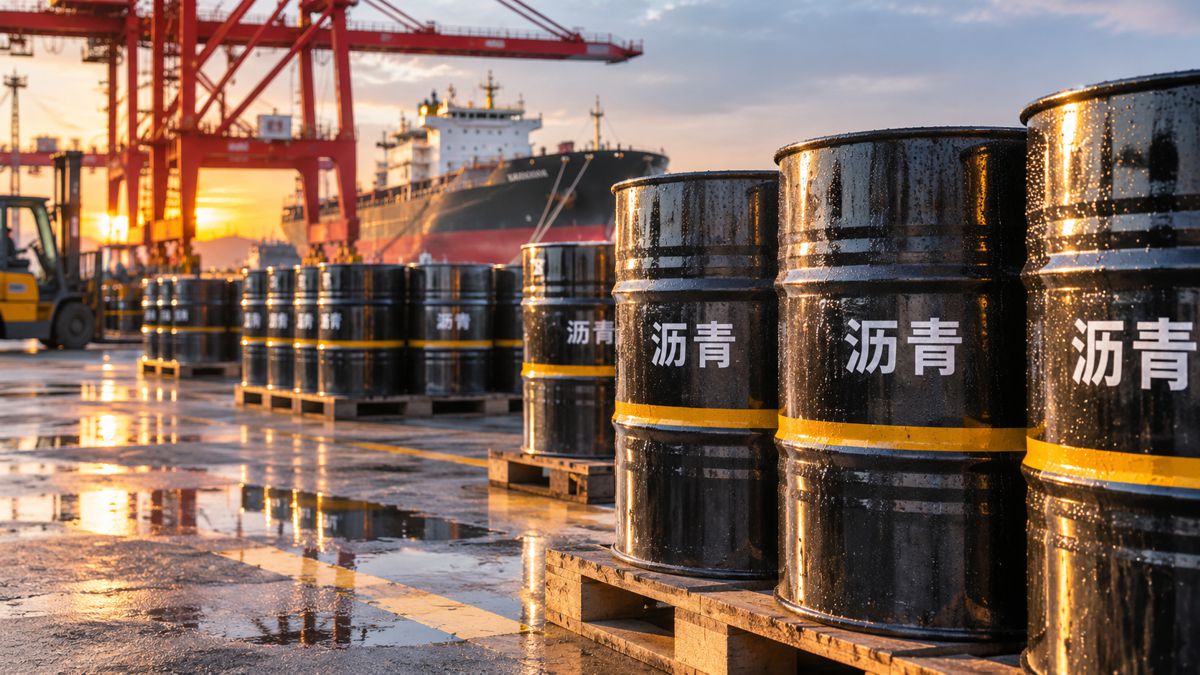
Asphalt may look simple on the surface, but its performance depends heavily on the behaviour of its binder. Bitumen, produced from crude oil refining, acts as the glue that holds aggregates together while allowing the pavement to flex as temperatures rise and fall. In warm conditions, that flexibility is an advantage. In extreme cold, it becomes a liability.
When temperatures drop rapidly below freezing, bitumen stiffens and loses elasticity. Repeated thermal contraction creates internal stresses that eventually lead to cracking. Once cracks form, moisture can enter the pavement structure, freeze and expand, and accelerate deterioration. Over time, minor defects turn into major failures that demand full depth repairs rather than simple surface treatments.
A Bio Based Alternative Takes Shape
Led by Professor Elham Fini, the research team set out to tackle this brittleness problem using renewable materials. Their focus was algae oil, a resource that has already attracted attention in the biofuels and bioproducts sectors. Earlier work by the group demonstrated that oils extracted from certain algae species could be chemically transformed into a rubbery, bitumen like material with promising low temperature properties.
Building on those findings, the team explored whether algae based binders could perform reliably within asphalt mixtures subjected to freezing temperatures and traffic loading. As Fini explains: “Algae derived compounds can improve moisture resistance, flexibility and self healing behaviour in asphalt, potentially extending pavement life and reducing maintenance costs.”
Selecting the Right Algae for the Job
Not all algae oils behave in the same way, and the researchers were careful to narrow their focus using computational modelling before moving into laboratory testing. Oils from four different algae species were evaluated for their ability to blend effectively with asphalt components while maintaining flexibility at sub-zero temperatures.
Among the candidates, oil derived from the freshwater green microalga Haematococcus pluvialis stood out. Computer simulations suggested that this oil could enhance resistance to permanent deformation under traffic induced stress while also improving tolerance to moisture related damage. Those characteristics are critical for pavements exposed to heavy loads and harsh winters.
Putting Algae Asphalt to the Test
Laboratory experiments were designed to replicate the combined effects of traffic loading and freeze thaw cycles. Asphalt samples incorporating the algae based binder were compared directly with mixtures using conventional petroleum derived bitumen.
The results were striking. Pavement samples containing the algae binder demonstrated up to a 70 percent improvement in deformation recovery. In practical terms, that means the material was better able to return to its original shape after loading, reducing the likelihood of permanent rutting and cracking. The algae enhanced asphalt also showed greater resistance to moisture damage, an important factor in extending pavement life in cold and wet environments.
Beyond Performance Gains
While improved durability is compelling on its own, the environmental implications of algae based binders add another layer of interest. Asphalt production is a carbon intensive process, largely because bitumen is derived directly from fossil fuels. Even small substitutions can have an outsized impact when applied across national road networks.
The research team estimates that replacing just 1 percent of a petroleum based binder with an algae derived alternative could reduce net carbon emissions from asphalt production by approximately 4.5 percent. At higher substitution levels, around 22 percent, asphalt mixtures could theoretically reach carbon neutrality. For an industry under increasing pressure to decarbonise, those figures are hard to ignore.
A Step Towards More Resilient Infrastructure
The implications extend beyond emissions accounting. Longer lasting pavements mean fewer interventions, less disruption to road users and lower whole life costs for infrastructure owners. In regions where winter damage is a recurring issue, improved low temperature flexibility could significantly reduce the frequency of emergency repairs.
From a resilience perspective, materials that adapt more gracefully to temperature extremes are increasingly valuable. Climate models suggest that many regions will experience more volatile weather patterns, including sharper temperature swings. Pavements that can accommodate those changes without rapid degradation will be better placed to serve communities over the long term.
Integrating Algae Binders Into Existing Practice
Despite the promise shown in laboratory testing, widespread adoption will depend on how easily algae based binders can be integrated into current asphalt production processes. One advantage highlighted by the researchers is compatibility. The algae derived binder was designed to mix well with conventional asphalt solids, reducing the need for wholesale changes to plant equipment or laying techniques.
Cost is another consideration. While algae oil production has historically been expensive, advances in cultivation and extraction technologies are steadily improving economics. When lifecycle savings from reduced maintenance are factored in, algae enhanced asphalt may prove competitive even before carbon pricing mechanisms are applied.
Broader Context Within Sustainable Materials Research
This work sits within a broader movement towards bio based and waste derived materials in construction. Researchers around the world are investigating alternatives such as lignin, bio oils from agricultural residues, recycled plastics and rubber modifiers to reduce reliance on virgin fossil resources.
What distinguishes algae based binders is their potential scalability and environmental profile. Algae can be grown on non arable land, using saline or wastewater, and can absorb carbon dioxide during growth. That combination makes them an attractive candidate for circular economy strategies within the construction sector.
Support and Scientific Oversight
The study acknowledges funding from the U.S. Department of Energy, reflecting growing institutional interest in sustainable infrastructure materials. Publication in a peer reviewed ACS journal also underscores the scientific rigour behind the findings.
The American Chemical Society, a non-profit organisation founded in 1876 and chartered by the U.S. Congress, plays a central role in disseminating this kind of research. Through its journals, conferences and information platforms, ACS supports the advancement of chemistry based solutions to global challenges while maintaining a strong emphasis on scientific integrity.
The Road Ahead for Algae Based Pavements
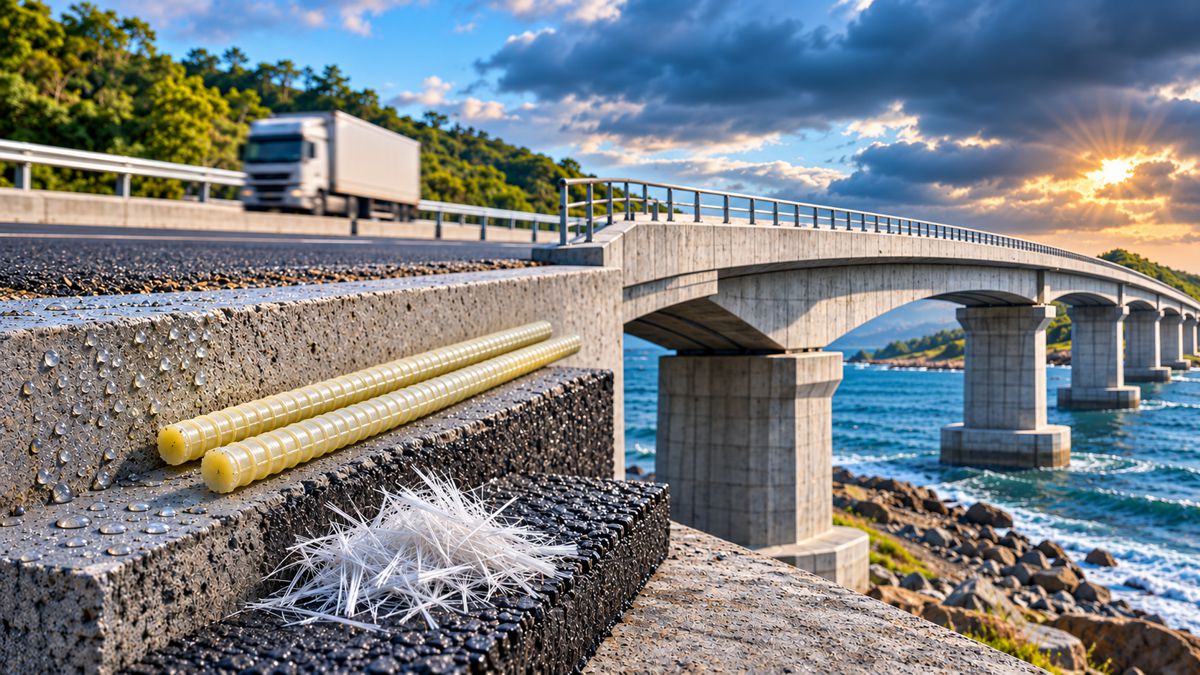
Although further field trials and long term performance data will be needed, algae derived asphalt binders represent a credible pathway towards more durable and sustainable roads. The combination of improved low temperature performance, reduced maintenance demands and meaningful carbon savings aligns closely with the priorities of transport agencies and policymakers.
As pressure mounts to deliver infrastructure that is both resilient and climate responsible, innovations like this are likely to move from the laboratory into pilot projects and, eventually, mainstream practice. If that transition succeeds, future winters may leave fewer potholes behind, and the roads beneath our tyres may owe their strength to a surprisingly green source.